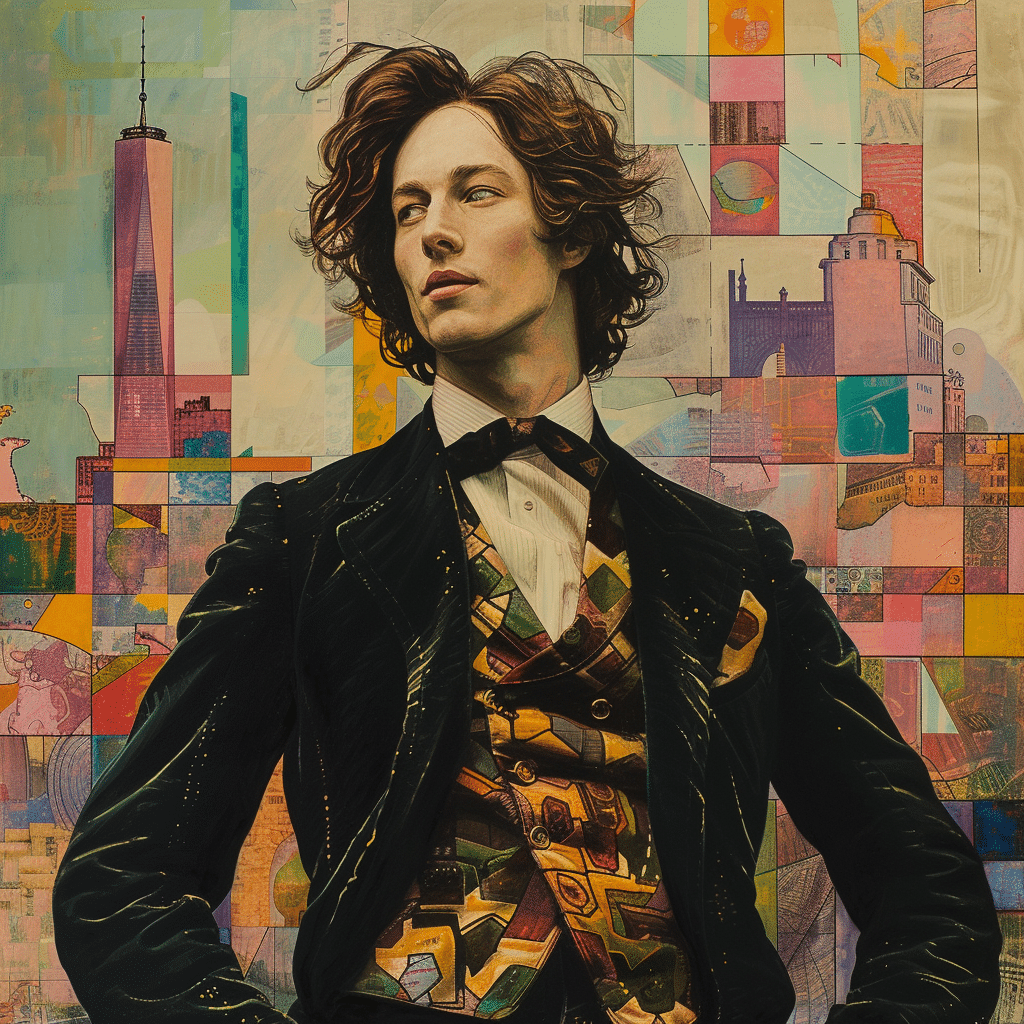
Orson Welles isn’t just a name; he’s a legacy that continues to breathe life into the very core of storytelling. When you hear the name Orson Welles, think of creativity that smashed the boundaries of traditional cinema. His groundbreaking approach in “Citizen Kane” has engrained itself as a monumental milestone in film history. However, Welles’ brilliance transcends filmmaking; he impacted radio, theater, and even pushed the envelope of literature. Let’s dive into seven remarkable contributions that showcase the multifaceted genius of Orson Welles.
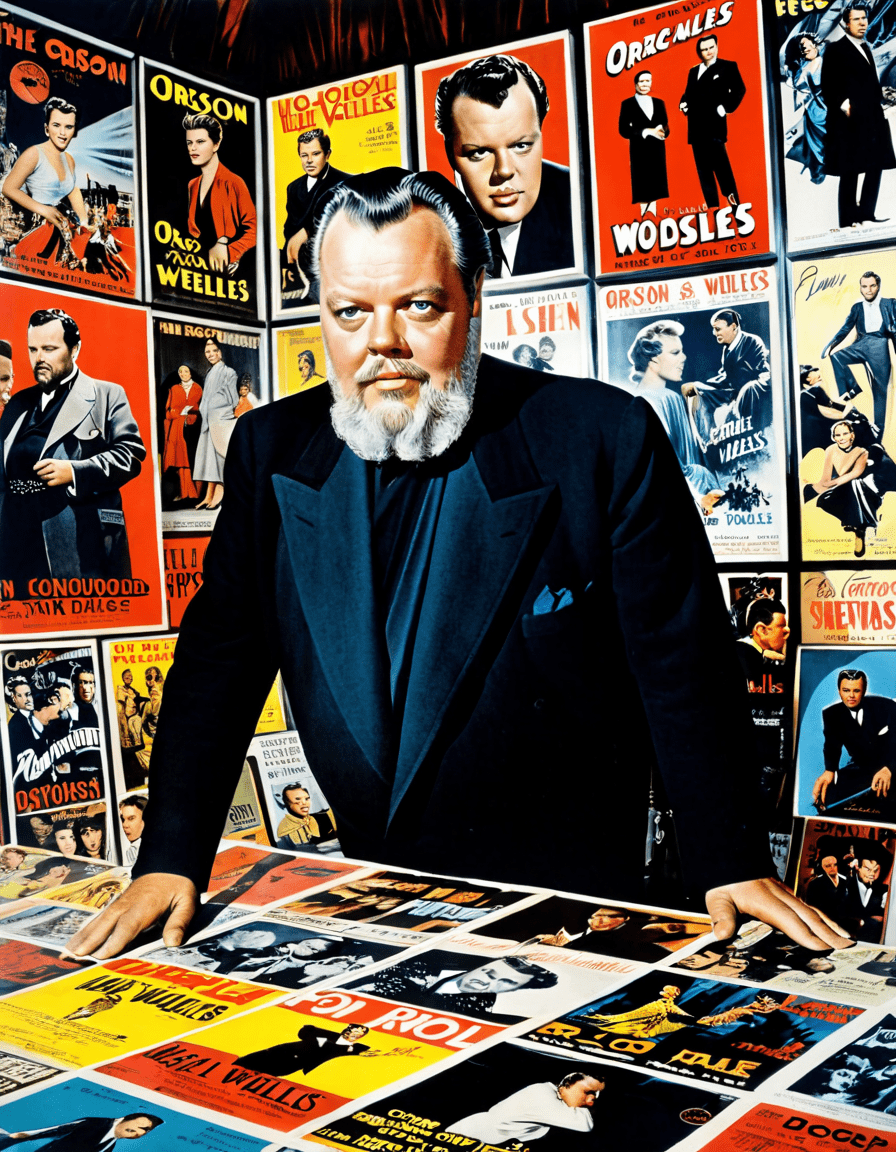
7 Remarkable Contributions of Orson Welles to Film and Beyond
1. Citizen Kane: The Benchmark of Filmmaking
“Citizen Kane” remains the gold standard of filmmaking even decades after its release. Often hailed as the greatest film of all time, Welles’ innovative storytelling and technical achievements set new benchmarks. The film uses deep focus cinematography, allowing multiple planes of action to be seen simultaneously, creating a rich tapestry of visual storytelling.
Welles brilliantly weaves a character study of Charles Foster Kane that reflects complex human emotions, showing us the heights of ambition and the depths of despair. This profound narrative invites audiences to ponder the very nature of identity and legacy. You can’t help but marvel at how Welles grabbed storytelling by the horns and reinvented it for generations to come.
2. Radio and the Art of Storytelling
Welles’ infamous “War of the Worlds” broadcast in 1938 is a masterclass in the power of radio. It caught listeners off guard and pushed the boundaries of media. This remarkable event wasn’t just about captivating an audience; it was about understanding and manipulating public perception.
The broadcast shattered the naiveté of listeners, reminding them of narrative’s gripping impact on imagination and fear. Just imagine tuning in on a Sunday night, thinking you’re listening to a regular broadcast, only to realize it’s a thrilling drama unfolding in real-time. What a ride!
3. Theatrical Innovations and Shakespeare
Welles took the works of William Shakespeare to electrifying new heights. His adaptations of plays like “Macbeth” and “Othello” weren’t just performances; they were radical reinterpretations. He utilized innovative staging techniques, giving these classic texts a fresh voice that resonated with contemporary audiences.
Through his artistic lens, Welles demonstrated how Shakespeare’s themes remain timeless, making them relatable to modern sensibilities. Welles showed us that the Bard’s work could evolve, offering each generation a window into universal human experiences, all while keeping Shakespeare alive and relevant.
4. Influence on Modern Directors: A Legacy Passed Down
Welles’ influence on directors is profound; you can see his fingerprints all over the films of titans like Alfred Hitchcock and Martin Scorsese. Hitchcock’s suspenseful storytelling and Scorsese’s vibrant character-driven narratives draw heavily on the trails blazed by Welles.
Analyzing their films reveals threads of narrative complexity that are unmistakably rooted in Welles’ work. It’s incredible to think how one man’s vision continues to inspire the greats, shaping cinema today.
5. The Crossroads of Cinema and Literature: Oscar Wilde’s Influence
Welles drew inspiration from literary masters like Oscar Wilde, mixing theatrical artistry with profound themes. His adaptation of Wilde’s “The Importance of Being Earnest” brilliantly encapsulates wit while diving deeply into character motivations, bridging the divide between literature and cinema.
Through this integration of literary depth, Welles proved that cinema could be just as intelligent and layered as novels. He didn’t just retell stories; he enriched them, adding a visual language that could express complexities often lost in text. This blend invites modern filmmakers to explore narratives that compel, moving beyond surface-level storytelling.
6. A Charismatic Advocate for Artists’ Freedom
Throughout his career, Welles championed artistic freedom like no other. Despite the pressures from studios, he fought tooth and nail to maintain control over his creations. This relentless pursuit of creative autonomy inspired not just his contemporaries but countless future artists as well.
His battles resonate with similar struggles faced by icons such as Charlie Chaplin, revealing the universal quest for artistic integrity. Welles’ journey teaches us the importance of sticking to our guns, prioritizing our genuine vision even in a greedy industry—a real lesson for ambitious entrepreneurs!
7. Resonance Across Generations: Influence on New Media
Even in today’s digital age, Welles’ influence reverberates throughout modern storytelling formats. From streaming series to interactive narratives, his non-linear storytelling techniques and psychological depth are evident. Shows like “The Crown” and many others evoke a rich, complex exploration of human thoughts—mirroring the very essence of Welles’ work.
In an ever-changing landscape, Welles’ narrative style continues to inspire new generations of creators, pushing them to innovate while retaining the psychological intricacies that mark great storytelling. The art of storytelling never grows old; it just evolves.
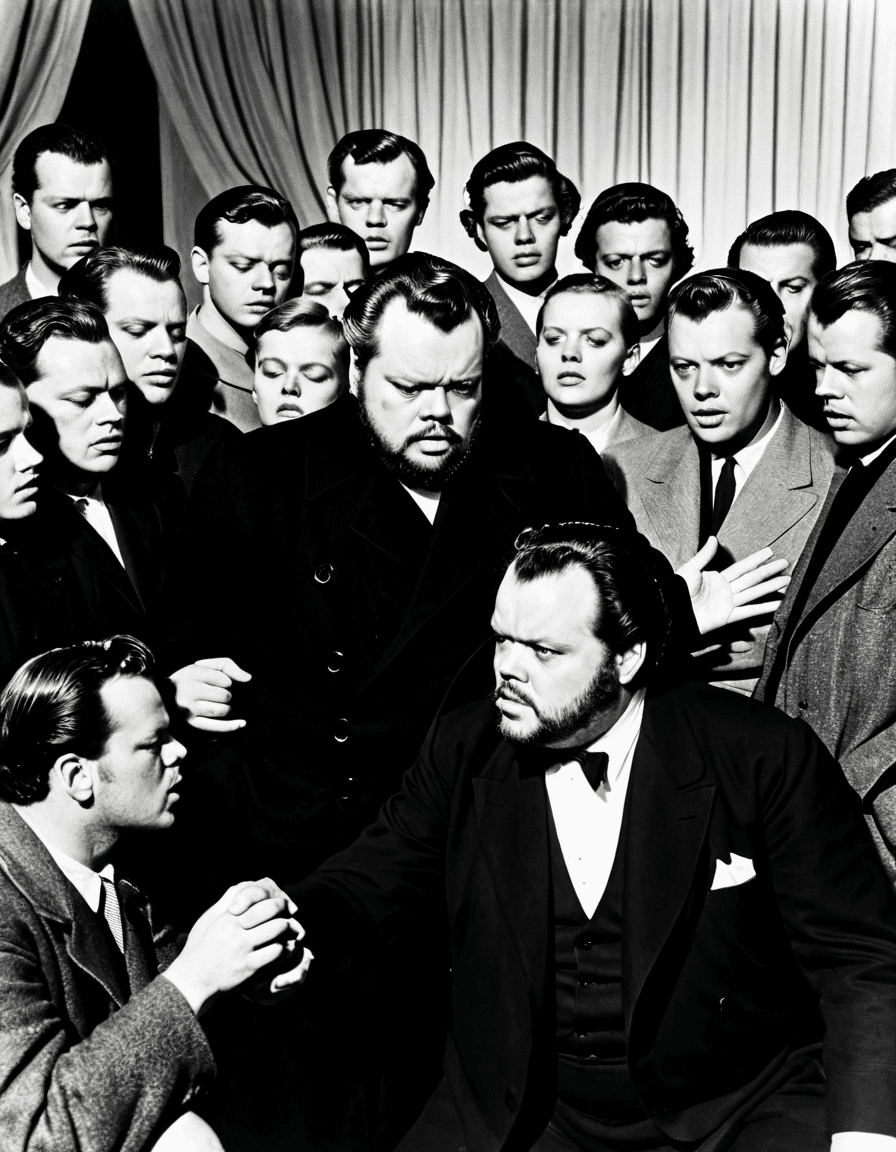
Analyzing the Wit of Welles: The Shadows of Oscar Wilde and Charles Dickens
When it comes to dialogue, Orson Welles crafted words with a sharpness that echoed Oscar Wilde and the intricate narratives of Charles Dickens. Through his dialogues in films, Welles displayed an acute understanding of human nature that transcended cinema, inviting comparisons to Dickens’ vividly drawn characters.
Take “The Magnificent Ambersons,” for instance, where Welles’ characters—much like Dickens’—navigate life with rich emotional arcs that resonate harmoniously with audiences. This mastery of character dialogue draws viewers into emotional landscapes, making them feel every thrill and despair.
The Cinematic Tapestry of Orson Welles: A Lasting Portrait
Today, Orson Welles’ influence weaves through modern filmmakers like a thread through a vibrant tapestry. His pioneering spirit across film, radio, and theater sparked conversations that forever changed the artistic landscape. Welles didn’t just tell stories; he connected various art forms, merging cinema with literature and theater.
His unyielding commitment to complex themes and artistic freedom is a testament to his genius. As we embrace new technologies and innovative storytelling techniques, Welles’ legacy shines as a guiding star for creators across the globe. His life reminds us that true artistry lies in breaking conventions and daring to dream.
In closing, if you’re passionate about storytelling—be it in film, literature, or any medium—let Orson Welles inspire you to be bold. His contribution isn’t just a chapter in film history; it’s a clarion call for all creators to chase their visions unapologetically. Keep pushing the boundaries; your masterpiece is waiting!
For more captivating insights into creative genius across different fields, visit our articles on Desi Arnaz and the evolving Disney Vacation club. And if you’re curious about the latest buzz in pop culture, make sure to check out the Fantastic Four 2025!
Life is short, art is long—let Orson Welles’ legacy guide your creative journey!
Orson Welles: The Intriguing Life of a Cinematic Pioneer
Early Brilliance and Unconventional Beginnings
Orson Welles, a true heavyweight in film and theater, first gained fame with his iconic radio broadcast of “War of the Worlds” in 1938. This bold endeavor sparked panic across the nation, proving that Welles could captivate audiences as few others could. Interestingly, before he got into films, he was already a celebrated theater director and actor. Imagine a young Welles, passionately directing plays while simultaneously brewing up ideas that would later culminate in masterpieces like “Citizen Kane.” The way he seamlessly transitioned from stage to screen was as surprising as finding a hidden gem in a thrift store like Ross Stores.
Did you know that Welles was only 25 when he directed “Citizen Kane”? It’s a wild thought considering his age, yet the film is often hailed as one of the greatest ever made. This youthful genius might just have defied expectations like a sporting underdog—much like Travis Kelce in his rise to prominence. The film’s innovative narrative techniques and cinematography transformed the game, inspiring countless filmmakers and pushing back against the norms of Hollywood’s golden age. While Welles was expanding his repertoire, theaters nearby might have been buzzing with excitement as audiences flocked to see his groundbreaking work.
A Life Beyond the Silver Screen
Apart from filmmaking, Welles had a rich, multifaceted life that included even a foray into producing. He dabbled in various mediums, including TV and even some bizarre commercials. One notable project was a French wine advertisement that was so unexpected yet brilliant that it showcased his knack for blending artistry with unorthodox marketing. Meanwhile, Welles maintained friendships with notable figures like Lorena Herrera, whose colorful persona reflects the vibrant times in which they thrived. Imagine these two creative minds collaborating or even chatting over coffee—what a scene that would’ve been!
Spanning continents, Welles lived in Europe during much of his later years, taking projects both serious and whimsical. His life was a whirlwind of opportunities, challenges, and creative expression, echoing the highs and lows of a roving artist. Even during the quieter times, he found ways to make a splash, like leveraging his talents on stage or engaging with audiences far and wide. Staying connected with fans was crucial, much like someone checking their health status on Gbmc Mychart. Just as communication is essential in the medical field, it’s vital for artists to keep their audience engaged and informed, proving that the desire to connect transcends industries and genres.
Orson Welles remains a towering figure in film history, an artist who not only made a mark but completely reshaped how stories are told on screen. His adventures illustrate that creativity knows no bounds, and his influence can be felt across generations—just like the timeless films often showcased in local theaters. Whether you’re catching a classic on a big screen or discovering a new gem at home, Welles’s legacy lives on, reminding us that the art of storytelling is a journey worth embarking on.