Once Upon a Time in Hollywood: Capturing Vintage Glamour
Quentin Tarantino’s “Once Upon a Time in Hollywood” is not just another movie; it’s a nostalgic, vibrant trip back to an era that defined the film industry and shaped American culture. Set in the dazzling backdrop of 1969 Los Angeles, this film’s vintage glamour shines through in costumes, set designs, and storytelling. Tarantino expertly intertwines the fictional tales of Rick Dalton, played by the exceptional Leonardo DiCaprio, and Cliff Booth, portrayed by the charismatic Brad Pitt, with real-life events and iconic personalities. This is where the glitz meets the grim, and it pulls us into a world that many of us can only dream of experiencing.
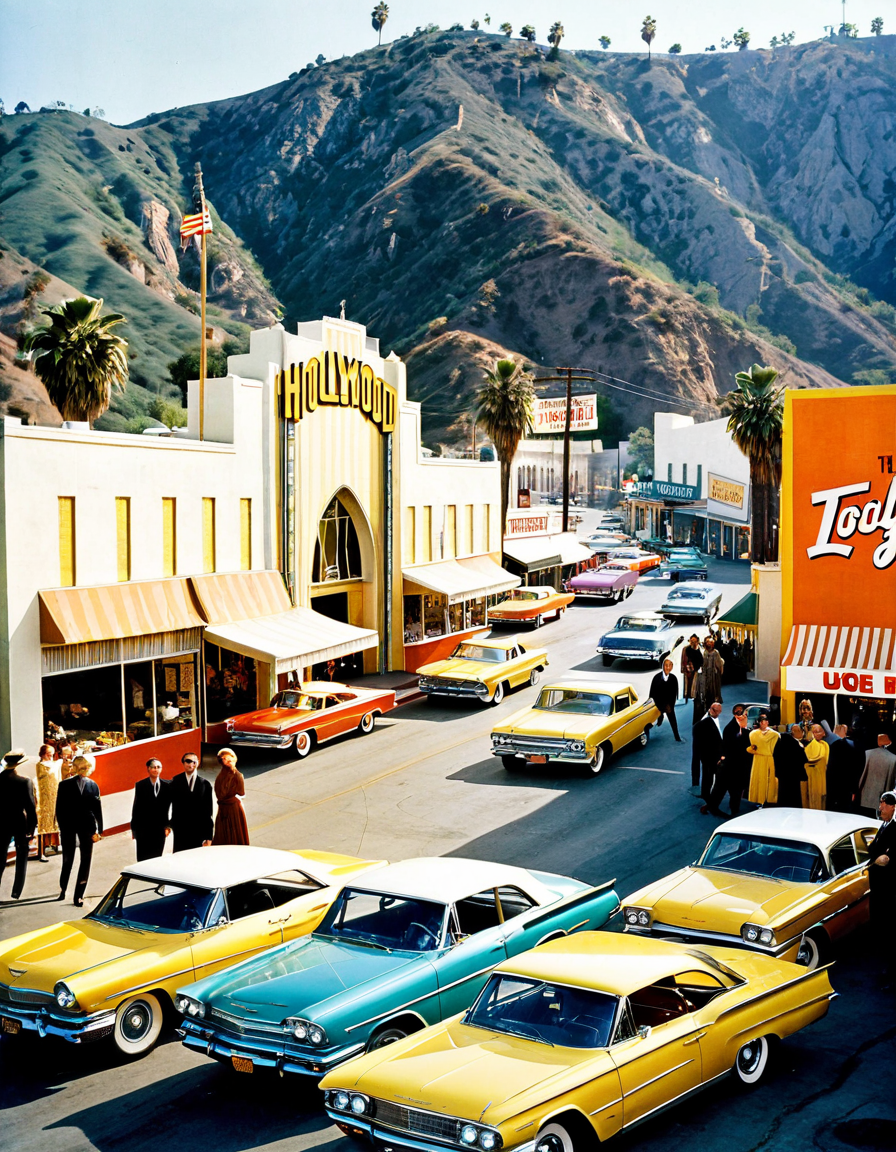
The Charm of Once Upon a Time in Hollywood’s Retro Aesthetic
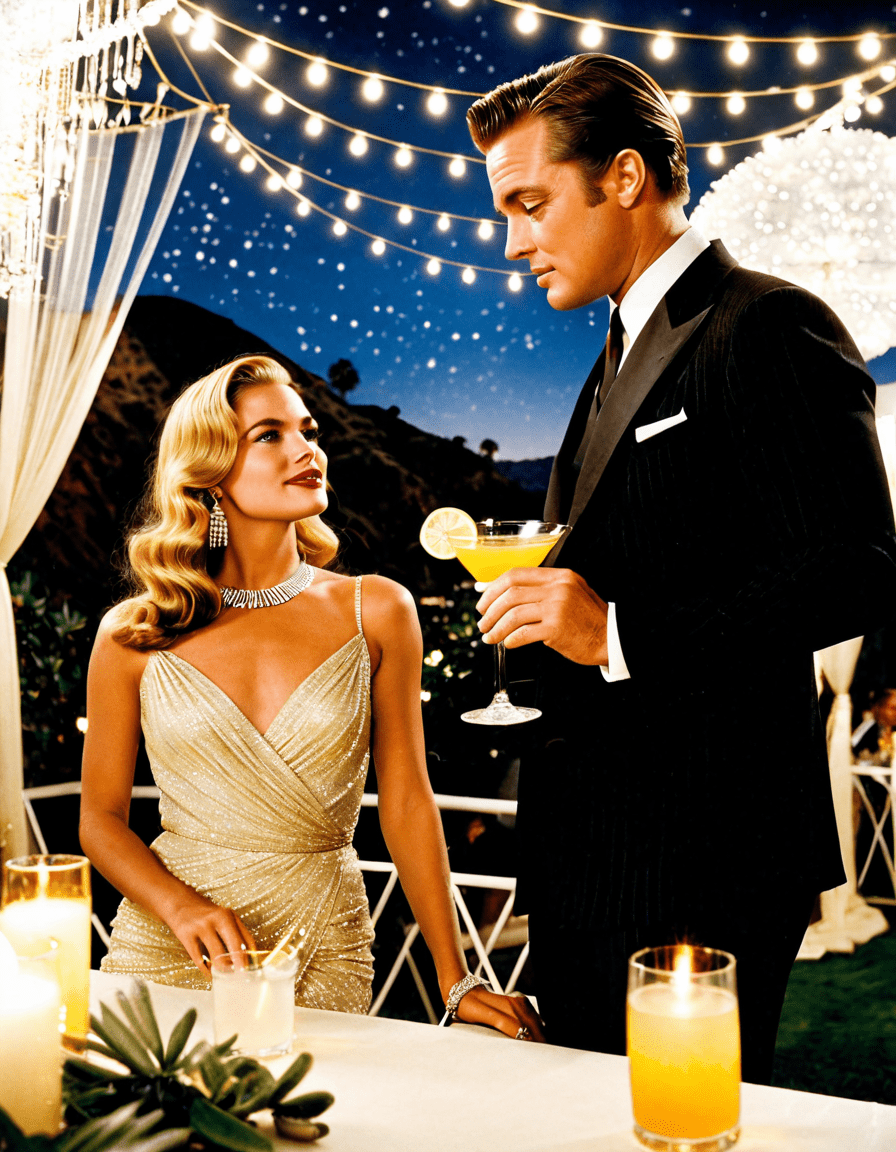
The charm of “Once Upon a Time in Hollywood” lies in its striking retro aesthetic. From the very first frame, viewers are embraced by a vivid tapestry of sights and sounds that reflect the heart of a transformative era. Each transition in the film feels like a page from a photo album, encapsulating a moment in time that resonates with emotion, creativity, and boldness. Tarantino’s storytelling style serves to remind us of a cultural landscape that not only entertained but inspired generations.
Set in a year that witnessed the unraveling of the Hollywood golden age, the film does more than just reflect it; it acts as a bridge connecting past and present. With lush visuals and a poignant narrative, “Once Upon a Time in Hollywood” succeeds in crafting a world rich in detail, immersing the audience in all its intricate layers.
Top 5 Elements of Vintage Glamour in Once Upon a Time in Hollywood
1. The Fashion: A Style Revival
One of the most striking aspects of “Once Upon a Time in Hollywood” is its fashion. The 1960s were a time of sartorial revolution, and costume designer Arianne Phillips brings this period to life with style choices that hit the nail on the head. From Rick Dalton’s classic cowboy attire to Sharon Tate’s dreamy, bohemian ensembles, each outfit tells a story of its own.
The characters’ clothing isn’t just about looks; it’s a reflection of their identity and the zeitgeist of the era. With every scene, the wardrobe pulls us deeper into a period where fashion was more than just aesthetics; it was a bold statement of self-expression.
2. Cinematography: A Trip Down Memory Lane
Robert Richardson‘s cinematography deserves a shout-out as a pivotal element that enhances the vintage authenticity of the film. His use of rich, saturated colors and 70mm film stock creates a texture that feels almost magical. Scenic shots of Los Angeles bathed in a warm, golden glow act as a love letter to the city and its cinematic history.
The way Richardson captures the urban landscape makes you want to jump into the screen. His work compels viewers to relive a brief moment of magic under the Californian sun, reminding us of why we fell in love with movies in the first place.
3. Soundtrack: The Heartbeat of a Generation
The eclectic soundtrack is another heartbeat of “Once Upon a Time in Hollywood.” Featuring nostalgic tunes from the late 1960s, it brings the atmosphere of that era rushing back. Songs from Paul Revere & The Raiders, Neil Diamond, and classics that got more than a few toes tapping transport you straight back to the summer of love.
In this film, music isn’t just background noise; it becomes a character. Every note enhances the emotional landscape, guiding viewers through Rick and Cliff’s bittersweet journey. Music makes what could have easily been a simple flick into a rich, auditory experience that lingers long after the credits roll.
4. Cinematic References: Tying the Old with the New
Tarantino is known for crafting layered narratives, and this film is no exception. “Once Upon a Time in Hollywood” is peppered with references to cinematic icons from that time, including a fascinating portrayal of Bruce Lee. These nods to history serve to immerse audiences in reality, juxtaposing thrilling escapades with the sobering truths behind the glam.
Through vibrant pop culture moments, Tarantino breathes life into forgotten tales and brings them to the forefront, urging modern audiences to engage critically with the narratives we consume. This clever blending of historical figures and facts seamlessly ties the old with the new.
5. The Once Upon a Time in Hollywood Cast: A Perfect Ensemble
The cast is yet another reason you can’t help but get enchanted. With the unmistakable chemistry of Leonardo DiCaprio and Brad Pitt, their performances pop off the screen like fireworks on the Fourth of July. Margot Robbie’s portrayal of Sharon Tate is poignant yet joyous, allowing us to see her as more than just a tragic figure. Instead, she embodies the optimism that characterized much of the 1960s.
The ensemble cast doesn’t just bring their characters to life but redefines them against the vibrant backdrop of a Hollywood in flux—a glimpse of who they were and who they could have been.
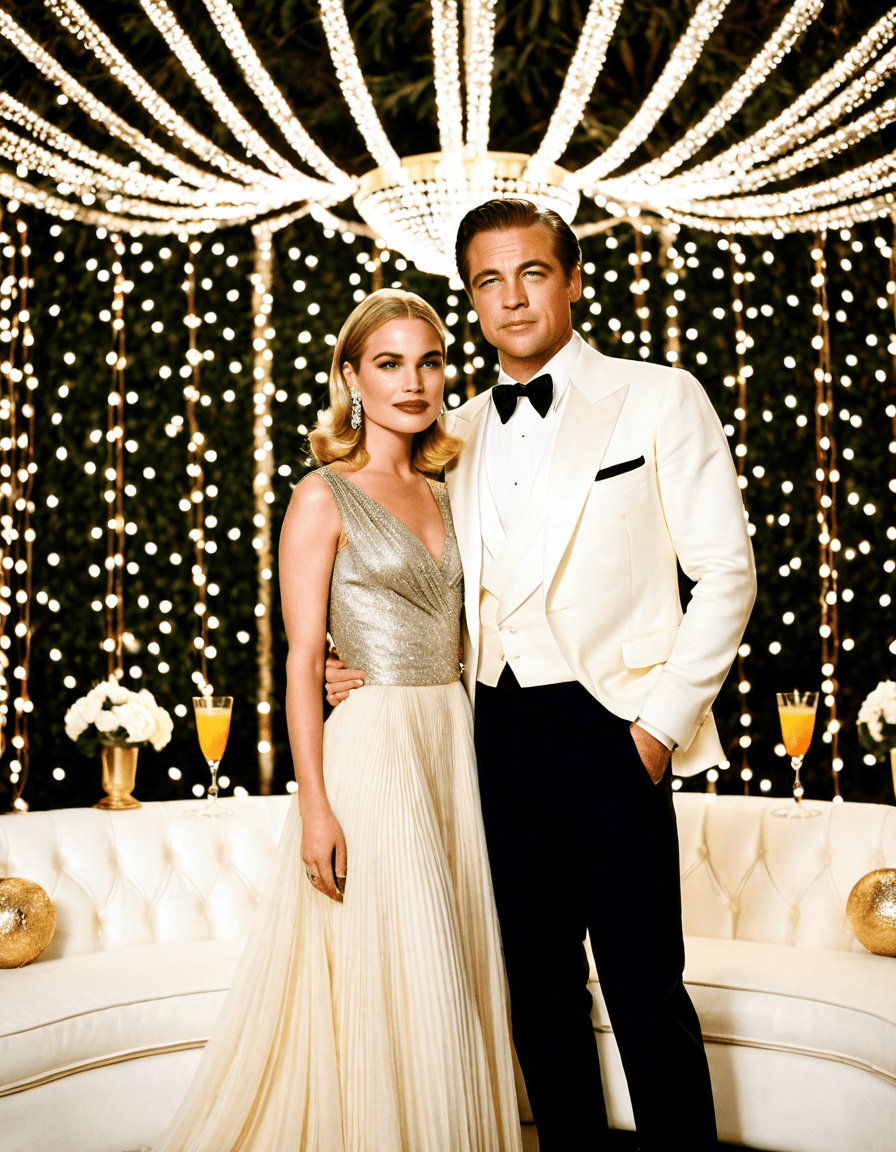
How Once Upon a Time in Hollywood Influences Modern Cinema
“Once Upon a Time in Hollywood” doesn’t just stay rooted in nostalgia; it challenges modern filmmakers to delve into cinematic history. The movie showcases how compelling storytelling, dazzling visuals, and retro aesthetics can inspire today’s narratives. It stirs a desire for exploration within artists, encouraging them to step outside traditional boundaries and re-examine age-old tales.
Tarantino has ignited a discussion that many creators are eager to engage in. Audiences are hungry for stories that push the envelope while still honoring the legs of cinematic heritage. “Once Upon a Time in Hollywood” serves as a reminder that revisiting the past can yield fruitful prospects for innovative storytelling.
Reflections on the Legacy: Once Upon a Time in America
The legacy of this film weaves itself into the fabric of cinema history. It creates threads that connect the golden age showcased in “Once Upon a Time in America” with the contemporary landscape we move through today. This connection underlines how storytelling evolves, echoing shifting American ideals and reframing \narratives through the years.
As time marches on, the essence of these relayed tales reflects our collective journey. The rich landscape of cinema shows us that while characters and settings change, the heart of storytelling remains.
The Cultural Significance of Celebrity in Once Upon a Time in Hollywood
The film encapsulates the intoxicating complexities of fame and its close association with the American dream. By focusing on the lives of actors in an industry often driven by superficiality, “Once Upon a Time in Hollywood” ventures into a deep exploration of celebrity culture. This grand spectacle embodies a tragedy, especially reflected in the short life of Sharon Tate, who became a poignant symbol amid Hollywood’s glittering facade.
The viewing experience offers a bittersweet reflection on the thin line that separates adoration from despair, provoking thoughts about our own aspirations and desires in the shadows of fame. It asks the hard questions about identity, authenticity, and what it means to chase a dream.
An Invitation to Revisit the Glamour
Ultimately, “Once Upon a Time in Hollywood” carries a multi-dimensional message about the intersections of glamour, nostalgia, and honesty in modern cinema. This film isn’t just a love letter to vintage Hollywood; it’s an invitation for us to delve into the evolution of storytelling itself. As audiences grapple with the complexities of identity and fame, Tarantino’s remarkable piece serves as a significant cultural artifact.
This intricate dialogue encourages viewers to analyze how we relate to past narratives. Let’s celebrate the allure of storytelling that sticks with us through the years. So, get cozy and dive into the world of “Once Upon a Time in Hollywood,” where dreams unfold and every frame sparks inspiration.
By engaging with the classic elements and relatable themes found in “Once Upon a Time in Hollywood,” we not only pay homage to vintage glamour but also explore how it shapes our current landscapes. The journey back does not demand a sacrifice of the present; instead, it offers a chance for reflection, learning, and potential growth. Grab your popcorn, sit back, and let the magic happen!
Once Upon a Time in Hollywood: Fun Trivia and Interesting Facts
A Journey Back in Time
“Once Upon a Time in Hollywood” brilliantly captures the essence of the late 1960s. Interestingly, the film’s title has a whimsical twist that invites audiences to a period tinged with glamour and nostalgia. Did you know that director Quentin Tarantino drew inspiration from a past era? The revival of vintage elements is so engaging that many fans couldn’t help but reminisce about iconic moments in pop culture, like those seen in productions such as Murdoch Mysteries. The nostalgia doesn’t end there; the flick also tantalizingly intertwines the love for music, with hints of songs you might also catch in the hits of Ellie Goulding or romantic tracks akin to a bolero.
Star-Studded Highlights
Valuable nuggets of information emerge when discussing the all-star cast. Leonardo DiCaprio and Brad Pitt aren’t just leading man material; they breathe life into the film with a dynamic camaraderie that is hard to miss. Speaking of collaborations, did you know that Leif Garrett, a teen idol in his own right, has mentioned the importance of friendships in Hollywood, just like the ones portrayed in the film? Moreover, the film’s visual style recreates the charm of the era with such finesse that viewers might find themselves hooked, wondering about upcoming films like Sonic The Hedgehog 3 Showtimes that could potentially resonate with this classic vibe.
Cultural Significance
Embedded within the script are subtle nods to real-life events, making it a reflective piece on the nature of Hollywood itself. The film showcases a time when the industry began changing dramatically, which resonates well with the present-day audience, especially those curious about Nguoi Viet culture and representation. Plus, if you’re keen on the little things, you’ll appreciate the precision in the details—from the carefully selected vintage furniture to the aesthetic choices that make this film a visual delight. The integration of popular phrases like Hala Madrid adds a fun touch, showing how interconnected pop culture is even across different continents! So, if you’re a movie lover or just someone fascinated by the glam of the past,Once Upon a Time in Hollywood” is more than just a film—it’s a celebration of an era.