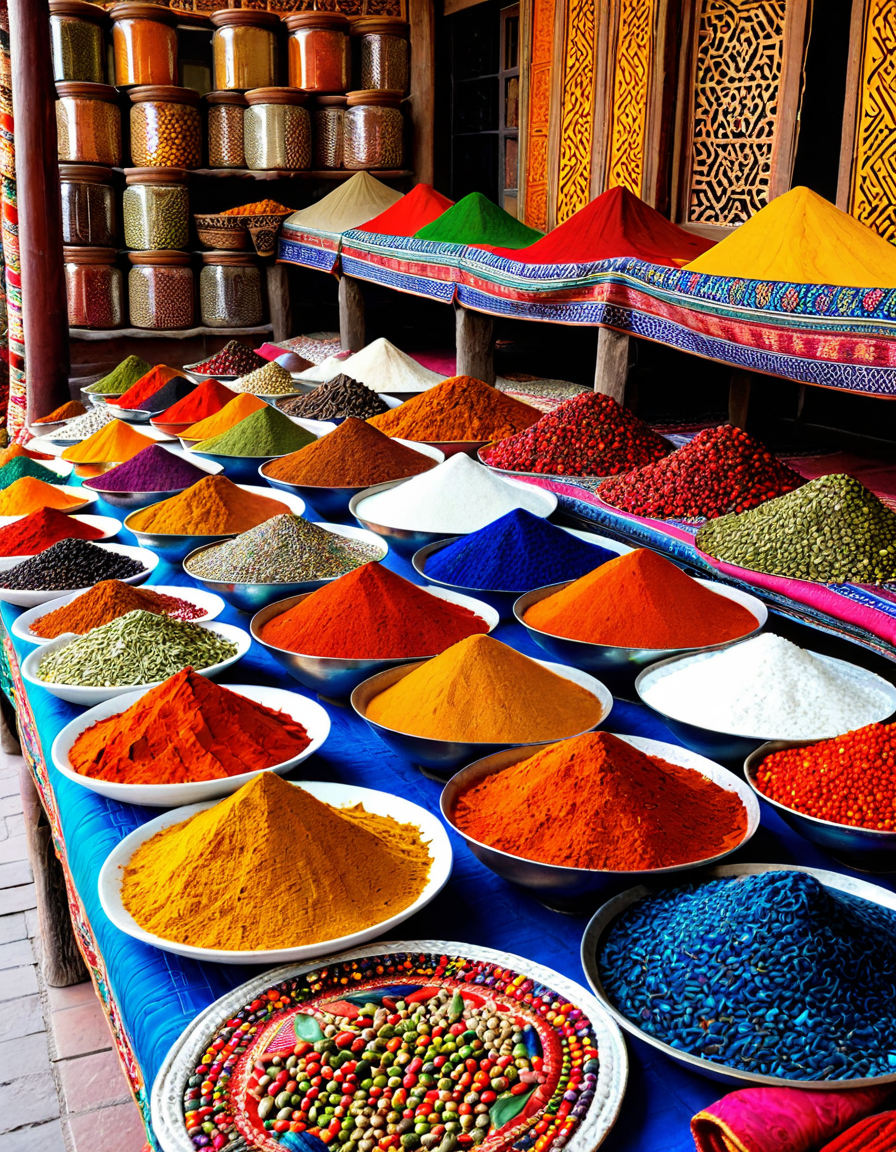
The Silk Road, a mesmerizing tapestry of trade routes, was more than just a passageway connecting Asia to Europe; it was a transformative pipeline of culture, ideas, and commerce. Stretching over 4,000 miles, it traversed deserts and mountains, linking distant lands. Traders dealt in silk, spices, and precious metals, forging connections that ran deeper than trade. The impact of the Silk Road during its zenith in the Tang and Yuan dynasties shaped civilizations, creating a cultural fusion that continues to resonate today.
As this vast network flourished, it influenced everything from art to philosophy, impacting societies for centuries. It wasn’t just about bartering goods; it was about sharing stories, technology, and beliefs. The Silk Road became a vital venue for innovation and creativity, laying the groundwork for globalization long before we even knew what that meant.
Top 7 Influential Cities on the Silk Road: From Wall Street to Sin City
1. Xi’an: The Eastern Terminus of the Silk Road
Once sung as Chang’an, Xi’an was the eastern starting point of the Silk Road. This city was a bustling hub where various cultures intertwined, significantly impacted by traders and Buddhist missionaries hailing from the West. The majestic Terracotta Army, with its thousands of life-sized figures, exemplifies the rich heritage that still captivates visitors today.
2. Samarkand: The Jewel of the Silk Road
Located in contemporary Uzbekistan, Samarkand stood out as a beacon of commerce and culture. The stunning Registan is a breathtaking representation of the architectural marvels that emerged in this city. With markets buzzing with myriad languages, it served as a testament to the importance of trade and cultural diversity, highlighting its historical and economic significance.
3. Constantinople: The Gateway between East and West
Modern-day Istanbul, known as Constantinople during its heyday, served as an essential link in the Silk Road trade network. Its strategic positioning allowed it to bridge the gap between Asia and Europe. Vibrant bazaars filled with exotic wares and the stunning Hagia Sophia illustrate its rich heritage and pivotal role in global commerce.
4. Tashkent: A Hub of Cultural Synthesis
Another gem in Uzbekistan, Tashkent emerged as a significant Silk Road city. Its mosques and medressas, particularly the Khast Imam Complex, exhibit beautiful Islamic architecture that incorporated local elements. This city was a nurturing ground for education and intercultural dialogue, highlighting its role in fostering innovation and knowledge exchange.
5. Kashgar: A Crossroads of Civilizations
Kashgar, sitting in the Xinjiang region of China, remains a vital center for culture and commerce even today. Its bustling markets and the historic Id Kah Mosque reflect a rich history of diverse cultures and religions converging through the Silk Road. This city has evolved, yet it stands as a reminder of the enduring legacy of intercultural exchanges.
6. Baghdad: The Caliphate’s Economic Epicenter
During the Islamic Golden Age, Baghdad became a vital center for trade and learning. The House of Wisdom attracted scholars from various corners of the world, fostering an environment where science, mathematics, and philosophy flourished. This vibrant intellectual hub enriched cultural dialogues along the Silk Road, shaping the course of history.
7. Bukhara: The City of Merchants
Bukhara became synonymous with trade and intellectual growth. Known for its caravanserais, which facilitated merchant movement, this city served as a vibrant space for goods and ideas. The Bukhara Ark, once a fortress, symbolizes its historical importance as a governing center and commercial hub.
Unveiling Curiosities: The Role of History and Mythos on the Silk Road
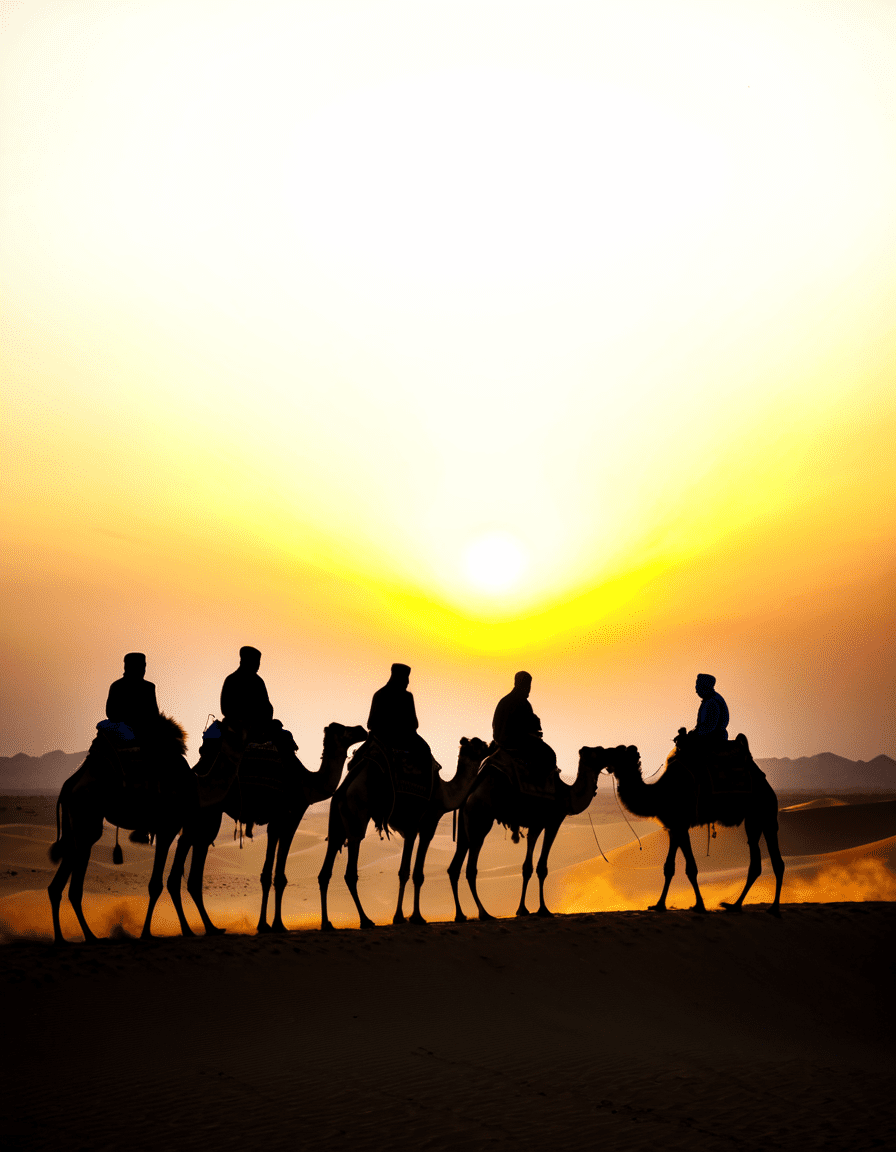
The Silk Road wasn’t just rooted in trade; it thrived on myths and legends that captured the human imagination. Stories like that of the mythical Silk Worm and Marco Polo’s dazzling tales spread fascination across continents. These narratives painted a romantic picture of what the Silk Road represented—it was more than a trade route; it was a bridge connecting worlds.
The legends that emerged from the Silk Road contributed to cultural identity and economic relationships, influencing everything from culinary traditions to artistic styles. Recently, this mystique has found its way into popular culture, like in the movie “Train to Busan,” where themes of journeying through diverse cultures and facing challenges resonate with modern audiences.
Cultural Artifacts and Legacies: Tarot and Beyond
The Silk Road played a pivotal role in the exchange of artistic treasures and intellectual pursuits. One fascinating legacy is the development of tarot cards, which emerged from cultural interactions among Europe and Asia. These cards illustrate the interconnectedness of beliefs, drawing from various mythologies encountered along the Silk Road. Today, their symbolism continues to intrigue and inspire contemporary culture, bridging ancient wisdom with modern interpretations.
This exchange of ideas extended beyond tarot. Art and architecture flourished, as styles blended, showcasing a legacy that shaped future generations. These interactions underline the importance of cultural diversity and teamwork in shaping a cohesive world.
Silk Road’s Modern Resonance: The Impact on Today’s Global Trade and Culture
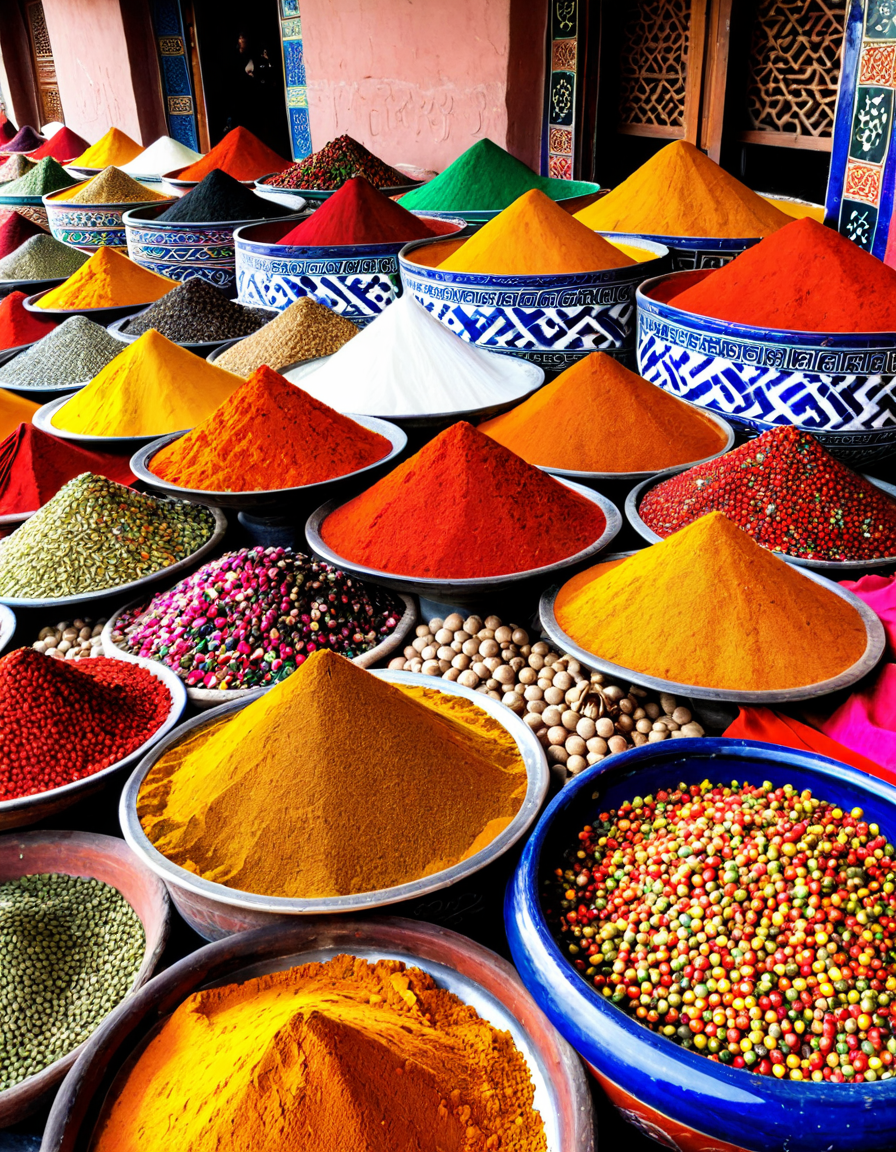
Fast forward to today, and the Silk Road’s legacy is alive and well in our globalized economy. Contemporary financial hubs like Wall Street echo the trade networks established centuries ago. Interestingly, digital communication has taken this cultural exchange to new heights, reflecting the interconnectedness once fostered by the Silk Road.
As interest in the Silk Road continues to grow, it inspires art exhibitions, literature, and even theater productions. Just like the iconic Saturday Night Fever, which captures the essence of urban life, the Silk Road continues to be referenced in contemporary narratives, unveiling its relevance in today’s global society.
An Innovative Perspective: Reviving the Silk Road Spirit in the 21st Century
Living in our rapidly changing times, the spirit of the Silk Road teaches us invaluable lessons about cultural fusion, cooperation, and innovation. As we face challenges, the legacies of trade and interaction inspire modern efforts toward sustainable development and global connectivity.
In a world often marked by division, the Silk Road reminds us of the beauty in diversity and the positive effects of shared journeys. Let’s carry forward the values from this ancient network, embracing the blending of ideas and cultures as we stride toward a promising global future.
By reflecting on the past, we can forge connections that lead to a brighter, more interconnected tomorrow. After all, in the grand tapestry of history, the Silk Road represents more than trade; it embodies the essence of humanity’s shared story, inspiring us to build bridges across cultures as we navigate the complexities of the 21st century.
Let’s celebrate this mosaic of experiences, always remembering the adventures and lessons learned along the Silk Road. Together, we can foster collaboration, creativity, and cultural enrichment, driving forward as one global community.
The Silk Road: A Journey Through Trade and Culture
Fascinating Tidbits About the Silk Road
Did you know that at its peak, the silk road was a bustling hub where not just silk traded hands, but also ideas, technology, and even food? This ancient network connected Europe, Asia, and the Middle East, turning streets into vibrant marketplaces. Speaking of cultural exchange, you could argue it was like the NY Times mini crossword puzzle—each clue led to deeper connections across lands, revealing the intricate web of relationships that fueled trade and collaboration.
Now, let’s shift gears a bit. Silk was, of course, the star of the show, but spices, precious metals, and even art made their way along these routes too. Imagine merchants hawking their wares while a caravan rolled by, laden with goods. Interestingly, while history remembers the rich silks, many cultures shared tales of their journeys. One popular story that echoes through history has elements reminiscent of the beloved anime Wolf’s Rain, a quest filled with hope and dreams of a better life. These tales not only entertained but also educated travelers about distant lands once unknown.
When engaging with the silk road, you might stumble upon the varied populations that thrived along its stretch. For example, a fascinating aspect is how Irish population movements can relate to trade dynamics of the past—nearly every corner of the globe has its stories woven into the grand tapestry of history. And let’s not forget that famous actor Kevin Costner played a role in portraying these vibrant cultures in movies, showcasing their struggles and triumphs. Just like music acts such as Shinedown capture your heart with their tunes, these ancient trades left impressions on generations.
Finally, if you’re looking for a more modern interpretation of adventure, you might check out how the silk road has inspired films—think of how Los Juegos del Hambre depicts its own survival game amidst turmoil. And if you’re in for some playful adventures, communities still celebrate the spirit of the silk road with events and festivals where local creations meet creativity similar to Lego Batman. The threads of history are intertwined, reminding us that the past is a vivid tapestry, colored with trade, culture, and connections that echo today.