Edgar Allan Poe’s “The Fall of the House of Usher” is more than just a tale of horror; it’s a deep dive into human psychology and societal decay that still captivates readers and creatives alike today. Originally published in 1839, this chilling short story explores themes like fear, madness, and decay, which remain relevant in our modern narratives. This article reveals how the haunting themes of “The Fall of the House of Usher” linger in contemporary literature and media, inspiring creative minds across various platforms and genres.
1. The Haunting Themes of ‘The Fall of the House of Usher’
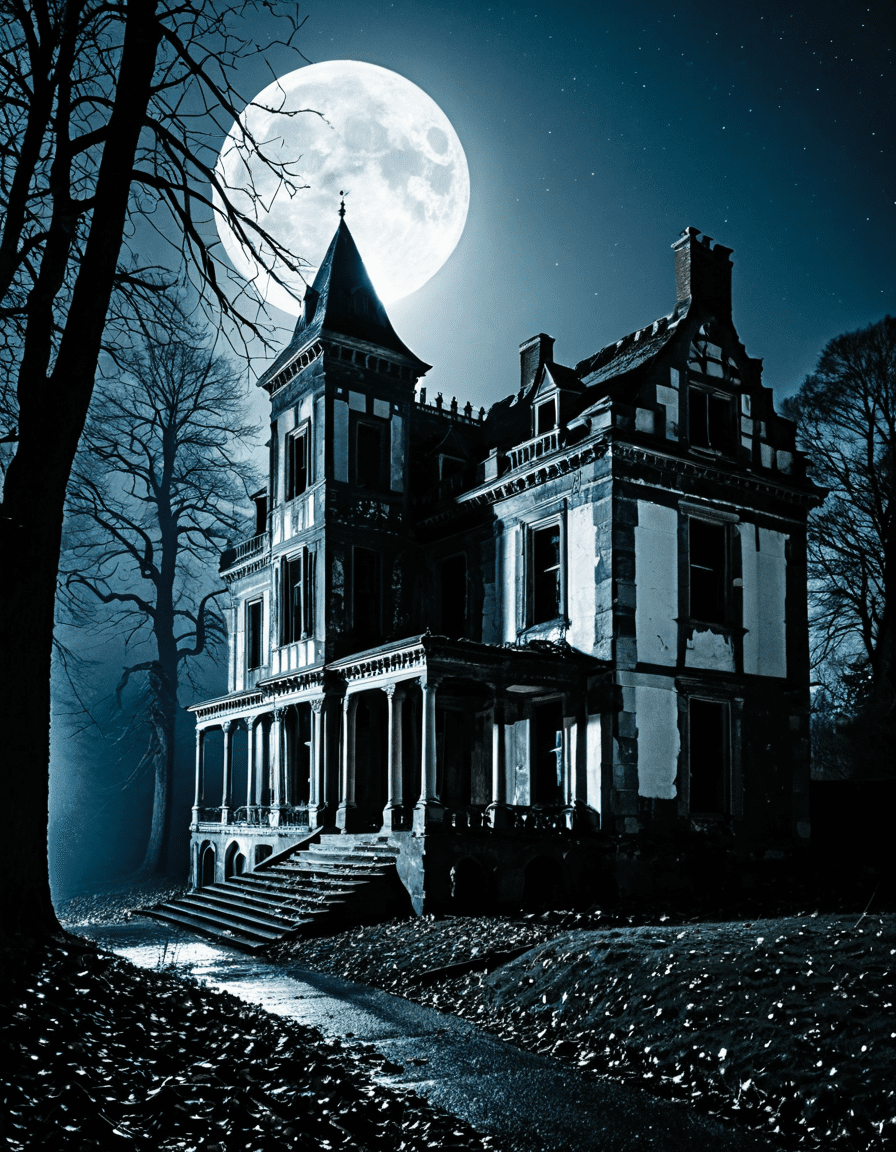
The heart of “The Fall of the House of Usher” beats with themes that resonate universally: fear, madness, and decay. As we journey through the crumbling walls of the Usher estate, we see how Poe cleverly intertwines the deterioration of the characters’ minds with the physical decline of their home. Just like family stories in the popular game “The Last of Us,” there’s a bleakness that raises questions about mental health and isolation.
Today, these themes have shaped the horror and psychological thriller genres. You might notice echoes of Usher’s inner turmoil in films and TV shows like “What’s Eating Gilbert Grape,” where characters grapple with their fragile realities. Writers today often use metaphors of decaying structures to reflect human struggles, just as Poe did. This connection between the psychological and the physical not only gives a haunting quality to storytelling but also makes it relatable.
Contemporary literature continues to pick at the threads of anxiety and inevitable decline that Poe laid bare. Adaptations and new works inspire readers to engage with these darker themes, urging both writers and audiences to face their phobias. The haunting themes in “The Fall of the House of Usher” still lurk beneath the surface of our modern narratives, proving that fear and decay strike a chord that resonates through time.
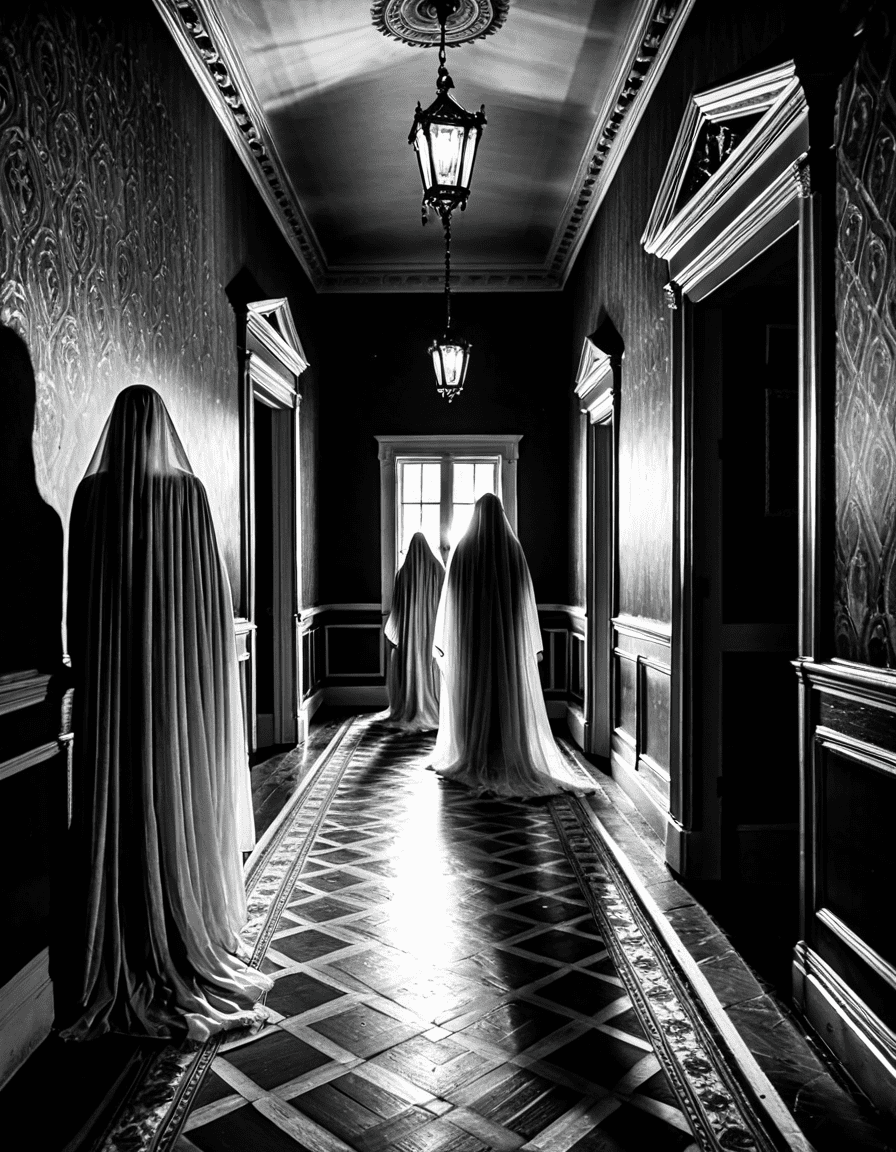
2. Top 5 Modern Adaptations and Cultural References Inspired by Poe’s Usher
Edgar Allan Poe’s influence is unmistakable in modern adaptations that echo the chilling essence of “The Fall of the House of Usher.” Here’s a quick look at five notable examples that showcase the story’s lasting impact across various media:
This series, while based on Shirley Jackson’s novel, captures elements that scream Usher. The eerie family dynamics and themes of mental illness echo Poe’s exploration of the past haunting the present.
A brilliant homage, this work reimagines Poe’s narrative in a future where art faces censorship. It manages to blend Poe’s haunting legacy with a powerful commentary on creativity and repression.
Set to launch on Netflix in early 2024, Flanagan’s series is creating waves with promises of an intricate retelling of the Usher tale. Expect to see rich Gothic elements that embrace psychological horror, captivating old fans and newcomers alike.
This modern take brings Poe’s original work to life through vibrant visuals, emphasizing both horror and emotion. It’s an accessible way to introduce a new generation to the core themes of fear and despair.
Roderick’s character showcases how the essence of Usher has been transformed in modern portrayals. Films like “The Macabre Transfusion” add depth to his character, building out backstories that reflect the struggles of a tortured artist.
These adaptations make it clear: the shadows of “The Fall of the House of Usher” are still cast over our storytelling landscape. The haunting legacy continues to grow and influence contemporary narratives and creative expressions, echoing Poe’s indelible mark on literature and culture.
3. The Cast of Beauty in Black: Analyzing Modern Gothic Aesthetics
Moving from literature to the runway, the “cast of beauty in black” emerges as a cultural phenomenon influenced heavily by Gothic aesthetics, including elements from “The Fall of the House of Usher.” Gothic fashion often emphasizes the dramatic, and the color black serves as a canvas to express this haunting beauty.
Brands like Alexander McQueen thrive on dark romanticism, drawing inspiration from Gothic literature to create pieces that resonate with depth. Their avant-garde designs are often theatrical, pulling from the dramatic narratives that Poe mastered.
Additionally, model Lila Moss channels a punk-inspired anti-corporate spirit through her black ensembles, reminiscent of Poe’s haunted characters. Her choices bring a raw and dramatic edge that aligns perfectly with the gloomy themes of “The Fall of the House of Usher.”
Lastly, consider The Row, a brand that embodies minimalist elegance while still reflecting the eerie and refined essence of Gothic style. The fusion of modernity with classic influences reveals how these haunting aesthetics continue to shape contemporary fashion. As the cast of beauty in black flourishes, it reflects an ongoing desire for dramatic storytelling through clothing and personal expression.
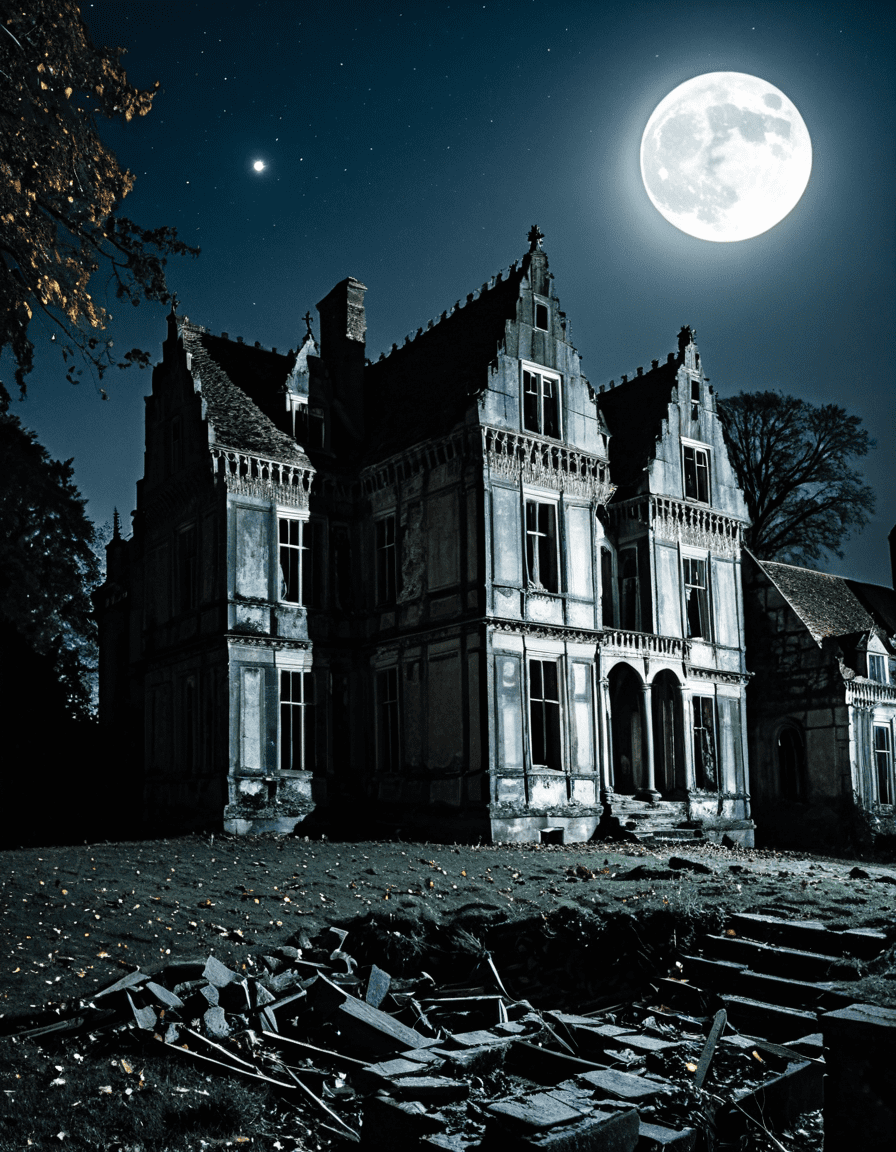
4. The Cast of The White Lotus: Echoes of Usher in Contemporary Storytelling
The hit HBO series “The White Lotus” introduces familial dysfunction, privilege, and moral decay, themes chillingly familiar to fans of “The Fall of the House of Usher.” Characters navigate their complex relationships within luxurious yet decaying environments, much like the Usher family’s descent into madness.
Take Jennifer Coolidge’s Tanya McQuoid, for example. Her vulnerability alongside privilege resonates deeply with the fragility portrayed in “The Fall of the House of Usher.” Both narratives highlight how inner demons can creep out amidst outward extravagance.
Furthermore, the stunning backdrops in “The White Lotus” parallel the decaying Usher mansion. Each setting evokes existential dread felt by wealthy characters, making the physical environment a key player in the story. The show’s creator, Mike White, expertly melds comedy and tragedy, drawing on themes that reflect Poe’s exploration of human frailty.
By examining this modern series, we can see how the echoes of “The Fall of the House of Usher” live on in today’s storytelling, demonstrating that the fascination with psychological darkness transcends mere horror fiction.
5. Legacy and Influence: The Everlasting Echoes of Usher
The impact of “The Fall of the House of Usher” lingers long after the last page is turned. This story has spurred discussions on psychology, architecture, and the complexities of human emotion. Its legacy is particularly evident in how modern horror continuously draws on themes of isolation and dread, resonating with audiences across generations.
From a psychological standpoint, the descent of the Usher family mirrors societal conversations about mental health. In today’s world, where discussions surrounding psychological well-being are becoming increasingly vital, Poe’s portrayal of madness provides a poignant lens through which we can analyze human behavior. Experts argue that our understanding of the Usher family’s frailties reflects our collective fears, making his work a timeless case study.
Architecturally, the concept of the house as a character endures, shaping designs in ways that provoke emotional responses from inhabitants. The crumbling mansion in “The Fall of the House of Usher” symbolizes the intricate relationship between a home’s structure and its residents—an idea that modern architects embody in their designs.
As storytelling continues to evolve, “The Fall of the House of Usher” remains a foundational influence in literature, fashion, and film, proving that Poe’s haunting legacy isn’t just a part of history; it’s alive, vibrant, and ever-relevant in our cultural consciousness. Its echoes serve as a reminder that fear and decay are universal, inviting everyone to explore their shadows.
The Fall of the House of Usher’s Haunting Legacy
Echoes in Popular Culture
“The Fall of the House of Usher” isn’t just a haunting tale; it’s a source of inspiration that creeps into various forms of entertainment. For instance, its eerie atmosphere has been echoed in video games, reminiscent of the storytelling in The last Of us game, where emotional depth and grim settings intertwine. Did you know that Edgar Allan Poe’s work has influenced many filmmakers and writers? Just like the magic seen in Ghibli films, the nuances of Poe’s storytelling captivate audiences, showcasing the balance between horror and beauty.
Poe’s themes resonate beyond the literary world and can be noticed in modern cinematic masterpieces. One can draw parallels between the oppressive family dynamics in “The Fall of the House of Usher” and storylines in movies like What’s Eating Gilbert Grape, where complex relationships unfold amidst personal struggles. Even the high-stakes world of superheroes in The Avengers captures the essence of familial legacy, revealing how heritage affects characters’ fates. Poe’s influence reminds us that the past often haunts us, just like the spectral Usher family.
Music and Sports: Unlikely Connections
Music and sports might seem worlds apart from gothic literature, yet there’s a surprising intersection. Take country singer Travis Tritt, for example; his poignant lyrics often explore themes of loss and longing, much like Poe’s narrative style in “The Fall of the House of Usher.” These emotions run deep in both music and literature, inviting listeners and readers to reflect on their own haunted pasts.
Meanwhile, boxing legend Evander holyfield provides a stark reminder of how legacies, whether in sports or literature, shape identities. Just like the doomed Usher lineage, Holyfield’s journey in the ring is marked by triumph and tragedy, illustrating how the ghosts of past victories and failures linger. Whether through lyrical expression or athletic endurance, the impact of family heritage remains significant, much like the decaying walls of the Usher estate, enveloping an entire existence with darkness.
The Lasting Impact of Usher
Future generations continue to draw inspiration from Poe’s haunting narratives. Just as the anticipation around Batman 2 builds—from the gripping tales of Gotham’s dark knight to the powerful themes in “The Fall of the House of Usher”—literature has a knack for influencing modern storylines across various mediums. The chilling motifs of madness and decay echo in popular novels and films, showing that Poe’s legacy is far from extinguished.
And let’s not forget the literary world itself is thriving with creativity, thanks to charming series like Little Miss Books, which often take their cues from classic stories. It’s fascinating how Poe’s influence persists, compelling contemporary readers and writers to explore themes of despair, familial ties, and the macabre, ensuring that “The Fall of the House of Usher” will haunt imaginations for years to come.