The Legacy of Bette Davis in Film History
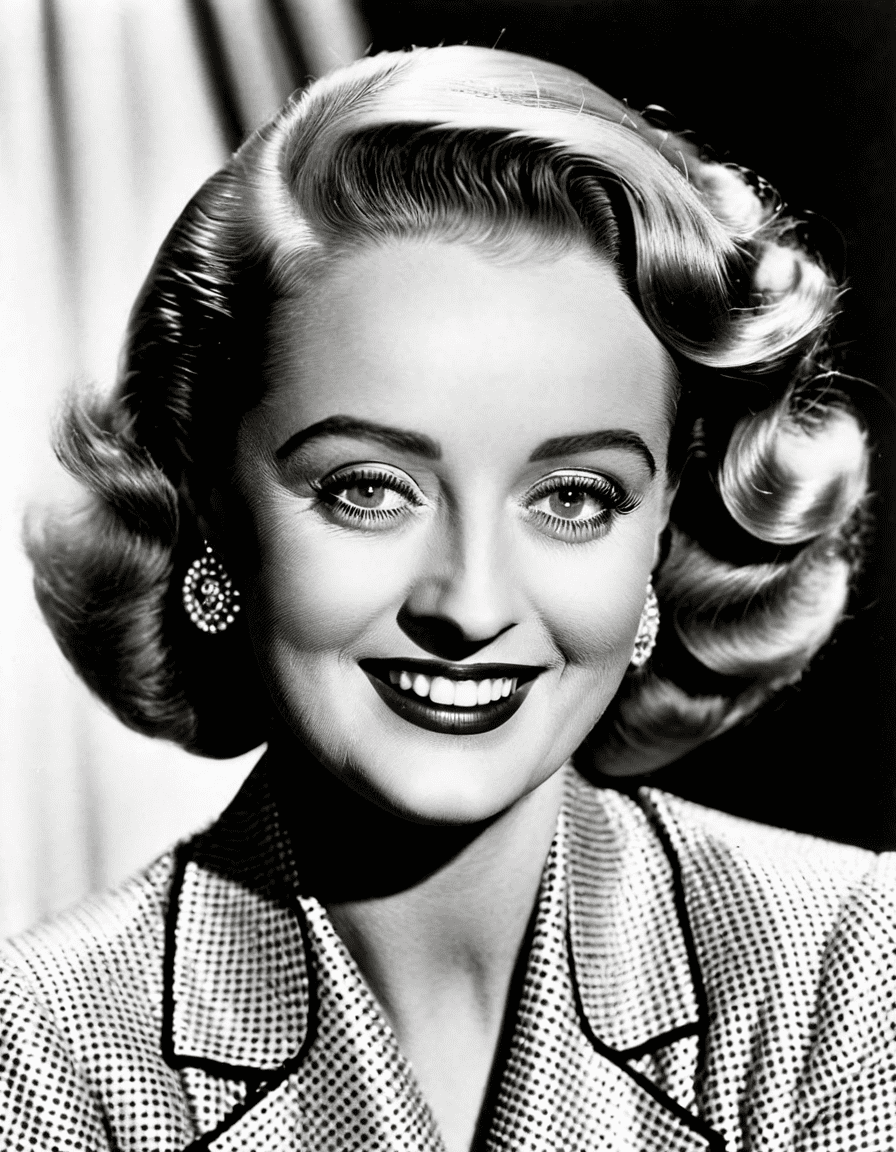
Bette Davis is, without doubt, one of the most revered actresses in Hollywood. Her fierce persona, remarkable talent, and groundbreaking performances have left an indelible mark on the film industry. Bette Davis didn’t just act; she reshaped the very way women are portrayed in movies. This kind of influence helped pave the way for future generations of actresses, including Geena Davis and Hilary Swank, as well as contemporary stars like Mila Kunis and Marianne Faithfull. So, what is it about Bette Davis that continues to inspire and resonate with audiences today? Well, to answer that, we need to look closely at the roles that defined her career while transforming cinematic storytelling.
Bette Davis dove deep into her characters, often portraying complex women who broke free from the traditional molds of femininity. From the powerful Margo Channing in “All About Eve” to the ambitious and manipulative Regina Giddens in “The Little Foxes,” Davis’s characters were multi-dimensional and authentic. Her performances not only reflected the societal issues of their time but also challenged the status quo in ways that continue to inspire filmmakers and actresses alike. With her unwavering commitment to her craft, Bette Davis raised the bar for female representation in film, making it crucial for today’s storytellers to portray authentic female experiences that resonate with audiences.
Davis’s roles resonate not only due to her performances but also due to the themes they explore: ambition, identity, and resilience. Each role challenged societal norms, encouraging both viewers and future filmmakers to push the boundaries of character development. As we examine the leading roles that changed the course of cinema, it becomes clear that Bette Davis was far more than an actress—she was a trailblazer whose influence is evident in the work of today’s leading ladies.
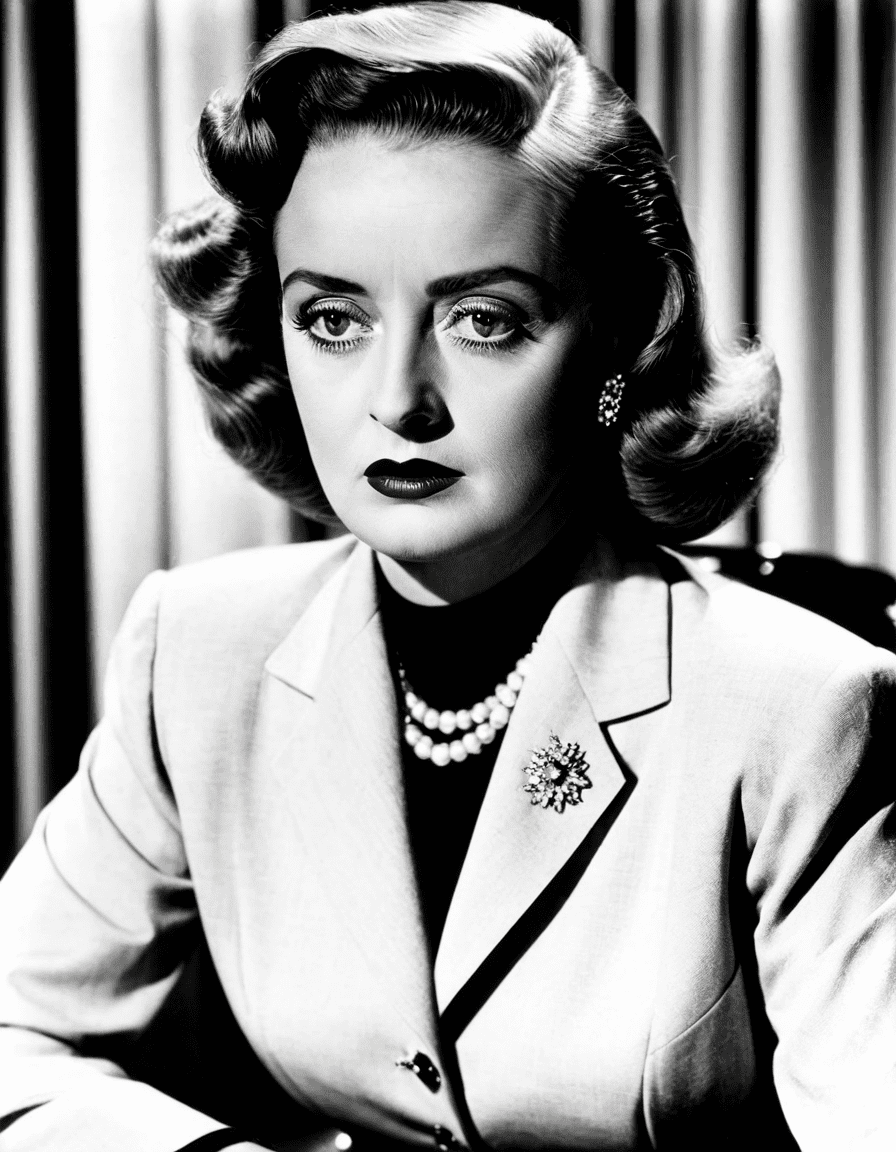
Top 7 Bette Davis Roles That Changed Hollywood Forever
1. Margo Channing in “All About Eve” (1950)
Who can forget Margo Channing? In one of her most iconic roles, Bette Davis portrayed a celebrated actress wrestling with the harsh truths of aging and ambition in Hollywood. Not your typical blonde bombshell, Margo’s complexity challenged what it meant to be a woman in the industry. This role established her as a symbol of empowerment, inspiring future stars like Hilary Swank, who have tackled strong female leads that navigate the complexities of fame and success.
Margo’s struggle against the tides of youth subtly invites audiences to confront their bias about aging and beauty. She reminds us that real strength lies in vulnerability—a lesson that remains relevant for women in Hollywood and beyond. Davis’s portrayal encourages viewers to empathize with women who are grappling with their identity and place in a competitive world.
2. Regina Giddens in “The Little Foxes” (1941)
In “The Little Foxes,” Bette Davis embodied Regina Giddens, a manipulative Southern belle who would stop at nothing to gain wealth and power. This role is a masterclass in ambition and moral complexity, showcasing a character whose ruthless tactics echo in the performances of later actresses, like Geena Davis, who have depicted themes of female agency. Regina’s journey highlights the difficulties faced by women striving to gain control in a male-dominated society.
Regina’s character serves as a cautionary tale about the extreme lengths one might go to achieve their dreams. She showcases a brand of villainy that isn’t just evil for evil’s sake; it stems from a desire for independence and recognition. This fine line between victim and villain is one that today’s actresses still explore, making Regina a timeless study in character depth.
3. Jane Harrington in “Now, Voyager” (1942)
As Jane Harrington, Bette Davis painted a poignant portrait of the journey toward self-identity and liberation. This role pushed aside traditional portrayals of women as mere romantic interests or victims. Instead, Jane evolves from a repressed daughter into a confident individual, breaking free from her past. Many modern actresses, including Mila Kunis and Marianne Faithfull, have taken on roles that challenge societal conventions, much like Jane.
The film’s exploration of emotional and psychological freedom resonates even today, providing a road map for personal growth. Davis’s ability to express deep emotional turmoil in her performances encouraged and inspired a generation of women to own their stories and find strength within their vulnerabilities.
4. Mildred Pierce in “Mildred Pierce” (1945)
Bette Davis’s portrayal of a struggling single mother in “Mildred Pierce” changed the way motherhood was viewed in cinema. This role highlighted the drama, resilience, and tragedy that comes with raising children solo. The multi-layered narrative offered a rare glimpse into the complexities of maternal sacrifice, paving the way for future narratives around motherhood. Actresses like Geena Davis and Hilary Swank have since explored multifaceted maternal roles, echoing the challenges faced by modern women.
Mildred’s journey is not just a story of despair; it’s a tale of strength and empowerment that resonates with women everywhere. Her struggle to provide for her children amid societal obstacles tells us that vulnerability is not a weakness but often a byproduct of unconditional love and sacrifice. Bette Davis’s performance reminds us that real strength can often come in the quietest moments.
5. Miriam Hastings in “A Stolen Life” (1946)
In “A Stolen Life,” Bette Davis showcased her remarkable versatility by playing twins with contrasting personalities. This film’s exploration of identity and duality not only entertained but also opened doors for complex narratives surrounding self-perception. Today, actors like Mila Kunis often oscillate between different societal personas, much like Davis’s twins in this film, revealing the multifaceted nature of identity.
Davis’s commanding performance allows viewers to experience the emotional turmoil that accompanies living in a world of dichotomies. The film beautifully juxtaposes innocence with ruthlessness, much like the complex character arcs we see today. This duality continues to inspire artists to explore real-life issues of identity and self-acceptance in captivating ways.
6. Charlotte Vale in “Now, Voyager” (1942)
In her second appearance in “Now, Voyager,” Bette Davis took on the role of Charlotte Vale to shine a light on mental health. The film marked a pivotal moment in cinematic history, confronting issues of emotional struggle and resilience. By showcasing Charlotte’s quest for freedom from her oppressive circumstances, Davis’s performance challenged the conventional narratives surrounding female characters.
Her portrayal is a testimony to the emotional depth that women can embody on screen. The film’s willingness to delve into mental health themes has resonated with audiences for decades and influenced modern stories. Actresses like Hilary Swank, who bring their characters through terribly challenging personal journeys, continue to pay homage to the pioneering efforts of actresses like Davis.
7. Bette Davis in “Jezebel” (1938)
In “Jezebel,” Bette Davis portrayed Julie Marsden, a woman who dares to defy societal norms in a pre-Civil War setting. This complex character highlighted women’s struggles against social constraints, a theme that’s still prevalent today and echoed in the works of actresses like Marianne Faithfull. Davis’s nuanced performance solidified her status as a feminist icon.
Her character’s defiance serves as a rallying cry for women everywhere, challenging them to confront and dismantle the barriers that restrict them. She didn’t just play a role; she sparked conversations about women’s autonomy and strength. Bette Davis’s legacy as a trailblazer continues to inspire actresses to take on assertive roles that reshape perceptions of femininity in cinema.
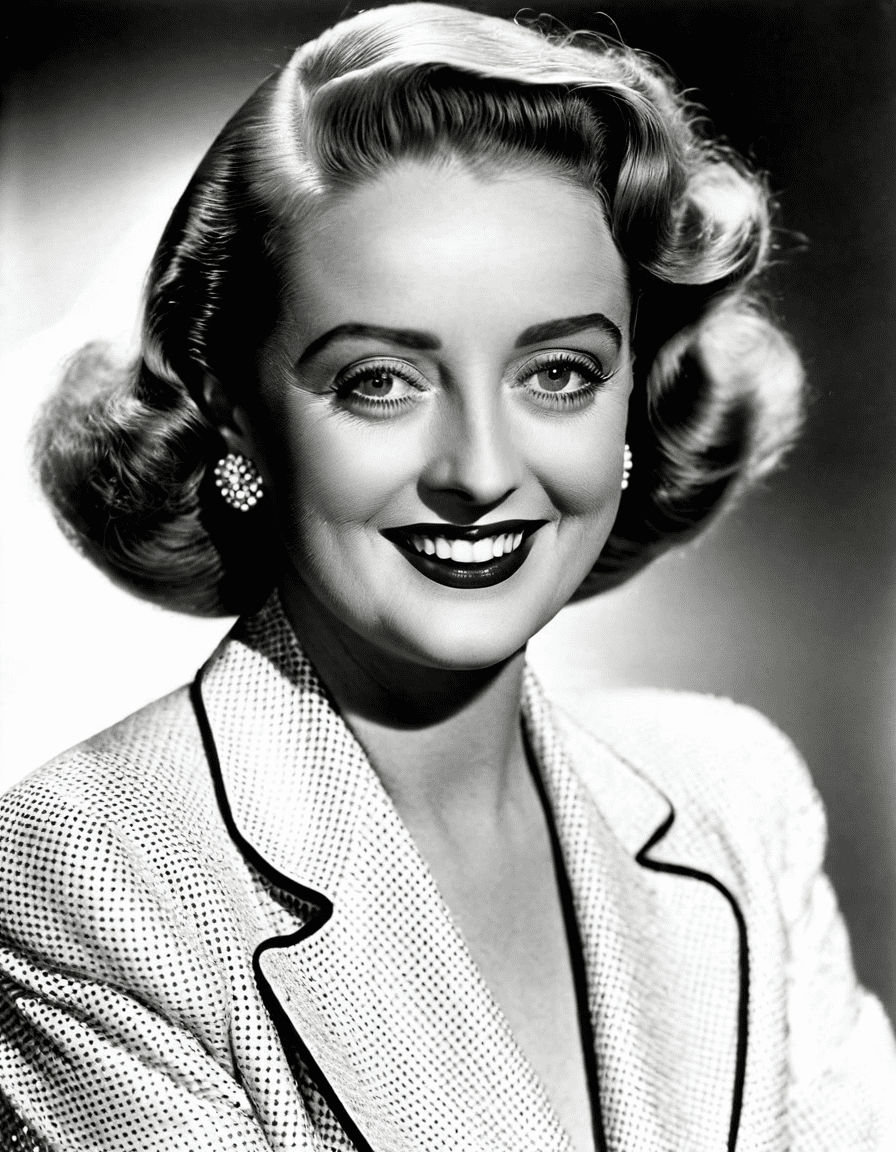
Reflecting on Bette Davis’s Influence on Modern Cinema
Bette Davis’s contributions to the world of film go far beyond her tenure. Her influence is visible in the performances of modern actresses like Geena Davis, Hilary Swank, Mila Kunis, and Marianne Faithfull, all of whom draw inspiration from her trailblazing legacy. Today’s actresses owe much of their careers to the doors she opened, reinforcing the importance of authentic storytelling and representation in their craft.
Her legacy serves as a continuous reminder that the stories we tell about women have evolved, with Davis’s revolutionary performances serving as a touchstone for progress in how women are depicted on screen. As filmmakers embrace deeper storytelling and complex characters, they hark back to the seeds sown by Bette Davis.
Ultimately, Bette Davis revolutionized Hollywood—even collectively, her iconic roles did more than entertain; they challenged audiences to think critically about gender, identity, and empowerment. The conversations she ignited carry over into today’s cultural landscape, pushing us as a society to continue the quest for authentic representation. As we embrace the evolving nature of cinema, Bette Davis reminds us that true transformation starts with bold storytelling and the courage to portray the complexities of the human experience.
Bette Davis: The Trailblazer of Hollywood
A Legacy of Grit and Glamour
Bette Davis, one of Hollywood’s most iconic actresses, didn’t just act; she shaped the industry with her fierce performances. She was often labeled as the first “star” of the talkies, and her indomitable spirit changed how women were portrayed on screen. Did you know she was a pioneer in defying typical beauty standards? Unlike many actresses of her time, who adhered to conventional looks, Bette embraced her uniqueness, a trait that mirrors the unexpected twists seen in films like Alien Vs Predator. Just as that franchise revived the sci-fi horror genre, Davis revived strong, complex female characters that audiences hadn’t seen before.
The Behind-the-Scenes Icon
When Bette Davis took on a role, she didn’t just act; she transformed herself into her characters. She famously said, “If you aren’t acting, you might as well be in a crumby movie like Sex Drive.” Her drive for authenticity could be likened to how comedians like the cast of Monty Python approached their sketches—pushing boundaries and redefining humor in their own way. It’s this fearless attitude that resonated, leading to blockbuster films that are still celebrated today. Moreover, her fierce loyalty to her craft led to collaborations with other legendary talents, including Charles S. Dutton, who once mentioned how Davis inspired future generations by standing up for her beliefs and choices.
Style That Speaks Volumes
Bette Davis wasn’t just an actress; she was a fashion icon, leaving a lasting mark with her distinct style. Iconic for her bold choices, she often wore small hoop Earrings that perfectly complemented her strong persona. These subtle yet striking accessories continue to influence fashion today, much like the sports world adapts new styles each season, as seen with the Cleveland Cavaliers basketball schedule revealing not only game dates but also potential fashion statements on the court. While Bette Davis was known for taking on roles that showcased her emotional range, her fashion choices were equally powerful, helping cement her as a true cultural icon.
In a nutshell, Bette Davis undeniably changed Hollywood forever, and her impact continues to inspire performers and fans alike. From her unforgettable performances to her unique sense of style, she remains a symbol of tenacity and talent that keeps audiences captivated even decades later.