1. The Handmaids Tale as a Cultural Touchstone for Feminism
Since its publication in 1985, The Handmaid’s Tale by Margaret Atwood has become more than just a book; it’s a cultural phenomenon. Set in a totalitarian regime where women’s rights are stripped away, the novel shines a harsh light on issues like reproductive rights and authoritarianism. It’s no wonder that social movements have rallied around its themes, weaving its narrative into the fabric of contemporary feminism.
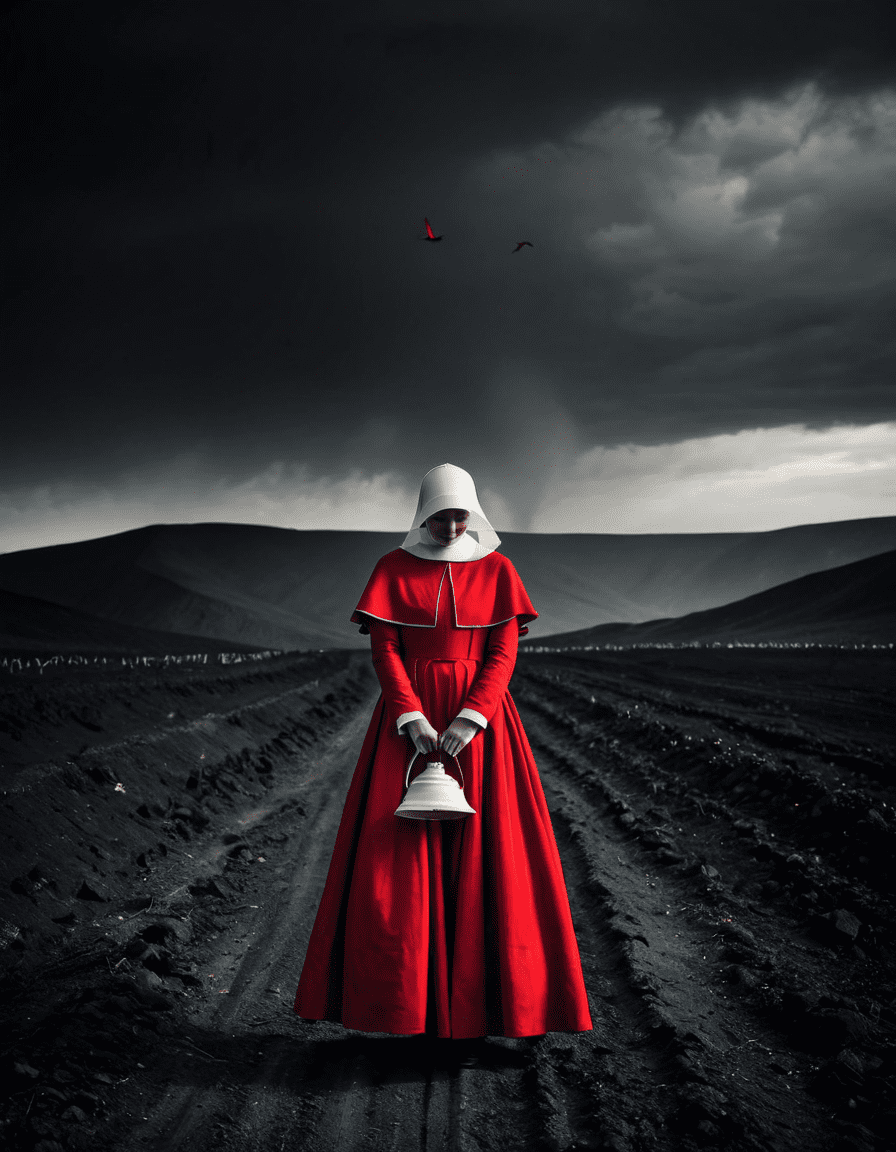
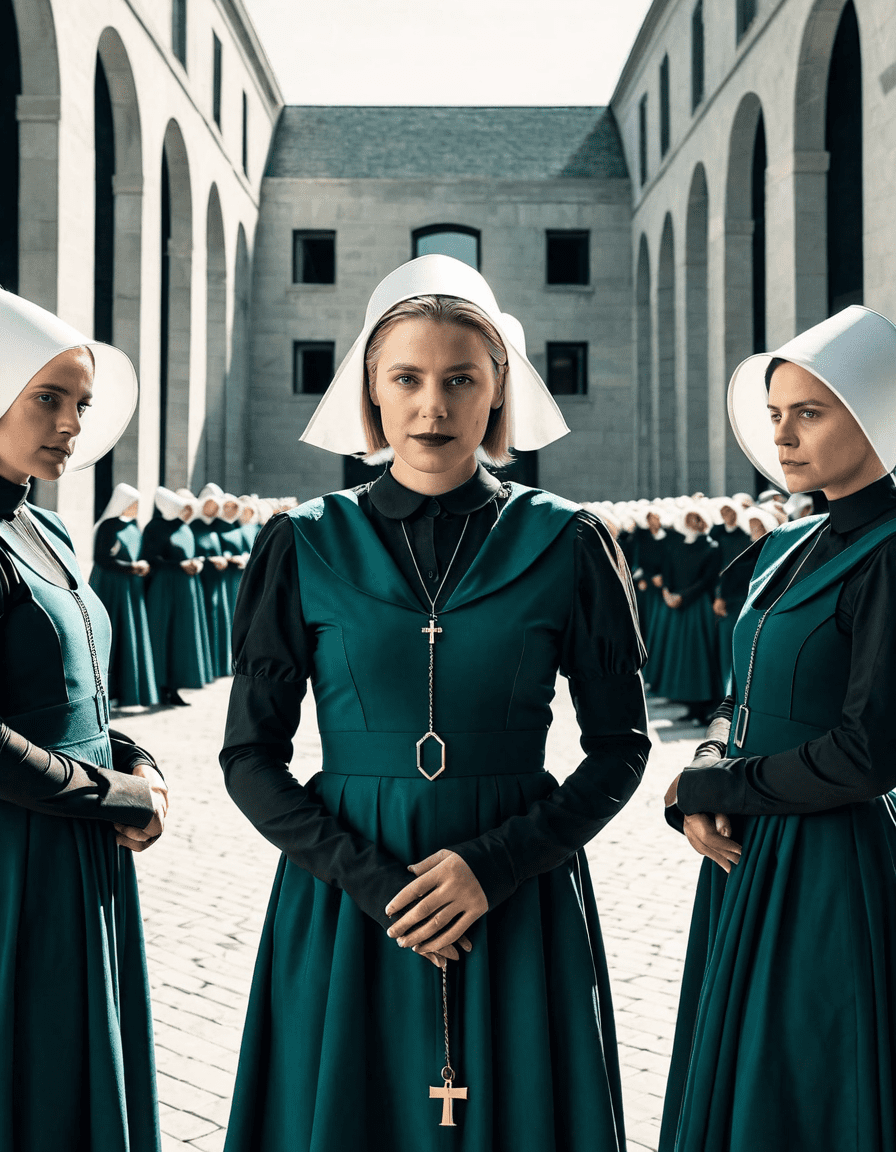
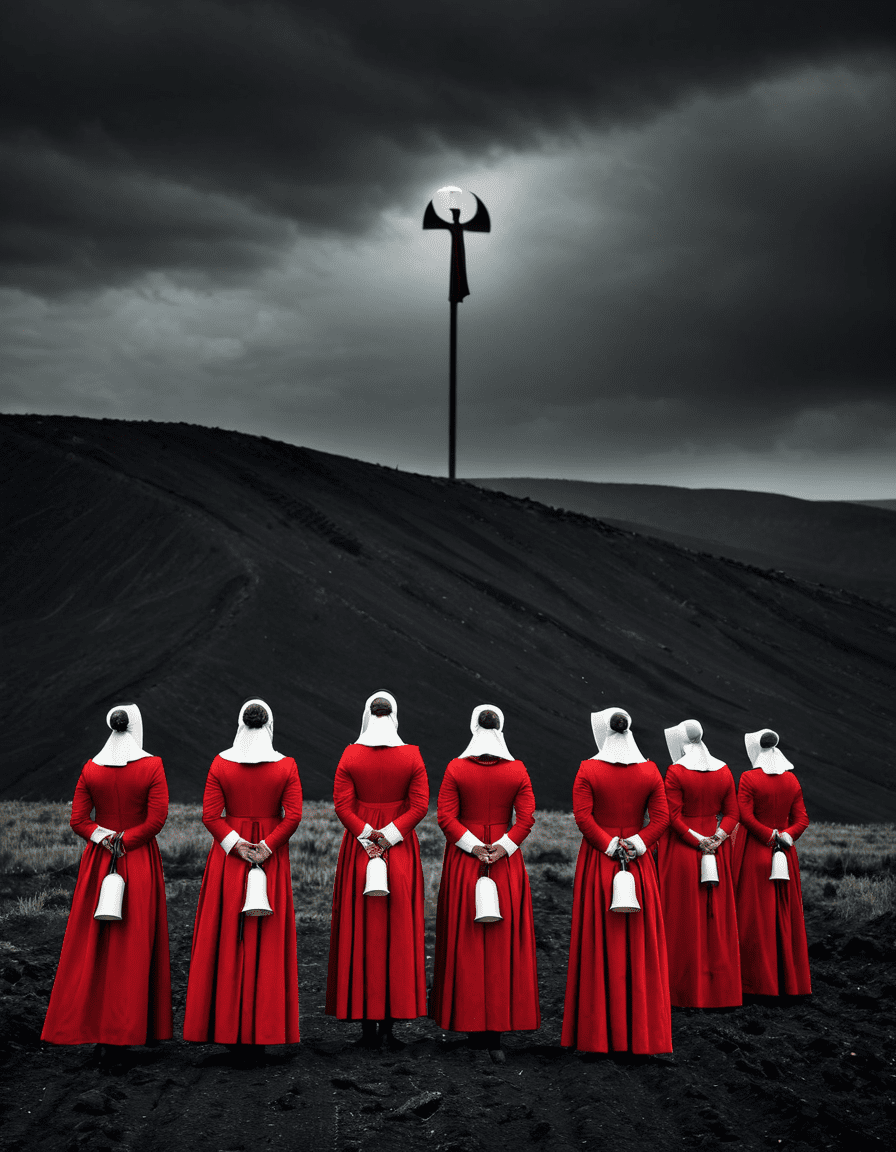
You see, The Handmaid’s Tale resonates because it’s a stark reminder of what can happen when vigilance fades. The Women’s March, for example, saw participants donning red cloaks and white bonnets, a striking visual nod to Atwood’s fictional world. Such powerful imagery ignites conversation, reminding us that activism can rise through art.
Moreover, the success of the Hulu adaptation has pushed the book into mainstream culture. With its gripping storytelling and bold visuals, the show brings Atwood’s foreboding narrative into our living rooms. This adaptation reinforces the timely relevance of the themes, making The Handmaid’s Tale a springboard for real-world discussion about women’s rights in 2026.
2. Top 7 Influential Representations of Handmaids in Modern Media
When it comes to The Handmaid’s Tale, the ripple effect in modern media is immense. Here are seven notable representations that further showcase its impact:
1. HBO’s The Handmaid’s Tale Series
This adaptation has struck a chord with audiences, making the oppressive reality of Gilead palpable. It’s gripping, it’s emotional, and it hits home. The show’s creative direction, combined with its timely release, showcases the dire implications of gender oppression.
2. The Testaments
Margaret Atwood’s sequel to the original book continues the story, introducing new characters while portraying themes of female empowerment. Here, we witness resistance brewing in the shadows. It’s a fascinating exploration of hope against Gilead’s darkness.
3. The Handmaid’s Tale Merchandise
From T-shirts emblazoned with powerful quotes to jewelry mimicking the iconic red dresses, the explosion of merchandise shows the cultural saturation of the series. Fans purchase these items as a form of expression, standing in solidarity with the narrative.
4. Activism Groups and Art Collaboratives
Organizations like “The Handmaid’s Tale Protest” creatively leverage imagery from the novel to emphasize the urgency of reproductive rights. They use performance art to engage the public, proving how art can become a battleground for activism.
5. A Handmaid’s Tale Operatic Adaptation
Composed by Poul Ruders, this unique adaptation of the story introduces Gilead’s narrative to operatic audiences, creating an unexpected but powerful intersection of art forms. It brings new layers to Atwood’s themes, turning the chilling story into a haunting musical experience.
6. Fashion Brands Influenced by Gilead
High-profile fashion brands have incorporated motifs from The Handmaid’s Tale into their collections. This commercialization raises debates about how fashion can reflect, challenge, or even undermine feminist ideals while sparking a captivating dialogue.
7. Academic Discourses and Studies
Scholarly articles exploring The Handmaid’s Tale continue to emerge, analyzing its implications for autonomy and identity today. These discussions reveal how the book remains a relevant foundation for understanding power structures in contemporary society.
3. Examining the Societal Impact of the Handmaids Tale’s Themes in 2026
Fast forward to 2026, and the echoes of The Handmaid’s Tale resound loudly in our sociopolitical discussions. The ongoing debates about individual rights versus state control reflect the chilling cautionary themes Atwood warned us about.
The rise of authoritarian regimes globally only heightens the importance of Atwood’s narrative. In regions where women’s rights are facing regressions—like some areas within the United States or Afghanistan—the need for activism becomes even clearer. The implications of community displacement underscore why we must remain vigilant.
Current feminist movements draw direct parallels to the novel’s pressing themes. Grassroots activists are rising in response to the threats against women’s freedoms worldwide. Their energy—fueled by inspiration from The Handmaid’s Tale—drives essential conversations on rights and freedoms to the forefront.
Innovative Wrap-Up: Crafting a Future Beyond Gilead’s Shadow
As we grapple with our politically charged landscape in 2026, The Handmaid’s Tale serves as both a warning and a motivational blueprint. It reminds us to stay alert and proactive against threats to freedom. Atwood’s poignant storytelling has provoked discussions that inspire action.
The journey isn’t just about avoiding the specter of Gilead; it’s about championing a narrative that promotes autonomy for all individuals. The Handmaid’s Tale shows us that while shadows of oppression loom, the potential for change lies in our hands. Let’s shape a future that embodies equality, empowerment, and justice for everyone. Stay energized, stay informed, and keep the conversation going!
Handmaids Tale: Infamous Role in Dystopian Society
A Closer Look at the Handmaids Tale
Ever since its debut, The Handmaid’s Tale has gripped audiences with its dark vision of a totalitarian regime, and its cultural impact is nothing short of profound. One interesting tidbit is how the show’s unique aesthetic and thematic depth have drawn comparisons to classics in film history, much like the innovative works of Stanley Kubrick that reshaped sci-fi cinema. These connections not only highlight the show’s artistic roots but also resonate with viewers who appreciate this kind of layered storytelling.
Speaking of storytelling, did you know that The Handmaid’s Tale garnered the attention of many notable actors, including Peter Strauss, who may not have had a role in the show, but symbolizes the kind of talent that defines the genre? The blend of literary adaptation and staging has resulted in a thought-provoking exploration of women’s rights, making the narrative both topical and timeless. Just as Robin Hood stood against societal injustices, the characters in Handmaid’s Tale fight a system designed to control them.
The Cultural Impact and Trivia
The Handmaid’s Tale isn’t just a show; it’s a cultural phenomenon that continues to engage audiences in discussions about freedom and autonomy. Many fans joke that it offers a glimpse into some of the worst lifestyle diseases of society—like apathy and conformity—drawing parallels to contemporary issues that remain relevant today. Ironically enough, these themes can be just as gripping as reality shows, like the ever-popular America ‘s Got Talent Winners who challenge norms through their artistic expressions.
The show’s influence also extends beyond television screens to settings as grand as sports venues like the Santiago Bernabeu stadium, where discussions about social justice gain traction during games. Trivia pop-ups often reference how certain story elements echo historical figures, including the enigmatic Jfk Jr., whose legacy sparks conversations about leadership and societal aspirations. These connections help maintain the relevance of The Handmaid’s Tale, proving that the fight for rights is far from over.
Behind the Scenes and More Fascination
An intriguing fact about the production is how the creators sought to intertwine realism with dramatic tension, similar to how Valentina Victoria approaches her projects, blending art with powerful storytelling. As viewers delve deeper, they can’t help but reflect on the parallels in our own lives, especially highlighted during interviews on Cbs Sunday Morning that touch on themes directly related to the show’s ethos. It’s a stunning reminder that while the narrative is fiction, its core message about choice and liberty is painfully real.
In conclusion, The Handmaid’s Tale not only entertains but educates, weaving a narrative that encourages reflection on societal values. Through clever trivia, historical parallels, and poignant messages, it ignites discussions that go far beyond the screen—a testament to its lasting impact on modern media and consciousness.