Martin Scorsese’s filmography stands as a monumental testament to the evolution of American cinema. With over fifty years in the industry, Scorsese has redefined storytelling through innovative cinematography and powerful narratives. His films don’t just entertain; they influence and inspire countless filmmakers and audiences alike. Scorsese’s ability to tackle themes of morality, violence, and the human condition has certainly mastered the art of filmmaking and forever changed our understanding of narrative potential.
Scorsese built his reputation on powerful visuals, intricate characters, and profound reflections on life. Every film he directs isn’t just a story; it’s an experience that resonates deeply. His work showcases his dedication to exploring humanity’s darker corners and celebrating its resilience, reflecting insights akin to those found in the meditative teachings of Marcus Aurelius. It’s no wonder that aspiring directors often look to Scorsese’s filmography as a blueprint for success.
## Martin Scorsese Filmography: A Journey Through Cinema’s Masterpieces
Here’s a look at seven of Scorsese’s greatest cinematic achievements, each packed with its own unique flair.
No exploration of Scorsese’s work would be complete without Taxi Driver. This film portrays the disillusionment following the Vietnam War through protagonist Travis Bickle. Scorsese captures loneliness and social alienation in a haunting manner, supported brilliantly by Bernard Herrmann’s iconic score.
Often hailed as the quintessential gangster film, Goodfellas is a whirlwind tour through the rise and fall of Henry Hill. Scorsese’s storytelling invites audiences to experience mob life firsthand. This immersive approach makes it a benchmark for future crime dramas to follow.
Raging Bull is a biographical film on boxer Jake LaMotta, offering a poignant examination of rage and redemption. Scorsese, along with cinematographer Michael Chapman, created visually striking black-and-white sequences, emphasizing the film’s dramatic depth.
Scorsese returns to the gangster genre in The Irishman, but this time with a reflective twist on aging and mortality. The film’s use of cutting-edge de-aging technology sparked discussions about representation in cinema. It’s a reminder of how storytelling evolves with technology.
Scorsese made his mark with Mean Streets, a semi-autobiographical tale steeped in the crime-ridden areas of Little Italy. Featuring an early collaboration with Robert De Niro, it displays Scorsese’s knack for blending music and narrative seamlessly, setting a template for future filmmakers.
Casino offers a thrilling look into the greed and ambition tied to organized crime. It intricately portrays characters fighting for power, brought to life by impressive performances from De Niro and Sharon Stone. Scorsese delivers realism, spotlighting the gritty details often overlooked in lesser films.
After multiple nominations, Scorsese finally snagged an Academy Award for Best Director with The Departed. This tense narrative delves into the interplay of cops and criminals in Boston. The film exemplifies Scorsese’s trademark exploration of loyalty and deception, making it a modern classic.

## Martin Scorsese Filmography: A Journey Through Cinema’s Masterpieces
While Martin Scorsese’s illustrious career takes center stage, his family, including Nicolette Scorsese, adds an intriguing layer to his story. Nicolette is an accomplished actress, best known for her memorable role in National Lampoon’s Christmas Vacation. She embodies the blend of talent and legacy in the Scorsese family, highlighting how artistic passion runs through their veins.
Nicolette’s experiences in Hollywood provide a glimpse into the familial influences that shaped Martin’s work. Having started her career in the 1980s, she contributed to the industry in her own right. The Scorsese name, therefore, isn’t solely about Martin; it’s enriched by a lineage of creativity and talent.
Her success also serves as a reminder that the film industry is rarely a solitary journey. Partnerships, familial ties, and shared experiences add layers to the cinematic narrative. Just as Cyndi Lauper broke barriers in music and continues to inspire many, Nicolette’s efforts reflect the passion and strength present in the family.
The Artistic Evolution in Martin Scorsese’s Filmography
Scorsese’s journey through cinema represents a continuous evolution of style and thematic exploration. Initially, he anchored his films in urban grit, focusing on the lives of marginalized individuals and the environments that shape them. However, as his career progressed, Scorsese expanded into narratives that dissect historical events and moral complexities.
For instance, The Aviator and Silence are prime examples of Scorsese’s versatility, traversing genres from biopics to deeper philosophical dramas. His documentaries, like Shine a Light, showcase his passion for music and culture. Each project documents Scorsese’s evolution and serves as a testament to his commitment to pushing cinematic boundaries.
Scorsese isn’t just a filmmaker; he’s a storyteller aiming to illuminate the human experience. He captures a range of emotions and realities, speaking to audiences in ways often reminiscent of powerful literature like To Kill a Mockingbird. By weaving together compelling narratives with complex characters, he delivers rich tapestries that provoke thought and stir feelings.
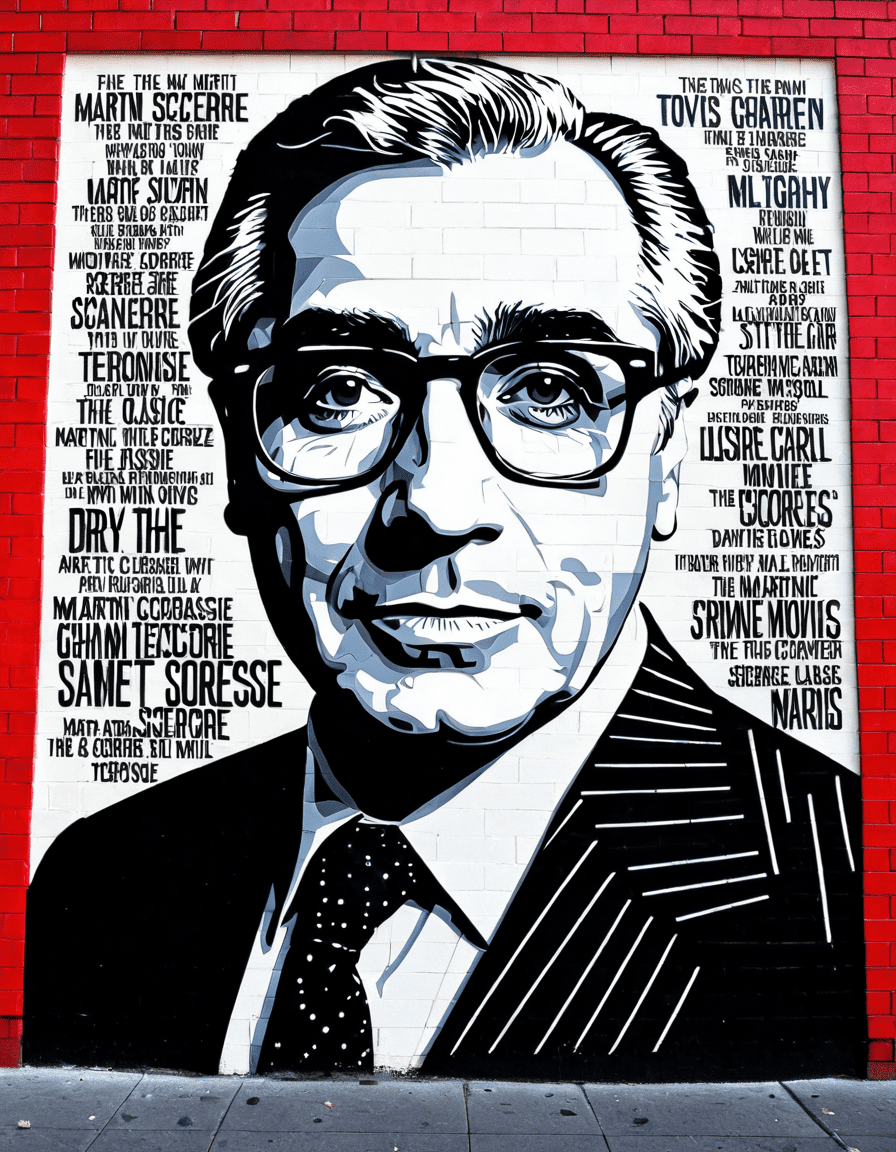
The Impact of Martin Scorsese’s Filmography on Modern Filmmaking
Martin Scorsese’s influence extends beyond his cinematic accomplishments. His storytelling agility resonates throughout contemporary cinema, influencing directors such as Quentin Tarantino and David O. Russell. By examining Scorsese’s cinematic techniques and stylistic choices, these filmmakers have crafted works that echo his impact.
Moreover, his advocacy for cinema preservation illustrates his commitment to the art form’s future. Scorsese actively engages in discussions about digital storytelling and how it can serve traditional cinema. This perspective encourages new filmmakers to explore innovative ways to tell their stories, creating dynamic conversations about the medium.
Reflecting on Scorsese’s filmography offers not just masterpieces but also profound commentaries on life. His characters navigate challenging situations, inviting audiences to examine their values and decisions. Scorsese’s legacy will undoubtedly inspire and challenge filmmakers and viewers alike for generations to come, just as engagements with modern themes like Law and Order: Organized Crime and discussions around contemporary issues reflect in film today.
In conclusion, Martin Scorsese’s filmography is the bedrock of modern cinema, rich with lessons that motivate current and future filmmakers. Each film serves as an opportunity for reflection and growth, reminding us that storytelling is both an art and a catalyst for change. As we voyage through Scorsese’s creations, we uncover not only entertainment but a deeper understanding of humanity itself.
Martin Scorsese Filmography: Journey Through Cinema’s Masterpieces
A Legacy of Storytelling
When you dive into the Martin Scorsese filmography, you’ll discover a tapestry of cinematic brilliance that spans decades. Did you know that Scorsese was inspired by the classic To Kill a Mockingbird? This film not only shaped the landscape of American cinema but also influenced Scorsese’s storytelling approach in movies like “Mean Streets.” It’s just one of the markers of how deeply his craft connects to past masterpieces. It’s interesting how filmmakers often nod to earlier works, creating a chain of inspiration throughout the industry.
Iconic Collaborations and Beyond
Scorsese’s collaborations are legendary, especially with actors like Robert De Niro. Their shared chemistry is palpable in films such as “Taxi Driver” and “Raging Bull.” This partnership has led to some of the best performances in cinema, comparable to the way the best Movies on Apple TV bring seasoned talent together for heartfelt storytelling. In addition to actors, Scorsese’s work is often enriched by his musically driven narratives, using sound to pull us deeper into the action. Plus, take a moment to think about Scorsese’s impact on the crime genre. His work paved the way for shows like Law and Order: Organized Crime, where intense storytelling grabs attention much like his own films.
Fun Facts You May Not Know
Here are some fun tidbits about the Martin Scorsese filmography that might surprise you! Did you realize he was once interested in a documentary about the lives of brindle Pitbulls? This quirky project, while never made, shows the versatility of his interests, emphasizing that storytelling can take many forms. Scorsese also has a connection to music; he’s a huge fan of rock and roll and has directed several concert films that capture the essence of live performances. Speaking of music, the The Lorax cast is often discussed in relation to the film’s environmental message, a theme Scorsese also explores in different ways. Lastly, he even has a connection to baseball legend José Abreu, showcasing that the filmmaker’s curiosity spans far beyond the silver screen and deeply into cultural narratives.
Martin Scorsese remains an enduring figure in cinema, with his filmography not only reflecting his passion but also extending into diverse realms of art and life. His ability to weave trivia and themes together sets an exciting tone for future filmmakers eager to leave their mark.