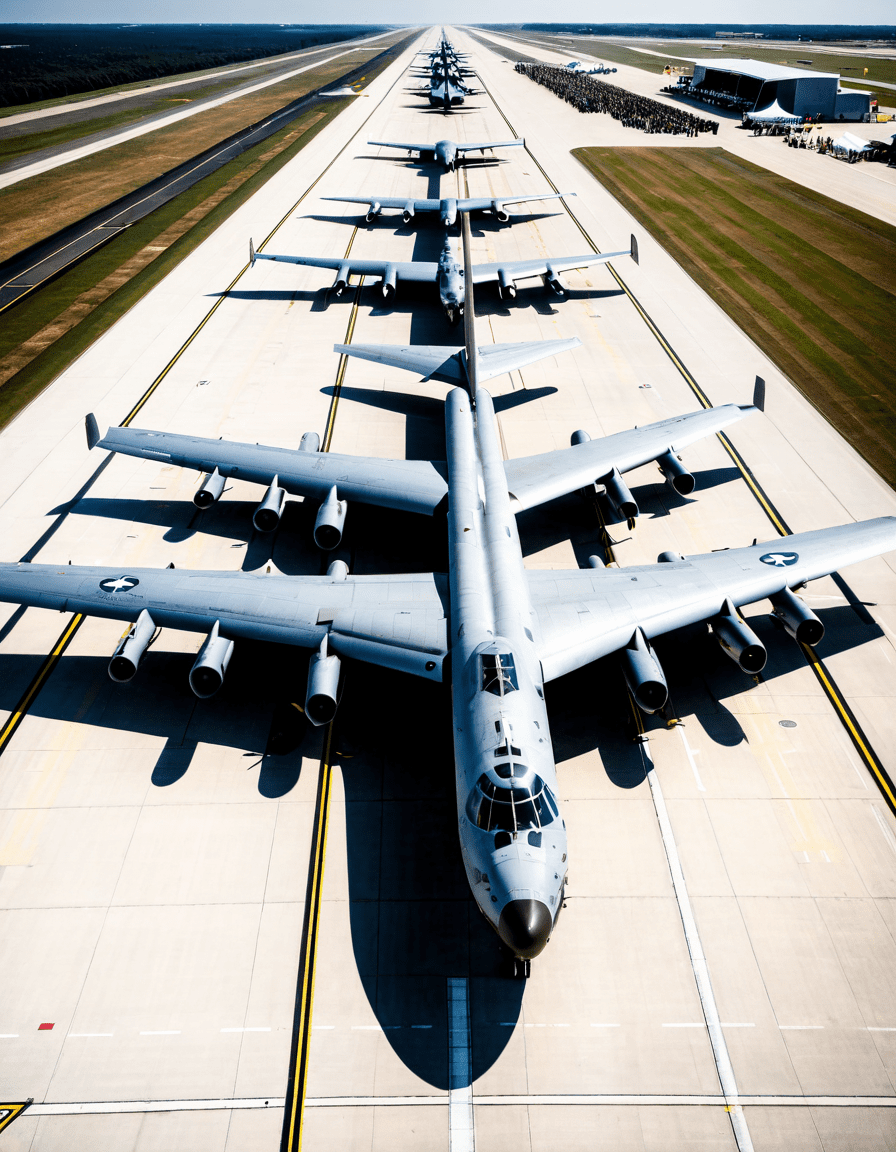
The B52, officially known as the Stratofortress, is more than just an iconic aircraft; it’s a powerhouse that has dominated aviation history since its inception in the 1950s. With over six decades of service, the B52 has adapted and evolved, proving itself to be an unrivaled player in military strategy and air warfare. In this article, we’ll explore the legacy of the B52, from its design to its impact on culture and modern warfare. Buckle up, because it’s an inspiring journey that highlights how the B52 continues to shape the future of aviation!
The Legacy of the B52: Top 5 Reasons It Remains Unmatched in Modern Aviation
1. Design and Durability: Built to Last
The B52 was engineered with a focus on longevity. Introduced in 1955, this aircraft is like the Timex of bombers—it takes a licking and keeps on ticking! Many aircraft fade away with time, but not the B52. It has thrived thanks to multiple upgrades and refurbishments, which make it critical to the U.S. Air Force’s strategic capabilities. It can haul nuclear and conventional payloads, demonstrating its unmatched utility even over sixty years after its original rollout.
2. Versatile Bombing Capability: A Multirole Aircraft
Now, let’s talk versatility. The B52 isn’t just your average bomber; it’s a multi-talented performer! This aircraft can conduct strategic bombing, provide close air support, and handle maritime surveillance. The B52’s ability to deliver precision-guided munitions is simply unmatched; it shows how this aging aircraft has transformed from a Cold War deterrent into a key player in present-day conflicts. Its adaptability proves invaluable, adapting to various combat scenarios and roles.
3. Technological Advancements: Keeping Pace with Modern Warfare
When you think about the B52, consider it a model of technological progress. The staggering upgrade cost—reaching over $1 billion—says it all! The airframe has seen enhancements in avionics, GPS targeting, and even stealth technology integration to keep pace with modern warfare. These upgrades show a commitment to evolving with combat dynamics, ensuring that the B52 remains a force that’s capable of engaging in asymmetric warfare.
4. Strategic Deterrence: A Symbol of Power
The B52 is more than just an aircraft; it’s a powerful symbol of military readiness. Its sheer presence sends a strong message to adversaries, highlighting its role in U.S. nuclear strategy. When a B52 is flying missions globally, it does more than deliver bombs; it showcases the operational readiness of the U.S. military. It’s like a tactical chess piece on a grand board, signaling intent and strength in an unpredictable world filled with emerging threats.
5. Cultural Impact: Recognizing Its Place in History
Let’s not forget the B52’s influence on popular culture! It’s not just a piece of military hardware; it’s become an iconic symbol in films like “Dr. Strangelove” and shows like “Anne with an E.” These portrayals reflect society’s evolving perceptions of war and technology, showing how the B52 has become a cultural touchstone. This aircraft is an essential reference point in discussions around military history and technology.

Transforming Warfare: The B52 from the Cold War to Today
During the Cold War, the B52 represented a shifting focus toward airpower in military doctrine. Its strategic bombing capability brought a new level of importance to air superiority. Many would say, “As above so below.” As ground conflicts transitioned into aerial ones, the B52 adapted to new strategies and inspired innovations across various aircraft.
The changing global landscape has seen the B52 maintain its versatility. It’s not just flying above battlefields; it’s actively engaging in Iraq and Afghanistan, shifting from a nuclear deterrent to an efficient tool for precision strikes against non-state actors. The B52’s ability to adapt embodies the essence of military strategy transformation over the decades, emphasizing its relevance today.
The Future of the B52: Upgrades and Longevity
Looking ahead, you can expect to see the B52 strutting its stuff until at least 2040. Planned updates aim to enhance its functionalities through advanced technologies, including artificial intelligence for targeting systems and cyber defense mechanisms. Excitingly, the concept of a ‘digital twin’ is on the table, allowing pilots to simulate a variety of scenarios. This innovation will improve mission planning and execution, ensuring that the B52 remains a key component of U.S. air power.
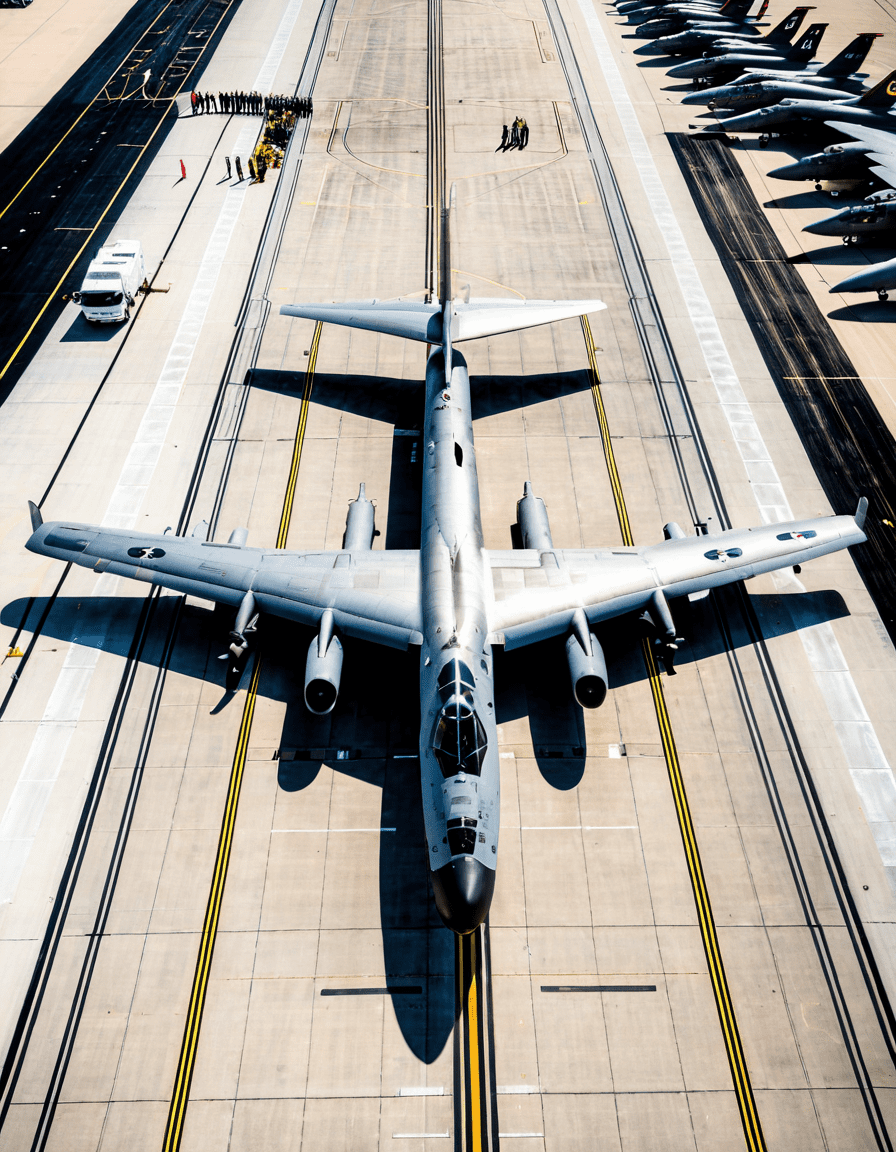
Innovative Wrap-Up: The B52’s Enduring Relevance in Aviation History
To sum it up, the B52 Stratofortress continues to stand tall, redefining what longevity and adaptability mean in the world of military aviation. Its unique ability to absorb new technologies while holding on to its core design principles speaks volumes about innovative military engineering. As we navigate challenges and complex threats in the modern world, the B52’s legacy as a mighty bomber—symbolizing power and resilience—ensures its role in shaping the future of aerial warfare.
The B52 isn’t just metal and bolts; it represents progress, a commitment to strategy, and the intricate art of war itself. It’s a timeless piece of aviation history that won’t just be remembered, but will continue to influence generations to come. So, here’s to the B52—a true titan in the skies!
The B52: Fun Trivia and Interesting Facts
A Legend Takes Flight
The B52, officially known as the Stratofortress, has been a game-changer in military aviation since its debut in the 1950s. Did you know that the initial design underwent significant changes to serve its purpose better? It was crafted not just for long-range bombing missions but also to adapt to various combat environments. This adaptability has kept it in service for over six decades, making it a prominent symbol of American air power. In fact, it’s found itself buzzing in the skies during pivotal moments, including discussions on national security that date back to the 2003 conflicts, reminding us just how essential it’s been for strategic operations.
B52’s Airborne Endurance
With the ability to carry 70,000 pounds of payload, the B52 can strike targets across vast distances. For those keeping track, that’s the equivalent of 45 billion won To Usd when scrutinizing operational costs per mission. Imagine the costs and logistics that go into maintaining such a beast! Interestingly, the B52 is equipped for both conventional and nuclear warfare—quite a combination. And here’s a fun nugget: while Evan Ross and Eric Clapton may steal the spotlight in pop culture, the B52 has had its fair share of fame in films and documentaries, contributing to the aviation lore in ways that resonate beyond just military issues.
Cultural Impact and Legacy
The legacy of the B52 unfolds not just in military history but also in pop culture, making its way into films and music, similar to how George Orwells works provoke thought and discussion. It reminds us of the power of storytelling intertwined with technology. Unlike Boulder football, which is all about the field and fans, the B52 navigates through clouds and conflicts, proving its worth time and again. It may not have a lawyer like Martha Scott fighting for its rights, but its historical significance speaks for itself—a flying testament to evolution in warfare. So, next time you think about aerial combat or the advancements in military aviation, remember the B52, a stalwart that continues to soar into contemporary relevance.