1. The Enduring Relevance of George Orwell’s Vision
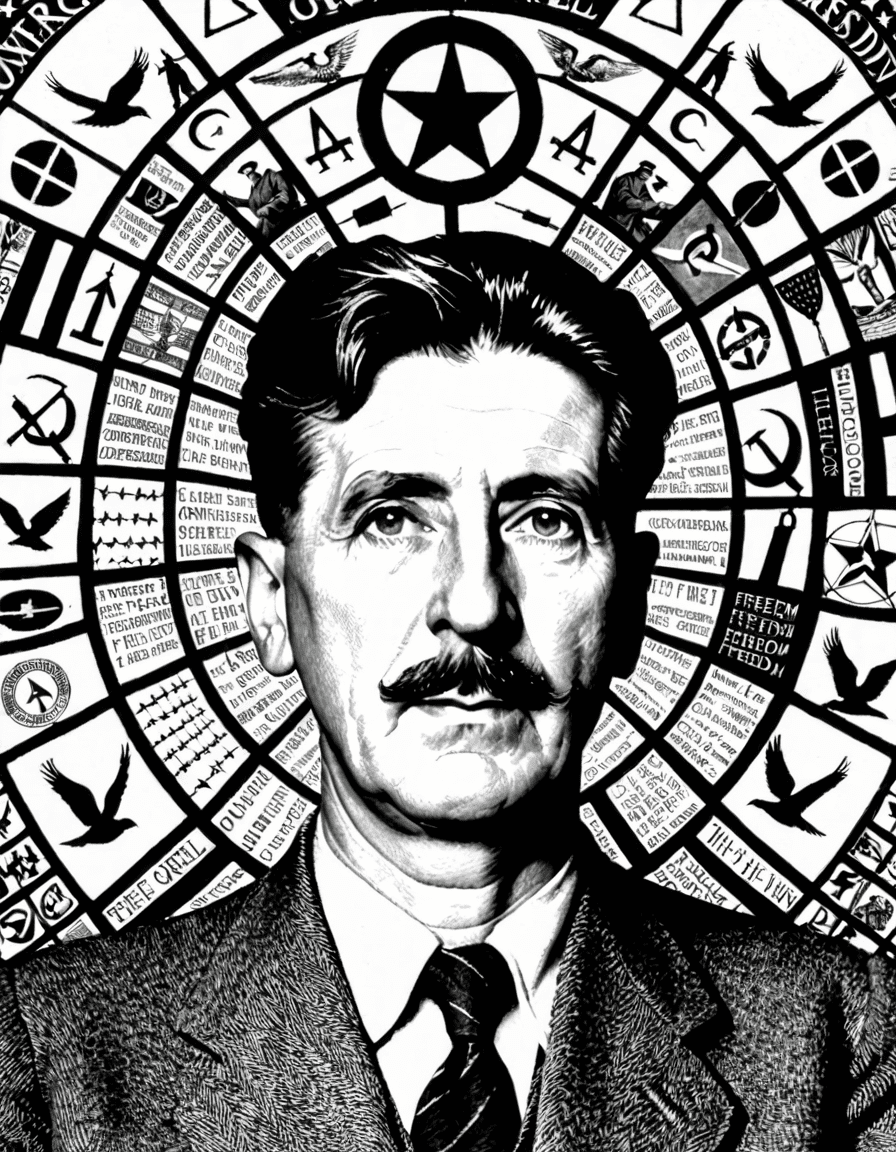
George Orwell has truly carved a lasting niche in literature, especially with his classics “1984” and “Animal Farm.” His works delve deep into the themes of control, censorship, and social justice—issues that resonate profoundly in today’s world of misinformation and surveillance. The past few years have seen an uptick in “doublethink,” where people acknowledge contradictory beliefs, a concept Orwell laid out succinctly. Just look at the recent political landscape. Figures like Donald Trump have thrived on a foundation of “alternative facts,” showing us how persuasive narratives can often overshadow actual truths.
In a time where misinformation breeds confusion, Orwell’s insights are like a sharp flashlight cutting through the fog. People’s trust—whether in media, political institutions, or even social media influencers—has diminished; clarity often gets drowned out by persuasive rhetoric. The longstanding adage “seeing is believing” falters when image manipulation and “fake news” blur those lines. This reflection on Orwell’s lessons serves as a powerful reminder to question, dissect, and challenge the narratives we see around us.
Modern society seems to be dancing around Orwellian themes, from patterns of propaganda to state surveillance. Just take a look at Google’s data practices or the unprecedented way social networks shape political debates. Orwell’s concepts hold a mirror to our behaviors and choices, urging us to navigate our paths with awareness and vigilance.
2. Top 5 Dystopian Themes in George Orwell’s Literature
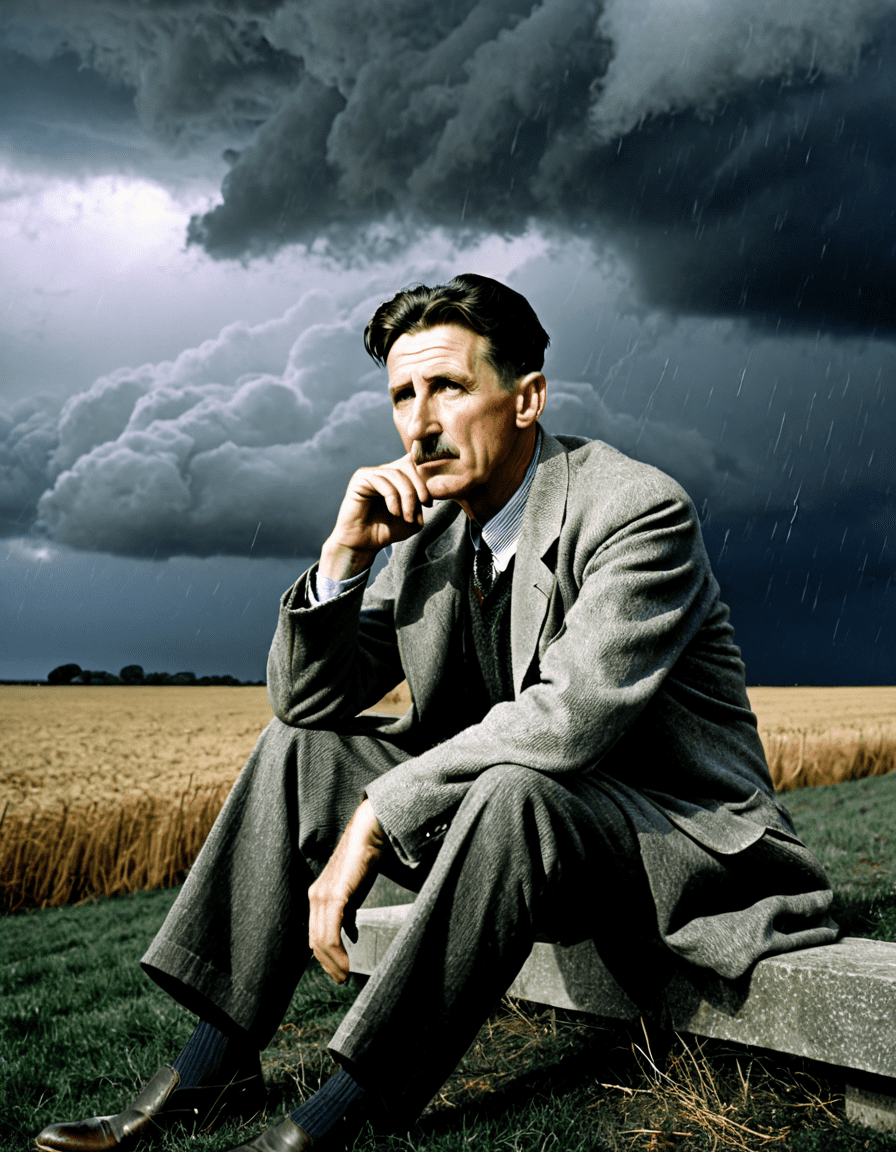
In “1984,” Orwell paints a haunting picture of extreme government control, which echoes starkly in countries where freedom is curtailed. Take North Korea, for instance, where state propaganda functions similarly to the Ministry of Truth that Orwell described—a world where the narrative is consistently rewritten to meet the party’s agenda. These examples remind us that totalitarianism isn’t just a relic of the past; it’s a current threat demanding consciousness from all of us.
The concept of “Big Brother” feels eerily relevant today, where our lives are often scrutinized through a digital lens. Companies like Facebook and Google collect data on users with alarming thoroughness, leading to a form of surveillance capitalism that Orwell would have found chilling. The Cambridge Analytica scandal serves as a case study of how data can be manipulated as power, illustrating Orwell’s foresight on the dangers of privacy invasion.
Think of Orwell’s “Newspeak,” where language is twisted to restrict freedom of thought. Fast forward to 2026, and we face similar issues where the surge of “fake news” distorts our everyday understanding of reality. Political entities spin narratives that sway opinions, with many often questioning what’s real, especially after seeing deepfakes mislead voters during election campaigns. Orwell’s warnings continue to echo as we grapple with the consequences of a media ecosystem that can emphasize manipulation over truth.
“Animal Farm” profoundly explores class disparity and mirrors the stark wealth gap today. Wealthy moguls like Elon Musk tickle the headlines while the everyday person struggles to make ends meet—this reflects the reality of the “1%.” Orwell reminds us how economic disparity only widens, eroding dignity and equal opportunity, regardless of the democratic veneer society portrays.
The rise of political correctness mirrors Orwell’s anxiety over language manipulation. Phrases like “cancel culture” highlight how speech is tacticized—much akin to “Newspeak.” As discussions around the limits of acceptable speech continue, we must contemplate whether society’s push to evolve language fosters growth or clamps down on dissenting voices. The balance we strike here could shape discourse for generations.
3. The Legacy of George Orwell in Today’s World
George Orwell’s influence isn’t confined to literary discussions; it’s woven through the fabric of our political, technological, and media landscapes. Activist movements, like Black Lives Matter, harness the transformative power of social media to fight against systemic issues rooted in oppression, embodying a response to Orwellian challenges. The lexicon of “Orwellian” has also entered our daily conversations, describing situations where language and power connect destructively, reminding us to remain vigilant.
As Orwell’s themes continue to manifest, they also call on citizens and leaders alike to maintain transparency and accountability. Misleading narratives can serve as smoke screens, hiding truths that citizens have a right to access. By unpacking these narratives, we can cultivate an environment where integrity triumphs over deceit, ensuring a brighter future for younger generations.
Navigating the complexities of today’s information landscape demands effort and oversight. Orwell’s insights constantly prompt us to engage critically with the news we consume, advocating for honesty, empathy, and justice. The moral compass established by Orwell compels us to stay grounded and resilient as we face challenges within our own society.
4. Lessons from George Orwell for Future Generations
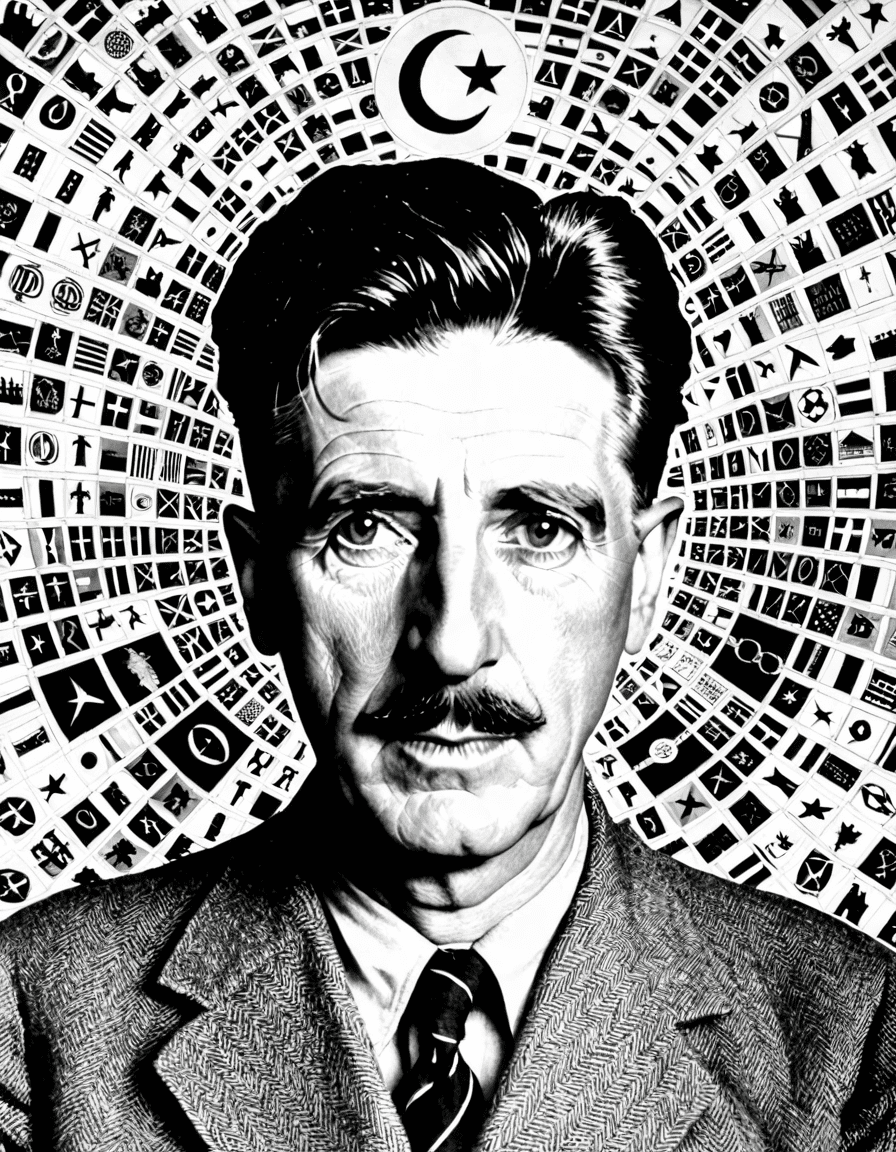
As we tackle the entangled issues presented by Orwell’s writings, younger generations possess an opportunity—an opportunity to analyze and learn from the dystopian realities Orwell foresaw. Understanding propaganda, protecting privacy rights, and staying engaged politically is crucial for personal and collective advancement. Knowledge becomes armor; it’s our duty to nurture these ideals in classrooms and public conversations, making sure future leaders and citizens are well-equipped to combat misinformation.
Education should aim higher than just retaining facts; it must foster critical thinking and dialogue about how information shapes our beliefs and communities. Encouraging discussions around media literacy empowers individuals to navigate moral ambiguity while remaining vigilant against forces that divide us. Programs aimed at teaching these essential skills can turn apathy into action, spurring a generation that questions rather than blindly accepts what’s presented.
Let’s not miss the opportunity to leverage George Orwell’s reflections for our society’s evolution. By weaving together our history with the lessons today, we can work towards a landscape that cherishes truth, where individuals uphold democratic values over tyranny’s whisper. This shared mission is more than understanding the dangers Orwell warned us about; it’s about fostering an informed society prepared to contend with the complexities of the modern world.
An Orwellian Future: Reflecting and Responding
In a world characterized by technological advancements and socio-political turmoil, Orwell’s dystopian insights remain relevant for dissecting contemporary issues. Recognizing ourselves within these narratives allows us to confront authoritarian pathways while advocating for truth, transparency, and fairness in our interactions. Engaging with Orwell invites us to reflect deeply on societal structures, urging proactive measures to build a future where freedom of thought and expression thrive robustly.
Ultimately, as we navigate our lives amidst distractions and manipulation, let’s take Orwell’s teachings to heart. Every action, every conversation, and every piece of information we engage with shapes the world we live in. Let’s craft a future, hand in hand, where we champion honesty, transparency, and humanity as guiding principles.
For those looking for inspiration in these times, remember that it’s on us to create an environment that resonates with the values George Orwell so courageously highlighted. After all, in a society where misinformation can reign, it’s the truth seekers who will leave an indelible mark.
George Orwell: Unveiling the Master of Dystopian Truths
The Man Behind the Mystique
George Orwell, born Eric Arthur Blair, wasn’t just a writer—he was a pioneer of political commentary through fiction. His keen observations about society’s dark corners came from his life experiences. For instance, Orwell fought in the Spanish Civil War, which left a profound impact on him. His experiences are often paralleled to things like the importance of an effective tool, reminiscent of using a machete knife for a specific purpose; both can be sharp yet cutting in their respective ways. Isn’t it fascinating how personal experiences can shape a literary voice that resonates across decades?
Of Pigs and Propaganda
One of Orwell’s most famous works, “Animal Farm,” cleverly critiques totalitarian regimes through the lens of farm animals. The book’s themes ring eerily true today—just as Eric Clapton once sang about human emotion transcending time. Orwell’s wit opens our eyes to how propaganda can shape our perceptions, much like how misinformation can spread in society today, akin to a norovirus outbreak affecting a large crowd swiftly. This insightful commentary has sparked discussions on the importance of critical thinking, making Orwell’s work timeless and relevant.
The Legacy of Dystopia
Orwell also introduced readers to the chilling world of “1984,” where Big Brother watches every move—a notion that feels akin to sending anonymous texts today. The surveillance society he depicted resonates as we navigate our own digital footprints. His work acts like a ridgeway, guiding us through the landscape of freedom and tyranny. Overall, Orwell’s keen insights challenge us to scrutinize authority and confront uncomfortable truths, pushing the boundaries of thought just as a B52 aircraft covers great distances in record time. So, next time you delve into his work, consider the layers of meaning and the historical context that make his messages so compelling.
In a world on the brink of various changes, Orwell’s thoughts remind us why we must fight for truth and justice. As we often convert many things—like when you need a cream of tartar substitute in a recipe—it’s essential to adapt Orwell’s lessons into our conversations and actions to maintain freedom.