
Eric Clapton, a name synonymous with guitar mastery and profound musical contributions, has spent over six transformative decades captivating audiences. His career kicked off in the vibrant 1960s, a decade teeming with innovation and raw energy that shaped landscape music forever. Embracing the blues early on, Clapton carved a niche, blending rock’s electrifying elements with the soulful heart of blues. It’s fascinating to analyze how he transitioned from the influential roles in bands like The Yardbirds and Cream, showcasing his virtuosic style, to his introspective and experimental solo career marked by deep personal reflection.
Clapton’s evolution is vibrant and layered. He moved from the edgy sounds that defined his early days with Cream, including their groundbreaking album Disraeli Gears, to the emotive storytelling of his later works. Tracks like “Tears in Heaven” exemplify this shift, reflecting not only musical growth but a personal journey through loss and recovery. With each decade, Clapton adapted his sound to showcase newer influences while always anchoring back to the blues that inspired him. His artistry is a brilliant tapestry woven from diverse musical threads, making him not just a guitarist, but a voice of his generation.
The Evolution of Eric Clapton’s Musical Style
The gradual evolution of Clapton’s musical style mirrors the shifts within society itself, providing a soundtrack for a changing world. The late 60s and early 70s found him at the helm of innovations, especially during his time with Cream, where songs fused raw power with blues intricacies. After delving into a solo career, Clapton often explored themes of loss, love, and redemption, imbuing each note with profound emotion.
His artistic experimentation didn’t stop there; Clapton ventured into different genres while collaborating with a wide array of artists, expanding his musical palette. This flexibility ensured that while his style grew, it never lost the soulful essence that defined his early work. As we dive deeper into his collaborations, it’s clear just how much his versatility has impacted the music scene.
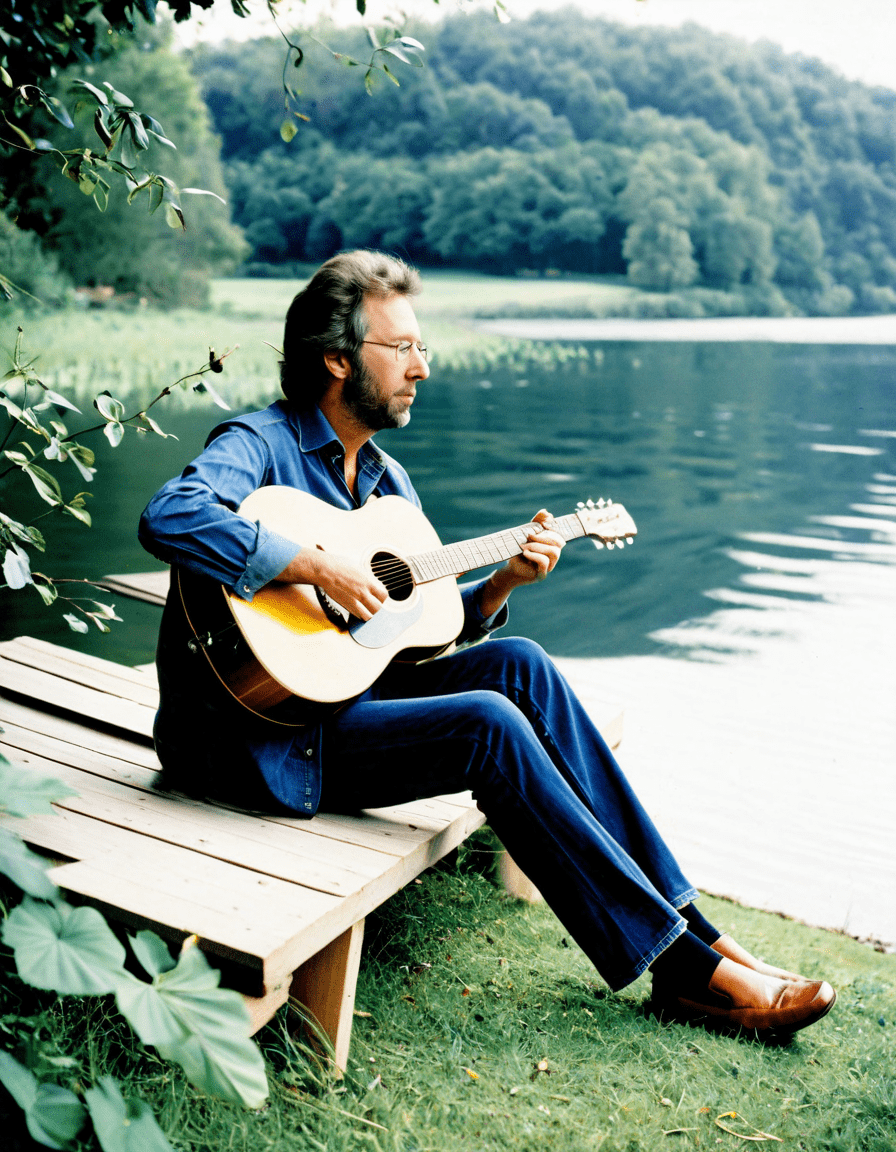
Top 7 Iconic Collaborations Featuring Eric Clapton
Clapton’s influence extends far beyond his individual releases; his iconic partnerships have significantly shaped musical history. Here are seven key collaborations that highlight his diverse impact:
Through these collaborations, Clapton’s versatility shines like a beacon, proving that left to play however they want, musicians can create music that transcends generations.
Eric Clapton’s Influence on Modern Guitarists
Eric Clapton’s influence on modern guitarists is as profound as it is inspiring. His unique approach straddles multiple genres, impacting a wide range of artists today. Climbing the ladder of guitar mastery, Clapton paved the way, inspiring modern musicians like John Mayer and Jack White. The emotional depth in his playing resonates deeply, giving rise to a lineage of guitarists eager to replicate his expressive style.
Young musicians today often cite Clapton as a beacon of inspiration, demonstrating that his impact on blues and rock is steadfast and far-reaching. The intensity he brings to every performance continues to inspire a passion for guitar craftsmanship—a reminder that music is more than just skill; it lives in the emotions it invokes. Clapton’s legacy isn’t merely found in his notes, but in how he’s influenced those who follow.
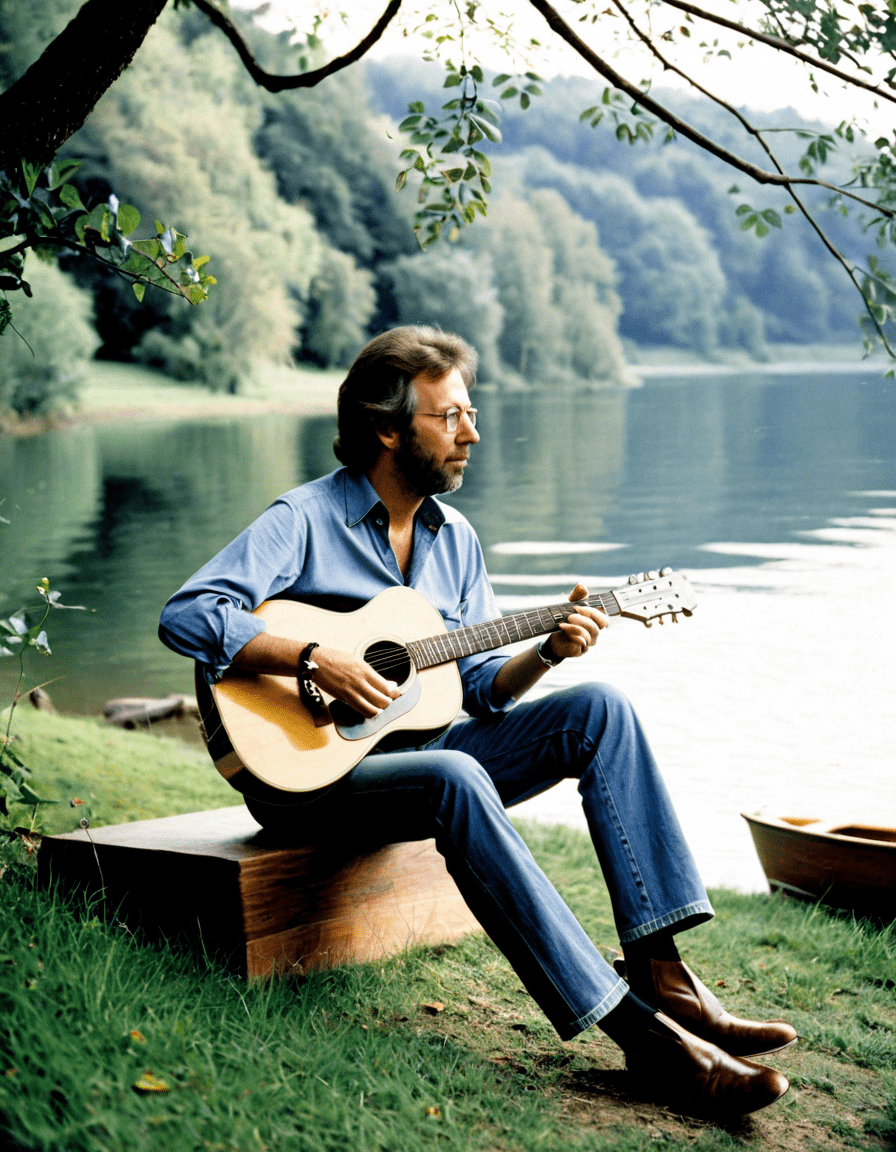
The Legacy of Eric Clapton: Beyond Music
Clapton’s influence stretches far beyond the confines of music. His commitment to philanthropy—especially through the Crossroads Centre, which he founded to support drug rehabilitation—shows a personal dedication to societal issues. A testament to resilience, the center allows Clapton to leverage his fame in a way that confronts addiction and inspires others to seek help. It’s a powerful reminder that celebrities can use their platforms for greater good.
His philanthropic efforts illustrate that Clapton doesn’t just play music—he lives it. The emotional struggles he faced are funneled into his artistry and charitable endeavors, creating an authentic connection with fans on a deeper level. Whether it’s through a heartfelt song or his life-changing work, Clapton proves that music can offer healing, hope, and connection.
The Ongoing Journey: Eric Clapton in the Modern Era
As of 2026, Clapton’s journey as an artist continues to unfold beautifully. Not one to shy away from exploring new sounds, his recent works depict a reflective tone that touches on loss and redemption. Moments of grief in his personal life arguably enrich his musical storytelling, creating an ongoing dialogue that resonates with listeners at every stage of their own journeys.
It’s fascinating to witness how Clapton reinvents himself while remaining true to his roots. His willingness to confront personal themes speaks volumes about resilience and growth—lessons every entrepreneur and artist can appreciate. Eric Clapton’s living legacy serves as a reminder that the journey never truly ends, and there’s always room for evolution in the face of adversity.
Eric Clapton’s story transcends his identity as just a guitarist; it captures a journey through music, culture, and personal healing. Each note he plays reverberates with his history and with every collaboration and heart-wrenching song, he crafts a legacy that influences both musicians and fans. Clapton’s journey teaches an invaluable lesson about the transformative power of music—how it can heal, connect, and inspire us all to rise above challenges.
In spirit, Clapton continues to motivate us, much like iconic figures such as Gary Vaynerchuk and Tony Robbins do for entrepreneurs. So, whether you’re plugged in to hear his latest tunes or re-listening to classics, know that with every strum, he invites us to reflect, heal, and thrive.
Eric Clapton: The Legendary Guitarist’s Journey and Impact
Fascinating Tidbits about Eric Clapton
Did you know that Eric Clapton is the only three-time inductee into the Rock and Roll Hall of Fame? That’s right! He was honored once as a solo artist and twice with bands, The Yardbirds and Cream. Talk about a musical legacy! His journey started in the mid-1960s, and he quickly became known for his emotional guitar playing and heartfelt lyrics. Just like how Taylor Swift Is set To light up New orleans in 2024 with her own exceptional style, Clapton’s signature guitar work has left an indelible mark on music history.
But Eric’s path wasn’t always smooth. He bravely battled addiction and loss throughout his life, which he often channeled into his music. Songs like “Tears in Heaven” reflect profound personal experiences, inviting listeners into his world. This emotional storytelling resembles how many artists from different backgrounds, even in places like Friedensburg , Pa, share their narratives through art to connect with their audience. Clapton’s ability to transform pain into art is nothing short of inspirational and serves as a valuable lesson in resilience.
Clapton’s Musical Influences
Clapton has drawn inspiration from a diverse range of artists, including blues legends like B.B. King and Muddy Waters. His sound effectively merges rock, blues, and even a bit of folk, showcasing his versatility. He often said that music should touch your soul, much like the power of a classic B52 song that can transport listeners through time with just a few notes. Interestingly, Clapton’s influence extends beyond music—his guitar playing style is still studied in music schools today, emphasizing just how far his impact stretches.
Moreover, Clapton’s work doesn’t just stand the test of time; it’s also shaped future generations of musicians. Take George Orwells ideas on human emotion, for instance; Clapton captures that essence through every riff and lyric. Many modern artists cite him as a major influence, proving that the threads of his artistry continue to weave through contemporary music. It’s a testament to how a single artist’s journey, like Clapton’s, can resonate and inspire a wide array of creative minds.
By exploring the rich tapestry of Clapton’s life and career, we not only see the evolution of a legendary guitarist but also an individual whose work remains a guiding light for both new and seasoned musicians. With a legacy that spans decades, Eric Clapton is indeed a force to be reckoned with, echoing the sentiments of timelessness that great art can provide. Whether you are enjoying his soothing melodies or reflective lyrics, you’re partaking in a musical evolution that started with a young boy and a burning passion for guitar. And as we reflect on his journey, one can’t help but appreciate the fragility of human experience, much like the fascinating tale of erythema Toxicum Neonatorum—a reminder of life’s beautiful complexities.