
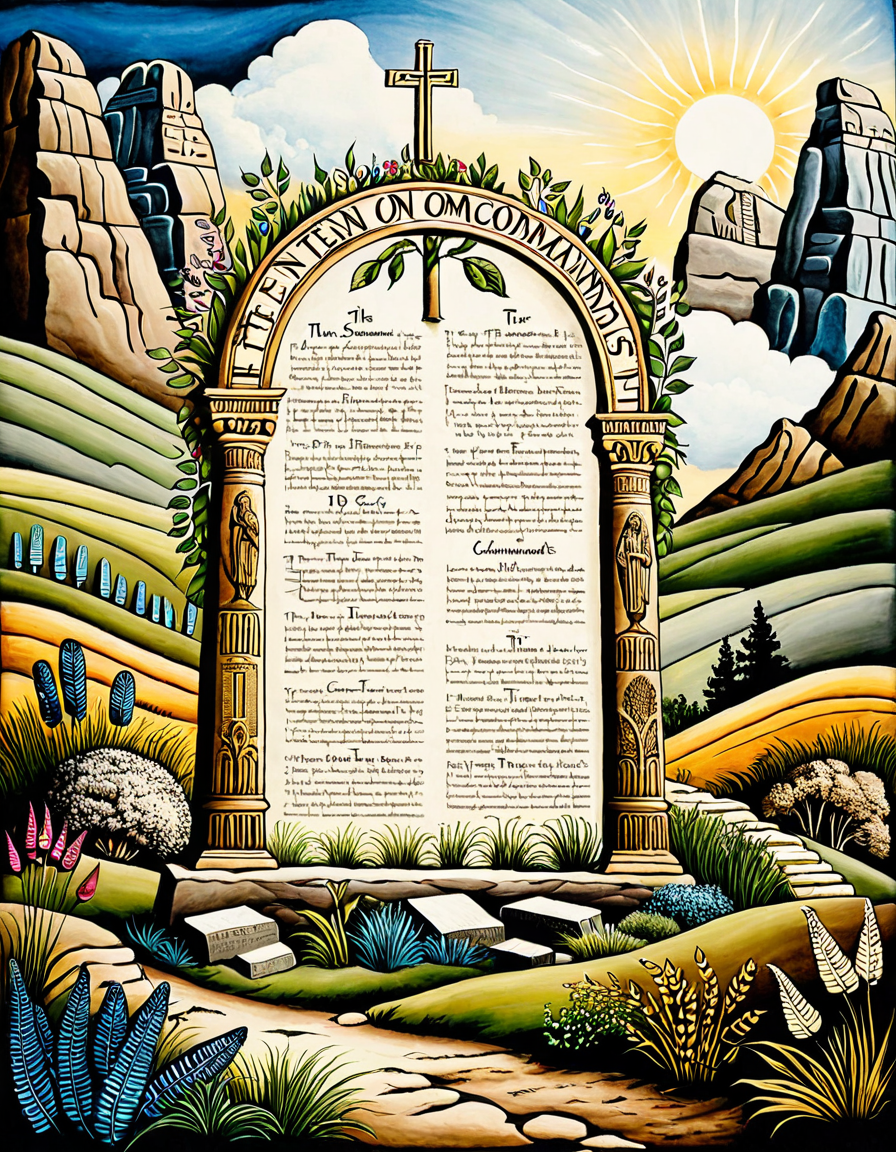
Understanding the Essence of the Ten Commandments
The Ten Commandments aren’t just a collection of ancient rules; they lay the groundwork for moral law that resonates throughout different cultures and societies. These commandments highlight critical virtues: honesty, respect, and accountability. While they originate from religious texts, their universal teachings guide moral conduct across various contexts today, influencing everything from legal systems to personal relationships. Reflecting on how these Ten Commandments govern our modern lives reveals their deep-rooted significance and applicability in our daily existence.
Diving into the essence of the Ten Commandments, it becomes apparent that their wisdom transcends the pages of scripture. They challenge us to live authentically, nurturing relationships based on trust and respect. In an age filled with distractions and moral ambiguity, these ancient guidelines serve as anchors, reminding us of our duty to ourselves and society. As we explore their influence, it’s crucial to appreciate how they not only shaped religious thought but also molded secular institutions, providing a moral compass that remains relevant.
In today’s fast-paced world, the Ten Commandments call us to reflect and act. When we embrace these laws, we set a precedent for ethical behavior that not only benefits us personally but impacts our communities positively. The profound wisdom contained within these commandments often leads to lasting change—we see it in movements like social justice, workplace ethics, and personal integrity. This exploration illustrates that the moral framework established by the Ten Commandments is far from obsolete; it is foundational in addressing contemporary dilemmas.

The Ten Commandments: A Framework for Modern Morality
The Relevance of Atonement in a Modern Context
Atonement holds a special place within the moral framework of the Ten Commandments. It’s about recognizing our mistakes and seeking forgiveness—a principle crucial for growth. Many public figures today exemplify this, like Al Franken, who took accountability after allegations surfaced. His journey illustrates that atonement isn’t just about facing consequences; it’s about making amends and rebuilding trust with the community.
Understanding atonement helps us navigate our relationships, both personal and professional. In business, admitting a misstep can turn a potential crisis into an opportunity for growth. By embracing transparency, companies can foster a culture of trust that benefits everyone involved. It reinforces the idea that while we are human and imperfect, accountability can transform our failures into stepping stones toward improvement.
In essence, the practice of atonement nurtures empathy and understanding. Besides shaping personal interactions, it paves the way for societal healing. The principle pushes us to recognize each other’s humanity and affirms that redemption is possible for all.
Lasting Influence of the Ten Commandments on Moral Law
The Ten Commandments remain relevant, influencing legal systems, ethical debates, and societal values even today. Their teachings go beyond the religious context, resonating strongly in secular environments. For instance, they frame conversations around governance and human rights, echoing the sentiment of justice across cultures.
As time rolls on, these commandments challenge us to reflect on our actions. They urge us to cultivate integrity and respect in our communities, fostering an environment where ethics matter. Dialogue surrounding the Ten Commandments continues to inspire individuals, pushing us toward incorporating these principles into our daily lives.
Looking ahead, the moral framework advised by the Ten Commandments will likely become even more crucial as society evolves. It’s not just about religious duty; it’s about a shared commitment to fostering a healthy, respectful world. By engaging in conversations about morality, we can transform our communities, contributing to a future rooted in conscience and collaboration.
In reflection, the lasting influence of the Ten Commandments enriches our lives, shaping our perceptions of right and wrong. Through their teachings, we find a timeless guide, illuminating paths toward a more empathetic and conscientious society. By embracing the wisdom of these commandments, every one of us can champion values that resonate deeply in today’s world.
The Ten Commandments and Their Impact on Moral Law
A Historic Foundation
Did you know that the Ten Commandments are not just religious guidelines but also a major influence on modern legal systems? This ancient set of rules has shaped countless ethical frameworks around the globe. For example, many laws prohibiting theft and murder echo the values expressed in the commandments. It’s fascinating to note how these principles can be seen across various cultures, just like the connection between a cozy bar height table and a good conversation, fostering community and shared values.
Moreover, the Ten Commandments’ simplicity allows for easy remembrance, which has helped their teachings endure through generations. For instance, picture the age-old battle of battlefield 2042, where strategy and tactics often echo fundamental moral choices—similar to those posed in the commandments. It’s all connected, really!
Moral Debates Through the Ages
Throughout history, debates on morality have often pivoted around these commandments. Questions of integrity, respect, and responsibility arise in contexts ranging from religious teachings to modern social issues. Just consider how current sports matchups, like the latest Clippers Vs Okc thunder match player Stats, highlight fair play and accountability, concepts that are at the core of the commandments.
Furthermore, as societies evolve, so do interpretations of these ancient laws. They’re as relevant as ever, surfacing in discussions about everything from classic literature such as Anne Of Green Gables to modern cinema like The watcher Pelicula. These references remind us that moral dilemmas persist through time and impact how we analyze right and wrong in diverse situations.
Fun Facts to Ponder
Here’s another interesting tidbit: the Ten Commandments have even found their way into popular culture and everyday discussions. Whether it be in debates about business ethics or casual chats over a bowl of cornmeal mush, folks reference these commandments to ground their beliefs. Plus, did you know that the iconic Wells Fargo autograph card has sparked conversations about honesty and integrity? It all circles back to these foundational rules.
In light of everything, the Ten Commandments aren’t just lists carved in stone. They form the backbone of moral philosophy and continue influencing how we perceive justice and ethics today, like a trustworthy jack in the box that never fails to surprise. So next time you think about moral law, remember the profound impact of the Ten Commandments—they might just be your guiding compass in a complicated world!