Childhood mischief has always held a special place in our hearts, and the term “Little Rascals” undeniably evokes warm nostalgia for millions who grew up during the late 20th and early 21st centuries. This iconic franchise celebrates the simple joys of childhood—friendship, adventure, and a sprinkle of mischief. The original 1922 film and its reinterpretation in 1994 capture not just laughter but also magnificent insights into the dizzying world of growing up. As we take a closer look at why the Little Rascals maintain their appeal even today, it becomes clear there’s more to their story. Themes of inclusion and a sense of freedom are becoming increasingly relevant in our contemporary society.
The Enduring Appeal of Little Rascals
When we think of the Little Rascals, we remember laughter shared between friends, risk-taking, and those moments that make childhood truly memorable. These tales remind everyone, from parents to young ones, just how crucial these experiences are in shaping who we become. They also reflect current societal challenges and successes. The charm endures because it emphasizes values we find essential: camaraderie, creativity, and the ability to innovate, even when faced with limitations.
The various escapades of the Little Rascals also serve as an insight into childhood dreams, ambitions, and trivial heartbreaks. From friendship to budding romance, the stories resonate across generations. For instance, Alfalfa’s sweet crush on Darla is an innocent portrayal that reminds us of those first crushes we all faced—much like the loves featured on contemporary teen dramas like Pretty Little Liars. As we progress through both time and the characters, the Little Rascals keep shining as icons of youthful exuberance.
The Top 7 Mischiefs That Define the Little Rascals Charm
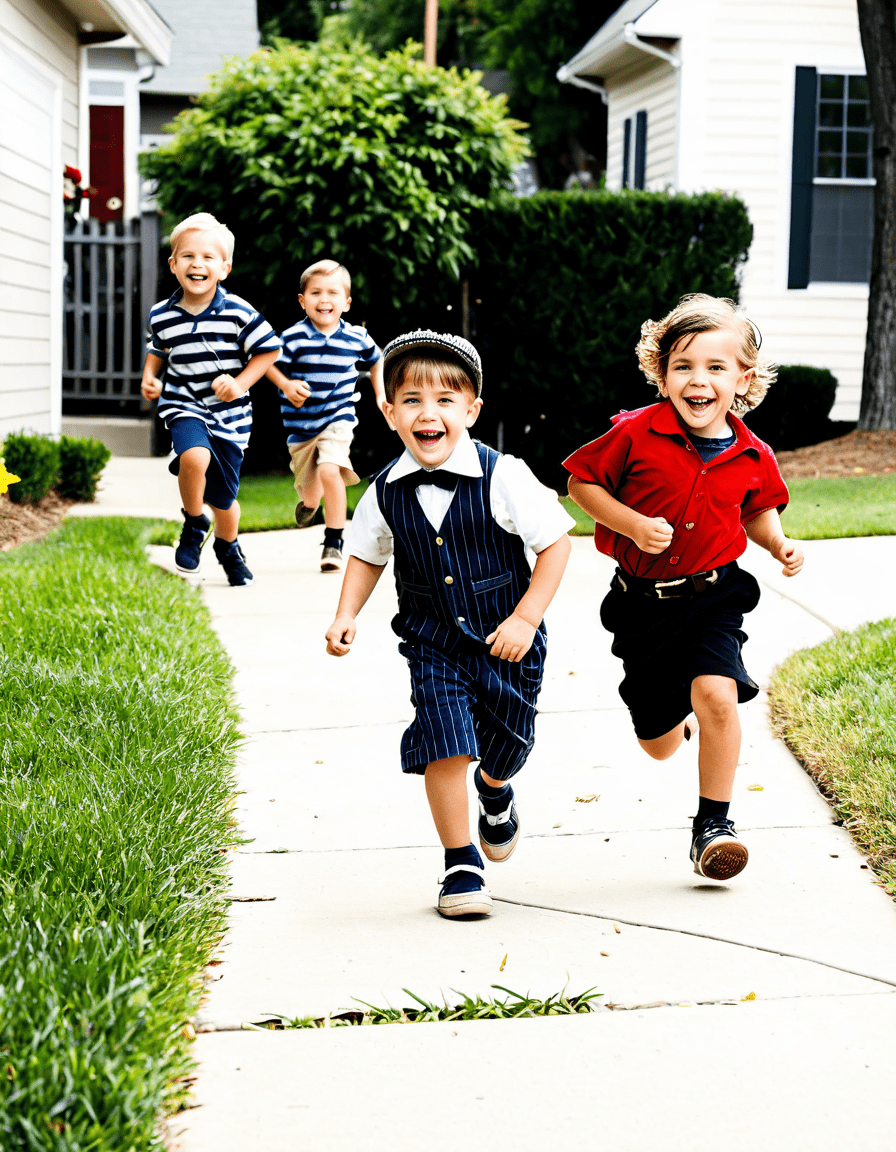
This spirited race highlights competition, teamwork, and the pure joy derived from play. It reminds us of popular reality shows like The Amazing Race, where participants become more than just competitors; they become a family bonded through sheer silliness and fun. Racing around the neighborhood is an expression of unfiltered childhood glee.
Who could forget Spanky’s resourcefulness? His tire swing, born out of creativity, showcases how imaginative play can unite friends. This inventive spirit echoes today’s viral homemade games celebrated on platforms like TikTok. As children play, they learn to innovate by turning ordinary stuff into extraordinary fun.
Alfalfa’s crush on Darla captivates many hearts, portraying childhood love in a light-hearted manner. Their sweet, innocent moments mirror today’s teen dramas, capturing feelings we all once felt. The romance is real yet relatable, proving that childhood emotions stay with us and never fade.
The treehouse—their fortress—symbolizes a safe haven for kids. Much like today’s kids find solace in virtual worlds, whether it’s Minecraft or their own physical hideouts, it’s a reminder of the universal quest for a spot to call their own. This theme encourages children to connect with one another amidst the chaos of life.
Their imaginative antics while fleeing a babysitter evoke classic comic chaos. Remember Miss Crabtree? The mischief is relatable for families today, often portrayed in sitcoms and animated shows alike. Kids will always find unique outcomes in their pursuits of avoiding parental supervision.
Buckwheat’s lovable dog, Petey, serves as a reminder of the bond between kids and their pets. This connection is strong and timeless, resonating with social media trends where pets gain their own followings, like having their own Instagram accounts. It’s no surprise; the love children have for their animals remains as fresh now as it was in the past.
Entrepreneurial spirit shines bright with their grape soda stand! This makeshift business teaches kids about teamwork and responsibility, much like a lemonade stand does for today’s youth. These early lessons in friendship and fun remind us that learning need not be boring.
The Impact and Legacy of the Little Rascals Cast
The Little Rascals cast has left an indelible mark on culture. Icons like Carl “Alfalfa” Switzer and Darla Hood symbolize the very essence of innocence that captures our hearts. As the years unfurl, many members reflect on their unique journeys through fame, sharing how their childhood experiences have shaped their lives and careers.
It’s fascinating to observe how their stories evolve. Recent interviews with surviving cast members have revealed a mix of nostalgia and lessons learned from early fame. These reflections inspire new generations, shifting focus from mere nostalgia towards understanding the lessons of friendship, resilience, and individuality.

Little Rascals and Modern Counterparts
Now, when we position the Little Rascals against today’s children’s media, we see striking echoes. Modern shows like The Adventure Zone encapsulate the spirit of playfulness, exploring friendship through engaging storytelling. Just as the Little Rascals carved a niche in childhood adventures, these new narratives also inspire kids by highlighting imagination and togetherness.
Similarly, examining the Pretty Little Liars cast provides insights into the commonalities in youth experiences. Themes of identity and relationships persist over time, confirming that while settings may change, the essence of childhood remains constant. The innocence and chaos of youth continue to resonate deeply across platforms, reminding us that good storytelling knows no boundaries.
An Innovative Wrap-Up
The Little Rascals remind us how the spirit of adventure and community remains timeless. Passed down through generations, tales of mischief will forever resonate, evolving with society yet maintaining core values. As we grapple with the interplay of technology and childhood, we turn to the nostalgic charm highlighted by the Little Rascals. They represent the beauty of play and imagination in a world that often pushes us too quickly towards adulthood.
Their antics will always signify the innocent joys we cherished, inspiring modern storytelling in ways that encourage all of us to embrace the creative richness found in mischief. After all, every child has a little rascal in them, enough to remind us all of the value in play and friendship.
Little Rascals: A Playful Peek into Childhood Mischief
The Origin of Mischief
Did you know that the beloved “Little Rascals” series first hit the screen in the 1920s? Originally called “Our Gang,” this iconic show brought together a diverse cast of kids whose antics captured the essence of childhood joy. Their mischievous adventures navigated everything from friendships to pranks, making them relatable to generations. Speaking of classic moments, fans often reminisce about how they cherished their playful exploits, much like memories of a convenient drive to grab a bite at In N Out Burger after a long day.
Iconic Characters and Their Legacies
The characters from “Little Rascals” became cultural fixtures, inspiring countless imitations and references. One notable member, Alfalfa, became a symbol of childhood innocence, with his classic cowlick and unmatched singing talent. Similarly, Vince Carters dunking skills have made their way into sports lore, capturing the imaginations of fans everywhere. As these characters left their mark on pop culture, it’s clear they embody the spirit of youthful exuberance—something we still admire today.
Lessons Learned Through Laughter
There’s more than just mischief behind the smiles of the “Little Rascals.” Each episode delivered snippets of valuable life lessons about teamwork, friendship, and even resourcefulness—similar to learning to navigate rapid cash flow in our own lives. Just like the whimsical world of Littlest Pet shop, the show’s simplicity and charm drew audiences of all ages, reminding us of the joys of imagination. And while the series has transformed over time, its influence can still tickle our hearts, just like the nostalgic feelings evoked by new adventures or old favorites in Theaters near by me.
So, whether you’re recalling the whirlwind fun of the Rascals or diving into modern classics like Dexter Original sin, it’s clear that the essence of childhood mischief remains timeless. Influencing everything from television to music—have you seen Shania Twain’s new look lately?—the legacy of “Little Rascals” endures, reflecting the delight of growing up in a world filled with innocent chaos.