
Othello, a character born from the genius of William Shakespeare, is an embodiment of the tragic hero. His story captivates audiences even today, teaching us valuable lessons about ambition, jealousy, and identity. Let’s dive deep into Othello’s world and explore the emotional complexities that make him a timeless figure for both readers and ambitious entrepreneurs.
The Complexity of Othello’s Character
Othello stands out as a Moorish general in the Venetian army, a position that should be lauded but instead highlights his vulnerabilities as an outsider. His high rank and military accomplishments only partially shield him from the insecurities that plague him. This haunting mix of confidence and self-doubt makes him relatable. Just like many of us in the business world, we often feel the weight of expectation and ancient fears nagging at our psyche.
This internal struggle is what makes Othello intriguing. He’s a character who shifts between self-assured warrior and mistrustful lover, embodying the emotional turmoil many face. As the pressure of jealousy mounts, he succumbs to manipulation, mirroring how outside influences can steer our decisions in dire ways. This delicate balance of virtue and tragedy sets the stage for a potent character study that transcends classics like Romeo and Juliet.
Unlike the love-struck teens from Romeo and Juliet (1996) who act impulsively, Othello grapples with life-and-death stakes. His journey from honor to disgrace is a stark reminder that success does not protect us from downfall. If anything, it amplifies it.
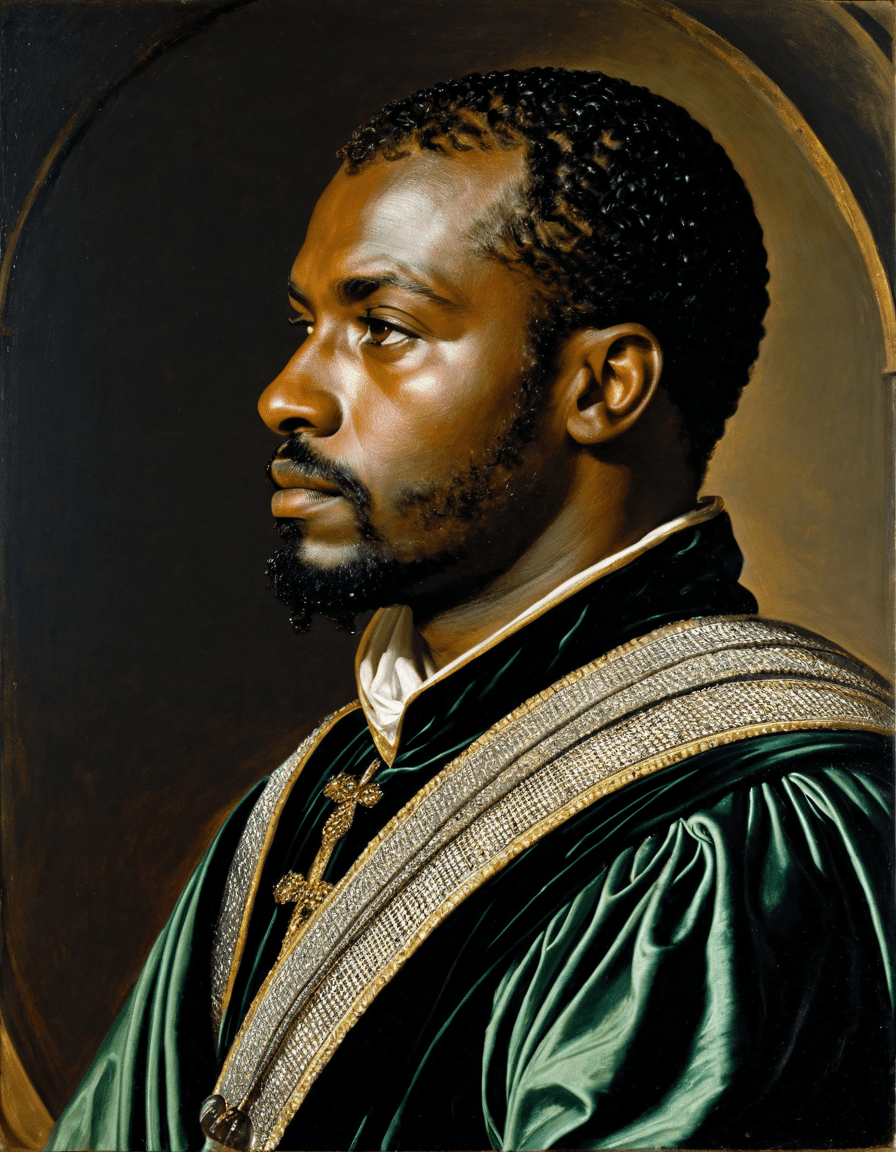
Top 5 Parallel Tragic Figures: Othello, Romeo and Juliet, and Others
Othello’s tragic fate isn’t an isolated case. Other iconic figures share a similar descent into tragedy, and here’s a closer look:
Othello’s Jealousy: A Double-Edged Sword
Othello’s greatest adversary isn’t an external enemy; it’s his own jealousy. This is a common thread throughout literature, showcasing how love can swiftly turn into suspicion. In business or personal relationships, jealousy can fester, causing miscommunication and ultimately damaging trust.
The renowned psychoanalyst Jacques Lacan offers insight into Othello’s psyche, suggesting that his jealousy stems from feelings of inadequacy when measured against Cassio and the expectations of Venetian society. This inner turmoil resonates with many of us. Othello’s tragedy speaks not just to his personal failures but also to how external pressures can lead us astray from our true selves.
As Othello grapples with his identity, his jealousy spirals out of control, demonstrating how internal conflicts can distort our reality. Much like how poor decisions in a business due to emotional strife can lead to significant failures, Othello’s choices sow the seeds of his doom.
The Role of Manipulation: Iago’s Machinations
No discussion about Othello is complete without mentioning Iago. This devious ensign masterfully exploits Othello’s vulnerabilities. Driven by his grievances, Iago disrupts Othello’s nobility, planting seeds of doubt in his mind. His persistent manipulation brings forth feelings of jealousy that ultimately lead to Othello’s downfall.
Iago’s actions demonstrate the darker sides of human nature. His manipulation is a stark warning in any context — be it relationships or business. Just as Bonnie Parker and Clyde Barrow became ensnared by their own destructive choices, Othello finds himself entrapped in Iago’s web. It’s a reminder that one poorly managed relationship can influence our entire lives.
When looking at relationships — personal or professional — ensure those involved have each other’s best interests at heart. Othello’s fate urges us to question motives and discern intentions, drawing parallels to the importance of loyalty and trust in the entrepreneurial arena.
The Alternate Fates of Othello: Adaptations and Interpretations
Throughout the decades, Othello’s narrative has seen various adaptations, each offering its own spin on his character. For instance, the 1995 film “Othello,” featuring Laurence Fishburne, emphasizes racial aspects that intensify Othello’s struggles. This contrasts sharply with Romeo and Juliet, where love and tragedy stem more from familial conflict than personal shortcomings.
These reinterpretations raise compelling questions about fate. Are these characters shaped by their decisions, or are they mere victims of predestined paths laid out by society? The ongoing dialogue between personal agency and societal expectation remains a fascinating topic for discussions around success and failure in today’s world.
In each version, Othello’s emotional complexity remains consistent. His character allows audiences to examine the delicate factors that influence destiny — drawing thoughtful parallels with modern challenges faced in business and life.
The Resonance of Othello Today
Fast forward to today, and Othello’s narrative feels hauntingly familiar. Conversations around race, identity, and personal struggle have only intensified, making his story ever-relevant.
In contemporary contexts, a modern Othello could be anyone grappling with external judgments and internal insecurities, similar to characters in films like the 2016 adaptation starring David Oyelowo. This modern viewpoint invites fresh interpretations of Othello’s jealousy and vulnerabilities, highlighting them as echoes of inherent human flaws.
Through Othello’s journey, we witness how tragedy springs from a potent mix of internal flaws and external pressures. His story serves as a powerful lens through which we can better understand our own hidden struggles with identity and ambition in our careers. It’s essential to keep these lessons at the forefront, helping us navigate the fine line between success and mishap in a competitive landscape.
In conclusion, Othello’s tale continues to resonate because it speaks to the timeless human experiences of jealousy, love, and identity. As we explore these themes, we heighten our understanding of the delicate balance between honor and tragedy, unlocking immense potential for character-driven storytelling in any endeavor. The tragic lessons of Othello remind us to remain vigilant about our choices, emotions, and the motivations of those around us, driving home the truth that the journey of self-awareness can lead to a more fulfilling life—be it personal or business.
Othello: The Tragic Hero and His Enigmatic Fate
Unpacking Othello’s Background
Did you know that Othello is often considered one of Shakespeare’s most complex characters? Originating from a cultural heritage that blends various influences, Othello stands out not just as a Moorish general in the Venetian army but also as an embodiment of the struggles against prejudice and betrayal. His character raises questions about identity and acceptance, themes that can resonate across different creative expressions, much like how Van Morrison has woven storytelling into his music, echoing emotions that span generations. The tragic hero’s story unfolds against a backdrop of jealousy, love, and manipulation, making it a timeless narrative, reminiscent of classics like “The Good, The Bad and The Ugly, where deception and morality intertwine.
The Symbols and Their Significance
As the plot thickens, Othello becomes a canvas for various symbols, notably, the handkerchief that signifies fidelity. The fate of this simple object intertwines with Othello’s emotions and actions, steering the plot toward a tragic climax. This reminds us of how even small details, much like a sequence in Kung fu panda kung, can trigger significant shifts in the narrative. The complexities of trust, betrayal, and perception come to a head as Othello grapples with Iago’s treachery, a theme not unfamiliar to the dynamics between characters like “Deadpool & Wolverine, where friendship and betrayal are often explored in depth.
Othello’s Legacy in Modern Culture
Othello’s influence extends beyond theater and literature, echoing in various aspects of modern culture. His enduring legacy is praised in educational circles, with discussions around the character prompting critical analysis and reflection. Scholars often explore the psychological depth of Othello, drawing parallels to real-world issues, just as discussions around health, like the importance of eye health with My Eye Dr, bring awareness to personal well-being. Even in places like the Montreal Botanical garden, one might ponder the quiet yet powerful reflections on nature that parallel Othello’s internal struggles. As we explore this tragic hero’s narrative, let’s remember that the essence of his story engages us on multiple levels, encouraging deeper conversations about love, trust, and the human experience.