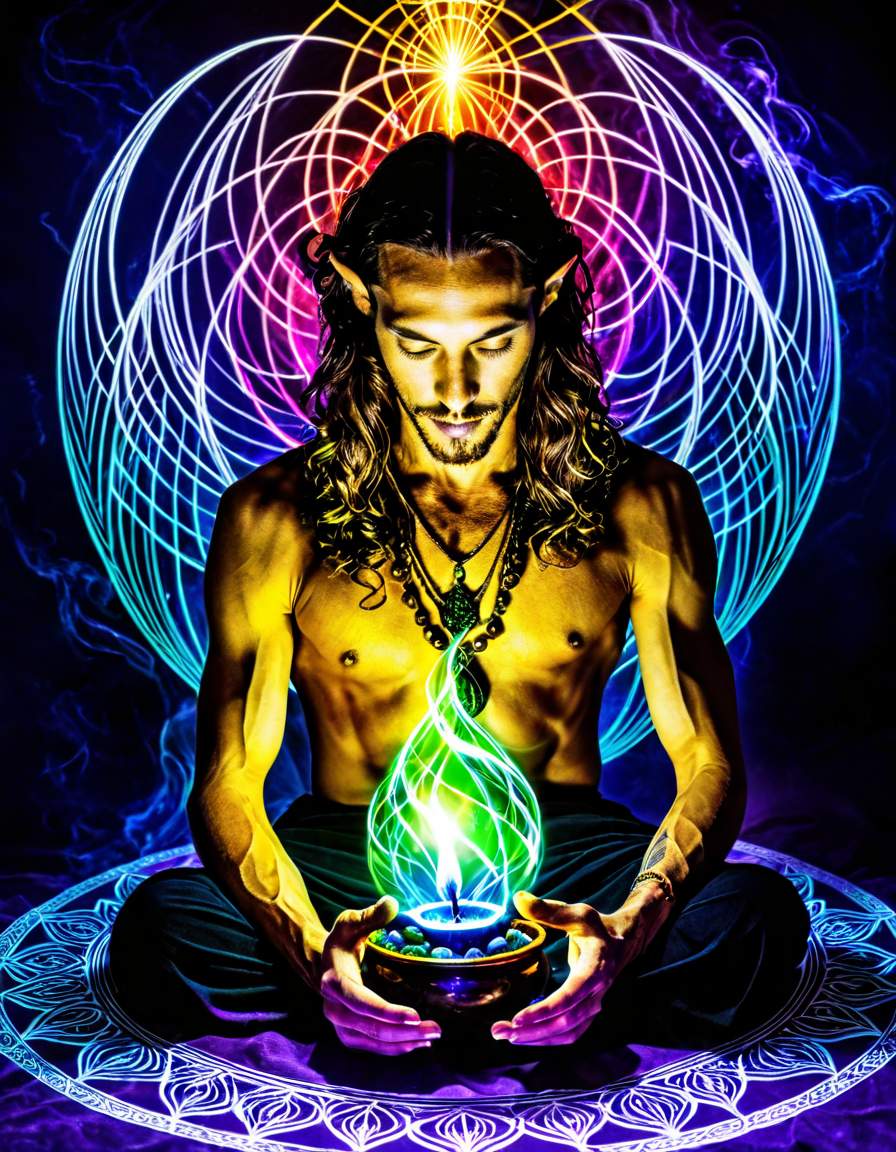
Everyone’s heard whispers about the incubus, haven’t they? This dark figure has a way of sneaking into our dreams, wrapping its shadowy fingers around our minds. But what is it about this legend that keeps us hooked? So, let’s dive into the fascinating world of the incubus and its counterpart, the succubus. These figures don’t just haunt our dreams—they captivate our imaginations and challenge our understanding of desire, fear, and power dynamics. Ready? Let’s go!
7 Fascinating Aspects of the Incubus and Its Counterpart, the Succubus
1. Historical Origins of the Incubus
The allure of the incubus can be traced back to ancient civilizations. Sumerians and Greeks both had tales of nocturnal spirit beings engaging in sexual encounters with humans. In fact, it’s like a tapestry woven with universal fears and fascinations about sleep-induced experiences.
A notable mention comes from texts like the “Malleus Maleficarum,” which documented these entities as tools of witchcraft. This writing contributed to the frenzy of witch hunts in the late medieval period, underscoring society’s struggle between reason and superstition. Crazy, right? But it all hints at how deeply intertwined these legends are with human psychology.
2. Psychological Interpretations of the Incubus Phenomenon
In modern times, psychology provides an enlightening perspective on the incubus experience. A key theory is sleep paralysis, occurring during the REM stage of sleep. This phenomenon often casts a shadowy figure over our sleep, sending chills down the spine. Most folks who experience this relate it back to the incubus myth.
Interestingly, cultural interpretations of these experiences aren’t uniform. Across the globe, different regions have their own manifestations, birthing entities like the succubus. This diversity reflects how dreams and nightmares echo the intricacies of human experience.
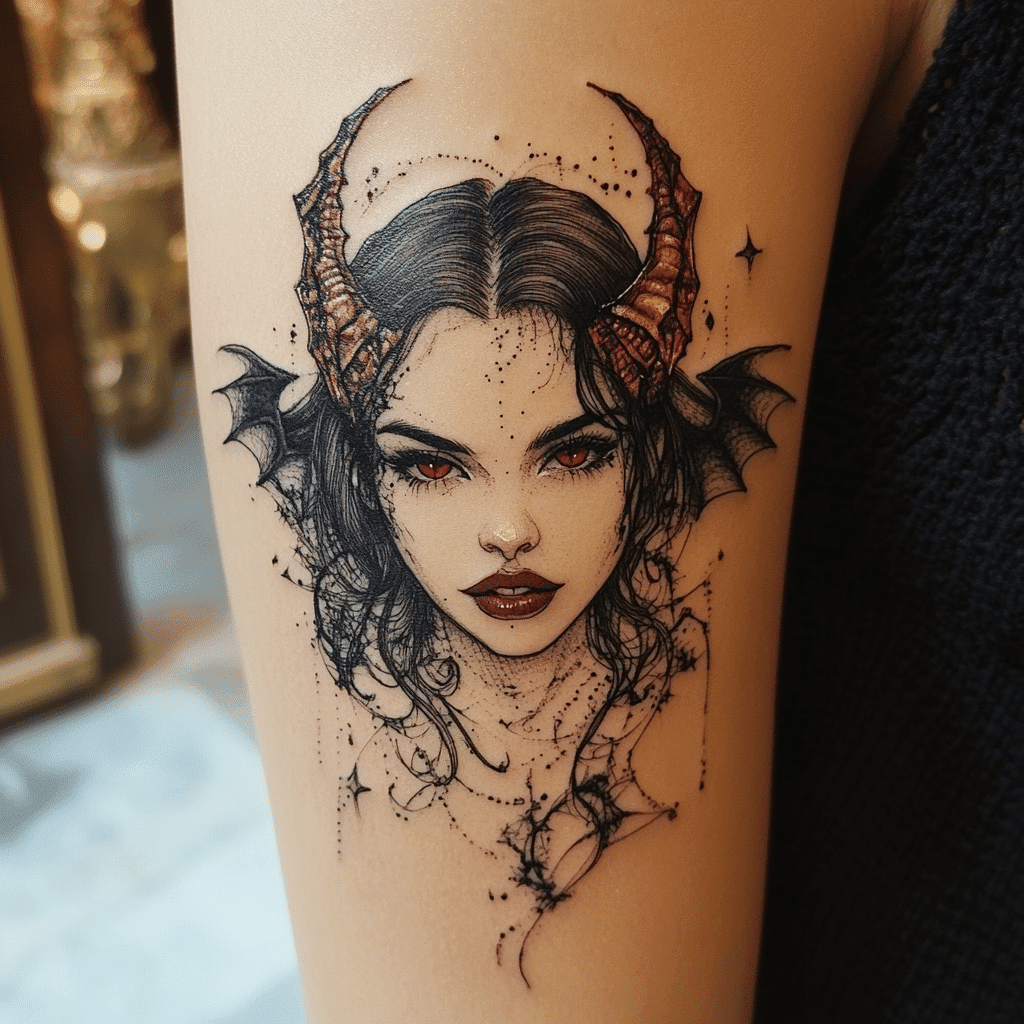
3. The Succubus: An Incubus’ Female Counterpart
Let’s not forget the succubus, the female variation—she’s got captivating stories of her own! While the incubus often steals the spotlight, the succubus represents femininity, seduction, and undeniable power.
Her narrative shifts dramatically across cultures, showcasing the evolving attitudes toward female sexuality. Media portrayals, like the character of Lilith in “The Chilling Adventures of Sabrina,” cleverly echo contemporary views on gender dynamics. Isn’t it fascinating how these stories reflect our societal norms?
4. Meru the Succubus: A Modern Cultural Icon
Now, let’s turn our attention to Meru the Succubus, a character making waves in digital storytelling. This captivating figure seamlessly blends ancient lore with modern dynamics, securing her place in today’s culture.
Through webcomics and various art forms, Meru reignites discussions about sexuality and female empowerment. The fan base surrounding her reveals much about the changing landscape of media representation. Yes, she’s a mythical being, but her character challenges us to rethink consent and representation in ways that squarely plant her in our contemporary conversations.
5. Incubus and Succubus in Popular Media
When you glance at today’s films, television, and literature, you’ll find that incubus and succubus motifs are everywhere. From “The Amityville Horror” to “Supernatural,” these entities don’t just play the role of villains; they symbolize deeper issues like desire and psychological conflict.
Characters embody these legends differently, showcasing a broader narrative about our fears and temptations. It’s a fascinating reflection of how society’s views on love, lust, and fear evolve over time.
6. The Role of Incubus-like Creatures Across Cultures
The concept of the incubus isn’t confined to European folklore. Take the Kama in Hindu tradition, for instance. This figure embodies a similar blend of sexual desire and spiritual interplay.
Globally, while incubus-like entities exhibit differences, fundamental psychological themes often remain consistent. This world of mythologies offers rich insight into our collective experiences, often echoing the same human fears and longings, regardless of cultural background.
7. Dreams, Nightmares, and Contemporary Spiritualism
Interest in spirituality and dream interpretation is experiencing a resurgence in the 21st century. We’re seeing these ancient legends often used as tools for empowerment and self-discovery.
Modern spiritual practices engage with incubus and succubus lore, diving into concepts of personal growth and self-realization. There’s even research on prophetic dreams, suggesting ways we can reclaim power from these nightmarish beings, transforming panic into empowerment.
Exploring the Legacy of Incubus Legends in Modern Society
The legend of the incubus, along with its counterpart, the succubus, is more than just a captivating tale. These figures paint a rich canvas reflecting humanity’s complexities around desire, fear, power, and gender. By peeling back the layers through historical contexts and modern interpretations, we discover that these entities are more than mere nightmares—they serve as mirrors reflecting our deepest yearnings and anxieties.
In a time where myth and reality merge seamlessly, the incubus and succubus remind us of the age-old tales that haunt our dreams. They compel us to confront our desires, fears, and everything in between. Don’t you think it’s time we took a closer look at what lies beneath? Whether you’re drawn to the media surrounding these figures or exploring your own dreams, one thing is clear: the incubus and succubus legends will continue to resonate, urging us to explore our complicated relationship with desire and the subconscious.
Incubus: The Dark Legend Captivating Your Dreams
Origins and Folklore
The term “incubus” comes from Latin, with the word “incubare” meaning “to lie upon.” This mythological creature has long been associated with nightmares, reputedly visiting its victims while they sleep. Interestingly, this legend can be linked to numerous cultures worldwide. The incubus is often depicted as a dark, male figure who preys on the dreams (and sometimes the bodies) of women. In fact, this idea of supernatural beings influencing our sleep is not just confined to one mythology. The concept parallels the tales of sleep paralysis, where individuals wake up unable to move, often feeling an ominous weight upon their chests – a phenomenon many might confuse with a real-life encounter with an incubus!
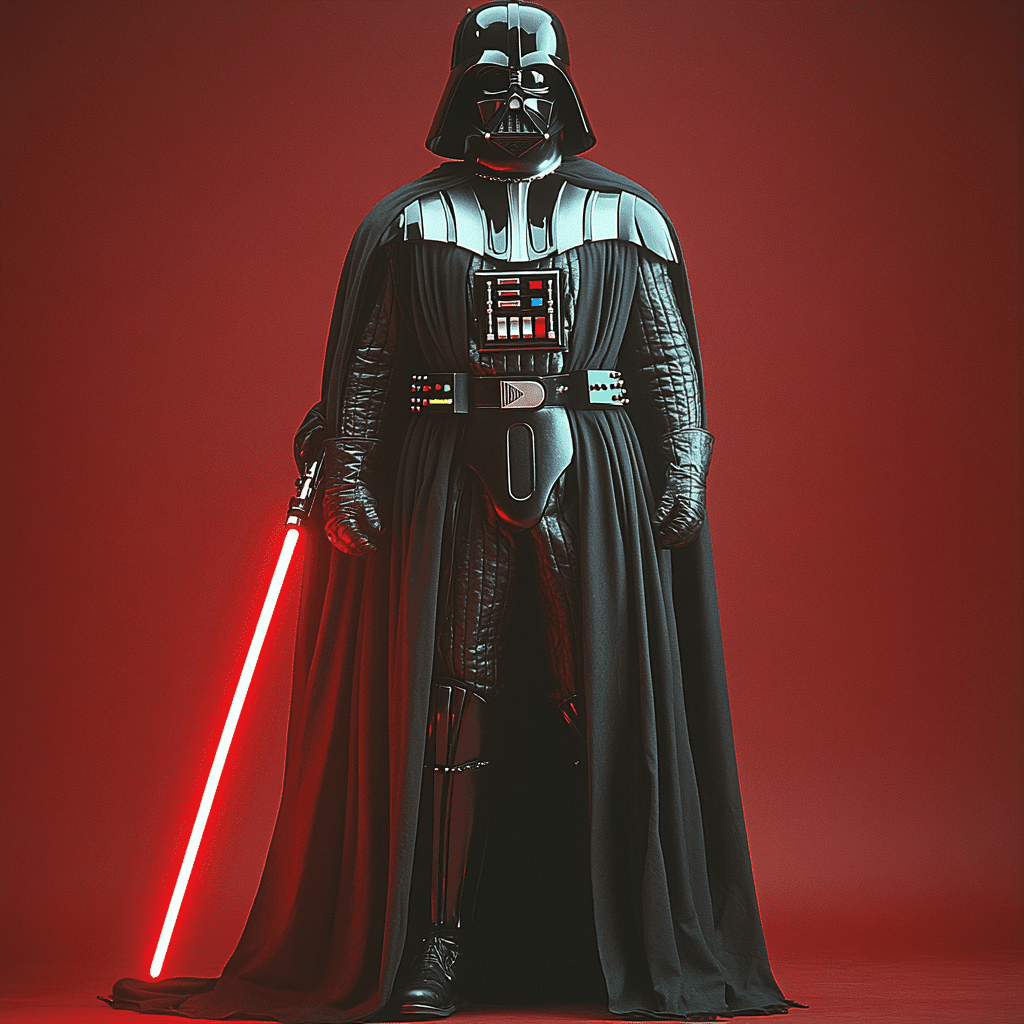
Now, if you’ve ever pondered how an incubus can fit alongside popular media, think of eerie inspiration found in shows like Supernanny. Though the connection might seem odd initially, shows about overcoming fears sometimes touch on our nightmares, evoking those deep-seated primal fears. In much the same vein, the dark themes in Star Wars 1 cast remind us that even fiction leans into the shadows, creating gripping narratives that captivate our imagination.
Inspiration in Music and Art
When it comes to influential figures, artists like Joni Mitchell have often infused their work with themes of love, loss, and the night, making us wonder how close the shadows of dreams and nightmares might be. It’s said that just as Corey Taylor expresses raw emotion through his music, the tales of incubi tap into the darker parts of human experience. This connection sheds light on how day-to-day stress—like monitoring your house interest rate today—can translate into our subconscious, feeding nightmares that feel almost real.
Moreover, the incubus has left its mark on stories and legends throughout history—much like the historical allusions in the Battle Of The Bulge, which speaks to resilience against fears and daunting challenges. By exploring these stories, we uncover a shared cultural obsession with what lurks in the night, leaving audiences both terrified and fascinated.
Incubus in Modern Culture
Fast forward to today, where even our popular culture reflects this timeless folklore. Whether you’re binge-watching how many episodes in “Bridgerton Season 3” or peering into psychological thrillers, the themes of temptation and fear are recurrent. The deep-rooted belief in incubi nudges us to question the dark corners of our psyche. It’s hard not to see the allure—like observing “Inside&Out” reveals the beauty in every shadow and light.
And let’s not forget places like Killyleagh, rumored to be haunted, which injects an element of reality into the myth. This fusion of lore and location sparks our curiosity, pushing many of us to explore our fears while fighting the temptation to turn away from the shadows. As we swirl through these stories of the incubus, we realize it’s not just about fear; it’s about understanding the balance of light and darkness—which ultimately captivates our dreams.