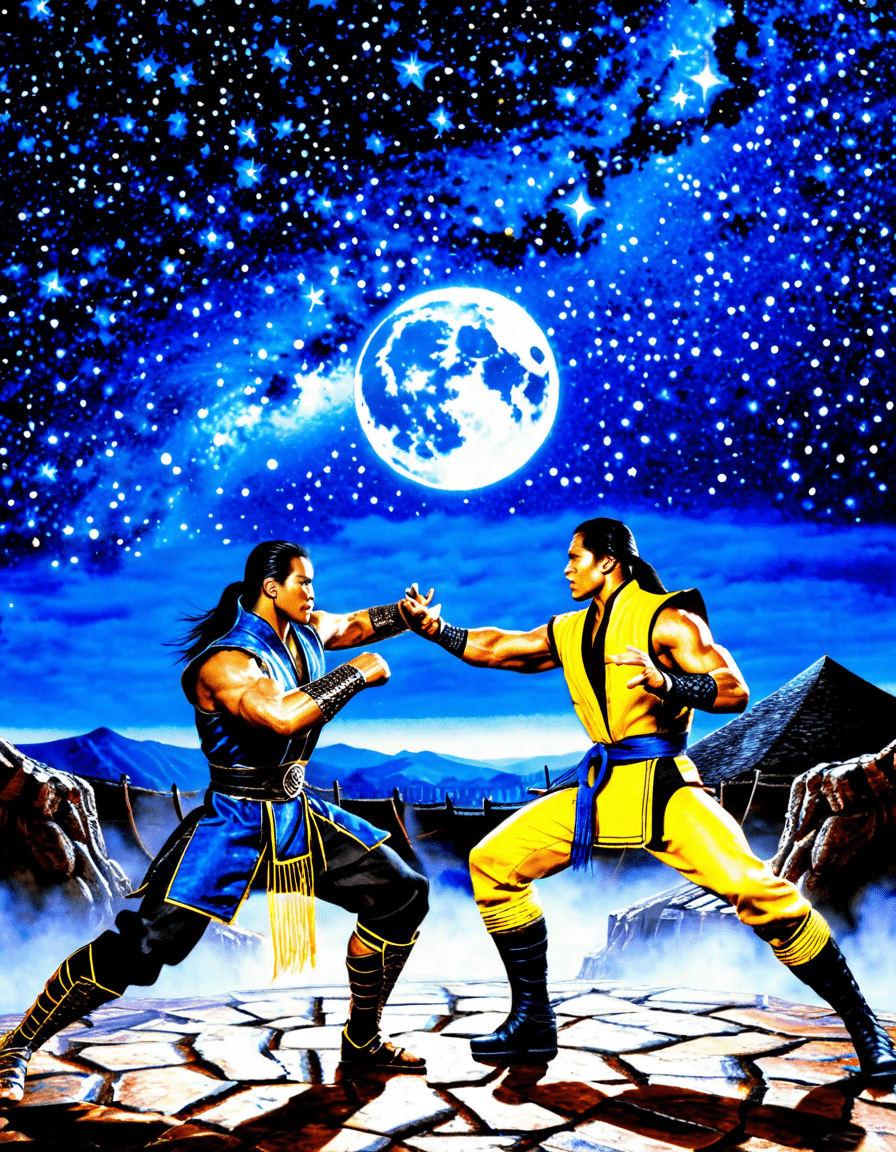
Mortal Kombat 2, released in 1993, stands as a monumental sequel in video game history. It built on the success of its predecessor, offering players not just a game, but a rich experience filled with epic battles, memorable characters, and an unforgettable storyline. This article dives deep into the transformative elements that made Mortal Kombat 2 a cultural landmark and explores how its legacy continues to resonate within the gaming community, even as we venture into 2026.
The game presented an array of characters, each packed with unique abilities and compelling backstories. With iconic fighters like Liu Kang, Kitana, and the ferocious Baraka, Mortal Kombat 2 didn’t just create a memorable experience; it revolutionized the way players engaged with combat mechanics. Fast forward to today, and the traces of Mortal Kombat 2’s influence remain visible in the expansive gaming landscape.
So, why does Mortal Kombat 2 still matter? It’s simple: its thrilling legacy of epic battles is a blueprint that continues to inspire gaming developers and fans alike.
Top 5 Features That Defined Mortal Kombat 2
1. Enhanced Character Diversity
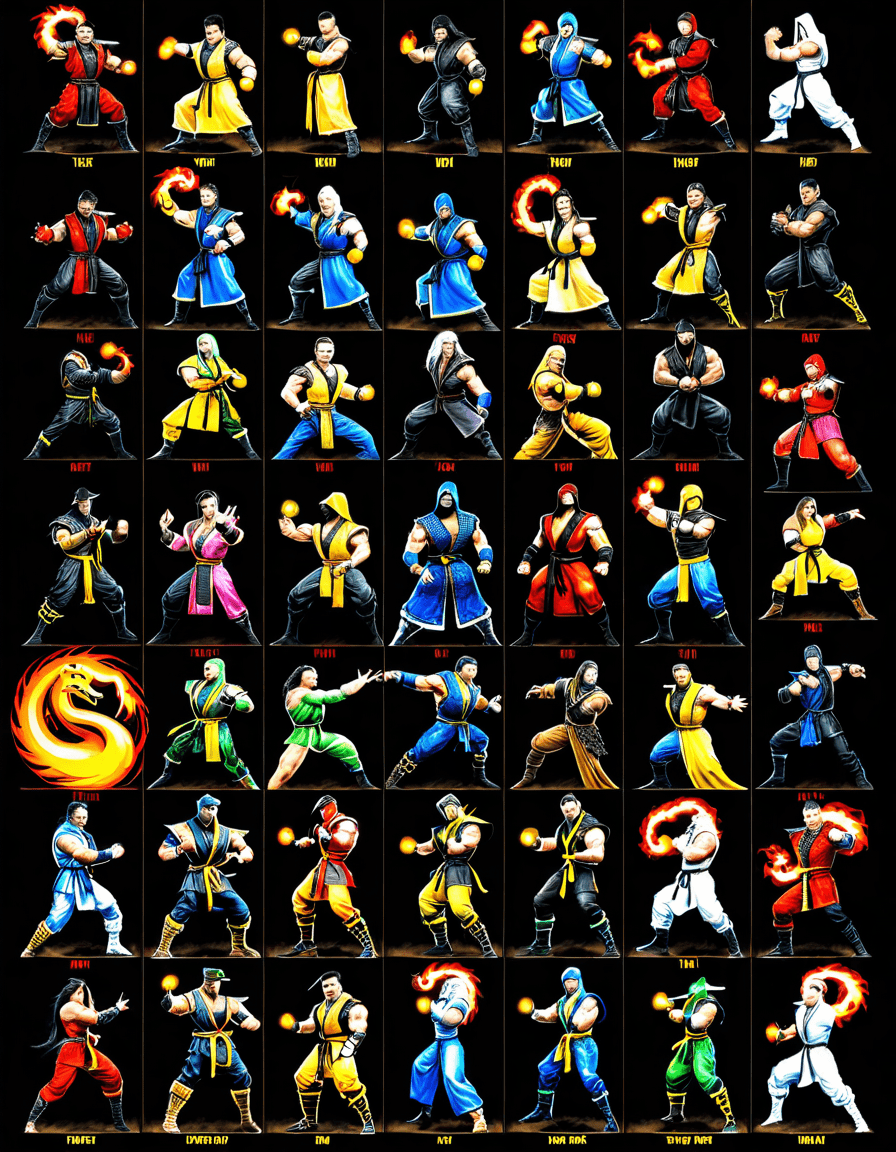
One of the standout features of Mortal Kombat 2 was its enhanced character diversity. The game showcased a bevy of fighters, each boasting distinct fighting styles and captivating backstories. Characters like Liu Kang, who represented bravery, and Kitana, a fierce warrior with a tragic past, added layers to the gameplay experience.
This rich variety allowed players to find their favorite fighters and understand their motivations, making the battles more engaging. The unique abilities of each character appealed to different play styles, ensuring that whether you liked brute strength or quick agility, Mortal Kombat 2 had something for everyone.
Furthermore, this diversity wasn’t just for show. It encouraged players to experiment with different characters and master unique strategies, something that has become a staple in modern fighting games.
2. Fatalities: The Pinnacle of Over-the-Top Combat
Every fan of the franchise knows about Fatalities. Mortal Kombat 2 took these finishing moves to extremes, transforming battles into visually spectacular experiences. The game famously popularized “Fatalities,” allowing players to finish off their opponents in style—often in the most gruesome ways imaginable.
Liu Kang’s “Dragon Fatality” became one of the most recognized finishing moves in gaming history, setting the standard for what a finishing move should be. It not only reflected the game’s stylish brutality but also helped define the Mortal Kombat series’ identity. By pushing the envelope of what gaming could display, Mortal Kombat 2 ensured that each fight climaxed with an exhilarating spectacle.
In terms of lasting impact, these Fatalities became a benchmark for future fighting games. Developers have consistently looked at how to make their games as memorable and exciting, borrowing concepts from Mortal Kombat’s drastic approach to combat.
3. Storytelling Evolved: The Outworld Saga
Mortal Kombat 2 didn’t just stop at fighting; it introduced a rich narrative that pulled players into the Outworld saga. The game expanded its lore, exploring the treacherous realm ruled by the evil Shao Kahn. This wasn’t mere background fluff; it significantly enriched gameplay and offered a draw for those players interested in storytelling.
The complex interactions among characters and their backstories crafted a compelling universe that continues to inspire future adaptations, be it movies, comic books, or spin-offs. Following Mortal Kombat 2, the franchise cornered the market on character-driven narratives, leading to modern-day games that seamlessly blend storytelling with action.
As players dive deeper into this intricate world, they find themselves emotionally invested in the fate of their characters. This connection keeps both long-time fans and new players engaged in the Mortal Kombat saga, proving that good storytelling holds tremendous value in game design.
4. Rise of Memorable Villains: Iconic Antagonists
What’s a great story without formidable villains? Mortal Kombat 2 brought memorable adversaries like Shang Tsung and Kintaro to life. These characters defined higher stakes for the players, creating urgency in every encounter.
Shang Tsung, with his ability to shape-shift, made every confrontation unpredictable. His cunning nature kept players on their toes, and Kintaro’s brute strength added a layer of challenge that demanded skill and strategy. These interactions shaped the gaming experience, making the battles far more dynamic.
The enduring impact of these villains can be felt in spin-offs and adaptations, influencing how antagonists are portrayed within the entire fighting genre. With each new installment, Mortal Kombat continues to build on these legendary characters, keeping them relevant to newer audiences.
5. Freddy Krueger’s Legacy: A Cameo That Slashed Boundaries
Although Freddy Krueger wasn’t part of Mortal Kombat 2, his eventual inclusion in the franchise with Mortal Kombat 9 (2011) highlights how Mortal Kombat continually adapts. The introduction of iconic characters from pop culture reflects the series’ versatility.
This blending of horror and fighting genres not only reinvigorated interest in the franchise but also opened doors for unique crossovers. Fans began to see how Mortal Kombat could maintain relevance by pulling from popular culture, introducing fresh elements that keep the gameplay exciting.
You have to hand it to the creators; by connecting their game with cinematic icons like Freddy Krueger, they’ve cultivated a legacy that transcends traditional gaming boundaries. What’s next, I wonder?
The Cultural Impact of Mortal Kombat 2
Mortal Kombat 2 went beyond just being a classic video game; it reshaped popular culture. With its adaptation into films and merchandise, the franchise aligned itself with societal themes like good versus evil. These themes helped cement its position in cultural history.
The controversies sparked around violence in video games saw Mortal Kombat at the forefront of debates regarding media influence. As an essential part of the conversation, it shaped how future games were developed and regulated. This controversy only fueled interest, allowing the franchise to attain iconic status.
And let’s not forget the massive merchandising boom that followed. From action figures to t-shirts, Mortal Kombat breathed life into a multimedia empire.
The Evolution of Fighting Games Post-Mortal Kombat 2
The monumental success of Mortal Kombat 2 set a benchmark for fighting games that followed. Developers began focusing on character-driven narratives, as seen in titles like Tekken and Street Fighter. Unique special moves became standard, with most newer games weaving intricate stories into their frameworks.
Additionally, the growth of downloadable content (DLC) and seasonal expansions can trace roots back to Mortal Kombat’s commitment to enriching gameplay. As new features and fighters were introduced, it kept players engaged and encouraged them to continue returning to the game.
The evolution of fighting games reflects a deep respect for the legacy left by Mortal Kombat 2, reminding developers to prioritize creativity and player experience continually.
The Enduring Legacy of Mortal Kombat 2
As we look to the future, the legacy of Mortal Kombat 2 remains a testament to relentless innovation. Its unforgettable gameplay, iconic characters, and audacious storytelling laid the groundwork for the franchise’s growth, making it a pivotal chapter in video game history.
Even as the gaming community evolves, the spirit of Mortal Kombat 2 continues to resonate. It drives creators to push boundaries, exploring fresh ideas while engaging new generations of players.
Mortal Kombat 2 is more than just a video game; it’s a vibrant thread woven into the fabric of pop culture. Its thrilling legacy of epic battles is a promise of innovations still to come, inspiring passion in players and developers alike.
In essence, Mortal Kombat 2 didn’t just leave a mark; it carved a niche that will continue to influence gaming for years to come. It’s a reminder to all of us, whether in gaming or business, to keep pushing forward—even when the stakes are high. When you embrace evolution, you ensure that your journey remains as thrilling as the battles fought in Mortal Kombat.
Mortal Kombat 2: Fun Trivia and Interesting Facts
Legendary Characters and Their Inspirations
Mortal Kombat 2 expanded the franchise with unforgettable characters like Kitana and Liu Kang, each with their unique backstories that sparked fans’ imaginations. Did you know that the character design often drew inspiration from iconic pop culture? For instance, Kitana’s nimbleness and deadly fans remind some fans of martial arts legends, while Liu Kang’s moves echo classic kung fu cinema. This fusion of styles helps Mortal Kombat 2 stand out, much like Bon Jovi And his ability to fuse rock with narrative storytelling. Speaking of legends, characters like Raiden were influenced by Asian mythology and were designed to resonate on a deeper cultural level, ensuring players engaged with a broader narrative.
Yummy Secrets Behind Development
Behind the scenes, Mortal Kombat 2’s development team was renowned for their creative spirit and penchant for conducting some wild experiments, almost like a baking mishap as you might find in a Bundt cake recipe! The team wasn’t all about fighting; they also enjoyed injecting humor into the game, leading to iconic moves and phrases like “Finish Him! A quirky fact is that there were even Easter eggs hidden in the game, echoing the magical flair of an abracadabra moment. Want to know more about fun phrases in gaming? You might find some delight in the latest on Chase Stokes and his explorations in film and television, as he often emphasizes memorable quotes in storytelling.
Interesting Tidbits on Gameplay
Mortal Kombat 2 wasn’t just about character battles; it introduced innovative gameplay mechanics that shifted gaming experiences. Players were amazed by the combo system that made each battle feel fresh and exhilarating. Surprisingly, it was so successful that it created a following akin to that of early arcade games! Glitches also added charm, sometimes leading to amusing outcomes akin to how Jeff Fahey has delivered unforgettable moments in his films. As if you were mastering how to pair a Firestick remote for a night of gaming, these little discoveries kept players coming back for more.
As we reminisce about the thrilling legacy of Mortal Kombat 2, these nuggets of trivia not only add flavor but also celebrate the ingenuity that made it a landmark in gaming history. Just like those childhood memories riding a big wheel bike, the battles and characters have remained etched in our minds, illustrating the unforgettable joy of Mortal Kombat 2!