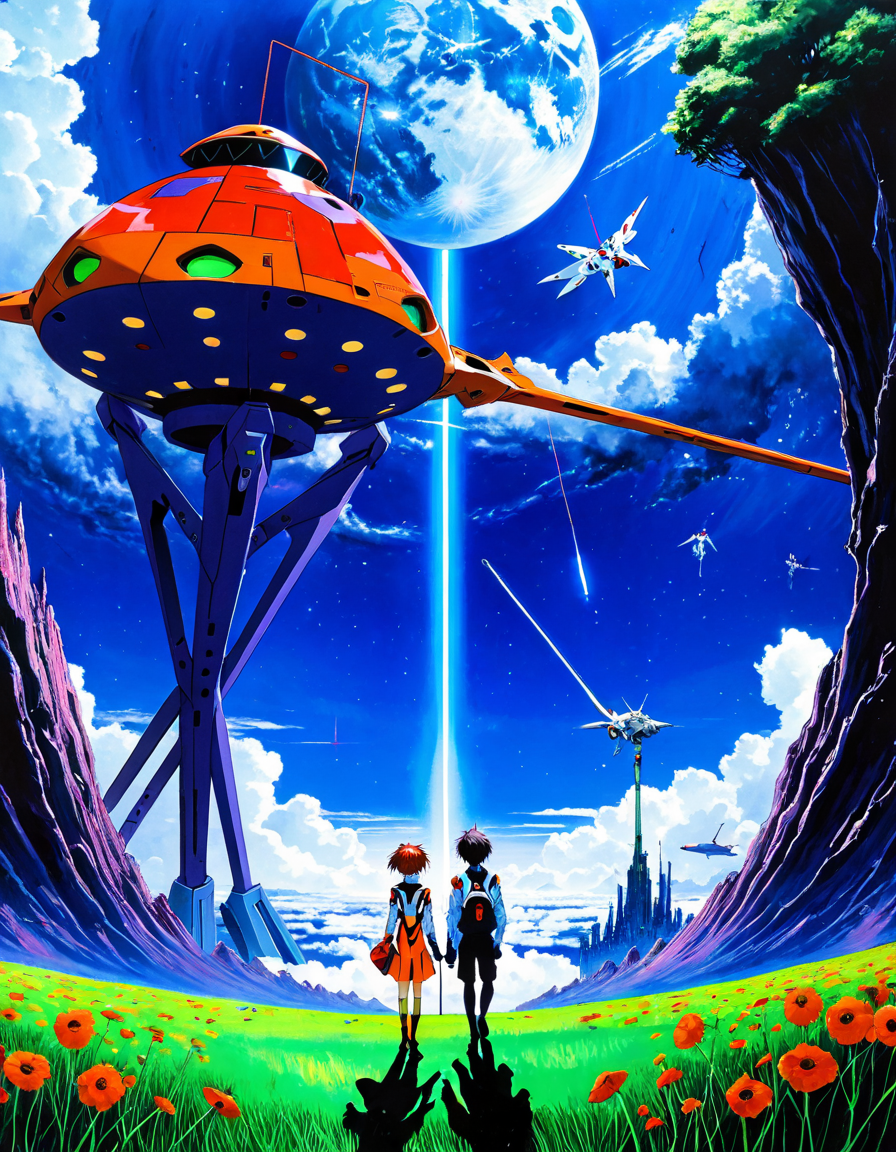
Neon Genesis evangelion, an anime that first graced our screens in the mid-1990s, remains an iconic touchstone within popular culture. The series weaves together themes of existential struggles, mental health, and the intricate web of human relationships, all wrapped in a tantalizing science fiction framework. It’s a complex tale that draws viewers in, opening their eyes to the usually unspoken challenges of life.
Back then, Evangelion changed the game, influencing writers, creators, and artists in ways many couldn’t have imagined. From films to video games, the franchise has expanded far beyond just a show. Let’s explore what makes Evangelion a phenomenon and how its ripples continue to affect us today.
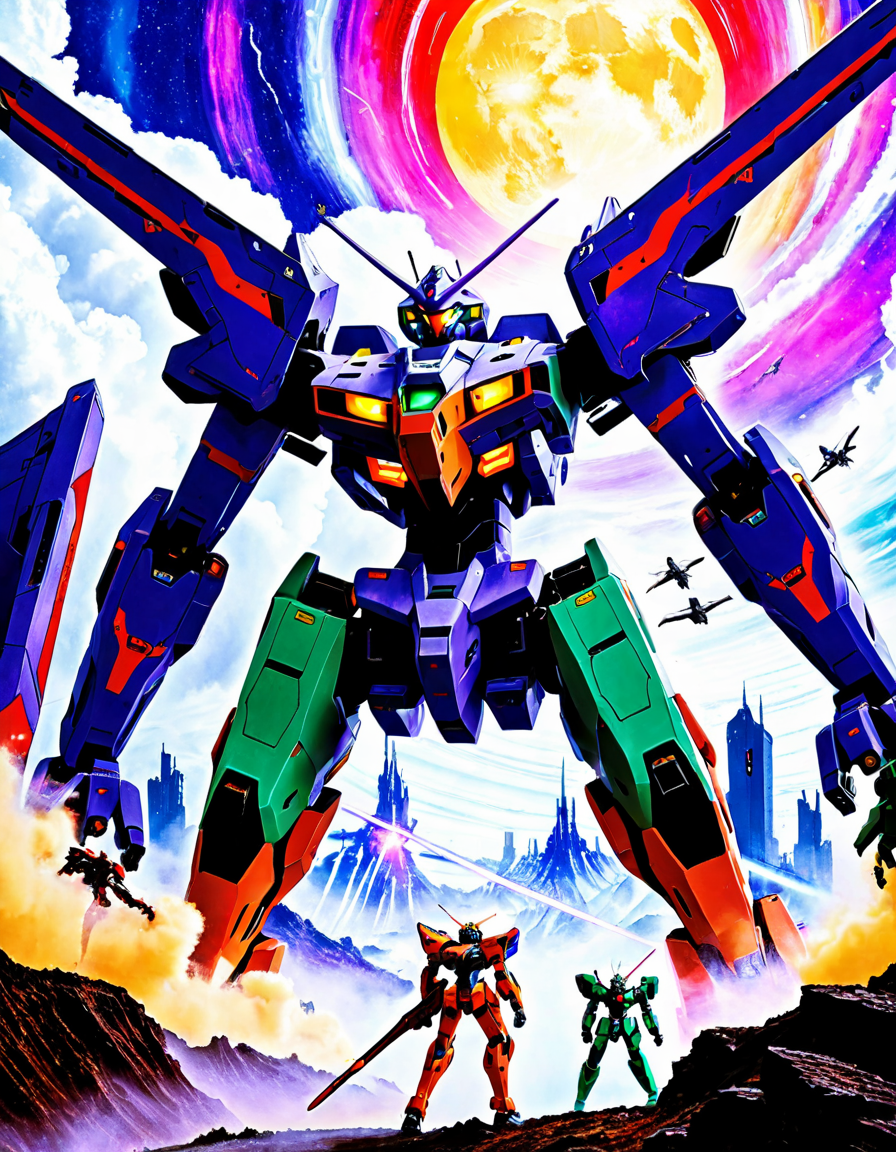
The Evangelion Phenomenon: A Deep Dive into Its Legacy
At its core, Evangelion tackles what it means to exist, the intensity of human emotions, and the turmoil of interpersonal connections. Whether you’re a lifelong fan or a newcomer, the emotional pulse of the series resonates. One captivating aspect is its ability to bring forth discussions of mental health that were sparse in the media landscape of the ’90s. Characters like Shinji Ikari echo the struggles many of us face in our own lives, embracing the notion that it’s okay to be vulnerable.
Moreover, the artistic storytelling has also played a critical role in its lasting legacy. With layered complexities hidden within each frame, Evangelion holds a mirror to society’s own quirks and flaws. Murphy’s Law—which states that anything that can go wrong will go wrong—speaks volumes when reflecting on the unpredictable nature of life, a relevant theme throughout the series.
The imagery, pace, and symbolic depth of Evangelion stand tall as an artistic encounter. Fans often find themselves lost in its lush visuals and haunting soundtracks, demonstrating how a well-crafted series can touch the very essence of humanity. If you haven’t yet taken this journey through Neon Genesis Evangelion, you’ll find not just a show but an experience that defines and challenges you.
Top 7 Ways Evangelion Changed the Landscape of Anime
Evangelion broke the mold with its non-linear storytelling style, inviting viewers to connect events through emotional threads rather than chronological order. It wasn’t just about action; it was a deep dive into the psyche of its characters. This change challenged what it meant to create a compelling narrative.
Forget the stereotypical “good guy” versus “bad guy.” Evangelion brought multidimensional characters to the forefront, each with their troubles and growth. Shinji represents the awkwardness of adolescence, while other characters provide varying perspectives on relationship dynamics, creating a richly layered human experience.
The show isn’t afraid to confront hefty questions, delving into topics like the nature of existence and the suffering that accompanies life. It’s not just an anime; it’s a philosophical conversation starter. The discussions sparked by Evangelion even reach academic circles, making it a reference point for narratives in animated media.
When it comes to setting the tone, the score of Evangelion shines bright. Composed by Shiro Sagisu, the interplay of classical sounds elevates the emotional stakes and responds to the on-screen tension. Songs like “A Cruel Angel’s Thesis” have become generational anthems, closely tied to the series’ impactful memory.
Innovating through both traditional cel techniques and experimental visuals, Evangelion set the stage for future masterpieces, inspiring shows like “Attack on Titan” and “Your Name.” Its approach emphasizes storytelling through aesthetic visuals, challenging creators to create art that captivates the eye and the heart.
Evangelion isn’t just a narrative; it holds a mirror to the anime fandom itself. By unpacking its own tropes, the series encourages fans to reflect on what they consume. This self-awareness is a refreshing commentary that fosters dialogue within the anime community.
Passionate fans have formed dedicated communities, providing spaces for discussions and analyses that honor the show’s intricate themes. These spaces help keep Evangelion alive, allowing it to spark new interpretations and continue inspiring future creators.
The Quicksilver Book: Literature Reflecting Evangelion’s Impact
Recently, several literary works have echoed themes from Evangelion, with authors capturing its essence in their narratives. One poignant example is Haruki Murakami’s “Colorless Tsukuru Tazaki and His Years of Pilgrimage.” The protagonist experiences isolation akin to Shinji’s, embodying the emotional turmoil we often encounter in our pursuit of connection.
Additionally, the idea of “quicksilver”—the fluidity and elusiveness of mercury—serves as a fitting metaphor for Evangelion and its enduring influence. Just like quicksilver, the themes from the series deftly seep into various aspects of contemporary culture, reminding us of the ongoing struggles of humanity.
This literary connection emphasizes how Evangelion opened pathways for creators beyond just anime. The rich themes and complicated characters have paved the way for nuanced storytelling across genres, inspiring countless writers to take a more profound approach to character development.
Legacy and Continuing Influence
As we continue to bask in the glow of Evangelion’s influence, it’s worth noting how its themes resonate with today’s creators. Series like “The Promised Neverland” and “Dorohedoro” carry forward intricate narratives and character arcs reminiscent of the storytelling styles pioneered by Evangelion. This ongoing evolution underscores the power of storytelling and how it can reflect the human condition.
Moreover, the impact of Evangelion spreads like wildfire through various industries—be it gaming, film, or animations. Contemporary media creators regularly weave in the philosophical explorations found within Evangelion, acknowledging its foundations as they craft their narratives.
Ultimately, Neon Genesis Evangelion stands tall as more than just an anime; it’s a multi-faceted tapestry of artistic expression questioning existence and challenging perceptions. Its lasting legacy, marked by accolades and critiques, assures that it will keep influencing storytelling for years to come, standing testament to the transformative power of art in modern culture.
Evangelion: Fun Trivia and Interesting Facts
The Genesis of Evangelion
Have you ever questioned what’s behind the iconic mechas of Evangelion? Well, it all started with Hideaki Anno’s ambition to create something more than just a conventional anime. Initially conceived as a giant robot series, Evangelion evolved into a complex psychological narrative that dives deep into the human psyche—think Murphy’s Law, where things don’t go as planned, and chaos reigns. Anno wanted to challenge the tropes of the genre, pushing boundaries in storytelling. This reimagining resonates with thinkers like Noam Chomsky, whose philosophies often emphasize the importance of questioning the status quo.
Characters That Speak Volumes
The characters of Evangelion are just as compelling as its storyline, capturing the hearts and minds of fans across the globe. Shinji Ikari isn’t your typical hero; he’s flawed and relatable, grappling with his fear of rejection. In fact, many people have drawn parallels between his struggles and the experiences of real-world figures. Interestingly, Evangelion has had a lasting influence on pop culture, inspiring not just anime enthusiasts but also creators of live-action series like Luke Cage. Talk about a cultural crossover!
The Lasting Impact of Evangelion
What makes Evangelion truly special is its lasting impact. It helped usher in a new era for anime, appealing to a wide audience beyond just fans of the genre. The series blended elements of science fiction with existential themes, making it a hot topic of discussion in various circles, including film critiques from modern-day commentators like Mary Hart. Additionally, it’s fascinating how Evangelion explored themes of identity and connection, creating a cultural phenomenon that echoes through the corridors of modern storytelling. Did you know that the show even inspired creators of popular titles like The TV Series shooter? It’s just another example of how Evangelion has permeated diverse aspects of entertainment.
So, whether you’re an old-school fan or a newbie to the Evangelion universe, there’s always more to discover. From its palpable characters to its philosophical underpinnings, Evangelion hasn’t just survived; it thrives, stirring conversations and reflections that are as relevant today as they were upon its inception. And who wouldn’t want to dive into that grapevine of creativity and thought?