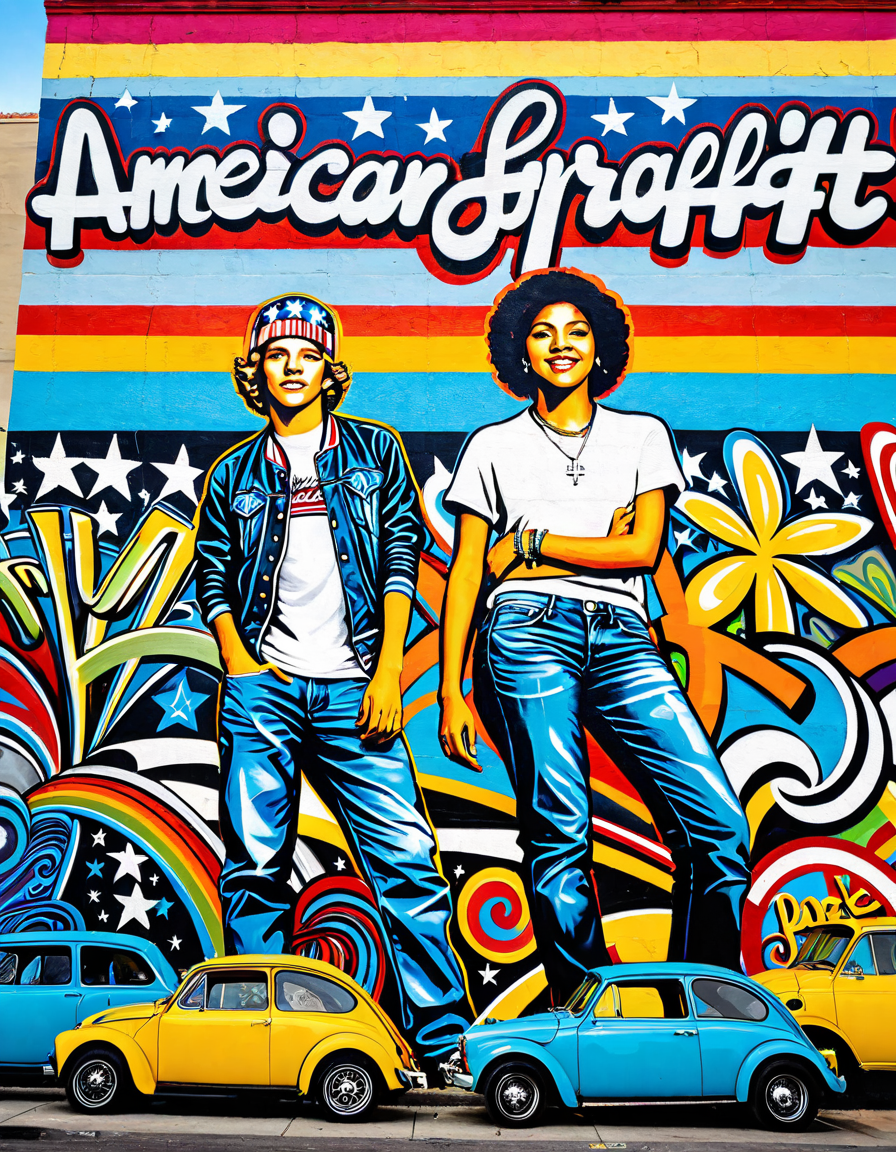
American Graffiti, directed by George Lucas and released in 1973, serves as a nostalgic lens through which we can examine the essence of youth culture in the 1960s. This iconic film paints a vibrant picture of the lives and choices of teenagers during a pivotal time in American history, capturing the carefree spirit that defined an entire generation. By exploring the thematic elements and cultural icons represented in American Graffiti, we uncover layers of meaning that resonate even today.
The film is a treasure trove of memories and serves as a reflection of a society undergoing tremendous change. It mirrors the aspirations of youth in a time where freedom and individuality began to flourish. As we dive into the elements that shape the youth experience depicted in American Graffiti, it’s clear that the film’s relevance transcends its era, connecting deeply with the modern audience.
The Enduring Legacy of American Graffiti
American Graffiti offers a glimpse into a world where car culture thrived, fashion was bold, and rock ‘n’ roll ruled the airwaves. This film isn’t just a trip down memory lane; it’s a narrative that showcases the universal themes of growing up, grappling with relationships, and seeking one’s place in the world.
In a society that often celebrates superficial connections, American Graffiti shows the importance of genuine friendships and face-to-face interactions. The diverse cast of characters allows viewers to relate to their struggles and triumphs, making it not just a film but a companion for everyone wrestling with their own youth experiences. It’s an exploration of a generation’s heart – and it beats as strongly today as it did over fifty years ago.
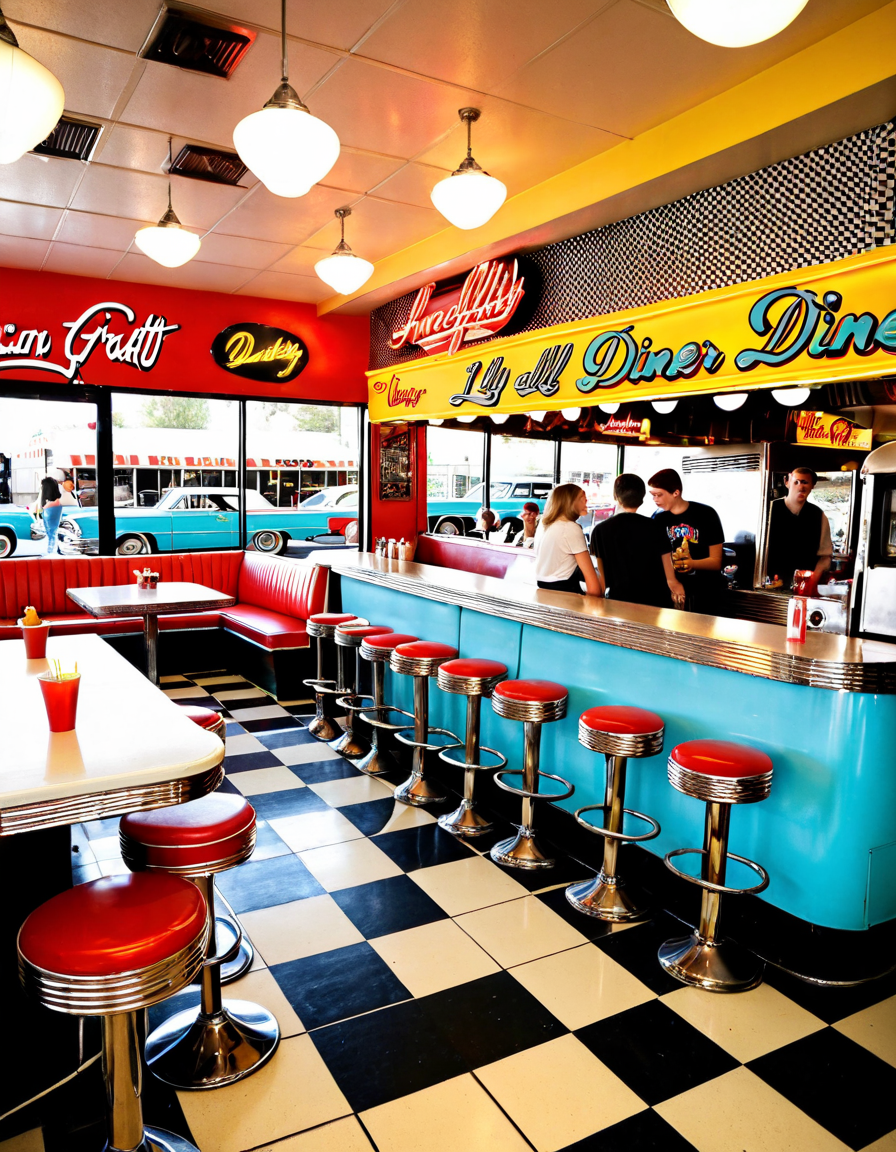
Top 5 Elements of American Graffiti That Define 60s Youth
American Graffiti showcases the vibrant essence of the 60s through various key elements that stand out:
1. The Car Culture: A Symbol of Freedom
In American Graffiti, cars aren’t just slick machines; they embody freedom and rebellion among the youth. Just like the Volkswagen Beetle – a symbol of the era – these vehicles inspire adventure and exploration. The film’s portrayal of late-night drives and cruising showcases the desire to break free from the constraints of society, mirroring the mindset of young people everywhere. Cars in the film are extensions of the characters’ identities, a crucial part of their quest for self-discovery.
2. Iconic Fashion Statements: Channeling Yves Saint Laurent
Fashion in American Graffiti reflects the boldness and creativity of the 60s, heavily influenced by designers like Yves Saint Laurent. From snug jeans to vibrant patterns, the clothing speaks volumes about the characters’ personalities and their desire to express individuality. This fashion landscape paved the way for modern trends that continue to, dare I say, echo the audacity of those times, proving that style is an everlasting form of self-expression.
3. Soundtrack of a Generation
The film features a soundtrack that transports viewers straight into the vibe of the 1960s. Imagine the electric energy of the Beach Boys’ harmonies and Chuck Berry’s guitar riffs threading together the scenes. Much like how the musical score in Bruce Almighty weaves the narrative with emotions, the music in American Graffiti sets the emotional tone and primes the audience for nostalgia. Each track isn’t just background noise; it’s anthems that speak to love, aspirations, and young dreams.
4. The Influence of Social Dynamics on Relationships
American Graffiti intricately explores different relationship dynamics that shape the lives of its characters. Friendship, loyalty, and heartbreak are themes that pulse through the narrative, reflecting real-life scenarios teens grappled with. Much like the interpersonal conflicts portrayed in American Sniper, the film captures the push and pull between friends, lovers, and enemies, highlighting how societal shifts impacted youth relationships during a time of significant change.
5. A Journey of Self-Discovery: Echoes in Napoleon Dynamite
American Graffiti parallels the exploration of individuality seen in films like Napoleon Dynamite, where characters embrace their unique quirks and pursuits. Each character embodies a distinct aspect of youth identity, whether it’s the rebellious spirit or the longing for acceptance. This journey of self-discovery resonates in today’s society, reminding us how important it is for young people to embrace their individuality amidst external pressures.
The Cultural Relevance of American Graffiti Today
As we analyze the historical and cultural impact of American Graffiti, it becomes evident that its themes continue to resonate in contemporary society. The film’s exploration of adolescence speaks directly to modern youth navigating their identities within a fast-paced, media-saturated world.
The challenges faced by youth aren’t that different from those in the 60s; pressures abound, and the pursuit of authenticity remains ever-relevant. Today’s filmmakers and artists draw upon American Graffiti’s legacy, infusing new works with themes of rebellion and individuality, proving the film’s influence extends far beyond its initial release. Just look at how younger generations embrace nostalgia through fashion, music, and art.
The way young people connect via social media channels can often feel shallow. However, American Graffiti reminds us of the importance of building real communities. The heartfelt interactions seen in the film inspire motivation for today’s youth to seek depth in their friendships and relationships.
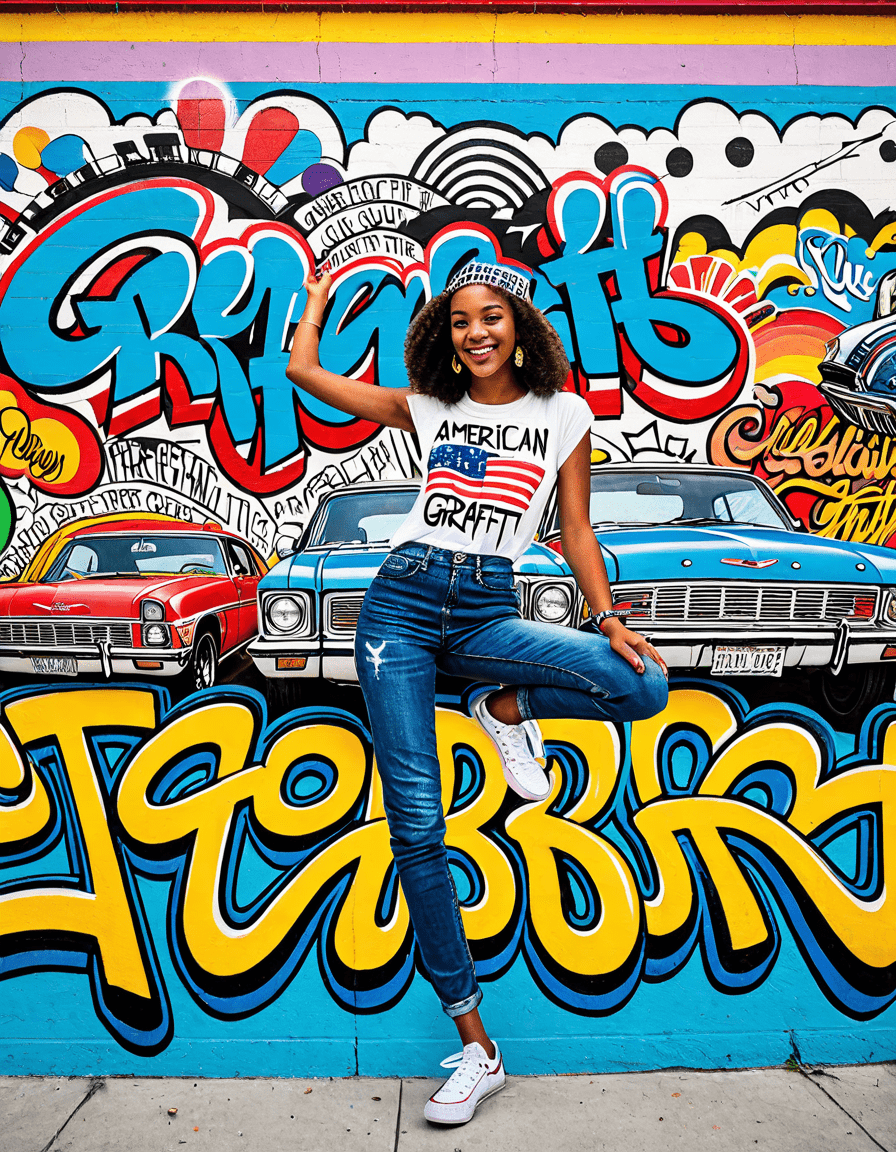
Lessons for Today’s Youth from American Graffiti
American Graffiti imparts valuable life lessons for the current generation. The film beautifully expresses the significance of friendship, the joys of youth, and the journey of self-discovery, creating timeless truths that hold water even now.
Final Reflections: The Timeless Spirit of Youth
In examining American Graffiti, we not only appreciate a cinematic achievement but also gain insights into the universal experiences of youth across different eras. Its legacy continues to inspire contemporary culture, urging each generation to embrace their individuality and value human connections.
So, as we reflect on the impact of American Graffiti, let’s celebrate the vibrancy of youth. Times may change, but the essence of youthful exploration remains a powerful force shaping our world. Whether you’re cruising down the street or daydreaming about your future, let the spirit of discovery and adventure guide you in this ever-evolving journey of life. Whether you’re pushing boundaries as Taraji P. Henson does in her roles or chasing your passions like athletes tackling bold routines, the indomitable spirit captured in American Graffiti still fuels the fire within us all.
American Graffiti: Capturing the Spirit of ’60s Youth
The Cinematic Time Capsule
Released in 1973, American Graffiti stands as a captivating tribute to the youthful culture of the 1960s. It’s like a nostalgic snapshot of a generation that lived for cruising, music, and a sense of freedom. The film not only highlights the music of the era but even features a stellar soundtrack that mirrors the emotional highs and lows of that time. The catchy tunes, much like the Lyrics To wan na be Startin Somethin, keep viewers tapping their feet as they dive into this slice of Americana. Interestingly, many of its cast members went on to achieve fame in other projects, proving that the movie was indeed a launching pad for talent.
Behind the Scenes and Fun Facts
Here’s a little trivia to tickle your brain: did you know that nearly all of the cars in American Graffiti were authentic vintage models? That’s right! The filmmakers went the extra mile to capture the essence of the cruising experience. This attention to detail contributes to its charm, comparable to how shows like La Brea strive for visual authenticity in their storytelling. Plus, the film showcases notable actors such as Ron Howard and Harrison Ford, offering a glimpse of their early careers, much like the smooth moves of Simone Biles in her floor routine, where every twist and flip captivates the audience’s attention.
Cultural Impact and Enduring Legacy
The cultural significance of American Graffiti can’t be overstated. Not only did it inspire a generation to reminisce about their own youthful adventures, but it also established tropes that still resonate in today’s media landscape. Think of the witty banter and coming-of-age themes reflected in modern favorites like Central Intelligence. Plus, American Graffiti sparked a resurgence in interest in rock ‘n’ roll, bringing more classic tunes to new audiences. As we reminisce, we might compare its enduring appeal to timeless treasures like Forever Young, capturing the essence of youthfulness and carefree spirits across decades.