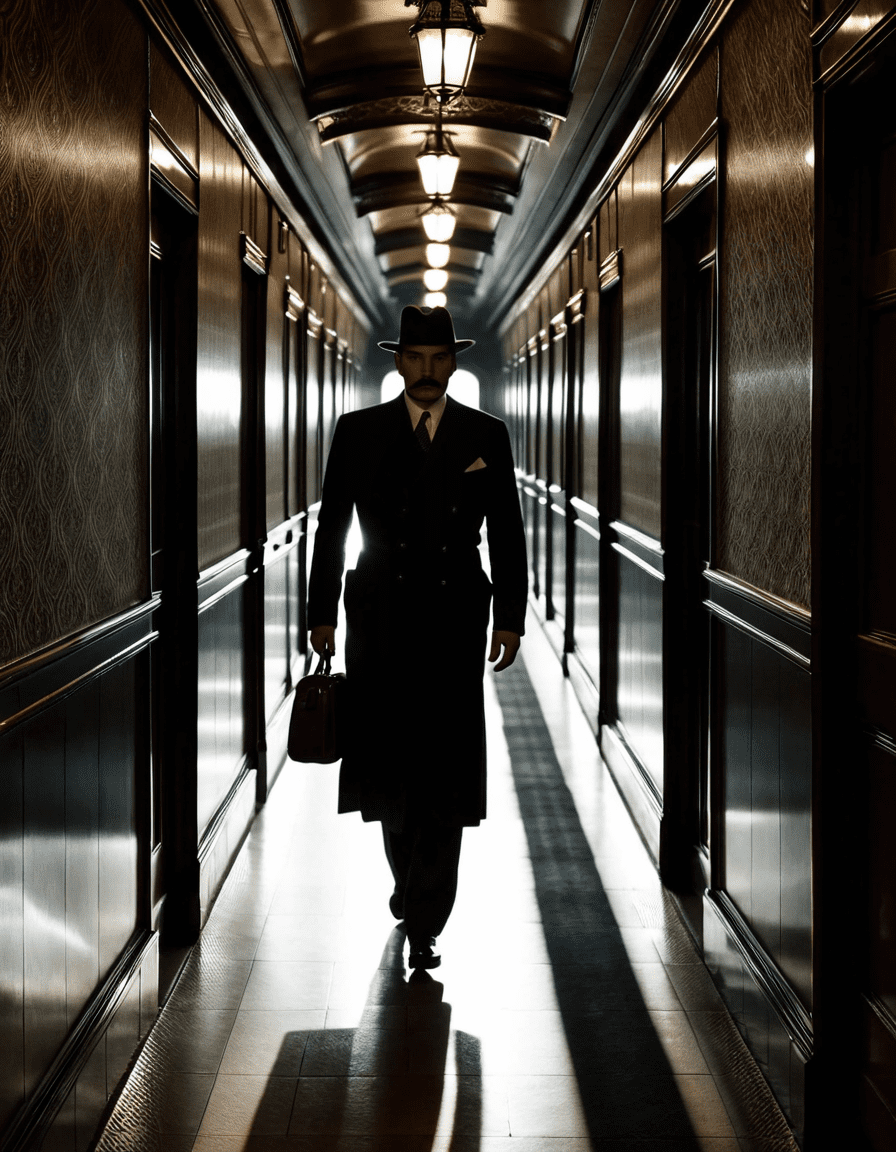
Agatha Christie’s iconic tale, “Murder on the Orient Express,” stands as a beacon of suspense, with its blend of luxury travel and a perplexing murder mystery that has gripped readers and audiences for decades. This exploration dives deep into seven twists that amplify the underlying mystery behind the crime—a captivating narrative intertwining deception, identity, and moral ambiguity. Whether you’re a long-time fan or just discovering the tale, buckle up as we dissect the layers of intrigue in this classic whodunit!
7 Twists That Amplify the Mystery of the Murder on the Orient Express
1. The Unseen Characters: Disguises of Guilt
One striking aspect of “Murder on the Orient Express” is the layered identities of its characters. Every passenger from the eclectic mix has a connection to the victim, Samuel Ratchett. It’s akin to the masked souls found in The Virgin Suicides, where the protagonists hide their true selves behind clever facades. As the story unfolds, the rich complexity of the murder mystery becomes apparent, with each revelation pulling us deeper into a web of intrigue. This character interplay begs the question: how well can we truly know those around us?
Imagine the tension on that train—you’ve got a cast of characters who, at first glance, seem unrelated. Yet, each holds a piece of the puzzle, conjuring intense curiosity as you try to figure out the dynamics at play. Every secret unveiled offers us a glimpse into human nature, making this timeless story ever-relevant.
2. Collective Justice: The Everyone’s Guilty Phenomenon
As detectives unravel the crime, it emerges that every passenger played a role in the murder—a joint effort of justice for the heinous crimes Ratchett committed against Daisy Armstrong. This ethical dilemma isn’t just a thrilling twist; it highlights the spectrum of morality plaguing society. Themes found in historical dramas like The Tudors echo this sentiment—where power and corruption raise uncomfortable questions about right and wrong. Here, personal morals drive the narrative, suggesting that justice sometimes comes from the most unexpected paths.
What’s fascinating about this twist is how it forces us to grapple with our own beliefs. Are we willing to take justice into our own hands? The collective action of the train’s passengers raises debates on vigilante justice that resonate with contemporary social issues.
3. The Train as a Character: Setting the Stage for Intrigue
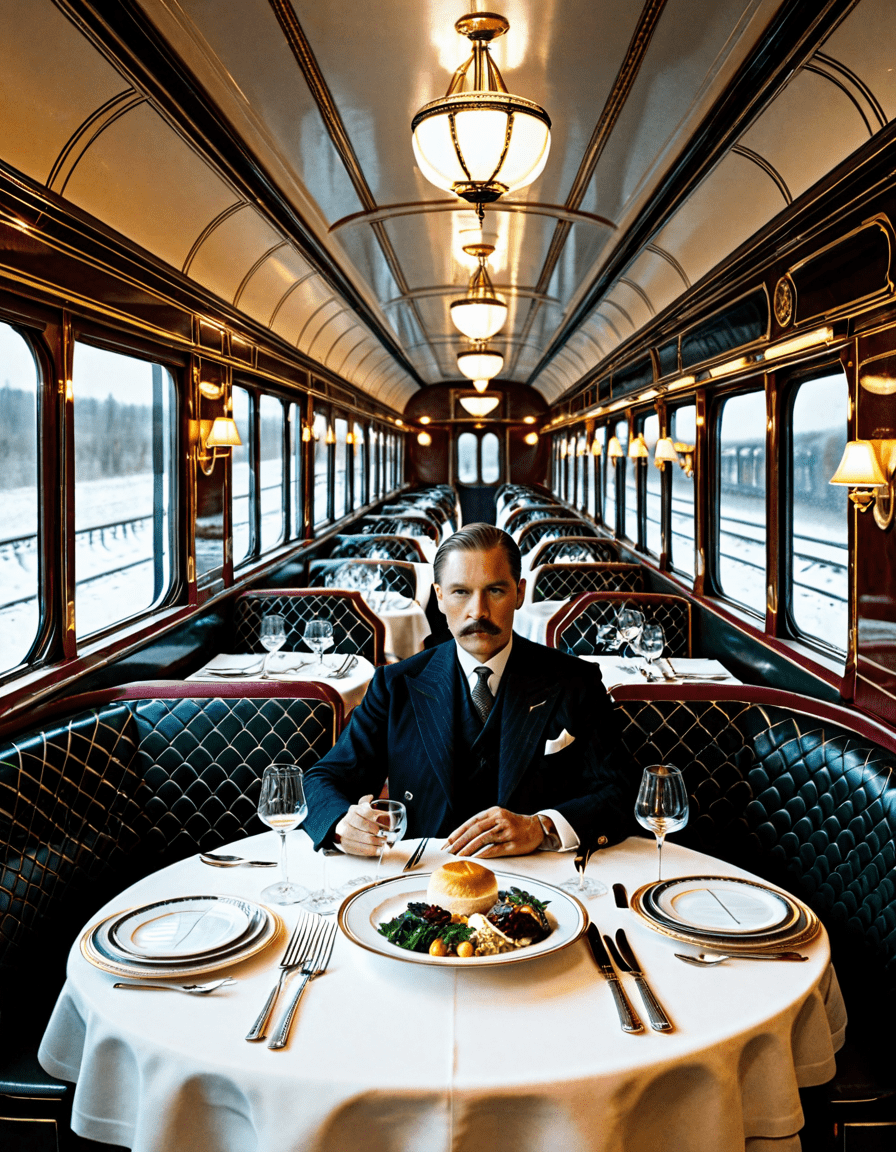
The Orient Express itself transcends mere setting; it serves as a character teeming with history and allure. When setting the stage, think of The Virgin Suicides, where suburban life hides layers of despair just below the surface. The lavish environment of the train sharply contrasts the dark murder that takes place, accentuating the shock value. This contrast not only heightens the crime’s impact but also envelops readers in a claustrophobic atmosphere as secrets begin to unfold.
Imagine the clicks of the train wheels as tensions rise and fraught conversations echo through the dining car. The luxurious surroundings become a backdrop for sinister fates, immersing us in the narrative while allowing reflection on our own lives. The appeal of this story isn’t just in the crime, but in how the setting amplifies the stakes.
4. The Impact of Time: Flashbacks & Revelations
Christie expertly employs flashbacks to reveal key backstories, much like in The Virgin Suicides, where shifting timelines lead to profound revelations. As we uncover the tragedy of the Armstrong family, layers around Ratchett’s murder become clearer, prompting us to ponder revenge, guilt, and the concept of justice as it unfolds over time. The non-linear storytelling style invites readers to engage with the narrative actively, piecing together information to form a cohesive picture.
This technique crafts a scenario where time isn’t just a measurement—it’s an integral part of character development and plot progression. As each flashback appears, we can’t help but feel drawn into the emotional turmoil, reminding us of how the past echoes in our present decisions.
5. The Puzzle of the Clues: Deceptive Appearances
Agatha Christie generously sprinkles a series of clues that point in various directions, making for a delightful puzzle akin to the tangled plots in The Tudors. In both stories, apparent truths often lead to misdirection, which challenges our analytical skills and forces us to consider every character’s reliability. The complexity of these narratives invites readers to dig deeper and question everything, reflecting the essence of a truly engaging mystery.
The beauty lies in the layering of information; just when you think you have it all figured out, another clue emerges. Each red herring enhances the challenge, leaving readers itching for answers as they dissect the evidence. This back-and-forth analysis turns every read into an exciting quest.
6. The Role of the Detective: A Modern-Day Agatha Christie
Hercule Poirot embodies the archetypal brilliant detective and human psychologist, investigating the intricate moral dilemmas of human nature throughout “Murder on the Orient Express.” His character echoes modern narratives exploring complex personas—reminiscent of figures found in The Virgin Suicides. In examining Poirot, readers not only engage with the mystery but also confront their own ethical quandaries, reflecting the evolution of societal values.
Poirot’s charm lies in his ability to connect the dots while contemplating the motivations behind each character. His analytical mindset encourages readers to reflect on their own decision-making processes, showcasing how our moral compass can influence our perceptions of justice.
7. Legacy of the Narrative: Cultural Reflections and Adaptations
The legacy of “Murder on the Orient Express” doesn’t end with its written pages; it boasts numerous adaptations in film and television. The 2017 adaptation, for instance, reinvented classic elements for modern audiences, inviting fresh perspectives on justice and morality. This evolution of storytelling echoes similar discussions sparked by period dramas like The Tudors, prompting viewers to consider their interpretations of history and contemporary societal norms.
Through these adaptations, we witness how timeless narratives can evolve while remaining impactful. Whether it’s in cinema or a streaming series, the essence of the murder mystery continues to captivate, ensuring its relevance in contemporary culture.
Unraveling the Threads of Mystery
“Murder on the Orient Express” isn’t just a story; it’s a multifaceted exploration of human nature, justice, and the moral ambiguity that still resonates today. Through the intricate twists and timeless themes reflected in The Virgin Suicides and The Tudors, the narrative challenges us to confront layered complexities that impact our lives—prompting deep reflections on the moral dilemmas we face as a society. As audiences engage with the themes of crime and consequence, they uncover profound insights, ensuring that the mystery of the Orient Express transcends generations.
So, if you’ve yet to dive into the murky waters of this classic, there’s no better time than now. Let the brilliantly woven plotline push you to question your own moral beliefs while savoring the haunting beauty of Agatha Christie’s enduring legacy. It’s a riveting journey you won’t want to miss!
Murder on the Orient Express: Haunting Mystery Behind the Crime
Intriguingly Unexpected Tidbits
Did you know that “Murder on the Orient Express,” often celebrated as Agatha Christie’s masterpiece, has a fascinating connection to real-life mysteries? This classic whodunnit not only showcases Hercule Poirot’s iconic sleuthing skills but also reflects a time when train travel was all about opulence and intrigue, much like the luxurious settings we see in Jessica Chastain Movies Moreover, the story is inspired by Christie’s own experiences, after traveling on the famed train herself. It adds that touch of reality to a plot swirling with chaos and deception.
Speaking of chaos, the tale unfolds on one particularly snowy night, with a cast of characters that would give even the colorful world of Wwe Smackdown a run for its money. Each character is meticulously crafted, representing a unique perspective on the murder that pulls you deeper into the mystery. Christie’s knack for developing personalities as distinct as Jujutsu Kaisen Characters makes readers second-guess everyone aboard. And here’s a fun piece for you: it’s often said that every suspect has both a motive and an alibi, turning the detective’s job into a real head-scratcher for those looking to predict the resolution.
As the story pushes forward, it’s intriguing how some references echo throughout popular culture. For instance, did you know that the iconic dybbuk box has become a topic of discussion in horror circles? Christie’s blend of suspense fits perfectly into this conversation about tales that chill and thrill. And if you’re a fan looking for a thrilling ride similar to The Hunt For Red October cast minus the high seas, the train’s claustrophobic setting ups the ante for suspense. Just like Matt Damon’s jaw-dropping roles, “Murder on the Orient Express” continues to captivate audiences with its layer upon layer of mystery, urging them to ponder—who can you really trust?
So next time you curl up with this classic, take a moment to appreciate the intricate threads of storytelling woven through every chapter. Whether you’re a seasoned Christie fan or just dipping your toes into this literary pool, dive into the depths of suspense that continue to challenge the mind, just as high-stakes games like Barcelona Napoli keep soccer fans on edge! There’s more to this tale than meets the eye, and it’s a journey you won’t want to miss!