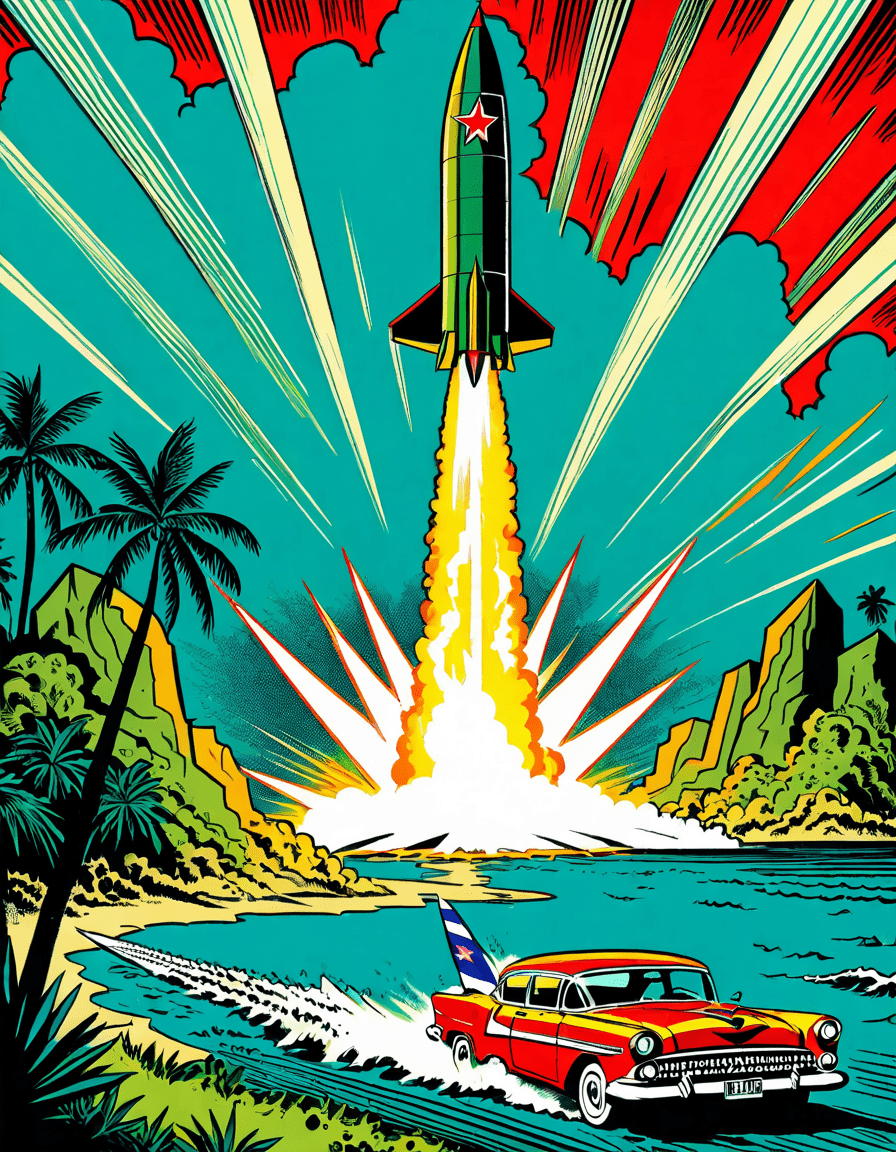
The Cuban Missile Crisis of 1962 stands as one of the most critical moments in modern history, marking the closest the world has ever come to a full-blown nuclear war. Picture this: two superpowers, the United States and the Soviet Union, engaged in a dangerous game of brinkmanship over missiles placed just 90 miles from American soil. This wasn’t just a power struggle; it was an explosive mix of perception, miscommunication, and sheer human ambition. As entrepreneurs and business-minded individuals, there’s an invaluable lesson to glean from the Cuban Missile Crisis—understanding international dynamics teaches us not just about the past but informs our actions in today’s interconnected world.
1. The Cuban Missile Crisis: A Global Turning Point
The Cuban Missile Crisis was more than just a standoff; it was a watershed moment that defined the Cold War. The implications of this event ripple through the fabric of international relations even today. Entrepreneurs, take note! The lessons learned from this crisis—like the necessity of clear communication and the dangers of underestimating opponents—are just as relevant in the business world.
The crisis arose from a tangled web involving mismanagement of complex relationships, nation-state calculations, and the ever-present threat of military escalation. The stakes were sky-high. With nuclear weapons sitting at the brink, the reality of potential annihilation hit home for both leaders and citizens alike. The Cuban Missile Crisis serves as a vivid reminder: ambiguity in actions or intentions can lead to catastrophic circumstances—not only in geopolitics but in business negotiations and partnerships as well.
2. Top 5 Factors That Escalated the Cuban Missile Crisis
The failed CIA-backed invasion of Cuba in 1961 didn’t just create a rift between the U.S. and Cuba; it fueled Fidel Castro’s paranoia and intensified his ties with the Soviet Union. This push for mutual protection laid the groundwork for the eventual hostilities that led to the Cuban Missile Crisis. Think about it! Just like the Bay of Pigs, missteps in strategy and execution in business can escalate minor issues into monumental failures.
October 16, 1962, dawned with intelligence reports revealing missile sites in Cuba. Alarm bells sounded in Washington, leading to swift decisions that were often reactive rather than strategic. Misunderstandings of Soviet capabilities clouded U.S. judgment. Business leaders can identify with this; assumptions based on faulty information can lead to costly errors. The Cuban Missile Crisis highlights the need for accurate data and smart decision-making in high-pressure environments.
Communication channels were sparse during this crisis, resulting in stagnated conversations that could have de-escalated the situation. Both President Kennedy and Premier Khrushchev found themselves stubbornly positioned, leading to a deadlock. A bit of flexibility could have made a significant difference. In your business dealings, be aware: the ability to pivot and actively listen is crucial in negotiations.
As hectic media coverage intensified public concern, there was a growing demand for decisive action against perceived threats. The pressure placed on decision-makers exemplifies how external factors can shape conclusions, often pushing individuals away from rationality. In the entrepreneurial world, engaging with your audience helps refine your strategy, but be cautious—public sentiment can lead to hasty, perhaps regrettable, choices.
The arms race between the U.S. and the Soviet Union didn’t only showcase the potential for devastation; it underlined the urgent need for controls in weapon proliferation. The Cuban Missile Crisis led to measures such as the Nuclear Test Ban Treaty of 1963. Business leaders must also recognize the implications of unchecked expansion—growing too fast without due diligence can jeopardize the sustainability of their operations.
3. The Aftermath: Legacy of the Cuban Missile Crisis
The resolution of the Cuban Missile Crisis was monumental. It involved a secret agreement to pull U.S. Jupiter missiles from Turkey in return for the dismantling of Soviet weapons in Cuba. This pivotal moment birthed improved diplomatic communication, including the creation of the Moscow-Washington Hotline—an essential lifeline to prevent future crises. For entrepreneurs, the value of strong communication systems within your business and among partners cannot be overstated. Building trust and reliable mechanisms for dialogue is vital to navigating challenges.
The legacy of the Cuban Missile Crisis stretched beyond mere diplomatic agreements. It illustrated the concept that clear communication and trust can avert catastrophe, a lesson that holds weight today in corporate environments and public relations. Just as remarkable shifts can occur from robust diplomacy, strong relationships in business can drive success.
4. Contemporary Reflections on Nuclear Deterrence and Diplomacy
Fast-forward to 2026, and the world still grapples with nuclear tensions—from North Korea’s nuclear ambitions to Iran’s controversial programs. The Cuban Missile Crisis remains relevant as we consider nuclear diplomacy. The essence is universal; fostering transparent communication, building trust, and maintaining cautious engagement are essential. Just like navigating challenging business environments, understanding the causes of conflict and addressing risks strategically ensures a more stable future.
Let’s face it: the intricate dynamics of international relationships mimic high-stakes negotiations in the business realm. How do we apply historical insights from the Cuban Missile Crisis to contemporary situations? The answer lies in learning from the past to inform future actions.
5. The Cuban Missile Crisis and Future Generations: Bridging Historical Lessons with Modern Strategies
In today’s fast-paced world, understanding the events of the Cuban Missile Crisis is crucial for future leaders. Integrating this significant moment in global citizenship curricula will empower younger generations with insights into diplomacy and international security. They need to grasp the nuances of conflict resolution and the importance of dialogue over aggression to avoid falling into repetitive patterns of history.
As we reflect on the tension and turn in the Cuban Missile Crisis, let’s remain vigilant yet hopeful. Recognizing our history equips us to tackle future challenges more effectively, ensuring that the lessons learned from nuclear brinkmanship serve as a guide. Our ultimate goal should be a world where cooperation reigns—where mutual respect and dialogue help avert the horrors we narrowly avoided during those tense days in 1962.
One thing is certain: the Cuban Missile Crisis is more than a fascinating epoch in history. It serves as an enduring principle for business leaders, diplomats, and citizens alike. The very essence of humanity hinges on our ability to communicate effectively and work collaboratively to foster peace. Let’s take these lessons to heart and shape a future that reflects good judgment, understanding, and proactive measures instead of reactive missteps. After all, as demonstrated through the Cuban Missile Crisis, the choice between war and diplomacy is a road decision that shapes the legacy we leave behind.
In the spirit of motivation, let’s remember that our journeys—both in personal lives and in business—reflect the outcomes of the decisions we make. The power lies within our hands to choose wisely today, planting the seeds for a more peaceful tomorrow.
Cuban Missile Crisis: Engaging Fun Trivia and Interesting Facts
The Tension of the Cuban Missile Crisis
Did you know that the Cuban Missile Crisis, which unfolded in October 1962, was one of the closest moments the world came to nuclear war? With tensions soaring, it felt like the fate of humanity hung in the balance. The crisis began when American reconnaissance flights uncovered Soviet missile sites being constructed in Cuba, just 90 miles from Florida. This revelation sent shockwaves across the globe, reminiscent of a high-stakes scene from a film like World War Z, where humanity faces existential threats. Leaders on both sides felt the heat, knowing that missteps could spell disaster.
As negotiations unfolded, the world watched with bated breath. Fun fact: during this tense period, a cappuccino machine was installed in the White House. Coffee became a comfort for those involved, providing a much-needed caffeine boost amidst the rising angst. The world was glued to their radios and TVs, much like audiences today following the latest thrilling moments in cinema, including films like The Tomorrow War, where time and choices determine fate.
The Aftermath and Cultural Impact
When the dust settled, the Cuban Missile Crisis left lasting effects on international relations, leading to the establishment of hotlines between Washington and Moscow to prevent future misunderstandings. Additionally, it influenced countless films and books, with the sense of urgency and fear resonating through stories, much like the poignant themes in Awakenings. This era even inspired artists and musicians, including Brantley Gilbert, who channeled the angst of those times into their art.
One last tidbit to chew on: the Cuban Missile Crisis was also pivotal in shaping public consciousness. In a world still grappling with the implications of nuclear power, awareness of nuclear weapons surged. Libraries filled with literature on peace and diplomacy, drawing parallels to collective endeavors, such as the creation of the Book Of Friends, promoting collaboration and understanding. As we look back, it’s clear that the echoes of the Cuban Missile Crisis continue to remind us of the importance of vigilance and communication in today’s complex landscape. Whether it’s constructing a forstner bit for a DIY project or contemplating the strategies of global leaders, understanding history helps us navigate the future wisely.