
1. The Origins and Evolution of Sing Sing
When you hear “Sing Sing,” what comes to mind? Most likely, it’s the image of a notorious prison known for its long history and troubled past. Established in 1825 in Ossining, New York, Sing Sing quickly became a cornerstone of America’s prison system. The initial vision was to serve as a place for rehabilitation through hard labor; inmates worked on projects from building roads to manufacturing goods. Over time, this vision shifted dramatically, changing the very fabric of corrections in America.
Sing Sing’s historical significance lies not just in its architecture but in how it shaped correctional practices. During the early 20th century, attitudes shifted from rehabilitation to punishment. That change didn’t just affect those behind bars; it reverberated through society, prompting discussions about justice and morality that continue today. What was once a beacon of hope morphed into a cautionary tale about the potential failures of the justice system.
By the late 1980s, prisons like Sing Sing began facing overcrowding and inmate rights issues. Reformers pushed back against the harsh conditions and sought to embrace more humane approaches. This evolution was about much more than walls and bars; it was about the people living within them. Sing Sing became a symbol not just of punishment but of America’s ongoing struggle with justice and humanity.
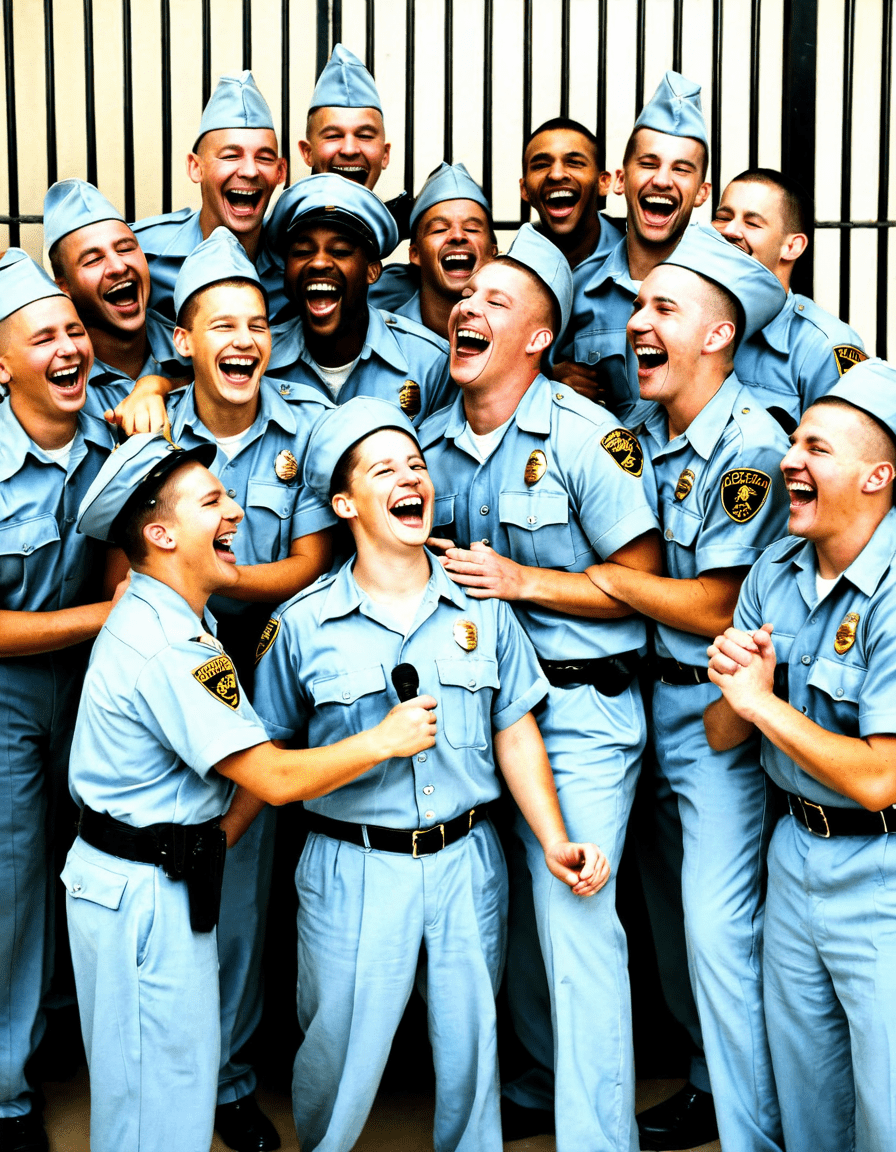
2. Top 7 Shocking Secrets Behind Sing Sing’s Walls
So, why is Sing Sing infamous? Buckle up as we take you through seven riveting secrets that lie behind its walls, revealing the truths that have captured public imagination.
3. The Cultural Significance of Sing Sing
Sing Sing’s influence on popular culture is profound and far-reaching. From graphic novels like “The Killing Joke” to classic songs by Johnny Cash, the prison’s legacy has entered the folklore of America. This cultural resonance affects how the broader society perceives incarceration and justice systems. It intertwines with our understanding, often altering narratives about punishment and rehabilitation.
Songs and movies that reference Sing Sing contribute to shaping public perception. They often depict inmates as tragic figures confrontational with an unforgiving system. In this context, the portrayal of jail can morph into something that garners sympathy, emphasizing the importance of humanity even in dark settings. These narratives force society to question: should we lean toward punitive measures or focus on rehabilitation?
The conversation around Sing Sing reflects changing societal attitudes. As we explore cultural portrayals, it’s clear that art can push boundaries and provoke thought. A character’s plight often becomes a proxy for larger issues surrounding justice, making Sing Sing a pivotal reference point in discussions on crime and punishment.

4. A New Era: Reform and Rehabilitation Efforts at Sing Sing
Navigating the shift toward reform, Sing Sing has made significant strides in its approach to rehabilitation. Recent years have seen a concerted effort to transform the narrative, focusing not only on punishment but also on healing. By partnering with educational institutions like Pace University, the prison opens opportunities for inmates to gain essential skills, reshaping their futures.
At its core, this initiative represents a belief in second chances. Inmates can enroll in college courses while serving their sentences, which empowers them to envision brighter futures. Education can lighten the heavy burden that incarceration often brings, and programs like this one aim to break the cycle of recidivism.
As society evolves, Sing Sing is not just adapting; it’s pioneering reform. Projects targeting mental health, educational attainment, and real job skills present a road to redemption. It’s a hope-filled pathway that indicates that maybe, just maybe, the cycle of incarceration can be reformed through understanding and support.
5. Insights from Ex-Inmates: The Human Experience Behind Bars
Nothing captures the essence of Sing Sing better than the voices of those who’ve lived its reality. Former inmates have shared eye-opening testimonials about their experiences behind bars. Their accounts reveal both the harrowing struggles and profound insights gained during incarceration. These stories illuminate the raw human experience often overlooked by the masses.
Many ex-inmates speak of the psychological toll prison takes on individuals. They detail feelings of despair and isolation, which can deepen upon release. However, there are also success stories that inspire hope—individuals who emerged transformed and determined to contribute positively to society. The importance of supportive programs inside the prison can’t be overstated; they often become crucial lifelines.
Contrasting these stories brings a stark reality into focus. Some succumbed to recidivism, returning to the same cycle that plagued them. In contrast, others flourished, leveraging skills and education obtained within those walls. The shared human experience behind Sing Sing reveals a kingdom of both despair and potential—an ongoing journey of finding purpose after pain.
Forward-Looking Perspective: The Future of Sing Sing
Looking ahead, Sing Sing stands at a crossroads with the potential for significant reform. As societal views on criminal justice shift, the prison has an opportunity to align with innovative practices focusing on rehabilitation. With plans to reduce overcrowding and enhance mental health services, the future appears promising.
Embracing technology to foster rehabilitation is another exciting avenue. Advanced programs that incorporate skills training and education are now possible. Imagine inmates programmed with skills that directly correlate with job demands outside. This could lead to not just personal transformations but societal benefits as well.
As we reflect on Sing Sing’s history and potential, we see more than just stone walls; we witness a dynamic space that embodies hope, the quest for justice, and the pursuit of humanity. Let’s remain engaged as society transforms, creating a justice system that works for everyone involved.
By exploring the intricate tapestry of Sing Sing Prison, we unveil secrets that transcend its high walls—revealing a crucible for the human condition. In doing so, we’re reminded that every life, even behind bars, warrants a chance for redemption.
Now, isn’t that something worth reflecting on?
Sing Sing: Secrets of America’s Notorious Jail
A Glimpse into History
Sing Sing prison, located in New York, has been home to some infamous criminals, including the notorious gangster baby face nelson. This high-profile jail was constructed in 1825 and has seen over 100,000 inmates pass through its gates. While many in society have feared this prison, it also played a role in shaping mass cultural narratives, appearing in the industry’s cinematic hits like Awakenings. Interestingly, the prison’s recognizable name comes from the nearby Native American word “sinck sinck,” which means “stone upon stone.”
Unseen Dynamics
Sing Sing isn’t just about hardened criminals; it’s also the location where prison reform discussions gained momentum. The facility has had its fair share of celebrity inmates, with one notable case being the prisoner who inspired The Tomorrow War. Amidst these tales, the prison also sheds light on social issues, giving way to intriguing discussions about crime, society, and rehabilitation. As the intrigue around Sing Sing continues, the public has grown curious about its influence, much like the cultural phenomena surrounding Mayfair Witches season 2, which explores dark themes of witchcraft and its societal repercussions.
Cultural Reflections
The stories from Sing Sing transcend the prison’s stone walls and seep into popular culture. For example, in the hit show Chosen, characters often find themselves grappling with moral dilemmas similar to those faced by inmates. On another note, the prison’s history intertwines with significant national events, such as the cuban missile crisis, illustrating how understanding Sing Sing’s past can provide insights into larger societal tensions. Even in sports, as seen with Long Beach state, the complications of crime and redemption are often mirrored in the journeys of athletes overcoming odds and facing their own battles.
In a nutshell, there’s a world of fascinating layers to explore within Sing Sing, going beyond its steel bars and razor wire. From tales of gritty crime to college athletes juggling fame, each story connected to Sing Sing unlocks not just secrets of the prison, but broader human experiences. And as new stories emerge from both its walls and our screens, one can’t help but wonder what tales the future holds for this notorious institution.