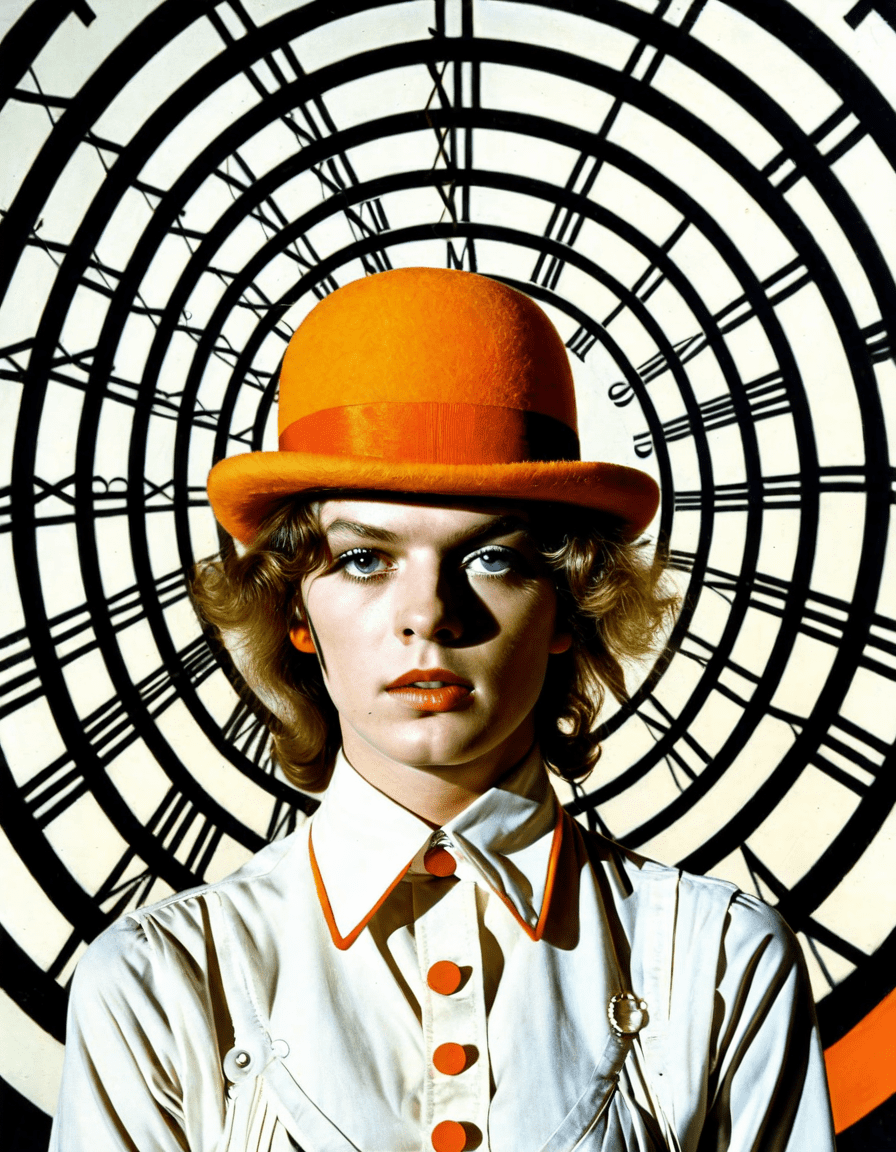
Stemming from Anthony Burgess’s brutal and thought-provoking novel, A Clockwork Orange plunges us into a world where free will is both a gift and a curse. It’s a haunting exploration of individuality amidst societal constraints. At the heart of this dystopian narrative is Alex, the main character, whose egregious choices spark the conversation about morality and autonomy. Through this article, we will unravel how Burgess depicts the weight of free will and why it’s pivotal to our humanity.
Exploring the Themes of Free Will in A Clockwork Orange
In A Clockwork Orange, free will isn’t just a theme; it’s a battlefield. Through Alex’s character, Burgess shows us struggle—individual desires clashing with the iron grip of societal norms. Alex embodies the fight for personal freedom, wrestling with a world that imposes authoritarian rules. It’s a clash between the innate desire to be oneself and the expectations that fracture individuality.
As we dive deeper into this conflict, we see how Alex’s choices serve to challenge our understanding of morality. Is he truly evil, or is he simply reacting to the harsh realities around him? Burgess forces us to entertain the idea that free will is essential to what makes us human. Every choice we make reflects our identity, and to strip away free will is to dull our humanity.
This examination of free will resonates profoundly in today’s world. It compels us to reflect on our choices. Are they our own, or are they influenced by external factors? Just like Alex, we have to navigate a complex matrix of decisions that define who we are. Understanding this connection can empower individuals to reclaim the narrative of their lives.

The Dichotomy of Choice: A Clockwork Orange vs. Modern Society
When we think about A Clockwork Orange, it’s hard not to see the unsettling parallels with our everyday lives. Just as the dystopian state keeps a watchful eye on Alex and his peers, we live in a society buzzing with an overwhelming surveillance culture. Social media platforms, like Facebook and Google, track our preferences, shaping our choices through targeted ads and algorithm-ridden content. It’s like being puppeteered—yeah, we’re free, but are we?
The concept of behavioral conditioning also leaps off the page. In the novel, the Ludovico Technique is a horrifying method used to forcibly reshape Alex’s behavior. Similarly, in our world, marketing wizards manipulate emotions to create compelling advertisements. Just think about Coke’s emotional marketing strategies, which aim to link a simple drink with moments of joy and camaraderie.
Moreover, the theme of youth rebellion depicted in Burgess’s work resonates strongly with today’s social movements. Much like Alex’s rebellion, teens today, from activists fighting for climate change to those advocating for racial justice in the Black Lives Matter movement, reject systems that suppress their voices. They’re standing up to outdated norms, just like Alex, reminding us all that the youth hold immense power in challenging the status quo.
Let’s not forget the role of the media! Just as Alex’s world is shaped by shocking headlines and sensationalism, today’s influencers on TikTok and Instagram dictate trends, behaviors, and often perceptions of reality. While this can empower individuals, it also raises flags about the erosion of genuine self-expression—exactly what Burgess warned us about.
Finally, let’s touch on the weight of political control. The authoritarian regime in A Clockwork Orange uncannily mirrors global events occurring today. Countries facing regime censorship and oppression, such as North Korea and Venezuela, showcase a grim reality where freedom is stifled. This raises crucial questions about our choices and the limits placed on them under such oppressive rules.
The Consequences of Dehumanization in A Clockwork Orange
Now, let’s dive deep into what happens when free will is sucked dry. Burgess presents a system that reduces characters to mere tools within a grand design to eliminate chaos. Sound like corporate culture at some of the world’s largest companies? Think about Amazon, where individuality often takes a backseat for the sake of efficiency.
The loss of individuality is an essential theme in A Clockwork Orange. When free will gets cast out, the characters suffer. They become products of their environment, much like employees in a system that doesn’t celebrate their uniqueness. The story acts as a cautionary tale, questioning the implications of a world that values conformity over creativity.
Additionally, the moral implications rising from forced behavioral changes in the novel evoke rich discussions about today’s realities. The ongoing debates surrounding psychotropic medications and compulsory rehabilitation shine a light on ethical dilemmas. With increasing discussions about mental health treatments and pharmacological interventions, are we jeopardizing individual narratives for a ‘one-size-fits-all’ solution?
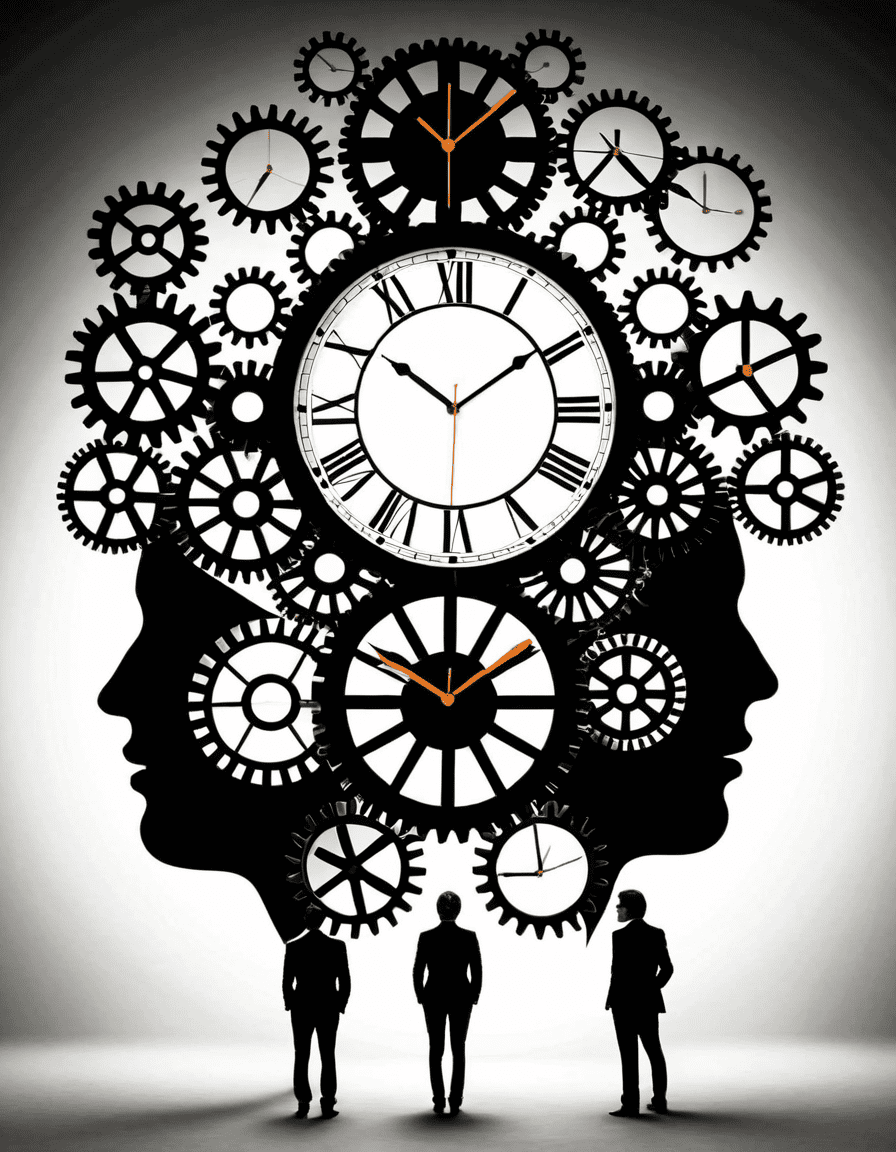
Artistic Representations: A Clockwork Orange in Film and Beyond
Stanley Kubrick’s adaptation of A Clockwork Orange brought the novel’s complex themes to the big screen, making it even more accessible. His artistic choices, from shocking imagery to the juxtaposition of classical music with brutal scenes, draw stark contrasts—challenging viewers to confront their notions of morality and choice. It’s a provocative mirror, reflecting our society’s challenges.
Kubrick’s visual and auditory techniques highlight the seductive duality of beauty and violence. Much like how Quentin Tarantino crafts films that make us question our perceptions of right and wrong, Kubrick seduces us before throwing us into chaos. This engages the audience, provoking thoughts about our own moral compasses.
Cultural impact can’t go ignored, either. The film of A Clockwork Orange left an indelible mark on the ‘70s punk scene. It influenced fashion, music, and the very essence of youth culture. This artistic representation serves as proof of how powerful storytelling can poke at the consciousness, igniting crucial conversations about freedom and choice.
The Legacy of A Clockwork Orange: Reflections on Humanity’s Future
As we arrive in 2026, the legacy of A Clockwork Orange remains strikingly relevant. With the rise of emerging technologies, like AI and virtual reality, ethical dilemmas loom larger than ever. Companies like Neuralink are pioneering innovations that blur the lines between human cognition and machine, prompting a fundamental inquiry into the essence of autonomy.
Burgess’ work stands as a clarion call for thoughtful discourse on philosophical advocacy. Thought leaders, such as Daniel Dennett, champion the complexities surrounding free will amid determinism, stressing how vital it is to safeguard individual choices as technology advances. This raises a question: as we embrace innovation, how do we preserve our humanity and the freedom to decide?
Ultimately, A Clockwork Orange resonates throughout generations, reminding us of the fragility of free will and the accountability that accompanies our choices. As we navigate the intricate dance between individual autonomy and collective governance, Burgess’ themes challenge us to reflect on the freedom we hold dear. It’s a call to action for us all—to grapple with choices that shape our present and dictate our future.
In conclusion, exploring A Clockwork Orange allows us the invaluable opportunity to reflect on our own perceptions of freedom and choice amidst societal constraints. It dares us to ask the hard questions and pushes us to reclaim our narratives in an increasingly complex world. Now, as we look to the horizon, let’s stay motivated, empowered, and conscious of the choices we make.
Let’s keep the conversation going on how we can foster individuality and freedom in every decision we make in the future.
Clockwork Orange: A Dive into Free Will and Choice
A Controversial Journey and Its Cultural Impact
“Clockwork Orange,” directed by Stanley Kubrick, remains a polarizing film that offers a deep dive into themes of violence and choice. The 1971 adaptation of Anthony Burgess’s novel not only sparked discussions about free will but also made a lasting impression on pop culture. Speaking of memorable characters, if you’re into anime, you might want to check out the heavenly delusion Characters that navigate their own dark narratives, showcasing the struggle between freedom and control.
Did you know that the film’s infamous title is inspired by an old Cockney expression? While the movie aligns with philosophical inquiries reminiscent of the wisdom of confucius, it’s also filled with bizarre imagery and intense moments that provoke thought about morality. Kubrick’s choice to use violence as a narrative tool shines a light on society’s response to the darker aspects of human nature.
Surprising Connections: Icons and References
The film has influenced countless creators over the years. Its themes resonate in modern TV, like the gripping plotlines we see in shows featuring the cast Of Squid game, which also grapple with choices under extreme circumstances. What’s fascinating is how “Clockwork Orange” continues to inspire works in various genres, proving that the exploration of choice and consequence is timeless.
In addition to pop culture, “Clockwork Orange” has even intersected with unexpected areas like fashion, where styles like seamless Panties have made their way into everyday life, drawing inspiration from the film’s bold and innovative visuals. Furthermore, the intriguing dynamics of moral philosophy in “Clockwork Orange” can also find parallels in modern educational institutions such as St. Catherine university, where discussions around ethics remain as relevant as ever.
The Legacy of Free Will Explored
Finally, upon revisiting this cinematic masterpiece, consider how “Clockwork Orange” poses questions we still ponder today—like how society shapes individual choices. Reflecting on the psychological implications, one might even draw comparisons to the characters of “Ginny and Georgia” and how they balance their own choices. If you’re looking for a completely different, yet equally captivating experience, check out The Dangers in My Heart Season 2 or the saga surrounding Andre Agassi, where personal battles unfold against public scrutiny.
As we collide these narratives, the unyielding themes of “Clockwork Orange” aren’t just relics of the past; they’re conversations that keep evolving, reminding us that choice remains a fundamental aspect of what it means to be human.