
In today’s world, the phrase “this means war” carries more weight than ever. It’s not about just bullets and battlefields; it’s about survival in a chaotic, tech-driven landscape where geopolitical tensions bubble below the surface. Here in 2026, nations are entangled in a web of new-age conflicts—cyber warfare, misinformation campaigns, and fierce resource battles. That fragility of peace? It’s staring us right in the face.
Let’s dive into why these battles matter. Global players like the United States and China are grappling for supremacy, with trade wars and territorial squabbles in places like the South China Sea. Think about it—these ongoing clashes represent a delicate balance of power, where each misstep could tip the scales into war. Countries aren’t just focused on old-fashioned military might anymore; they’re pouring resources into cutting-edge tech that enhances surveillance and intelligence. Nowadays, a nation’s strength often lies in its technological prowess rather than the size of its army.
Isn’t it fascinating? The new era of conflict reshapes how we view survival, bringing new rules to the game. As entrepreneurs and innovators, we must adapt our thinking to keep pace with changing times. Staying ahead in business mirrors these global struggles—situations can shift in an instant, and finding ways to thrive is crucial. So, buckle up; understanding this environment isn’t just for political analysts—it’s essential for anyone who wants to succeed in their ventures.
Defying Gravity: The Rise of Hybrid Warfare
If you thought warfare was straightforward, think again. Hybrid warfare rocks that idea by blending conventional tactics with sophisticated strategies like misinformation and economic sanctions. This new form of conflict is redefining survival, making it vital for us to understand the game.
Take a close look at Russia’s annexation of Crimea. This act was more than just a military move; it involved clever disinformation campaigns that altered public perception and allowed Russia to outmaneuver traditional responses. Countries are learning how to play this game, combining boots on the ground with the power of the internet. The complexity of hybrid warfare means businesses must become resilient, acknowledging that conflicts don’t just occur on the battlefield anymore.
Economic pressure is another frontier in this new form of warfare. For instance, U.S. sanctions on Iran aim not just to hurt its economy but spark internal dissent. This shows how conflicts can escalate and become multifaceted. As entrepreneurs, we should emulate this strategy by being nimble and adaptable, recognizing when to pivot and how to exert influence to gain a competitive edge.
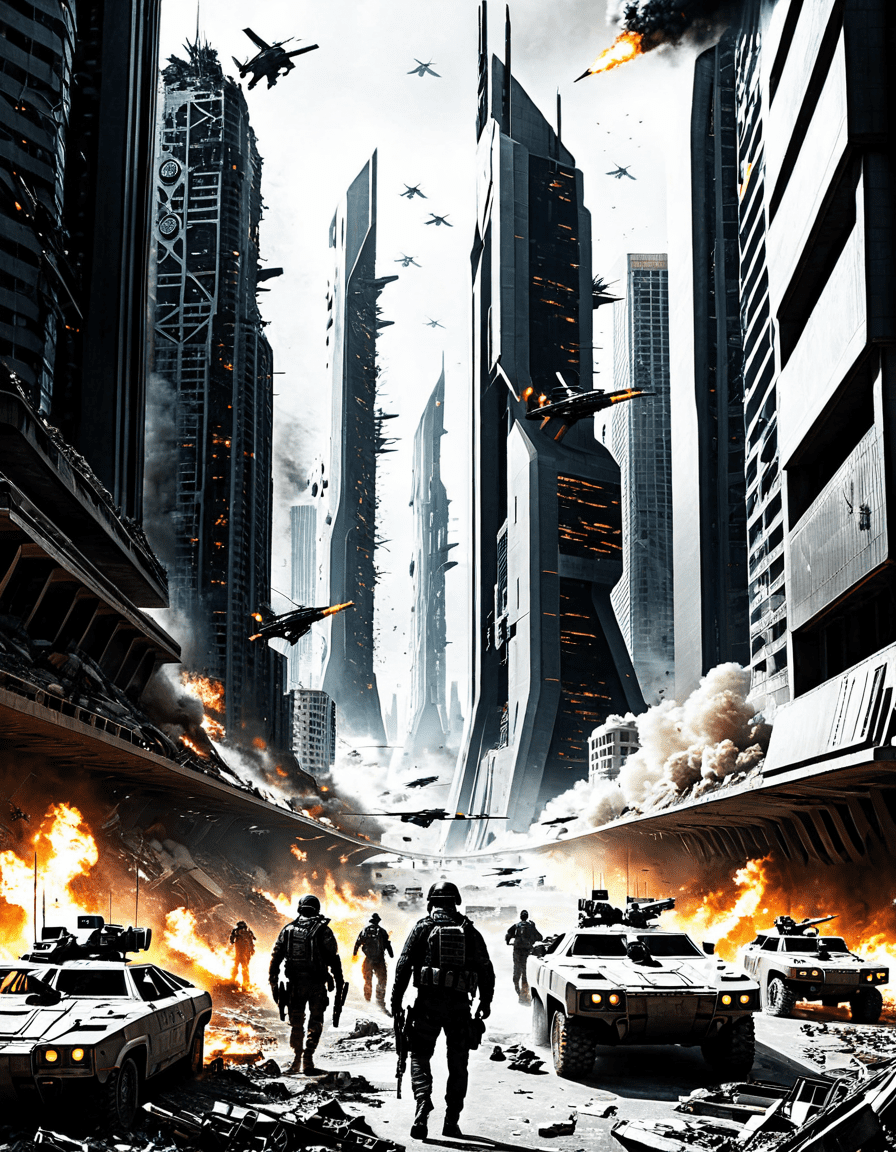
A Simple Favor 2 or Another Simple Favor: Unexpected Alliances in Uncertain Times
Just like a plot twist from “A Simple Favor,” unexpected alliances shape today’s geopolitical landscape. Countries that were once rivals are aligning themselves against mutual threats, proving that survival sometimes means teaming up with unlikely partners. In the fast-moving arena of international relations, anything can happen.
For starters, NATO has gained renewed enthusiasm from Eastern European states wary of Russian aggression. Nations that once turned their backs on one another are now collaborating for collective security. This is a vital lesson for us as business leaders. It teaches us to look for partnerships that might seem unconventional but can create value through shared goals.
Then there’s the Middle East, a prime example of shifting dynamics. The Abraham Accords have prompted Israel to establish connections with former adversaries, redefining relations across the region. As we consider our own businesses, adapting to shifting landscapes and seeking partnerships can offer unexpected rewards—a strategy that might feel a bit like “another simple favor,” but one that pays big dividends.
My Name is Earl Cast: The Impact of Cultural Narratives on War Perception
Cultural narratives around conflict shape not just public perception but also policy decisions. Shows like “My Name Is Earl” capture the spirit of resilience, reflecting the traits necessary when the stakes are high. These narratives influence how society grapples with the notion of warfare, adversity, and perseverance.
Storytelling plays a pivotal role in shaping outlooks. Films that portray modern-day veterans’ struggles can help the public understand the psychological challenges of conflict. As we see in various productions, this focus on character and resilience resonates deeply with audiences, highlighting the need for empathy and understanding.
Generation Z, with their fresh perspectives, significantly alters the political discourse surrounding war. They often demand transparency and accountability, steering discussions in new directions. This shifting viewpoint emphasizes our need to adapt our business strategies to resonate with a new generation. Understanding these cultural narratives can empower us to connect deeply with our audiences.

The New Battlefields: Climate Change and Resource Management
In the 21st century, climate change takes center stage as an imminent threat that redefines conflict. As environmental disasters like droughts and flooding become more common, battles over resources like water and fertile land intensify. Understanding this new battleground is crucial for survival.
Take “water wars,” for example. Regions like the Middle East and Africa face growing tensions as vital water supplies dwindle, potentially sparking new forms of conflict. The need for water management is becoming a priority. Entrepreneurs who innovate in resource-efficient technologies could find themselves ahead of the curve as demand skyrockets.
Moreover, the transition to renewable energy further complicates things. As nations work to become more sustainable, fossil-fuel-rich economies might encounter pushback. This renewal of focus challenges old alliances and creates new rivalries, making it imperative for us to anticipate the shifting landscape. Being proactive, rather than reactive, could be the key to thriving amid chaos.
Navigating the Future: Charting a Path Forward
The battles we face today are evolving in complexity and scope. We must grasp the nuances of contemporary warfare—from hybrid tactics to shifting alliances and the looming specter of climate crises. Ultimately, how we respond to these multi-layered threats will dictate our ability to secure peace for future generations.
So, whether you’re in business, politics, or anything in between, understanding that the struggle for survival is both ideational and practical expands your worldview. It transforms what it means to endure in our interconnected reality. As we navigate these uncertain waters, let’s not forget that ingenuity, teamwork, and resilience are our greatest allies. In today’s tumultuous landscape, staying alert and adaptable will serve as your best ammunition in this battle for survival.
This means war, indeed, but with the right mindset and strategies, we can overcome. Let’s forge ahead!
This Means War: Fun Trivia and Interesting Facts
The Essence of ‘This Means War’
When we think about the concept of “this means war,” it often sparks a flurry of images from pop culture. Did you know that classic shows like The Twilight zone() often delve into the moral quandaries associated with conflict? War isn’t just about battlefields; it also tests our sense of right and wrong. Some of the best storytelling explores this theme, making us ponder the real costs of conflict. In a different vein, lighthearted characters like the Muppets() remind us that sometimes, even in the midst of chaos, a touch of humor can maintain our humanity.
Showdown in Entertainment History
As we look at rivalries through film and media, one can’t help but consider the legendary battles depicted in Movies With Bette midler.( From her iconic performances to the feuds she portrayed, each conflict brings an emotional punch that resonates deeply with audiences. Furthermore, the phrase “this means war” also evokes scenarios similar to the dramatic twists presented in songs like “My Kink is Karma,” where love and conflict intertwine, showcasing another side to human struggles—emotional warfare.
Cultural Reflections and Modern Narratives
Fasten your seatbelts, because we’re diving into cultures that have explored these themes. Just think of Russell Simmons() and his contributions to music and lifestyle. He often highlights the various challenges people face in their daily lives, echoing the persistent theme of survival amidst adversity. On the flip side, contemporary narratives like the Gta 6 trailer() showcase the ongoing battle between good and evil in interactive entertainment, giving players a real feel for conflicts that mirror those in daily life.
The Impact of War on Society
We’re not done yet! The upcoming Ghostbusters : Frozen empire() film promises to tackle past conflicts in a fantastical but relatable way, much like the dynamics of modern society, where war and peace dance a careful ballet. And let’s not forget smaller narratives, such as those stemming from Casa Grande , Az,(,) offering a window into how local communities fight their battles in their own ways, crafting stories that weave together human experiences in the context of conflict and resilience.
In essence, “this means war” is an age-old phrase that finds itself echoed through various forms of storytelling, reminding us that whether it’s comical, tragic, or a blend of both, the battles we fight—be they on screen or in real life—shape our understanding of what it means to survive.