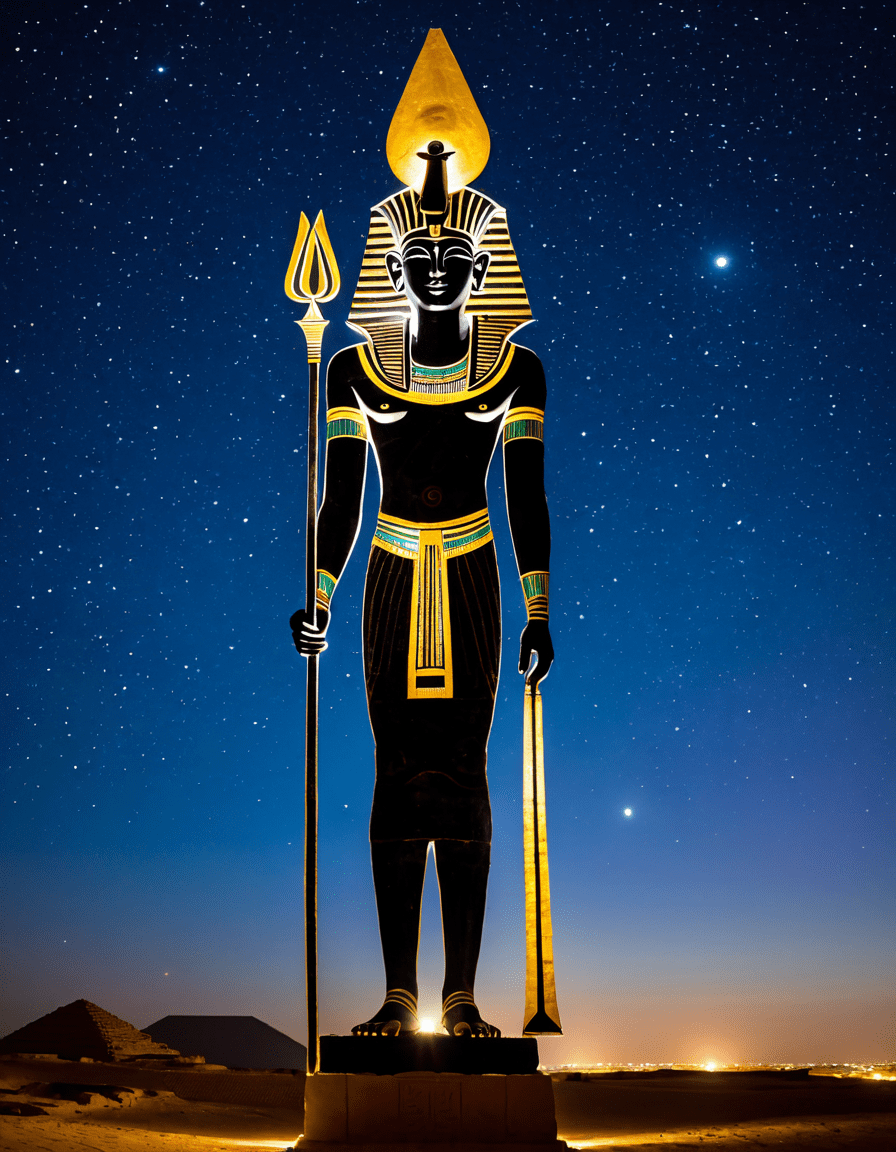
Osiris has long captivated our imaginations. This mighty Egyptian god, revered in ancient times, embodies fundamental themes of life, death, and resurrection that resonate deeply even today. His narrative isn’t just a story; it’s a reflection of enduring human beliefs and the cyclical nature of existence. As we explore Osiris more thoughtfully, let’s reveal seven fascinating aspects that define his legacy and influence our lives today.
7 Fascinating Aspects of Osiris That Define His Legacy
1. The Resurrection Myth
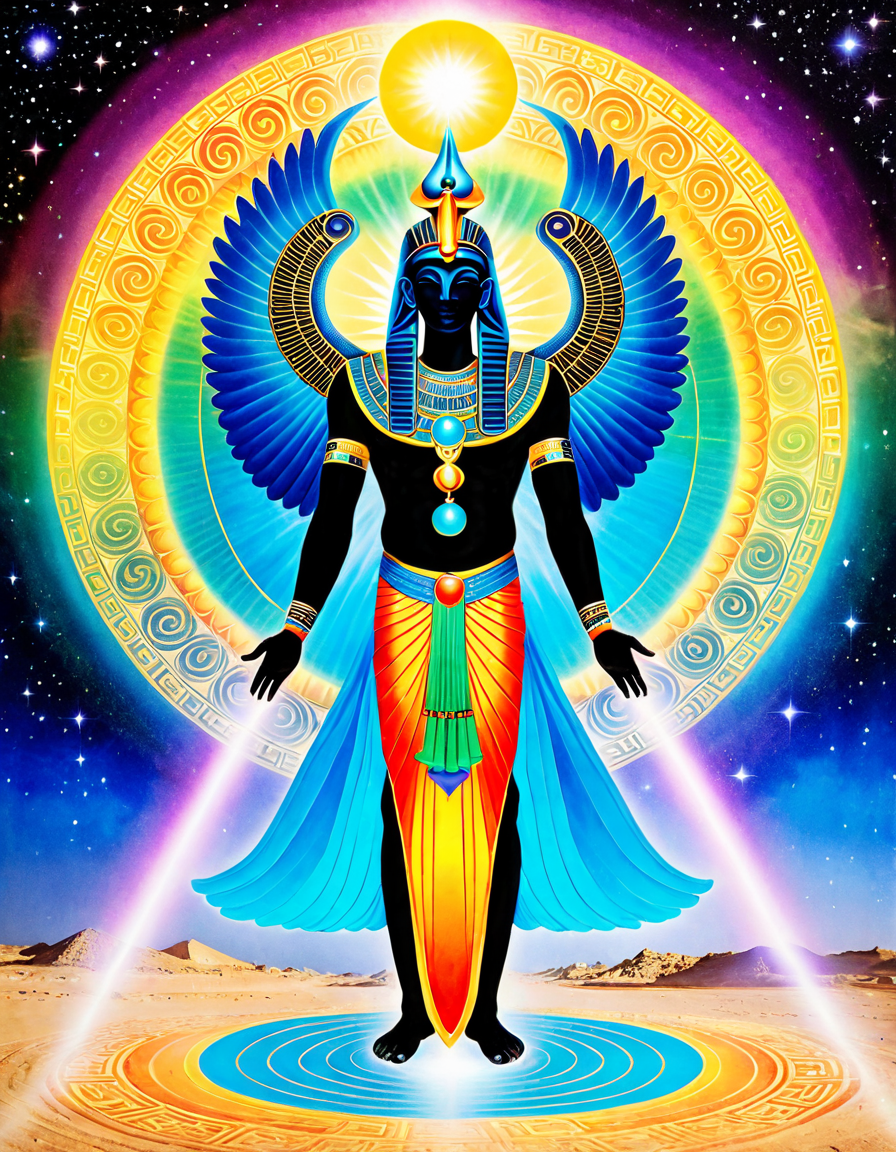
At the heart of Osiris’s identity is his stunning resurrection myth. After being brutally murdered by his envious brother Set, Osiris’s wife, Isis, used her incredible magical powers to bring him back to life. This powerful narrative isn’t just about a comeback; it’s a reminder of life’s continuous cycles. The themes interwoven in this story resonate in various modern religions that emphasize resurrection and rebirth, like Christianity. It showcases our shared fascination with what comes after life—an idea as relevant today as it was centuries ago.
When you think about it, who doesn’t want to believe in a second chance? This myth inspires hope and a sense of renewal, similar to those exhilarating moments when people rise from failures to success. Imagine it—like a phoenix from the ashes. Osiris reminds us that endings can simply be new beginnings.
2. Osiris and His Role in the Afterlife
Osiris wasn’t just another god; he was the ultimate judge of the dead. In ancient Egypt, souls faced “The Weighing of the Heart” ceremony, where Osiris would assess their deeds and determine their fate in the afterlife. This significant mythological event has profound implications even in today’s world, reflecting humanity’s ongoing struggle with concepts of moral justice.
Consider the modern forensic justice systems that weigh evidence to deliver fair judgments. Osiris embodies our universal desire for justice, reminding us that life and death aren’t just about what we have, but the quality of our actions. People today still yearn for fairness, much like Osiris’s efforts to safeguard the souls of the departed.
3. Symbolism of Green and Agriculture
Osiris is often depicted with striking green skin, a symbol of fertility and regeneration. This powerful imagery connects him to agriculture, celebrated by farmers who relied on Osiris for generous harvests. His association with the bounty of the earth reflects our modern environmental concerns. How inspiring is it that agriculture from ancient times parallels today’s sustainable movements?
Farmers across the world still look to nature for renewal and growth. Like the ancient Egyptians, we strive for productive, sustainable practices, ensuring future generations can enjoy our planet’s riches. Osiris not only represented this agricultural phenomenon but also became a symbol for all who care about a greener future.
4. The Influence on Art and Literature
Osiris’s captivating myths have left a profound mark on art and literature throughout history. From the ancient Book of the Dead, where he prominently symbolizes resurrection, to contemporary works by authors like Neil Gaiman in “American Gods,” Osiris’s legacy thrives. This artistic lineage demonstrates the unbroken thread of storytelling that weaves through time.
Today, we still see references to Osiris in films, video games, and various pop culture formats. Just like characters in Don’t Breathe 2, which explore themes of survival, Osiris’s rich narrative continues to inspire creators all around us. It serves as a reminder that ancient myths can spark fresh perspectives in modern art.
5. Festivals in Honor of Osiris
The Osiris Mysteries, rich festivals held during the annual flooding of the Nile, were more than just celebrations; they were deep spiritual rituals that reinforced community ties. These events honored the natural cycles and demonstrated how collective efforts strengthen society. In a similar vein, modern festivals, such as the Neolithic Harvest Festival, echo these timeless themes of gratitude and rebirth.
These connected celebrations celebrate life and nature, reminding us how essential it is to respect and appreciate what surrounds us. As we embrace similar themes in today’s spiritual practices, we keep Osiris’s essence alive, encouraging gratitude among current generations.
6. Osiris’s Influence on Governance
The divine right of kingship was intertwined with Osiris’s legacy. Pharaohs, believing they embodied this ancient god, gained legitimacy from sacred rule. This fascinating overlap between religion and governance remains relevant; modern leaders often invoke historical or religious precedents to justify their authority.
In today’s context, we see this play out in numerous ways. Leaders like Bryan Norcross, who use their platforms for social justice, tap into historical narratives to guide their actions. Osiris’s influence on governance speaks volumes about how deeply human beliefs can shape laws, culture, and society.
7. The Rebirth of Osiris in Pop Culture
You’d be surprised how often Osiris pops up in pop culture, from movies to video games. Characters inspired by his attributes emerge in works like the iconic Mummy franchise or popular role-playing games like Dungeons & Dragons. This fascinating resurgence indicates how ancient myths continue to resonate in our contemporary storytelling.
As we delve into these narratives, we can see echoes of Osiris in popular platforms like Squid Game 2, where the struggle for survival ties back to timeless themes of death and rebirth. Such connections remind us of the enduring impact of Osiris and ancient myths in shaping our favorite forms of entertainment.
The Everlasting Impact of Osiris
Reflecting on Osiris, we see that he’s much more than a mythological figure. His narratives and principles encapsulate vital themes we grapple with—life, death, justice, and the necessity for meaning. Osiris’s representation in modern culture showcases just how ingrained these concepts remain in our collective psyche.
In many ways, Osiris symbolizes resilience and the human quest for continuity in life’s journey. As we embrace the lessons from this mighty Egyptian god, let’s draw inspiration from his story. In a world where so much feels uncertain, the narrative of Osiris reminds us that every ending can indeed pave the way for new beginnings. So next time you’re facing a setback, remember Osiris and the promise of rebirth—it might just offer you the drive to rise again.
Osiris: The Mighty Egyptian God of Life and Death
The Symbolism of Osiris
Osiris was more than just a deity; he symbolized resurrection and eternal life in ancient Egyptian culture. This god was often depicted as a mummified figure, wearing a crown of green, which represented fertility and renewal. The significance of Osiris touches on life cycles that can be seen in various aspects of nature, much like the yearly transformation of seasons. Interestingly, this theme echoes in today’s culture where sports, like March Madness Live, capture the excitement of unexpected twists that lead to triumphs and defeats, reminiscent of Osiris’ own story of life and death.
Osiris and His Influence
One fascinating aspect of Osiris is how his influence has transcended time, interweaving itself into various mythologies and modern narratives. You could argue that his resurrection story parallels modern tales, including thrilling films like Don’t Breathe 2, where characters grapple with survival and rebirth amidst peril. Moreover, his legendary presence influenced major cultural practices, such as funerary customs, showcasing how ancient beliefs can resonate through centuries. In this way, Osiris isn’t simply a figure of the past; he’s an enduring symbol that still prompts reflection on life and death, similar to how events from history, such as the Cold War, shape current dialogues.
Osiris in Popular Culture
Even in contemporary discussions, Osiris’s significance remains relevant. For instance, Rochester, NY news outlets frequently explore topics that echo themes around trust, betrayal, and rejuvenation, much like Osiris’s own narrative arc. And let’s not forget how musical numbers like Las Mañanitas con Cepillín can honor the divine in everyday celebrations, mirroring the reverence ancient Egyptians had for their gods. Osiris’s legacy continues to be a thrilling tale—his life, death, and rebirth are woven into the fabric of human experience, showcasing humanity’s ongoing curiosity about the mysteries of existence. Exploring his mythology encourages us to reflect on our journeys, similar to how we dissect life lessons through the pages of Indivisible. So, next time you ponder life’s complexities, remember Osiris, the god who offers insights on living and dying with purpose.