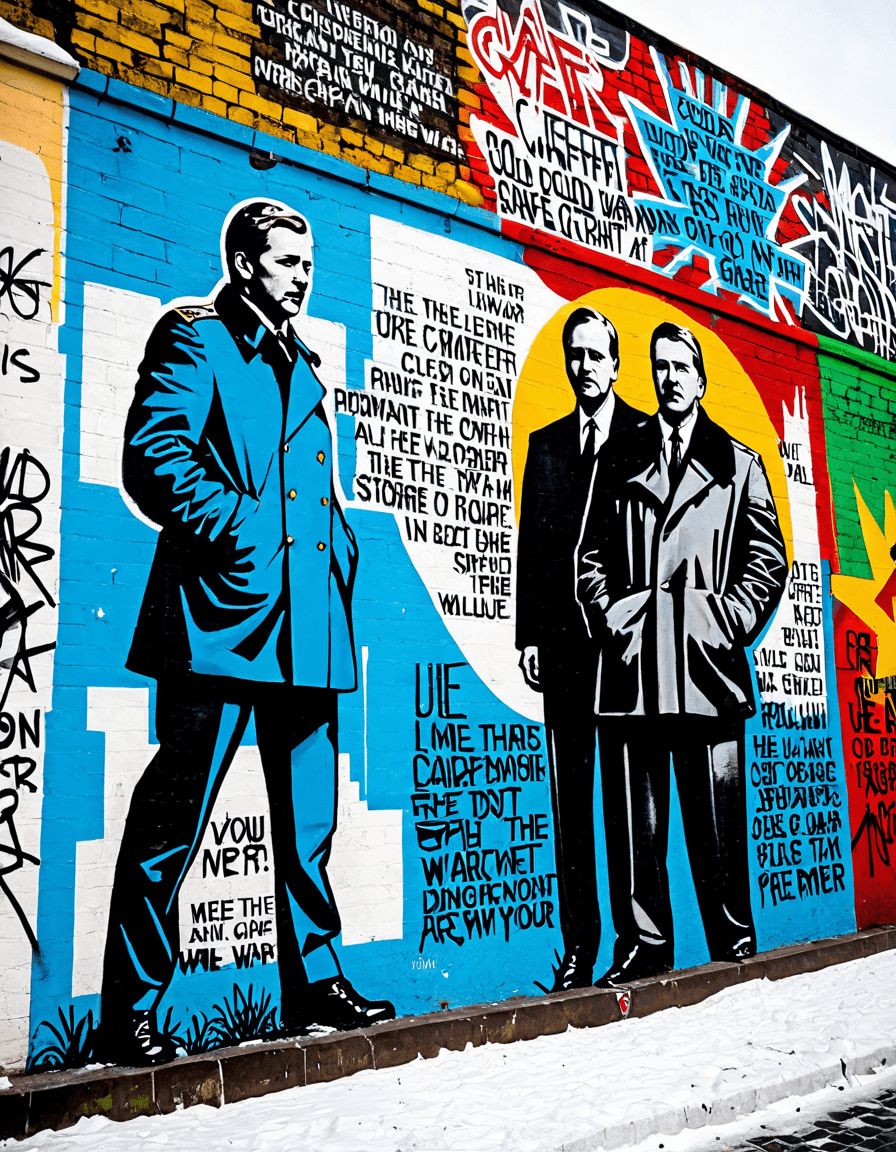
The Cold War isn’t just a chapter in history; it’s a legacy that profoundly colors our world today. This period ran from the late 1940s to the early 1990s, and its shadows loom large in our current geopolitical landscape. From nationalistic fervor to ideological splits, we can see the echo of Cold War dynamics resonating in today’s conflicts and alliances. Countries navigating their identity, like Ukraine and Belarus, are still grappling with the ramifications of the Soviet Union’s breakup. It’ll make you ponder, how did we get here, and what lessons can we extract from history?
The Cold War’s Enduring Influence on Geopolitical Dynamics
The geopolitical landscape of today is riddled with threads that tie back to the Cold War. Current tensions between the U.S. and Russia, as well as strains in Eastern Europe, reveal how these ideologies continue to wield influence. Back in the day, Cold War tensions often polarized nations, and today we see a similar pattern with the rise of populism and nationalism around the globe.
In contemporary contexts, issues like the ongoing struggle for autonomy in regions like The Bronx or the national identity crises seen in former Soviet Union states can lead us to recognize the cyclical nature of history. As these sentiments resurface, they remind us how past events can set the stage for present-day conflicts. The struggle for identity and autonomy remains a potent reminder of the ideological divides that have persisted since the Cold War years.
The specter of the Cold War also doesn’t just haunt Eastern Europe; it’s also subtly shaping economic discussions, particularly regarding trade and technology. Each nation’s political stance influences its economic policies, often echoing the Cold War mindset of containment and defense against perceived threats. This interplay results in a complex web that continues to shape diplomatic strategies today, ensuring we remain affected by that ideological divide.
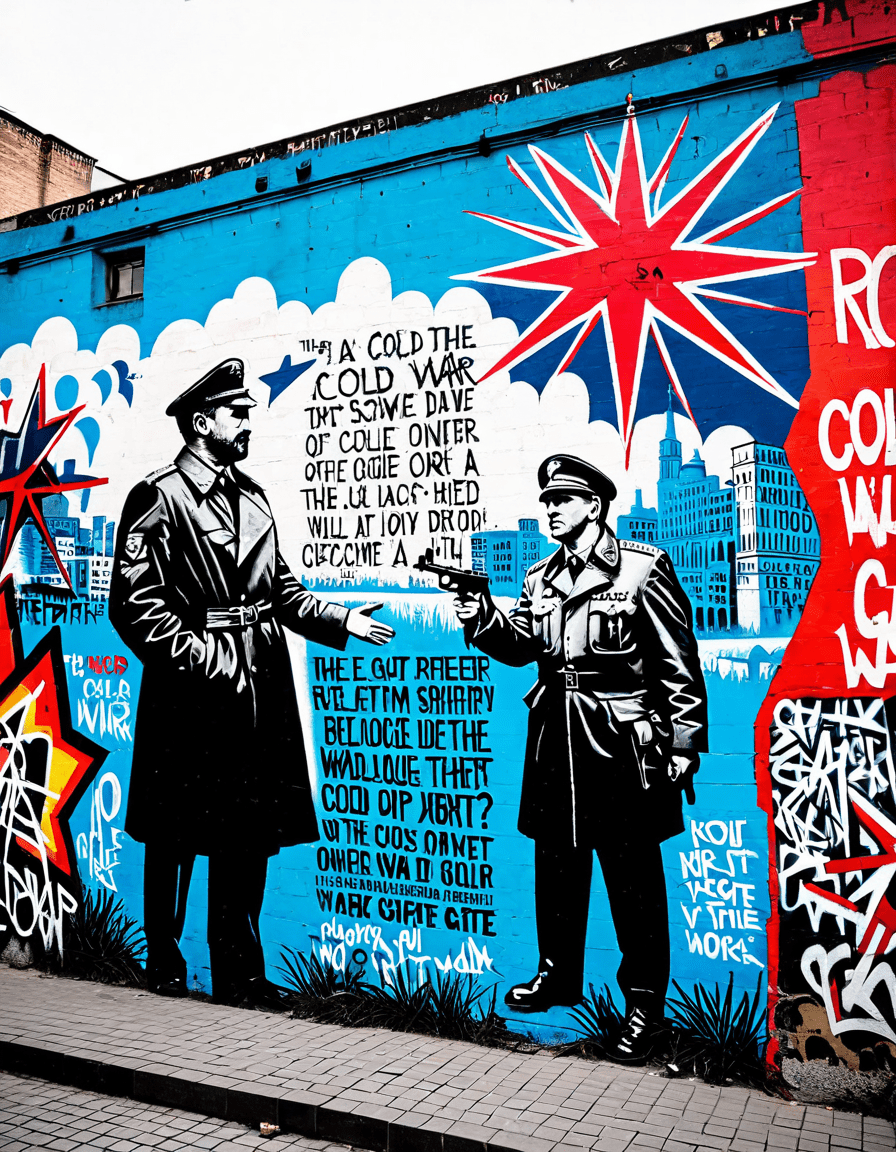
Top 7 Cold War-Era Policies That Still Resonate in 2026
Originally created as a counter to Soviet aggression, NATO has grown to include countries like Finland and Sweden, reflecting ongoing apprehensions about Russian movements. This modern expansion mirrors the defensive alliances of the Cold War, reminding us that history often repeats itself.
Remember the principle of mutually assured destruction? Yeah, it’s still a hot topic. Nations like North Korea pursue nuclear capabilities, stirring up the same fear that shaped the Cold War climate. The stakes may be different, but the underlying principles remain.
The Cold War introduced us to espionage, and today’s conflicts are often fought in cyberspace. The SolarWinds hack exemplifies how traditional spying morphs into digital warfare, showcasing how heritage shapes modern conflict.
Back then, the U.S. relied on Voice of America to get its message out, while the Soviet Union had Radio Moscow. Nowadays, disinformation campaigns pop up, targeting elections and influencing public opinion much like those old-school propaganda efforts, proving that the fight for information control is ageless.
The use of economic sanctions isn’t just a new tactic; it’s a strategy deeply rooted in Cold War methodologies. Sanctions against countries like Iran are a reflection of the containment philosophy—it’s a way to exert pressure without resorting to military confrontation.
Cold War strategies often manifest in today’s proxy wars, with places like Syria and Ukraine serving as battlegrounds for larger political rivalries. Just like in yesteryears, local factions become pawns in a complex game of international politics.
The tug-of-war between nationalism and internationalism, which defined the Cold War, resurfaces in politics today. Populist movements, particularly in the U.S. and Brazil, echo the past, raising concerns about international cooperation and revealing how history continues to penetrate present dynamics.
The Gilded Age Parallel: Economic Implications of Cold War Tensions
Turning our gaze to economic dimensions, interesting parallels arise between the Cold War and the Gilded Age. Just as industrial monopolies swayed political power during the Gilded Age, tech giants today—think Google or Amazon—manipulate the political landscape of our current era. These firms influence policies, optics of national involvement, and the balance between profit and public service.
Moreover, the economic arms race of the Cold War sparked a technological competition akin to what we see today. American achievements in space through NASA and advancements in military technology laid foundational stones for today’s commercial ventures. Companies like SpaceX aren’t merely pushing boundaries; they’re redefining the future—another legacy born out of Cold War necessity.
Yet, just like the Gilded Age bred issues of wealth inequality, the current landscape reveals troubling signs of economic stratification. As we traverse the complexities of modern politics, it’s crucial to recognize how historical patterns repeat, often fostering environments where corporate interests take precedence over individual welfare. The lessons of the past continue to challenge us in navigating our economic realities today.
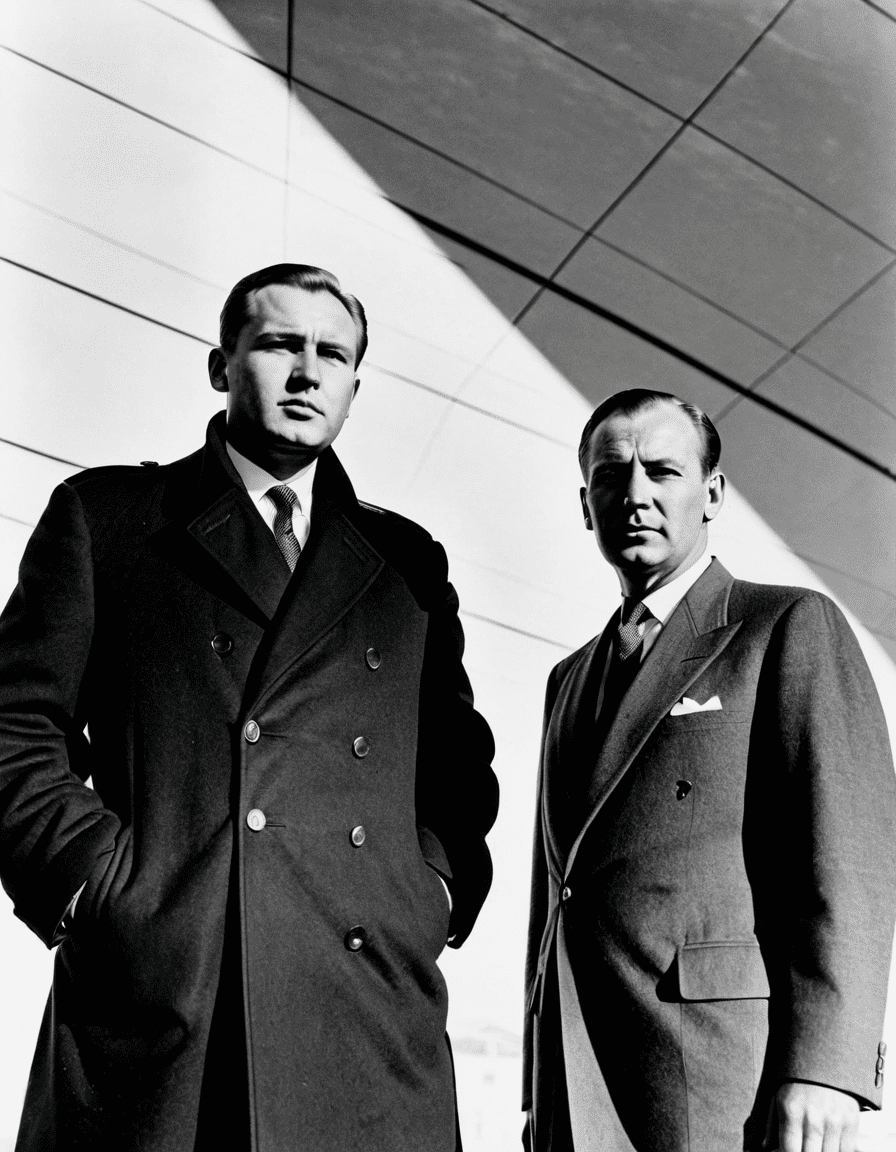
Viewing Current Conflicts Through the Cold War Lens
Fast forward to today, and we can’t ignore how Cold War hostilities shape the U.S.-China relationship. Sure, it’s a struggle for power, but also a clash of ideologies that we saw between capitalism and communism decades ago. This rivalry becomes the backdrop for trade wars, climate issues, and even military posturing, showing how echoes of the past haunt modern politics.
Similarly, the uptick in authoritarianism is a troubling reminder of the Cold War legacy. In places like Russia and China, we see alternative governance models challenging liberal democracy. This new ideological battle beckons us to reconsider how democratic ideals can thrive in such a competitive arena.
The intertwining narratives of Cold War tensions are critical for understanding modern conflicts and alliances. Recognizing these patterns helps illuminate how historical legacies influence global governance structures, dominating how nations might respond to evolving challenges.
The Future: Bridging Historical Lessons with Modern Realities
As we advance into 2026, embracing the lessons of the Cold War becomes essential. Nations must balance competition with cooperation to avoid a repeat of past mistakes. The fragility of alliances requires innovative approaches that foster dialogue rather than division.
In this light, modern diplomacy must weave historical insights into contemporary responses. Addressing complex global issues calls for fresh strategies that avoid past pitfalls. We can draw lessons from the Cold War and adapt them to forge a path toward global peace.
Engaging with history allows us to acknowledge our collective past while striving for a brighter, united future. As we confront the challenges of today, from climate change to economic inequality, applying these lessons may be key in altering the course of international relations. As we look ahead, fostering understanding and cooperation will be paramount.
In summary, what can we learn from the Cold War? It’s not just about history; it’s about understanding the world today and shaping a secure, prosperous tomorrow.
Embrace the past, and let’s craft a better future! For more on navigating modern challenges, check out discussions on Indivisible and Osiris. And don’t miss coverage of exciting developments like Squid Game 2 as new stories unfold!
Cold War: Trivia and Interesting Facts
The Global Stage
The Cold War was a bizarre time, let’s face it! While we often think of nuclear threats and espionage, did you know it also inspired some unconventional fitness trends? In 1980s America, amid rising Cold War tensions, aerobics exploded in popularity – a phenomenon spawned in part by a desire to look good and be fit during such a turbulent era. It sounds wild, but if you want to channel that nostalgic era, try the 28 day workout challenge for a fun throwback to those routine-dominated days.
Economic Impact and Society
On the economic front, the Cold War truly shaped the landscape of today’s income levels. The competition led to significant investments in science and technology, ultimately boosting the median income in the United States. Back then, a person’s pay might’ve seemed like a game of cat and mouse, but it laid the groundwork for the thriving economy we know today. The repercussions of this intense rivalry can still be felt in various sectors, including children’s fashion – just look at how brands like Abercrombie Kids have evolved, tapping into the collective nostalgia while pushing forward into new trends.
Lasting Legacy
Culturally, the Cold War left its mark not only in politics but also in our daily lives. Did you ever think about how the paranoia of the time shifted perspectives on health and wellness? It made people aware of natural substances, leading to a surge in interest in compounds like limonene, which is often found in citrus fruits and used in many products today. Fast forward to today, and it’s crucial to appreciate how these cultural shifts stemmed from a period fraught with suspense and anxiety. And if you’re curious about what’s brewing in local news, check out the latest from Rochester NY, where history meets modern-day living, showcasing the fascinating remnants of this era.