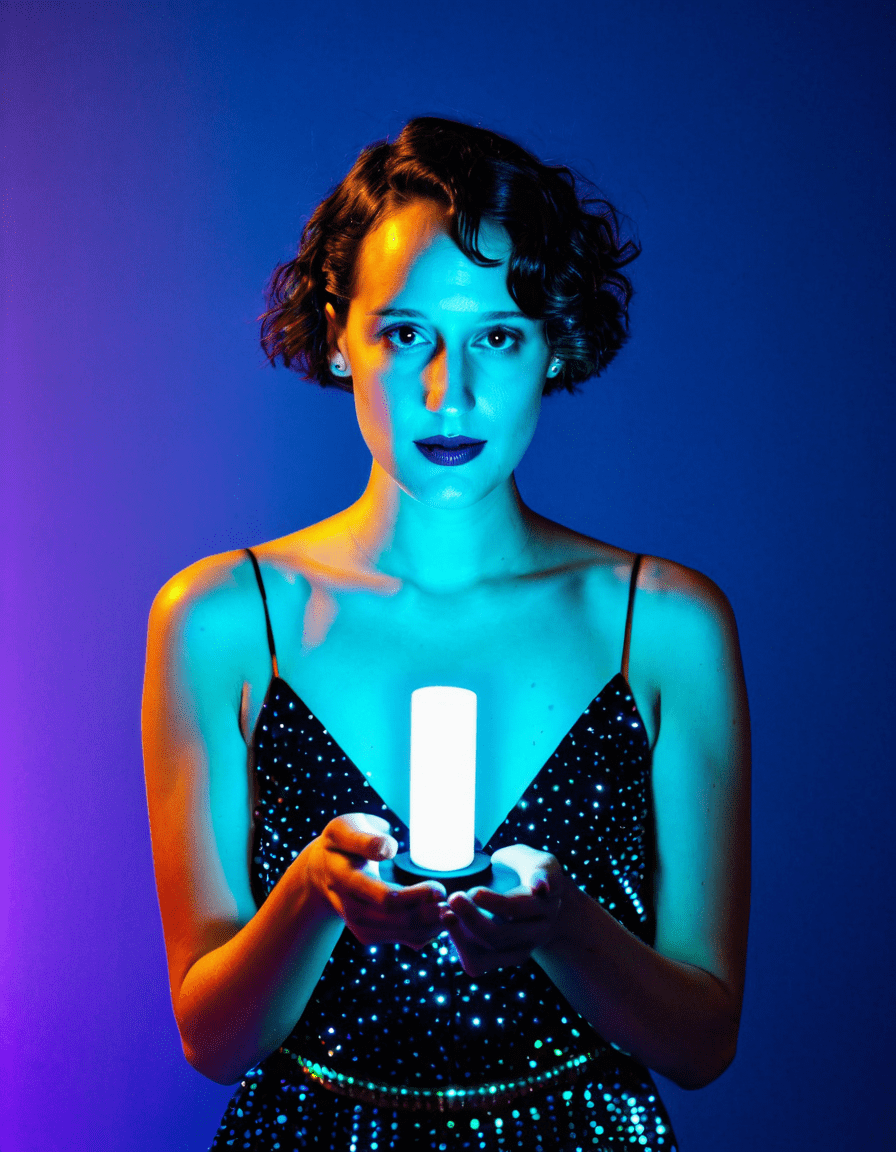
The Girl With The Dragon Tattoo has carved a unique niche in the landscape of literature and film, capturing the imagination of audiences worldwide. The central figure, Lisbeth Salander, isn’t just a fictional character. She represents so much more than the thrilling mysteries and crimes she uncovers; she symbolizes resilience, empowerment, and the ongoing fight against societal injustices. Let’s dive into the 7 secrets of the Girl With The Dragon Tattoo that shed light on her enigmatic character, revealing layers you might’ve never known.
7 Secrets of the Girl With The Dragon Tattoo That You Never Knew
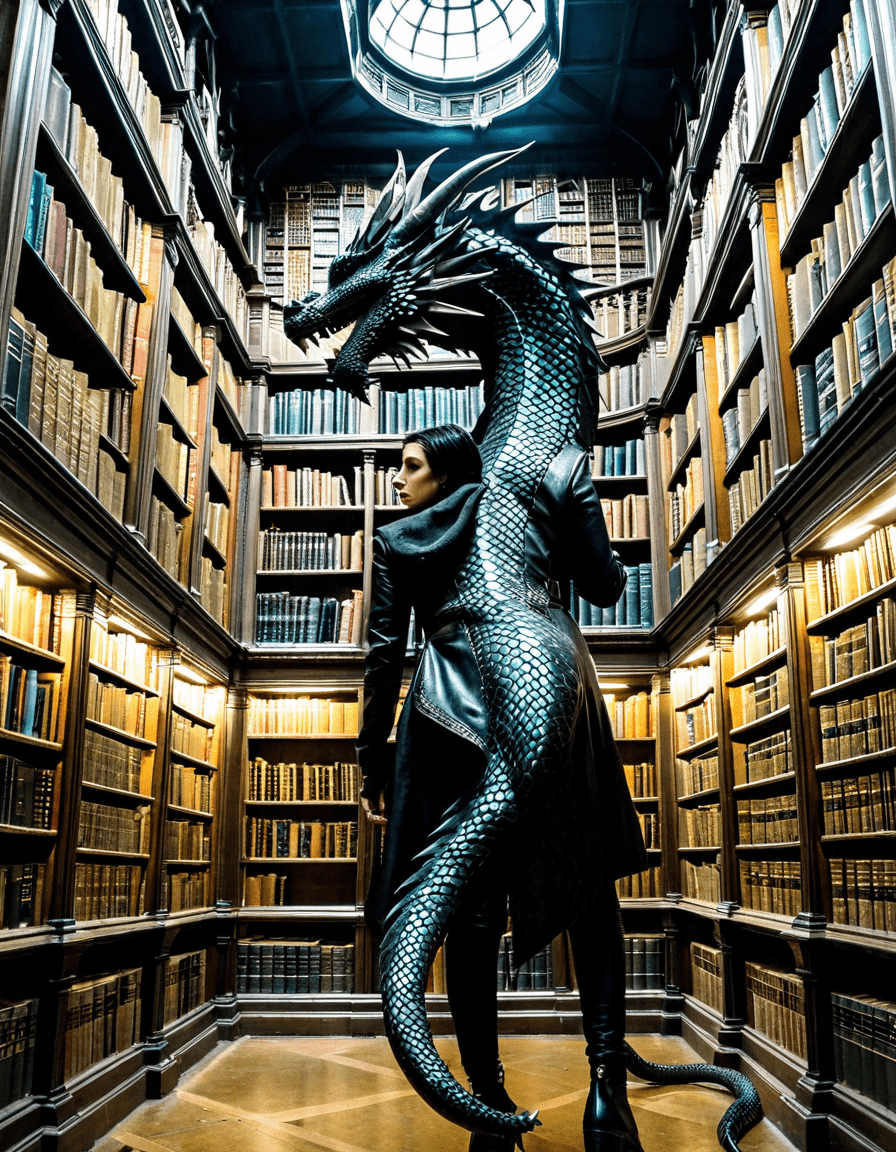
1. Complex Origins: The Story Behind Lisbeth Salander
Originally conceived by Swedish author Stieg Larsson, Lisbeth Salander is a character born from a blend of creativity and real-world inspiration. Designed as a strong female lead, she embodies traits influenced by Larsson’s own life experiences. Her remarkable tech skills and inventiveness draw from real figures in technology and advocacy, making her portrayal both relatable and complex.
This grounding in reality is significant. Lisbeth is not just another cookie-cutter character; she represents many who face adversity and challenges in life. The world knows countless women who, like Lisbeth, rise above their situations, illuminating the power of resilience—the very theme that Larsson brilliantly portrays through her character.
2. The Psychological Impact of Trauma
Lisbeth’s journey dives deep into the psychological effects of trauma and abuse. Her character showcases real-life issues such as dissociative identity disorder and post-traumatic stress disorder. Readers witness Lisbeth bear the scars of her past while navigating an often hostile world.
Research indicates that trauma can manifest in various ways, influencing individuals’ behavior, outlook, and relationships. In her narrative, Lisbeth is much more than a survivor; she is a powerful case study highlighting the necessity to confront and discuss modern feminism’s core issues. The conversations surrounding these topics have shifted societal views, fostering a deeper understanding of women’s experiences, particularly in relation to the #MeToo movement.
3. The Evolution of Lisbeth in Different Adaptations
When considering adaptations, it’s fascinating to note how Lisbeth has evolved. In the original Swedish film series to David Fincher’s Hollywood take, Lisbeth’s character showcases various facets of her persona. Each interpretation not only reflects the filmmakers’ visions but also addresses contemporary issues faced by women today.
For instance, Fincher’s edition heightened the tension and trauma elements, drawing viewers into a psychological thriller while the Swedish films emphasized emotional depth. This shifting representation opens pathways for discussions about female empowerment, identity, and societal expectations. Every adaptation brings something fresh to the table, reminding us that Lisbeth’s story is not stagnant but dynamic—just like society itself.
4. Cinematographic Techniques: The Girl in the Basement
Cinematography plays a critical role in how we perceive Lisbeth’s character. From shadows and lighting to framing, each choice reflects her vulnerabilities and strengths. Take, for instance, the powerful scene depicting her as “the girl in the basement.” Here, lighting choices amplify her isolation and struggle, pulling viewers into her emotional turmoil.
These carefully crafted visual elements contribute to Lisbeth’s identity as more than a victim—she’s portrayed as a fighter against her circumstances. Filmmakers use visuals to echo themes of resilience, empowerment, and resistance, transforming Lisbeth into a symbol who resonates with many. One example is the way the use of shadowy visuals employs metaphor, amplifying the emotional stakes as she confronts her fears, illustrating that every flicker of light battles the engulfing darkness.
5. Intersecting Themes with Other Works
When examining Lisbeth’s journey, parallels emerge with characters such as the boy in the striped pajamas. While Lisbeth’s fight for justice contrasts sharply with the haunting innocence of the boy, both narratives probe into themes of social injustice, truth, and moral dilemmas—the kind that prompt readers to confront uncomfortable realities.
In The Girl With The Dragon Tattoo, Lisbeth’s powerful narrative is a call to arms against societal wrongs. Similarly, the boy’s story compels readers to understand the atrocities of history, urging empathy and awareness. Both works expose the harsh realities often hidden beneath society’s surface, drawing connections that resonate across time and cultures.
6. Cultural Reception: Lisbeth as the Woman in the Yard
Cultural perspectives surrounding Lisbeth Salander often cast her as the “woman in the yard,” encapsulating societal anxieties about female empowerment and violence. Film critiques and discussions center around her character, illuminating fears about autonomy and identity related to patriarchal structures.
Analyzing social commentary, it’s evident that Lisbeth challenges traditional gender roles and expectations. She’s an emblem of the women fighting for their rights in a world that often denies them. Consider how movements like Times Up and #MeToo reflect Lisbeth’s journey—resilient, bold, and demanding justice in a world rife with inequality. This framework emboldens conversations around gender, power, and the ongoing fight against oppression in modern society.
7. Lisbeth’s Lasting Impact on Feminism and Pop Culture
The influence of Lisbeth Salander stretches far beyond her fictional origin. Her story has sparked essential discussions in feminist circles, acting as a catalyst for various initiatives aimed at supporting survivors of violence. The dialogue around her character has paved the way for advocacy projects, creating pathways for empowerment through technology and awareness.
As we navigate a complex world increasingly fraught with challenges, Lisbeth emerges as an inspirational figure. Her resilience encourages women to harness their power, using technology as a tool for advocacy and social change. Consequently, her narrative empowers a new generation of women, proving that while the shadows may be deep, the light of justice and truth can illuminate even the darkest corners.
The Girl with the Dragon Tattoo and the Evolution of Feminist Narratives
Lisbeth Salander’s trajectory has become a cornerstone for discussions surrounding women’s roles in society. Her character has brought significant attention to issues like consent, privacy, and justice, creating spaces for vital dialogue. Comparing her narrative to real-life tech ethics scandals, like the Cambridge Analytica case, highlights warning signs about technology’s potential misuse.
This juxtaposition not only reveals the themes’ relevance but also emphasizes the importance of remaining vigilant against abuses of power. As Lisbeth challenges the boundaries of consent and privacy rights, audiences are reminded of the urgent need for better safeguards in our digital world. Society must continue to engage with these topics as they evolve, ensuring that justice and empowerment remain at the forefront of our collective consciousness.

The Cultural Legacy of Lisbeth Salander and Its Relevance Today
As we continue to experience the complexities of identity and digital interconnections, Lisbeth Salander’s character remains a vital point of reference. Her recent resurgence in various formats illustrates our society’s need for authentic representations of resilience and struggle.
Lisbeth embodies the multifaceted journeys women face today, underscoring the importance of narrative in shaping awareness and empathy. Each new adaptation—whether in film, literature, or digital media—challenges audiences to peel back layers of their realities and reflect upon their own lives. Lisbeth’s unrelenting spirit encourages us all to confront societal challenges while spurring others to act.
In wrapping up this exploration, it’s clear that the secrets of The Girl With The Dragon Tattoo resonate beyond the pages and screen. They reflect the real-world struggles we encounter, calling us to keep fighting the good fight amidst the shadows of our world. Her story of resilience, courage, and the pursuit of justice will endure as a beacon for future generations.
The Girl With The Dragon Tattoo: Unraveling Her Secrets
Behind the Pages
Did you know that “The Girl With The Dragon Tattoo” has been adapted into multiple films? The compelling tale originated from Stieg Larsson’s first book in the Millennium series. Its gripping plot dives deep into mystery, featuring Lisbeth Salander, a hacker with a troubled past, and Mikael Blomkvist, a journalist with his own demons. The chemistry between these characters is electrifying, perhaps rivaled only by the intense performances seen in films like Black Swan. Speaking of intense performances, did you know that some actors even take on unexpected roles after being tied to iconic characters in other shows, similar to how the Cast Of Black adder brought humor and drama to life in different contexts?
Cultural Impact
The cultural impact of “The Girl With The Dragon Tattoo” extends far beyond its pages. It’s fascinating to learn that this book paved the way for a surge of Scandinavian literature and film, just like how the film Exodus opened discussions about modern themes in storytelling. Interestingly enough, a recent trend in Hollywood seems to focus on bringing strong, unconventional female leads to the forefront, paving the way for characters like Lisbeth. The influence of her fierce persona can even be seen in contemporary roles played by actors like Evangeline Lilly, who continues to break the mold in her performances. It’s no wonder audiences are taken by her grit!
Fun Facts and Connections
Speaking of connections, here are a couple of interesting trivia tidbits! The character of Lisbeth Salander was inspired by Larsson’s desire to showcase how society often overlooks individuals who are different. Just as Don Omar has captivated audiences through a blend of music and storytelling, Salander captivates readers and viewers by fiercely confronting societal injustices. Additionally, there are subtle nods to pop culture scattered throughout the book. For instance, the portrayal of technology and hacking in “The Girl With The Dragon Tattoo” resonates with our own fascination for narratives that blend the ordinary with the extraordinary, much like the charm of George Of The Jungle. These fascinating threads intertwine within the narrative, offering a glimpse into the creative mind behind the story.
Finally, whether you’re delving into Lisbeth’s down-to-earth grittiness or the unpredictability of her life choices, “The Girl With The Dragon Tattoo” not only serves as compelling entertainment but also inspires deeper thought about social issues that are all too real. Just as the whirling visuals of Daisies draw a viewer in, so too does this saga invite readers to look beyond the surface. With so many layers to peel, “The Girl With The Dragon Tattoo” continues to enthrall audiences worldwide!