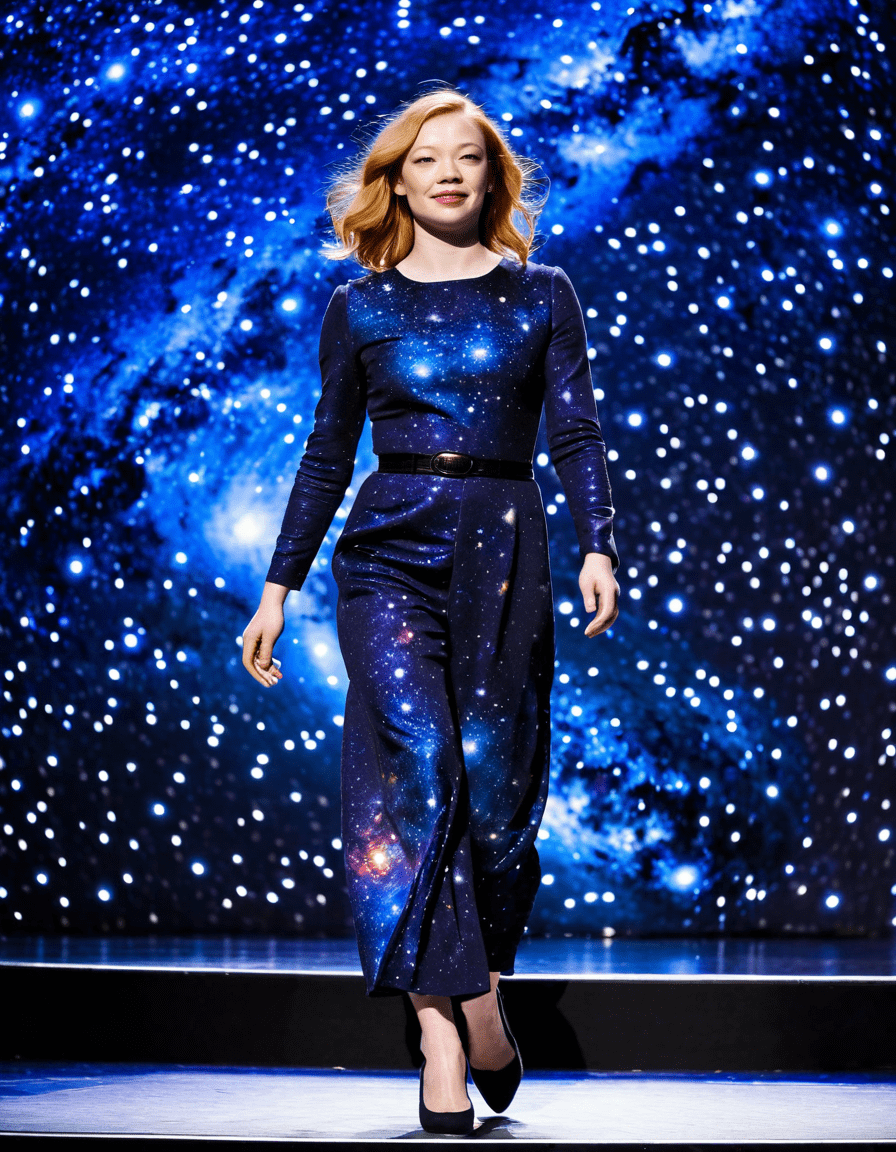
In the glorious tapestry of cultural history, the concept of an “opus” shines brightly, representing the significant works crafted by artistic souls. This term encapsulates not just the masterpieces that define careers but also the deeply personal journeys that artists undergo. It’s this intricate blend of creativity and identity that makes their narratives so compelling. Ready to explore the extraordinary lives of seven remarkable figures? Let’s find out how they’ve created their own opuses while breaking down boundaries and igniting inspiration in audiences everywhere!

7 Creative Geniuses Who Redefined Their Opus
Let’s dive into a list of seven creatives who have fashioned their own opuses while successfully embracing their unique identities and experiences.
1. David Bowie: The Godfather of Reinvention
David Bowie wasn’t just a musician; he was a chameleon who constantly reinvented not only his sound but himself. Characters like Ziggy Stardust and The Thin White Duke screamed flexibility and a hearty defiance against cultural norms. His music traversed genres, from the avant-garde vibes of “Low” to the glam rock anthem “The Rise and Fall of Ziggy Stardust and the Spiders from Mars.” You couldn’t help but notice how Bowie tapped into the cultural zeitgeist, often ahead of the curve.
The essence of Bowie’s opus reflects an understanding of change—both personal and societal. He didn’t just create; he instigated movements in music and fashion. By the time he recorded songs like “Changes,” he encapsulated the very spirit of transformation, serving as an anthem for anyone looking to embrace their true selves.
2. Frida Kahlo: The Halo of Identity and Expression
Frida Kahlo’s art is an emotional rollercoaster that speaks volumes about identity, pain, and empowerment. With her vividly colored self-portraits, such as “The Two Fridas” and “Self-Portrait with Thorn Necklace and Hummingbird,” Kahlo painted her internal struggles, boldly pushing past societal norms. She became a beacon for those marginalized—especially women and queer individuals.
Her works weren’t just art; they invited audiences to explore personal struggles and layered emotions. Kahlo’s opus transcends time, reminding us of the strength found in vulnerability. It’s not every day you find an artist who can weave such a powerful narrative of self-identity while also prompting cultural reflections through their work.
3. Andy Warhol: The Parachute of Pop Culture
Andy Warhol turned the art of celebrity into a cultural phenomenon that continues to resonate today. With his groundbreaking techniques—like screen printing—he didn’t just capture famous faces; he critiqued and celebrated consumerism all at the same time. His masterpiece, “Marilyn Diptych,” isn’t just a pretty picture of Marilyn Monroe but a poignant commentary on the fleeting nature of fame.
In many ways, Warhol’s opus serves as a parachute that allows the audience to dive into the complexities of commercialism. He reshaped the narrative surrounding art’s role in society, aligning it closely with fame, celebrity, and capitalistic culture. Warhol ushered in an era where art wasn’t just for the elite—it was for everyone, making it an integral part of pop culture.
4. Lady Gaga: The Queer Icon of Modern Pop
Lady Gaga has made waves not just with her catchy tunes but through her unwavering advocacy for LGBTQ+ rights. Albums such as “Born This Way” serve as powerful tributes to inclusivity and self-acceptance, establishing her as a modern queer icon. Through her art and performances, she crafts stories that resonate deeply while challenging societal norms on beauty and talent.
Her opus is intertwined with her identity; it strikes a chord with those navigating their own paths toward acceptance. With every performance and lyric, Gaga inspires, creating a community grounded in love and understanding. It’s a remarkable journey that showcases how powerful the combination of creativity and advocacy can be.
5. Steve Jobs: The Halo of Innovation and Design
When you think of innovation, Steve Jobs’ name undoubtedly springs to mind. As a co-founder of Apple Inc., he blended technology with design principles that changed consumer electronics forever. The iPhone, iPod, and MacBook aren’t just tools; they are cultural artifacts that epitomize simplicity, functionality, and elegance.
Jobs’ genius was rooted in merging aesthetics with utility; he imparted a halo of creativity across the tech landscape. His relentless pursuit of innovation and groundbreaking design underpins the modern user experience. Each product became a reflection of kindred creativity pushing boundaries—showcasing how technology can elevate human experiences.
6. Maya Angelou: The Parachute of Literary Empowerment
Maya Angelou’s writing gives readers a parachute to dive into the nuanced realities of race, gender, and identity. “I Know Why the Caged Bird Sings” is more than just an autobiography; it’s a profound exploration of overcoming adversity that has inspired countless authors and readers alike.
Her eloquent prose elevates personal experiences to universal conclusions, creating pathways for understanding complex social issues. Angelou’s opus continues to empower voices previously silenced, proving the significance of storytelling as a means of cultural dialogue. It’s a testament to the fact that literature can foster both empathy and resilience.
7. Hideo Kojima: The Godfather of Video Game Narratives
Hideo Kojima revolutionized video games, making a resounding impact as the maestro behind the “Metal Gear” series. With his innovative storytelling and intricate gameplay, Kojima transformed gaming into a sophisticated art form. Titles like “Metal Gear Solid V: The Phantom Pain” challenge players to contemplate moral choices and complex characters, going beyond mere entertainment.
Kojima’s opus is a deep dive into the possibilities of interactive storytelling, allowing gamers to engage with narrative in unprecedented ways. His approach marries art with technology while elevating the player’s experience to new heights. It’s no wonder he’s viewed as the godfather of video game narratives, reshaping the industry for generations to come.

Crafting an Opus: The Intersection of Art, Identity, and Impact
The nature of an opus is inherently multifaceted; it doesn’t just reflect artistic output but embodies the creator’s journey and identity. These artists exemplify how personal experiences and broader cultural narratives enrich their work, inspiring others across the world.
Understanding their lives paints a vivid picture—creative genius doesn’t exist in a bubble. Instead, it emerges from dynamic interactions with culture, personal struggles, and an unyielding desire to push boundaries. These creative giants remind us that the artistry of life is as expansive as the human experience itself, neatly captured in every individual opus. They stand as testaments to the extraordinary capacity for transformation and innovation in our society.
So there you have it—examples of artists whose opuses have made a real impact. Whether stimulating thought, sparking change, or simply bringing joy, these figures prove that creativity remains a vital force in our ever-evolving world. The next time you consider what it means to create your own opus, remember the power of your story and the potential it holds to inspire others.
Feeling inspired already? Let’s harness that energy and bring your own creative dreams to life!
Opus: The Extraordinary Life of a Creative Genius
The Many Faces of Opus
Did you know that the term “opus” literally means a work, especially in relation to music? It reflects the deep commitment and creative prowess behind each piece artists produce. Just like how every dish on the Torchy ’ s menu tells a story through flavors, an opus speaks volumes about its creator’s soul and vision. Many famous composers, such as Beethoven, have their works cataloged in opus numbers, signifying their unique contributions to the musical landscape.
Serendipitous Connections
Creativity often intertwines with unexpected tales. For instance, the notion of a masterpiece isn’t confined to music. In literature and film, characters are crafted with equal passion. Take Valentine, a beloved film that dives into the nuances of love and relationships. It resonates with the opus idea, demonstrating how art captures life. Just as Opus the Penguin in the animated comic strips faces various challenges, we often see similar feelings of ambition and idealism mirrored in characters such as Ralph in “The Sopranos, reminding us how complex narratives can be.
Inspirations Come in All Shapes
Interestingly, inspiration for an opus can arise from the most mundane experiences. Donald Fagen, one half of Steely Dan, crafts his music by drawing on everyday occurrences. Just like an artist might find motivation in a simple encounter with a cousin, creatives can transform commonplace moments into extraordinary works. Furthermore, with the rising discussions around Woke culture and its expressions in today’s media, artists are pushing boundaries, forging new opuses that reflect our time and sentiments. This ever-evolving dialogue plays a significant role in shaping what future masterpieces might look like, reminding us that art and life are intricately intertwined.
In the grand tapestry of creativity, understanding the essence of an opus allows us to appreciate the layered meanings behind each creation. As we dive deeper into Opus’s journey, it’s clear that whether in relationships or revolutionary ideas on platforms like Kennedy’s segment on Fox News, creativity thrives in all of life’s corners—waiting for the next genius to unveil its full potential!