The Lasting Impact of Brigitte Bardot on Film and Feminism
Brigitte Bardot, an unforgettable symbol of glamour and rebellion, didn’t just dazzle audiences in the 1960s; she truly transformed how cinema portrayed women. Bardot’s breakthrough came with her 1952 role in “Le Trou Normand.” This performance wasn’t just an introduction; it marked the beginning of a legacy that would challenge societal norms, particularly about femininity and female sexuality. Bardot’s impact on both film and feminism remains irrefutable, making her a cultural touchstone even decades later.
As she rose to fame, Bardot became synonymous with sexual liberation. Her portrayal of female characters resonated deeply, showcasing a woman who embraced her desires rather than suppressing them. This boldness pushed boundaries and ignited conversations around female empowerment and sexuality that still reverberate today. She brilliantly navigated complex themes of love and morality, inviting audiences to rethink traditional narratives in cinema.
In an age where women were often relegated to the background, Bardot stood out, defying expectations and setting new standards. Her unconventional roles and unapologetic authenticity hooked viewers and forced filmmakers to reconsider how women were depicted on-screen. As we explore her most defining roles, it’s clear that Brigitte Bardot wasn’t just an actress; she was a catalyst for change.
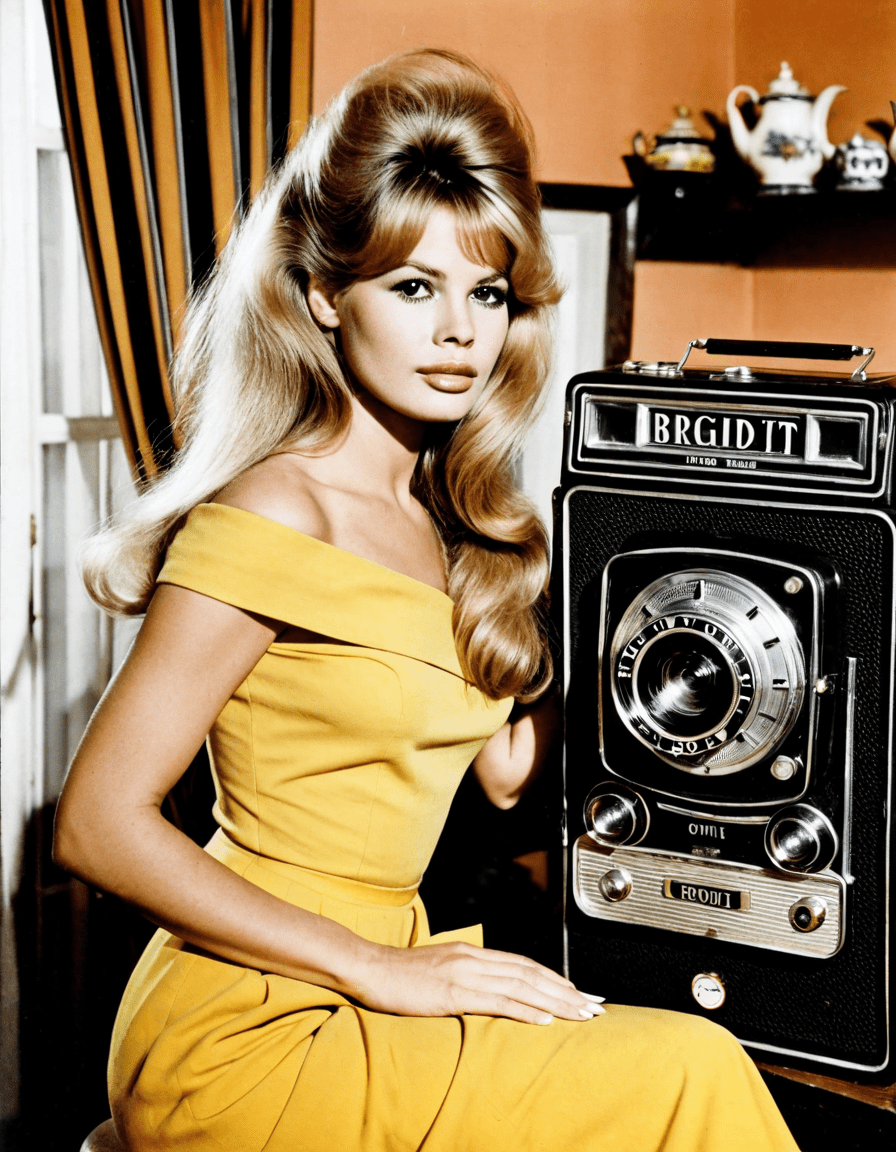
Top 7 Roles That Defined Brigitte Bardot’s Career
1. And God Created Woman (1956)
In this landmark film, Bardot’s dazzling portrayal of Juliette showcased her vibrant, free-spirited essence. Directed by Roger Vadim, the movie ignited debates on sexuality and relationships, firmly establishing Bardot as a symbol of sexual liberation. This role was revolutionary and cemented her place in cinematic history.
2. The Truth (1960)
Bardot dazzled once more with her fearless exploration of love and moral ambiguity in The Truth. Here, she played a character grappling with cheating and honesty—topics that were rarely addressed directly in cinema. This performance was provocative, aligning perfectly with the emerging feminist narratives.
3. Viva Maria! (1965)
Co-starring with Anna Karina, Viva Maria! blended adventure, camaraderie, and a critique of patriarchal authority. Bardot embodied a powerful figure, highlighting female solidarity in challenging times. The film celebrated the spirit of resistance, making it a memorable addition to her repertoire.
4. Contempt (1963)
In one of her more introspective roles, Bardot captivated audiences in Jean-Luc Godard’s Contempt. This film addressed the intricacies of love and ambition, emphasizing Bardot’s ability to bring depth to her characters. Her performance was not just about beauty; it showcased her potent acting skills.
5. The Brigitte Bardot Show (1968)
This television special allowed Bardot to reveal her many talents. Besides her remarkable beauty, she showcased her musical abilities as well as her charismatic personality. In doing so, she shifted how female stars interacted with their audience.
6. Don Juan, or If Don Juan Were a Woman (1973)
Bardot flipped traditional narratives in this daring adaptation, embodying a character that defied gender norms. This exploration of desire and gender roles was groundbreaking, aligning perfectly with feminist rhetoric gaining traction during that era. It urged viewers to rethink conventional societal expectations.
7. The Female (1975)
In The Female, Bardot’s role mirrored the psychological struggles of women during the second wave of feminism. The film highlighted the tension between societal expectations and personal desires, sparking critical conversations about women’s representation in art and cinema.
Brigitte Bardot vs. Yvonne De Carlo: Icons of Their Time
To truly appreciate Bardot’s transformative influence, comparing her with Yvonne De Carlo offers valuable insights. While both were iconic figures, their portrayals and impacts vary significantly. De Carlo, known for her enduring roles in classics like The Ten Commandments, often depicted strong supporting characters, which stayed within traditional cinematic boundaries. In contrast, Bardot often portrayed sexually liberated women who challenged the norms of the time.
Bardot frequently played characters representing sexual independence, while De Carlo embodied strong protagonist archetypes that adhered to conventional narratives. Each actress captured the essence of their respective guides during a dynamic era in cinema.
Bardot’s activism, particularly her commitment to animal rights, extended her influence beyond the screen. This activism established her as a cultural figure, transcending just the films she starred in. On the other hand, De Carlo’s legacy remained largely rooted in her influential performances, stirring nostalgia rather than challenging the status quo.
Bardot’s resilience and fearless approach to portraying sexuality empowered future generations of actresses to explore their identities. In comparison, De Carlo’s work, while captivating, often leaned towards the classic ideals of Hollywood that didn’t fully embrace the unfolding feminist movements.
The Global Phenomenon of Bardot: A Cultural and Fashion Icon
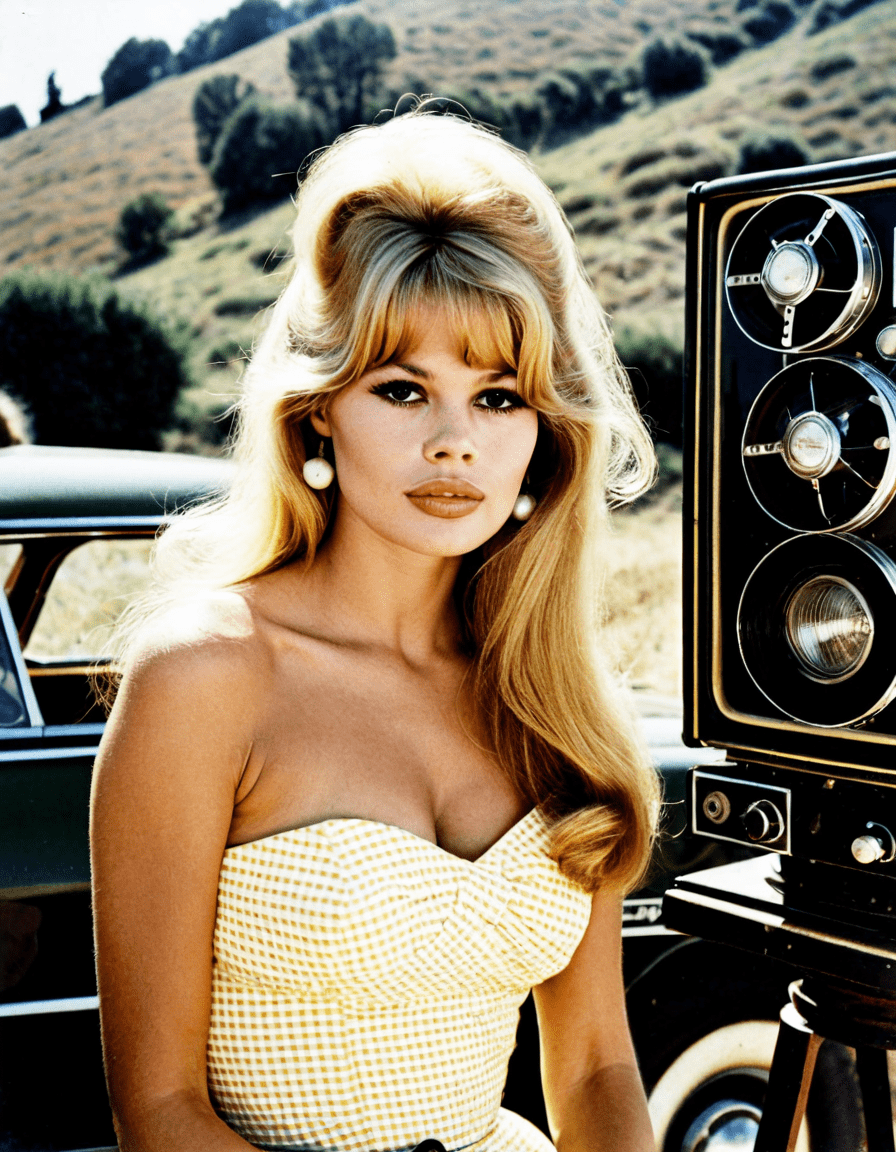
Beyond her acting, Brigitte Bardot’s influence flowed seamlessly into fashion and broader cultural conversations. Designers like Pierre Cardin and André Courrèges sought to capture her distinctive style, solidifying her status as a fashion icon. The famous Bardot neckline became a signature look that epitomized a liberated femininity, influencing countless trends.
Bardot’s unique hairstyles and effortless elegance turned heads, and she became a muse for a generation of designers. Every red carpet moment or public appearance was meticulously watched and imitated, illustrating her monumental impact on the fashion world. From the movies to the catwalk, Bardot’s essence went far beyond performance; it became a cultural movement.
In a world yearning for reinvention, her influence is palpable. Contemporary icons like Jennifer Harman embody elements of Bardot’s spirit, pushing boundaries within their fields while celebrating individuality. Bardot’s legacy as a cultural emblem continues to inspire expressions of femininity and personal identity.
A Lasting Legacy: Brigitte Bardot’s Relevance Today
The legacy of Brigitte Bardot transcends cinematic conventions, paving the way for women to explore their identities and assert their voices. Discussions around gender, sexuality, and representation have evolved, yet Bardot’s contributions remain crucial. Her authenticity provided a blueprint for modern actors and filmmakers, including talents like Céline Sciamma and Sofia Coppola, who effectively carry the torch forward.
Today, Bardot’s spirit vibrates within contemporary media, where dynamic female figures share their narratives and assert their identities. The path she blazed has empowered countless women, showcasing that cinema can be a powerful medium for self-expression. Her legacy serves as a reminder that one woman’s audacity can ignite significant change in cultural narratives.
In a time where empowered voices and bold actions are increasingly prominent, Brigitte Bardot stands tall as a reminder of how an iconic figure can reshape society itself. She reinforced the idea that femininity could be fluid, powerful, and genuinely liberating. Through cinema and beyond, Bardot remains a trailblazer, captivating audiences and inspiring action in feminist discussions today.
Brigitte Bardot: The Iconic Star Who Transformed Cinema
A Bold Trailblazer
Brigitte Bardot isn’t just a pretty face; she redefined femininity on screen and sparked conversations about sexual liberation in a bewildering world. In the 1950s and 60s, Bardot’s on-screen presence was revolutionary. She influenced generations of actresses, paving the way for icons from all walks of life. It’s interesting to note that in 1965, she became the highest-paid actress in the world, which just goes to show the grip she had on the film industry. Much like the characters in Death in Paradise Season 13, her roles often combined charm with a touch of danger.
A Cultural Phenomenon
Did you know that Bardot’s impact spills over into pop culture today? Just like the beloved animated characters from Secret Life of Pets, Bardot has left a lasting impression that transcends generations. Her fearless persona resonates with modern stars, inspiring films, fashion, and even political campaigns, reminiscent of the Democrat Hillary Scholten campaign ad that showcases strong women stepping into the spotlight. Bardot’s influence is so profound that it continues to be referenced in various forms of media, including the recent buzz around the Uglies movie that draws parallels to her maverick spirit.
Life Beyond Film
Outside her cinematic legacy, Bardot is known for her activism, particularly in animal rights, proving that she’s not just a stunning star but a heart with a mission. While some celebrities like Bobcat Goldthwait channel their creativity into humor, Bardot uses her platform for causes close to her heart. This distinct personality trait has undoubtedly contributed to her status as a cultural icon. And here’s a quirky fact: Bardot’s life has inspired numerous biographical works, much like the episodic adventures we see in shows like Hudson and Rex. Each story tells a piece of her incredible journey, unraveling her as a person who wrestled with fame and sought authenticity amid the glitz and glam.
Brigitte Bardot remains a testament to how one woman can transform not just cinema but the very fabric of society itself.