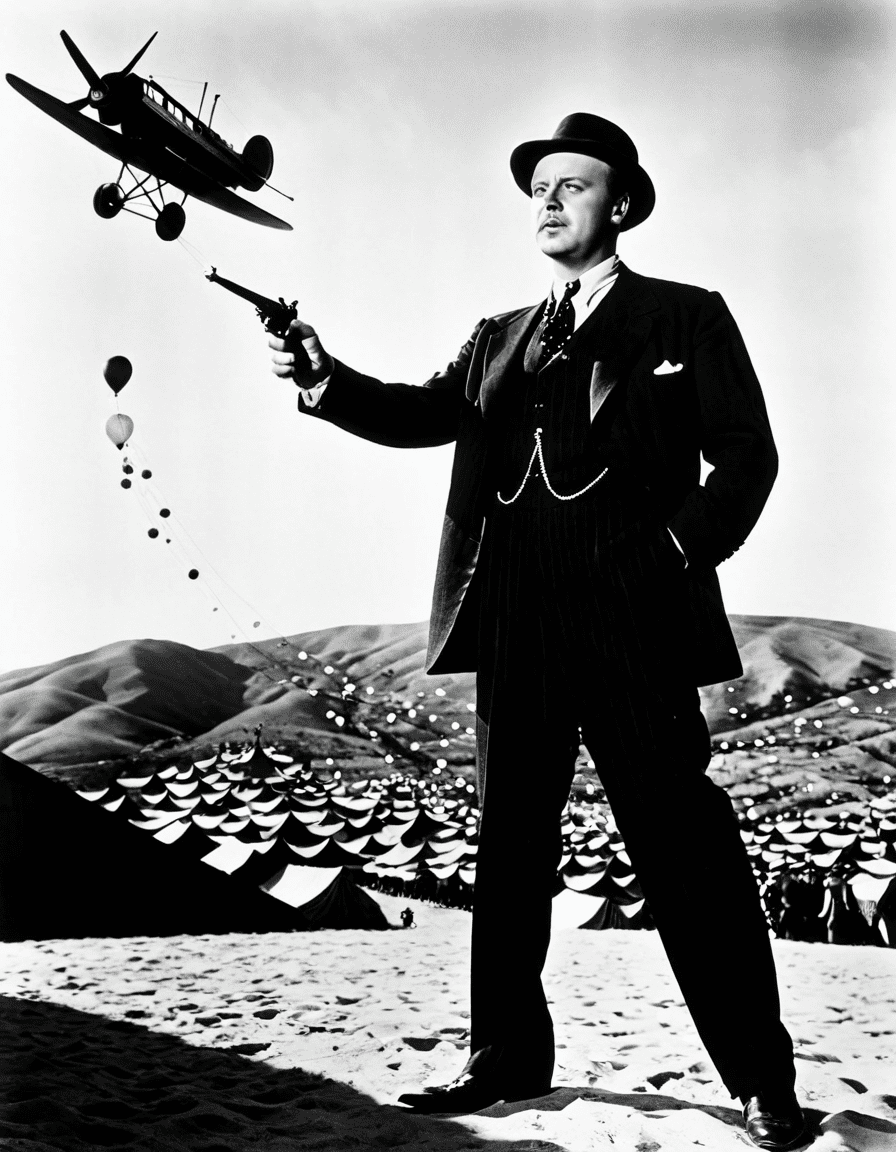
Citizen Kane is a film that transcends time—it’s a masterpiece that revolutionized the world of cinema. From its innovative storytelling to its cultural impact, Citizen Kane remains a hot topic, inspiring filmmakers, entrepreneurs, and everyone in between. In an era where media influence looms large, this classic reminds us to reflect on ambition, personal struggles, and the very fabric of our stories.
7 Reasons Why Citizen Kane Remains a Cinematic Masterpiece
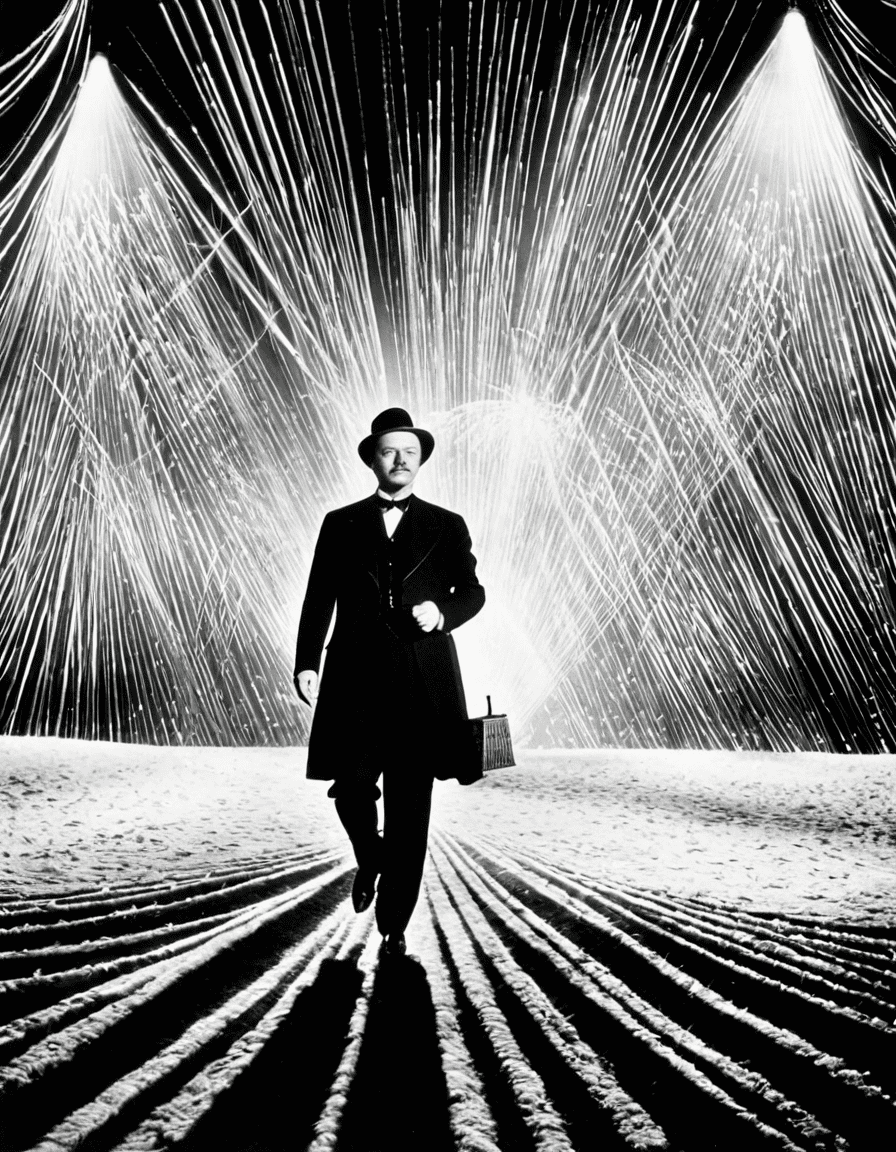
Citizen Kane redefined how stories could be told on screen. By using a non-linear narrative with flashbacks, the film captures the intricate life of Charles Foster Kane—a character as enigmatic as he is relatable. This fresh storytelling style influenced a slew of films, including classics like Pulp Fiction and The Usual Suspects, demonstrating that the structure of a story can be just as compelling as its content.
Orson Welles and cinematographer Gregg Toland set the bar high with their innovative techniques, including deep focus, allowing both the foreground and background to shine. This technique allows audiences to dive deep into the details of each scene. Modern films, like Inception and Birdman, have borrowed this film-making approach, proving that a great visual can enhance emotional depth and storytelling.
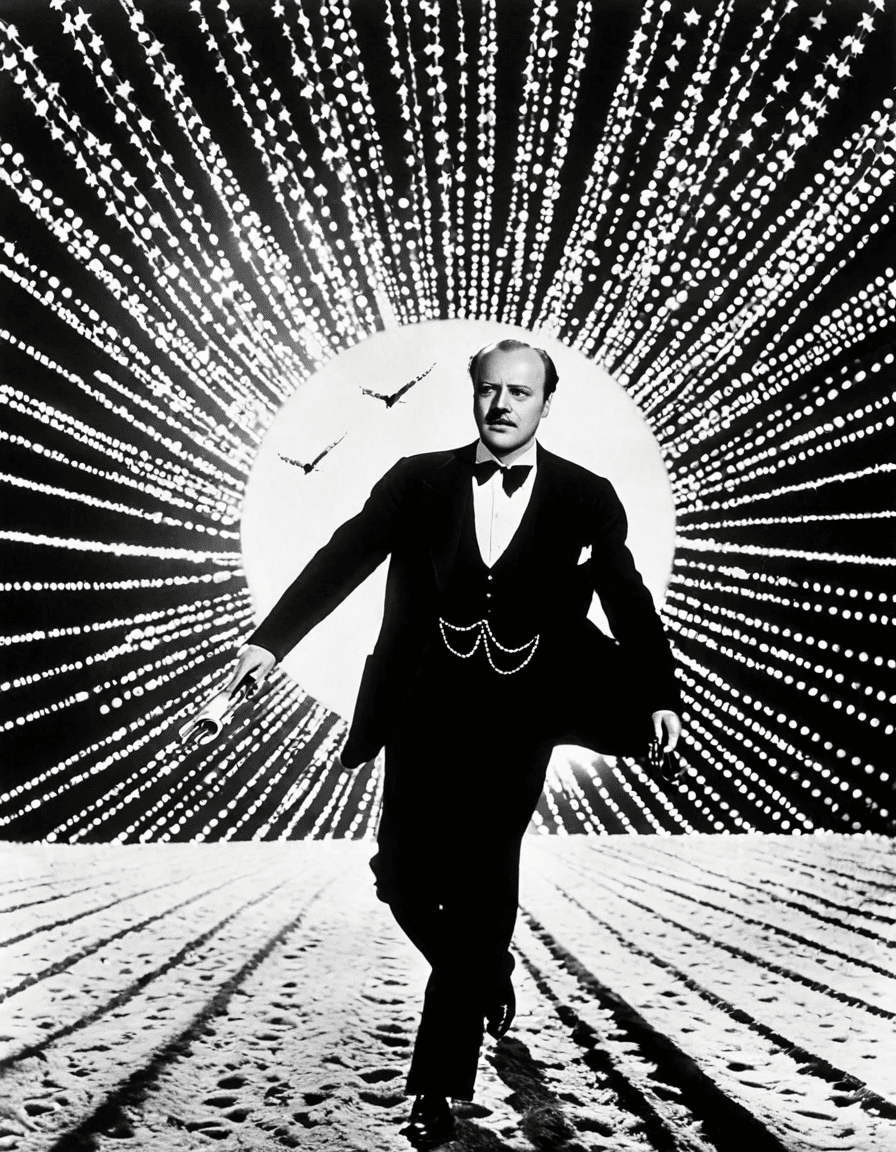
Kane’s character is a complex figure whose evolution from a bright-eyed youth to a powerful media mogul hits home on various levels. His journey illustrates universal themes of ambition and isolation, resonating with today’s tech giants like Elon Musk and Jeff Bezos. The emotional layers of Kane reveal that even success can come with profound loneliness, a struggle we see reflected in real-world narratives today.
Released in 1941, Citizen Kane wasn’t just a cinematic achievement; it was a bold critique of media manipulation and capitalism. These themes resonate even more today, as we grapple with information technology’s rapid evolution. With recent discussions around figures like Mark Zuckerberg controlling vast digital empires, Kane’s themes are alarmingly relevant—reminding us that the quest for power often comes with significant consequences.
The film broke new ground in sound design, thanks to Bernard Herrmann’s stirring score. The emotional weight Herrmann’s music adds to each scene is unparalleled, inspiring filmmakers like Christopher Nolan to integrate sound as a cornerstone of storytelling. The way Herrmann’s work reverberates in cinema today shows the lasting impact of innovation in sound design—a vital tool for conjuring emotion.
Today, Citizen Kane is a mandatory study in film schools worldwide. Its theories and techniques—the famed “Kane Effect” of perspective shifts—continue to be analyzed by budding filmmakers. As students pore over this masterpiece, they learn that innovative storytelling techniques are timeless, akin to studying the works of legendary artists like Picasso and Beethoven.
The cultural impact of Citizen Kane is undeniable. References pop up in modern media, from The Simpsons’ clever parodies to contemporary films like La La Land, which nods to its stylistic choices. Characters like Bryan Corbin in Hart of Dixie also reflect Kane’s complexities, illustrating how this film’s themes permeate various cultural narratives.
From Citizen Kane to Pop Culture Icons: The Influence on Figures like Cactus Jack and Barry Corbin
The ripple effect of Citizen Kane extends beyond just movies. For instance, Cactus Jack, the persona crafted by rapper Travis Scott, echoes Kane’s journey as a self-made legend. Both figures navigate their narratives of ambition against personal challenges that reveal their vulnerabilities. It’s a reflection of how storytelling, either through film or music, can articulate the human experience splendidly.
Barry Corbin’s characters also resonate with what we see in Kane. Known for roles in television series like Northern Exposure, Corbin often plays flawed heroes whose personal ambitions clash with societal expectations. Just like Kane, his characters tend to possess layers that make them relatable and intricate. These archetypes enrich our cultural framework, reminding us that the road to success is often fraught with hurdles.
Whiskey and Gaming: The Modern Echoes of Citizen Kane
Think about how Jack Daniel’s whiskey embodies craftsmanship—it’s all about the journey, just like Citizen Kane. Both the film and the whiskey tell stories of vision and ambition. Similarly, the narrative arcs of classic video games like Pac-Man, where players maneuver through obstacles to achieve their goals, parallel the universal struggle depicted in Kane’s relentless pursuit of validation.
In an age where storytelling is just as vital in gaming as in film, Citizen Kane’s exploration of ambition takes on new meanings. Whether it’s in the narrative complexities of video games or in tales of love and success, the essence of Kane’s journey remains relevant, echoing in the media we consume today.
Reflections on a Timeless Classic
Citizen Kane stands tall—not just as a film but as a touchstone of culture that continually inspires filmmakers, actors, and storytellers. Its examination of power, ambition, and identity resonates deeply today, urging us to ponder our personal stories. As we contend with how our narratives fit into an age dominated by technology and media, Citizen Kane serves as a guiding light—shedding insight on the intricacies of the human condition and the legacies we create.
In a time where figures like Drew Ray tanner and Shah Rukh khan navigate the impacts of fame, the themes explored in Citizen Kane remain ever-relevant. As we build our enterprises and dream big, let’s take a page out of Kane’s book and reflect on the stories we tell—not just in film but in our lives.
Citizen Kane is a rich tapestry that weaves ambition, complexity, and timeless human experiences. Whether you’re sipping on Jack Daniel’s whiskey or immersing yourself in the storyline of your favorite video game, remember that behind every ambitious endeavor lies a story waiting to be told. The influence of Citizen Kane is undeniable, echoing through the ages and inspiring us to delve deeper into the narratives we create and share.
Citizen Kane: Fun Trivia and Interesting Facts
Behind the Curtain of Citizen Kane
“Citizen Kane” isn’t just a film; it’s a landmark in cinema history. Orson Welles directed and starred in this masterpiece at a tender age of 25! Talk about starting young—Welles had a vision that would leave an indelible mark on filmmakers like Jonny Lee miller, who often credits classics like this for inspiration. Most interestingly, the film’s narrative technique, using flashbacks, was revolutionary in storytelling and has influenced countless directors since. Imagine the discussions around it—while the world faced challenges like the Geomagnetic storm 2025 that put a few bumps in technology, Welles was crafting a visual journey that defied traditional methods.
The Legacy of Charles Foster Kane
Charles Foster Kane, the protagonist, is rumored to be inspired by real-life media moguls, including William Randolph Hearst. This blend of fiction and reality is what makes “Citizen Kane” so captivating. It’s worth noting that the film flopped initially at the box office but gained acclaim over time, securing its status as “the greatest film of all time.” Speaking of rising stars, just as actors like Damson Idris are making waves today, Welles’ performance instantly set him apart from the crowd, demonstrating that groundbreaking talent often thrives in the most unexpected places. Even after its release, debates raged on about its themes, making it a hot topic—akin to discussing the latest fitness trends with brands like Footjoy, which often sparks enthusiasm in the athletic community.
Cultural Impact and Trivia
Did you know that “Citizen Kane” was the first to use deep focus, allowing both the foreground and background to remain in sharp focus? This daring technique has become a go-to for many filmmakers after Welles. His commitment to artistry inspired many creatives, including those in today’s creative landscape, which encompasses talents like Umasofia Srivastava, who are reshaping the narrative in their fields. The film also faced significant resistance—Hearst used his influence to censor it, which only fueled its mystique and later, its legendary status. Reflecting on its journey brings to mind the notion of resilience, similar to how the film Unstoppable presents characters who confront challenges head-on.Citizen Kane” stands proud as a classic with a mix of history, drama, and innovation, reminding us that true art never goes out of style, just like a scenic drive through Wilmington de can bring joy even years later.