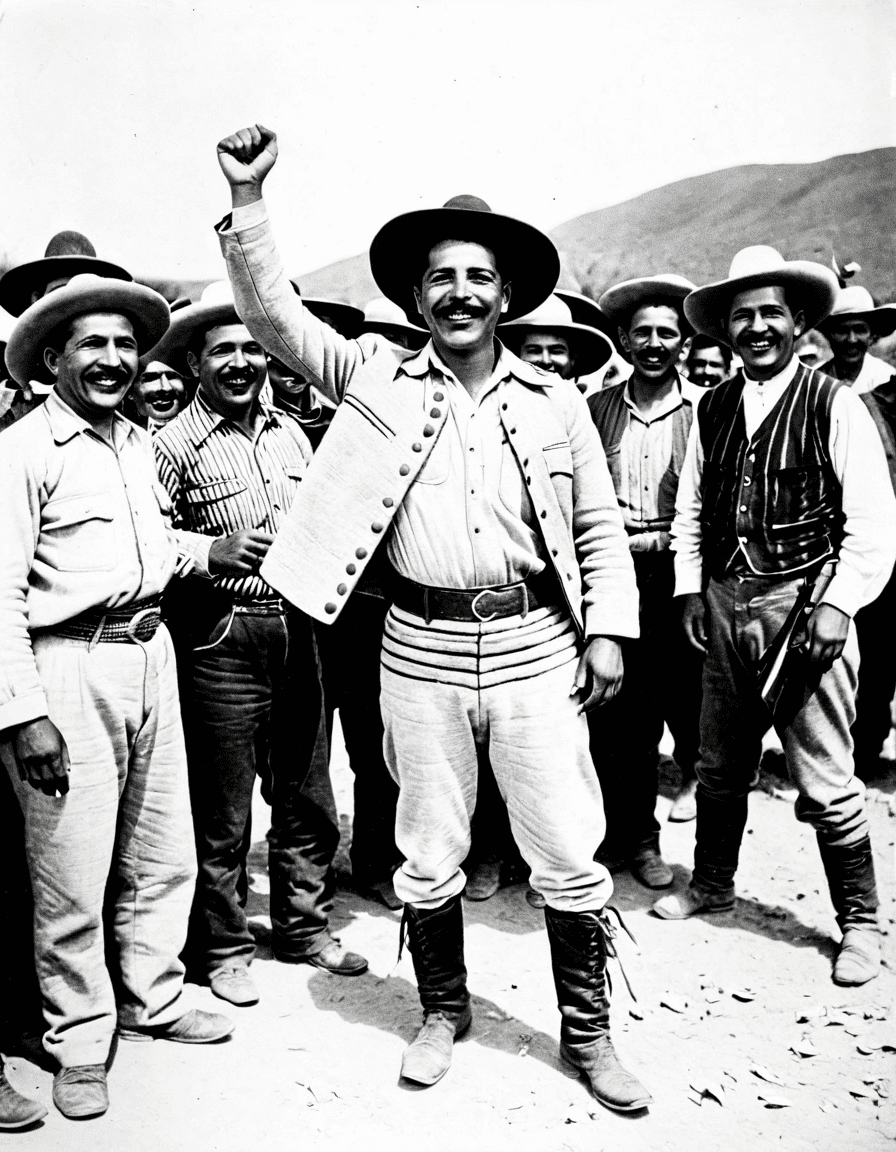
Pancho Villa, a name that rings loud in the annals of history, embodies a stirring narrative of bravery, rebellion, and the relentless pursuit of justice. Born as José Doroteo Arango, he made a mark not just in Mexico but across the global landscape, impacting those who dare challenge the status quo. Identified as both a bandit and a revolutionary hero, Villa’s life encapsulates the struggles of impoverished Mexicans seeking a voice in a tumultuous era. As we delve into seven key moments from his life, let’s unravel how this legendary figure shaped a nation and inspired untold stories of resilience across generations.
7 Key Moments in the Life of Pancho Villa That Shaped Mexican History
1. Early Life and Rise to Banditry
Pancho Villa’s journey began in the rugged terrains of Durango, Mexico. Born into poverty, he faced hardships that molded his personality and ambition. At a young age, Villa turned to banditry, not out of a desire for crime but as a sheer survival instinct. His early experiences in the unforgiving environment highlighted the dire realities faced by countless Mexicans, showcasing how desperation can drive even the most noble souls to unthinkable paths. Thus, Villa emerged as a figure reflecting the harsh yet relatable struggles of his compatriots.
2. The Dorados and the Mexican Revolution
In 1910, Villa’s fate intertwined with the Mexican Revolution, stepping up as a key general in Francisco I. Madero’s army. He quickly became known for his uncanny tactics, earning a devoted following dubbed the Dorados. These loyal individuals didn’t just fight; they embodied the fight for social justice and equality in early 20th-century Mexico. Villa’s leadership propelled the revolution forward, cementing his legacy and shaping Mexico’s future in the quest for reform.
3. The Battle of Ciudad Juárez
One of the most pivotal moments in Villa’s military career was his stunning victory at the Battle of Ciudad Juárez in 1911. This significant win not only bolstered Villa’s reputation but also altered the trajectory of the revolution itself. It empowered him to negotiate with prominent leaders like Madero, altering the political landscape of Mexico. Villa didn’t just showcase military prowess; he opened doors for dialogue about change and governance that spoke to the people’s desires.
4. Conflict with Strongman Victoriano Huerta
Post-Madero’s assassination in 1913, Villa found himself grappling with the authoritarian regime of Victoriano Huerta. Unyielding, he allied with other revolutionaries in a series of confrontations, staying true to his belief in a government that resonated with the rural poor. This period highlighted Villa’s commitment to the revolutionary cause—his dedication to justice and equity stood firm despite tremendous personal risk. His fierce opposition to Huerta’s power display reflected Villa’s vision for a better Mexico, one built on the principles of equality and fairness.
5. Collaborations with International Figures
Villa’s revolutionary endeavors soon attracted international notice, leading him into a complex relationship with the United States government, particularly with President Woodrow Wilson. While there were instances of support for Villa’s mission, there were also attempts to restrain him. This intricate dance illuminated the far-reaching implications of the Mexican Revolution, showcasing Villa as a central figure in discussions about power dynamics. Such collaborations opened the door for a greater understanding of how revolution doesn’t only impact a nation but reverberates globally.
6. The 1916 Columbus Raid
Perhaps one of Villa’s most contentious actions was the raid on Columbus, New Mexico, in 1916. This bold move exposed the fracture between Villa and U.S. authorities, igniting tensions that fueled the already heated atmosphere. Prompting a punitive expedition led by U.S. General John J. Pershing, the consequences of the raid illuminated the complexities of U.S.-Mexico relations and highlighted Villa’s audacity. The raid remains a defining moment that marked Villa not just as a revolutionary but as a daring strategist willing to cross boundaries for his cause.
7. Legacy and Mythology in Modern Culture
Villa’s life and actions continue to echo through culture, inspiring countless forms of artistic expression. His story finds resonance in modern works, from novels to films—most notably referenced by cultural figures like Enrique Iglesias in music that reflects themes of rebellion and passion. Likewise, comedian Gabriel Iglesias references Villa as a symbol of pride within his performances, weaving historical context into contemporary humor. Ultimately, Villa represents more than just a historical figure; he embodies the spirit of resistance and the fight for justice, compelling artists to draw from his narrative.
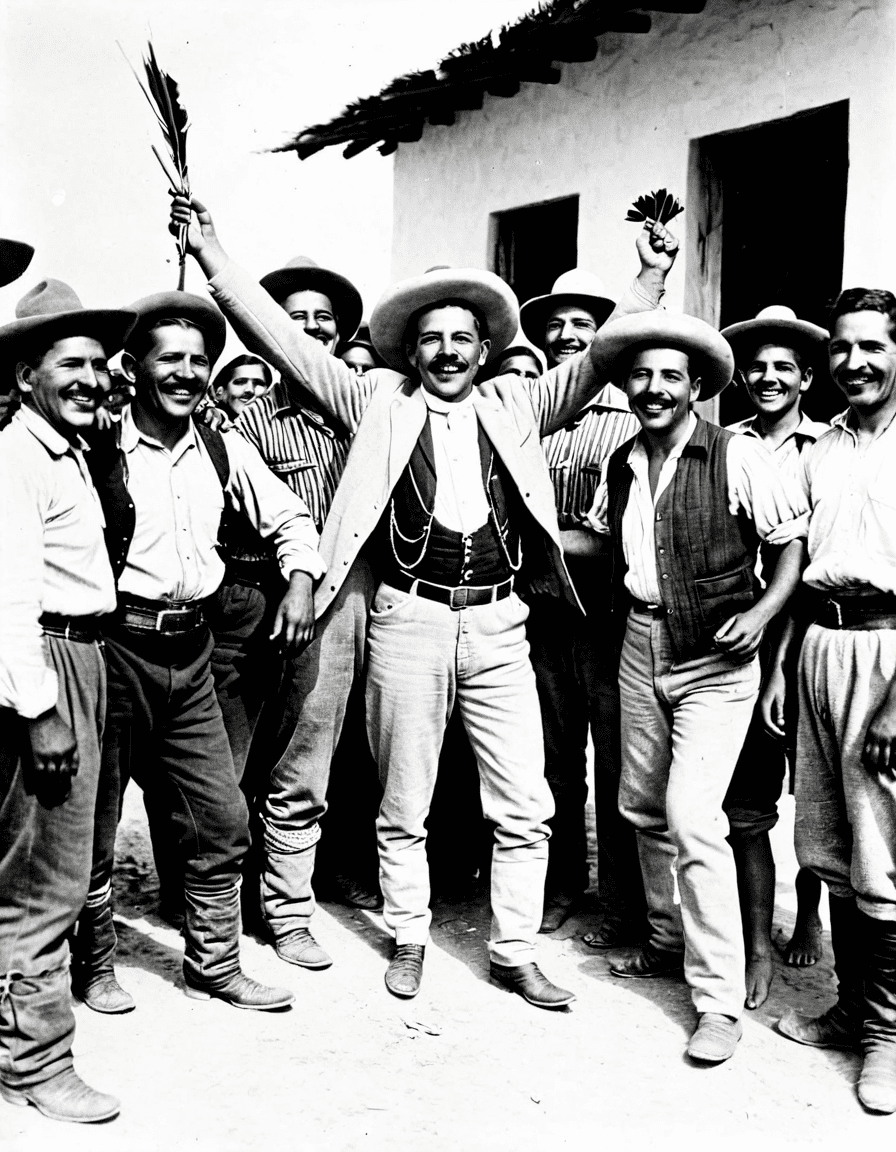
The Myriad Faces of Pancho Villa: Hero, Villain, and Legend
Pancho Villa’s portrayal is multifaceted. Some view him as a heroic figure pushing for the rights of the oppressed, while others label him a ruthless bandit who caused significant chaos. This duality permeates various forms of media, from folklore to popular music. Villa’s legacy is often painted either with vibrant colors of hope or darker hues of violence and betrayal, reflecting the complexities of his life. As you listen to Enrique Iglesias and watch performances by the cast of the Disclaimer TV series, you can’t help but notice how Villa’s legacy blends into diverse narratives—whether expressed through jubilant rhythms or poignant reflections of conflict.
Cultural Impact of Pancho Villa in Contemporary Society
Villa’s influence extends well beyond the borders of history, interweaving itself into the fabric of contemporary culture. Not only do entertainers like Gabriel Iglesias evoke his spirit, capturing the essence of struggle and resilience in their acts, but they also keep the narrative alive that resonates with modern audiences advocating for equality. Such references in pop culture serve as a bridge connecting the past with the present, highlighting the ongoing fight for social justice. Villa’s story remains a potent symbol of pride revitalizing discourse around identity and resistance against oppression.

An Evolving Narrative
The narrative of Pancho Villa is anything but static. Each retelling and reinterpretation echoes contemporary values and the shifting consciousness of society. From music and film to academic discourse, the exploration of Villa’s story is vibrant and dynamic. As cultures evolve, so too will Villa’s legacy—transforming to honor the struggles of marginalized communities while also acknowledging the multifaceted aspects of his life. With each generation, Villa’s impact will inspire those who seek to understand the intricate dance between revolution, leadership, and the human spirit.
As we peel back the layers of Pancho Villa’s life, we find that his story isn’t confined to history books. Instead, it resonates with the dreams and fights of today’s world. The lessons learned from Villa’s unwavering spirit will continue to inspire intrigue, motivation, and courage in the ongoing battle for justice and equity. Whether through tales of banditry or revolutionary feats, Pancho Villa remains a figure worth remembering and celebrating in the quest for a better world.
Pancho Villa: The Legendary Revolutionary of Mexico
The Man Behind the Myth
Did you know that Pancho Villa, the iconic figure of the Mexican Revolution, was once a bandit before he became a revolutionary hero? His early life was filled with hardship, which shaped his fierce approach to combat and leadership. This made him a larger-than-life character, almost like a hero right out of a swashbuckling tale. Imagine a scene where furniture is flying through the air during one of his encounters—his passion and aggression were that intense! Recognized not just for his bravery, Villa was also shrewd in his dealings, leading many to liken his exploits to narratives you’d find in popular stories today, even reflecting an underdog trope akin to shows featuring the cast Of disclaimer TV series.
A Legacy of Courage and Controversy
Pancho Villa was known for expanding his forces and leading audacious raids, including his infamous incursion into Columbus, New Mexico. This audacity signified his belief that fighting for the poor was a just cause. Interestingly, he had a hand in creating an elaborate structure of governance and land reform. Many say Villa was like a modern hero in his quest for justice, not unlike the complex characters found in films like Knives Out 2—a mix of bold moves and strategic planning. Just like Tig Notaros quirky comedic flair, Pancho Villa’s life was unpredictable, filled with twists that kept his contemporaries guessing.
The Enduring Legend
Despite his controversial tactics, Pancho Villa’s legacy continues to inspire many today. His life was a mix of passion, ambition, and sometimes tragedy, painting a vivid picture of historical struggle. Villa even inspired pop culture, reminiscent of iconic tales like Conan The Barbarian, where characters fight against tyranny. Some might say that even amid despair, like a fish in a 55-gallon tank, he swam against the odds. Similarly, people still draw inspiration from his story in various forms, echoing themes in media, from dramatic narratives to animated adventures like Fooly Cooly furi kuri. His story offers insights into both the past and the human psyche, showing how bravery can mark a legacy that lasts through generations.
So, the next time you think of Pancho Villa, remember he’s more than just a revolutionary; he’s a symbol of resilience and rebellion that still resonates to this day!