
The “Planet of the Apes” franchise first captivated audiences in 1968, and it’s still going strong today. With a rich narrative that challenges societal norms, explores the themes of evolution, and reflects on humanity’s role in the universe, these films have left an indelible mark on cinema. This article explores the planet of the apes movies in order, detailing their evolution from classic to modern adaptations while highlighting their cultural significance and relevance.
1. Planet of the Apes (1968): The Groundbreaking Original
Kicking off the franchise, the original “Planet of the Apes,” directed by Franklin J. Schaffner, hit theaters in 1968. Here, we meet astronaut George Taylor, portrayed by the legendary Charlton Heston, who crash-lands on a mysterious planet ruled by intelligent apes. This film isn’t just about talking animals; it dives deep into the human psyche, critiquing our nature and societal structures. One unforgettable scene is the reveal of the decaying Statue of Liberty, a chilling reminder of humanity’s destructive tendencies and hubris.
This classic flick did more than entertain; it posed pivotal questions about societal structure and morality, captivating audiences and making them think. It laid down the groundwork for the franchise’s philosophical themes, showcasing that cinema can serve as a mirror reflecting society’s ills. The lasting impact of this film can be felt in various contemporary narratives, urging viewers to consider the implications of their actions.
2. Beneath the Planet of the Apes (1970): Darker Underpinnings
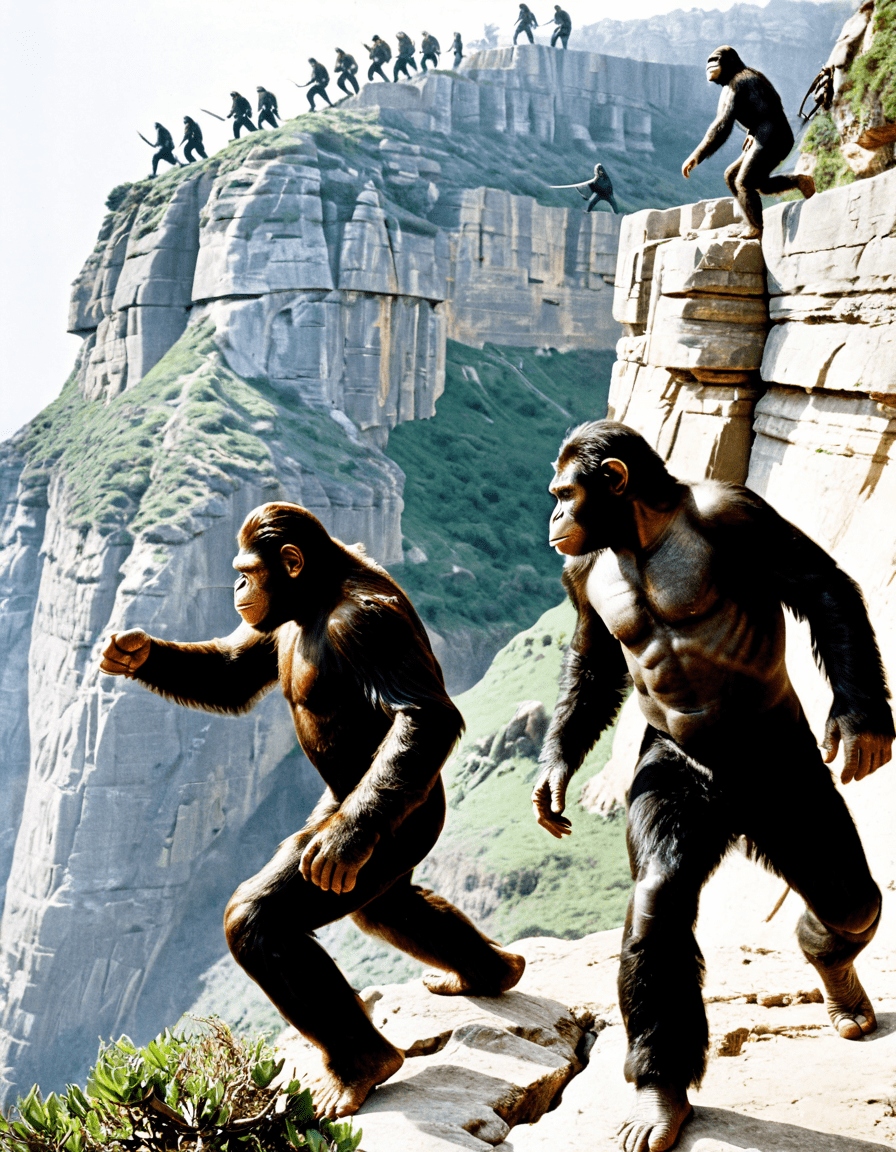
Just two years later, “Beneath the Planet of the Apes” continued the story with a dark twist. In this sequel, Brent—a character played by James Franciscus—uncovers a mutant society living beneath the surface. The film deepens the philosophical discussions introduced in the first installment, raising questions about faith, morality, and the terrifying possibilities of scientific advancement. The unsettling conclusion, which reveals the planet’s imminent destruction, left audiences shocked while igniting discussions about the real-world implications of nuclear warfare.
The rich thematic content in this installment reflects a growing unease in the late 1960s and early 1970s, mirroring American society’s fears surrounding scientific progress and war. By drawing parallels to existing societal issues, this film solidified its place in the franchise as a serious commentary rather than just a sci-fi spectacle. With every twist and revelation, it pushes viewers to rethink their relationships with both technology and each other.
3. Escape from the Planet of the Apes (1971): A Time-Traveling Twist
Now, here comes a twist! In “Escape from the Planet of the Apes,” directed by Don Taylor, we have time travel entering the mix. Cornelius and Zira, two intelligent apes, ride a time wave back to 20th-century Earth, landing amidst societal frictions. The narrative artfully addresses themes of race and equality, particularly relevant during the evolving civil rights movements of the early ’70s.
This film not only features thrilling plotlines but instills a powerful sense of empathy for its ape protagonists. It taps into our fears and societal tensions, making viewers ponder their prejudices and the societal structures surrounding them. The heart of this movie lies in its emotional storytelling and moral complexity, compelling audiences to confront their biases and reflect on their perceptions of the “other.”

4. Conquest of the Planet of the Apes (1972): Rise of the Apes
The franchise takes a bold revolutionary turn in “Conquest of the Planet of the Apes,” where Caesar, the son of Cornelius and Zira, rises to lead an uprising against oppressive human rule. Released in 1972, this film directly mirrors the civil rights movement of the era, showcasing the struggles against injustice and the fight for freedom. As the apes are exploited as laborers, Caesar’s rebellion becomes a metaphor for social change and empowerment.
This installment resonates strongly with audiences who relate to themes of oppression and resistance. It brings forward a compelling narrative about the fight for justice, reflecting the grassroots movements for civil rights and equality at the time. The emotional intensity and nuanced storytelling in “Conquest” carve out a significant emotional connection for viewers and showcase the potential for cinema to inspire actionable change.
5. Battle for the Planet of the Apes (1973): The Convergence of Species
Rounding out the original series is “Battle for the Planet of the Apes,” released in 1973. Directed by J. Lee Thompson, this film presents a complex exploration of coexistence and the post-revolution landscape among apes and humans. The storyline highlights the fragile peace between the species as both strive for survival amidst the remnants of conflict.
While the film incorporates significant political and ecological messages, its execution can feel muddled at times. Yet, the underlying commentary remains potent, reflecting on the reconciliation challenges faced after conflict. It captures the tension inherent in the attempt to bridge divides and foster understanding in the wake of social upheaval.
6. Rise of the Planet of the Apes (2011): A Modern Rebirth
Fast forward to 2011, and we meet “Rise of the Planet of the Apes,” directed by Rupert Wyatt. This reboot effectively reimagines the franchise, focusing on Caesar’s origin story. Through compelling CGI technology, the film recreates the rise of ape intelligence, spearheaded by Andy Serkis’s brilliant portrayal of Caesar. This installment reenergized the franchise, merging thrilling action with ethical questions surrounding genetic engineering and animal rights.
Viewers are drawn into a narrative that intertwines science with emotional depth, showcasing the complexities of familial bonds and the consequences of ambition. The film not only captivates through its visuals but also enriches the overarching discussion about humanity’s responsibility towards its creations. This ingenious modern twist breathes new life into the franchise, attracting a new generation of fans eager to engage with these principles.
7. Dawn of the Planet of the Apes (2014): Evolution and Fragility
Keeping the momentum going, “Dawn of the Planet of the Apes,” directed by Matt Reeves, examines themes of community, survival, and the delicate nature of peace. This film finds the apes struggling to thrive amidst the remnants of a decimated human society. Through the relationship between Caesar and human survivor Malcolm, played by Jason Clarke, the movie delves into the complexities of leadership and coexistence.
This installment dives deep into the interaction between species, providing a nuanced examination of morality. It emphasizes that the line separating good from evil is often blurred, reflecting a perspective that encourages viewers to approach conflicts with empathy. The emotional storytelling and intricate narrative layers compel audiences to consider broader societal implications—making it a standout in the franchise.
8. War for the Planet of the Apes (2017): The Tragic Climax
The trilogy culminates in “War for the Planet of the Apes,” also directed by Matt Reeves, where Caesar’s journey reaches an emotional pinnacle. The film explores themes of sacrifice, the horrors of war, and the burdens of leadership, drawing from historical narratives that resonate deeply. The character development is rich and profound, culminating in a haunting yet gripping reflection on vengeance and its consequences.
This final chapter masterfully combines action with heavy philosophical inquiries, prompting audiences to reflect on the cost of conflict. The film resonates on multiple levels, allowing viewers to feel the weight of Caesar’s struggle while simultaneously engaging with pressing ethical issues surrounding war. It effectively establishes a lasting legacy while underlining the profound implications of human and ape coexistence.
9. Kingdom of the Planet of the Apes (2024): The New Generation
Looking ahead, the upcoming “Kingdom of the Planet of the Apes,” set for release in 2024 and directed by Wes Ball, promises to further explore this fascinating saga. This new installment jumps centuries into the future, presenting a dramatically different society where apes have evolved significantly. Early teasers hint at a narrative that might delve into timely issues like climate change and societal fragmentation.
The anticipation surrounding this film highlights the franchise’s enduring relevance and capacity to adapt. As concerns about sustainability and our relationship with the environment escalate, audiences expect “Kingdom” to address these contemporary challenges while preserving its profound messages. This upcoming chapter has fans excited, proving that the Planet of the Apes continues to speak volumes about humanity and its future.
As we reflect on the planet of the apes movies in order, it’s evident that the franchise has evolved significantly, both in technology and narrative depth. Each film doesn’t just tell a story; it resonates with ongoing social dialogues, creating a rich tapestry for audiences to ponder. This cinematic journey reminds us not only of our past but also of the choices we can make for a better future, consolidating its place in the cinematic sphere as both entertainment and profound commentary on human nature and ethics.
Explore the franchise and think critically about our own society—because, in the end, “Planet of the Apes” isn’t just fiction; it’s a reflection of our world today.
Planet of the Apes Movies in Order
A Journey Through Time
The “Planet of the Apes” franchise has captivated audiences since the original film hit theaters in 1968. This saga has seen remarkable ups and downs, but it always stays relevant; it’s a wild trip through society’s and humanity’s evolution, influenced by historical context. Interestingly, did you know that many fans compare the intensity of “Planet of the Apes” to the grand spectacles of events like Wwe Wrestlemania 41? Just like those wrestling showdowns, the films present a struggle for dominance that resonates deeply with viewers.
As you dive into the planet of the apes movies in order, you get a taste of not just apes and humans squaring off but also some fascinating behind-the-scenes tidbits. For example, the original film’s iconic makeup effects were groundbreaking. They paved the way for future film innovations, much like the craftsmanship seen in luxury items like Rado Watches, which are hailed for their precision. Plus, fans of classic television sitcoms might be surprised to learn that the show’s producer was an avid “Planet of the Apes” fan, much like those who enjoyed Mr. Rogers’ gentle programming.
Modern Evolution
Fast forward to the more recent adaptations, and you’ll find that these films have embraced advanced technology while retaining the franchise’s core themes. Apes are no longer just men in costumes; they’re digitally animated creations that push cinematic boundaries similar to the emotional storytelling found in films like The Land Before Time. The newer movies explore thought-provoking topics like identity and freedom, drawing audiences in, much like the gripping mystery of shows like Midsomer Murders, keeping everyone in suspense.
Trivia buffs might also appreciate that the nebulous world of “Planet of the Apes” has inspired countless interpretations and discussions, echoing the cultural impact of bands like Rammstein, whose music stirs debate on various platforms. Whether you’re mapping out the planet of the apes movies in order for a binge-watching session or diving deep into the history, one thing’s clear: this cinematic experience is rich, multifaceted, and endlessly engaging, just like the timeless allure of sports like the Queens Club championships or captivating characters from popular anime, such as Inumaki Jjk.