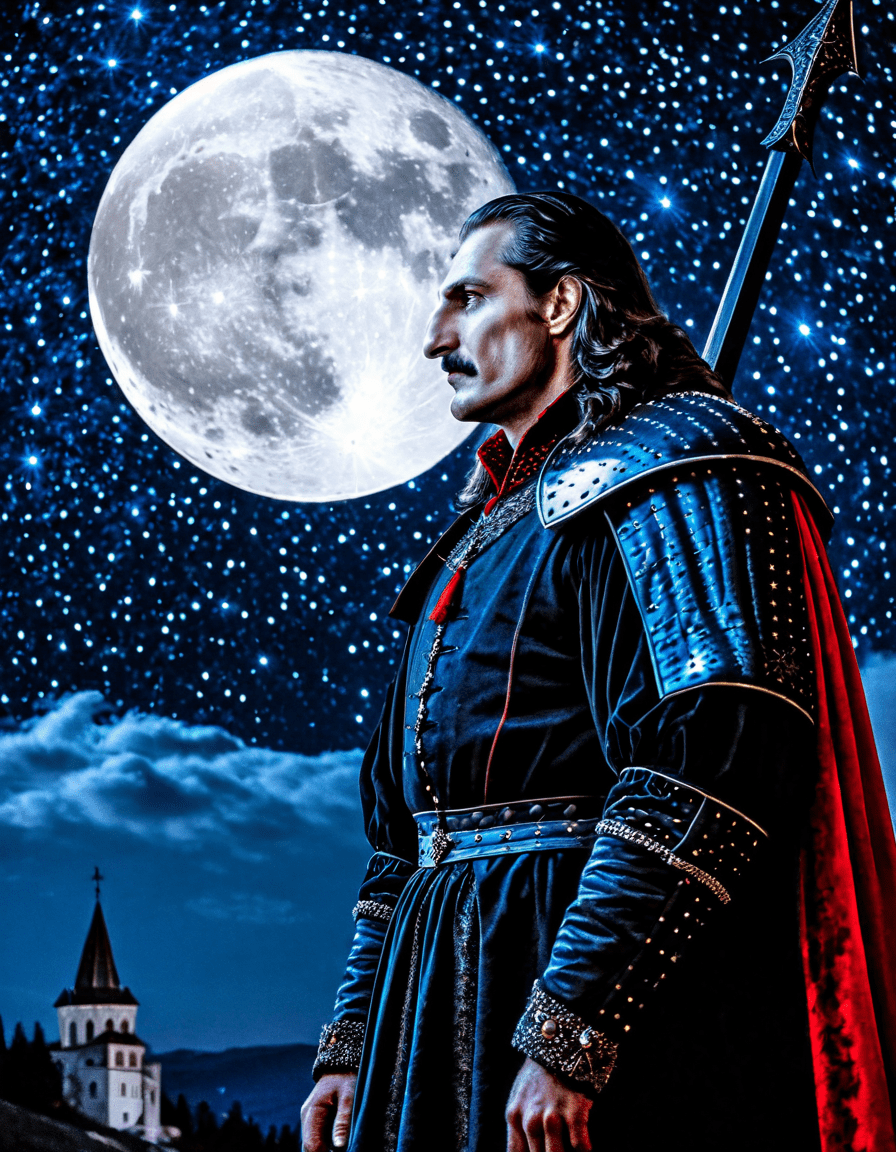
Vlad the Impaler, often shrouded in legend and historical intrigue, stands as a figure of fascination who strikes terror even centuries after his reign. His brutal approach to leadership, characterized by a desire to instill fear and enforce his rule, has inspired countless narratives in modern storytelling. From classic horror to fantasy, the traits of Vlad reverberate through characters like Hellboy’s The Crooked Man, Darth Maul, Nightcrawler, and even mischievous figures like the leprechaun. Let’s dive into the chilling characteristics that have laid the groundwork for villains in pop culture and explore how Vlad the Impaler continues to cast a long shadow over our perceptions of evil.
7 Horrifying Traits of Vlad the Impaler That Inspire Modern Villains
Vlad the Impaler’s reign was not just a historical period; it was a masterclass in the unsettling tactics of a tyrant. His story showcases key traits that resonate with modern antagonists, reminding us how history influences contemporary storytelling.
Vlad’s primary strategy was to use terror as a means of control. Known for impaling his enemies publicly, he ensured that his subjects lived in fear of him, mirroring the tactics of contemporary villains. For instance, Hellboy’s foes often utilize fear to get what they want, drawing from Vlad’s playbook of intimidation.
Every act of violence from Vlad was a calculated message. His gruesome displays were not whimsical; they served a purpose. Modern villains like Darth Maul mirror this, waging psychological warfare that speaks volumes about ambition and the darker sides of power. Vlad’s very essence lives in these character dynamics, illustrating how violence can symbolize deeper battles for control.
Vlad’s reign raises questions about right and wrong. He often justified brutal methods as necessary for the chaos in his realm. Similarly, characters like Nightcrawler from X-Men navigate a world where good and evil blur, reflecting Vlad’s own tumultuous existence. This moral ambiguity makes both historical and fictional characters intriguing and relevant.
Vlad employed isolation as both a weapon and a shield, distancing himself from enemies while also cutting ties with potential allies. His solitude echoes in the lives of many villains, including the leprechaun, who often finds itself separated from human companionship. This sense of loneliness is a poignant reminder of the heavy price paid by those who rule through fear.
Through time, Vlad’s fear transformed into an aura of mystique. His story has become so exaggerated that it captivates audiences, much like the narrative of Hellboy’s The Crooked Man, whose legendary status is rooted in horror. This enthrallment showcases how fear can morph into fascination, effectively keeping the stories alive across generations.
Vlad knew the power of local myths, blending history with folklore to elevate his status. Today, we see this in how various villains are crafted, with narratives designed to invoke both admiration and dread. The character of Dracula, for example, borrows heavily from Vlad’s legacy, showcasing how powerful narratives are often rooted in historical figures.
Vlad the Impaler’s lasting infamy continues to influence modern storytelling. From literature to film, his legacy lives on in various figures, including the mischievous and greedy leprechaun. The evolution of these characters often diverges from their origins, yet they still carry the weight of Vlad’s historical significance.
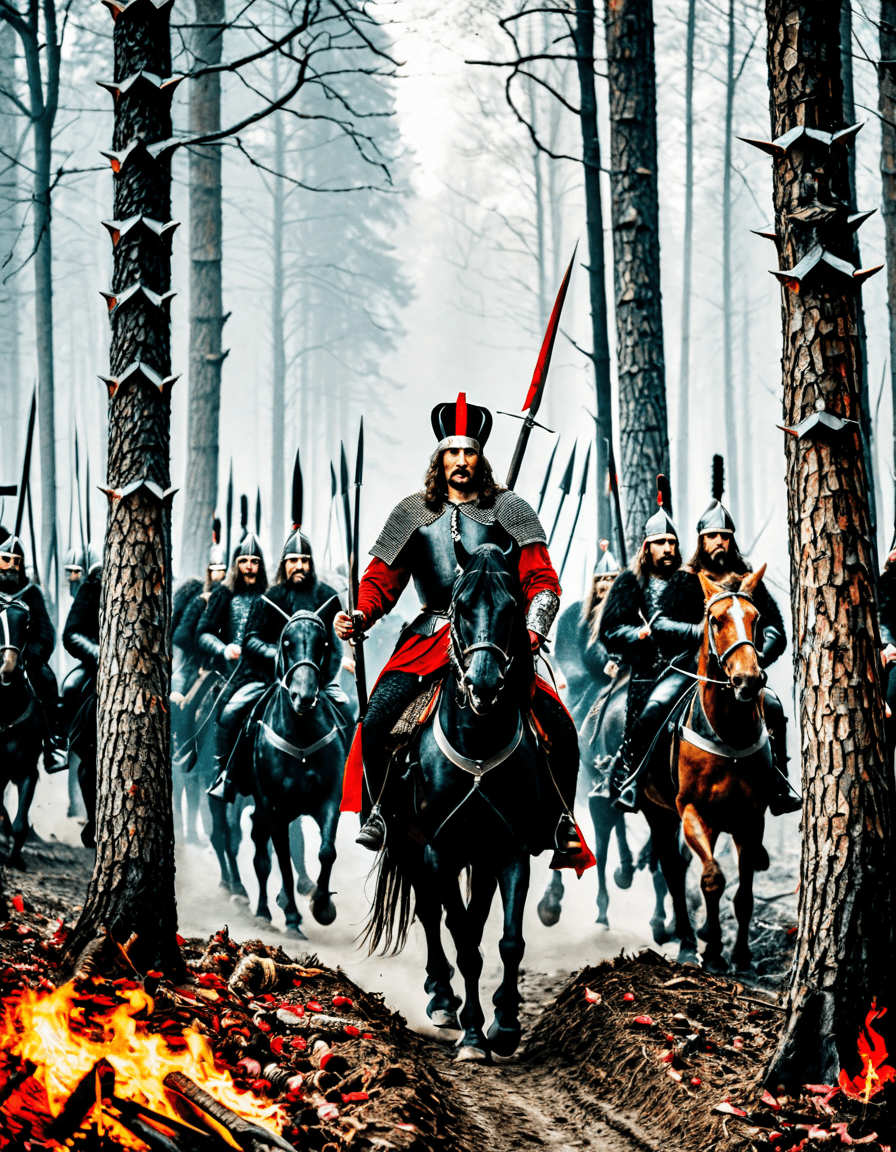
How Vlad the Impaler Influenced Modern Horror and Fantasy Characters
The narrative of Vlad the Impaler extends far beyond the pages of history; it frames the entire landscape of horror and fantasy genres. Writers and filmmakers consistently look to Vlad’s life as they craft their villainous figures.
Vlad’s Aura and its Impact on Horror Film Icons
Exploring Subcultures and New Interpretations
As new genres blossom, Vlad’s figure looms large, inspiring many portrayals of vampires and dark heroes. The thirst for power and bloodlust in these characters draws parallels with Vlad’s own hunger for domination. With contemporary shows infusing his legacy, each iteration adds layers to storytelling, transforming Vlad into a ghost that haunts modern culture.
A Reminder of Power’s Corruption
The Enduring Legacy of Vlad the Impaler in Pop Culture
The legacy of Vlad the Impaler lives on, morphing him into a complex symbol of dread, authority, and moral complexity. His traits find a home in the storytelling of today, enriching our understanding of villainy.
Characters reminiscent of Vlad echo through our collective imagination, reminding us of the darker aspects of human nature. By dissecting the ways in which Vlad’s characteristics permeate figures ranging from Hellboy to various iterations of the leprechaun, we discover an intricate web of historical influences shaping modern narratives. Each character carrying a piece of Vlad’s essence serves as a testament to how fear and power entwine in our storytelling frameworks.
Vlad’s story not only shapes historical narratives but breathes life into today’s culture. The reminders of his reign call into question the nature of evil, power, and the fragility of morality. As we engage with these multifaceted characters, we grapple with not only the nature of villainy but also the relentless pursuit of understanding the twisted complexities of human history.
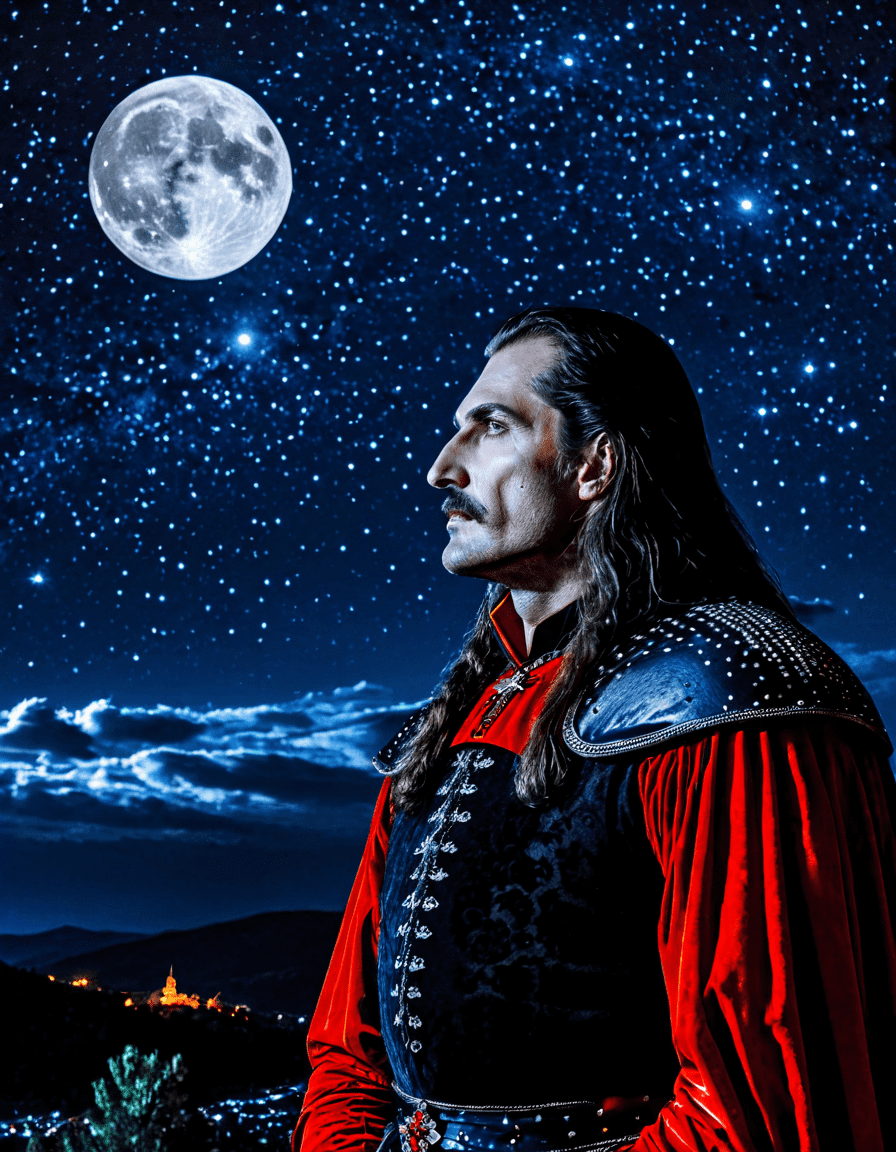
Vlad the Impaler: Engaging Trivia About a Ruthless Leader
A Historic Figure with an Unusual Legacy
When you hear the name Vlad the Impaler, it conjures images of horror and bloodshed. Did you know that this infamous ruler was also a national hero in Romania? His reputation for cruelty—especially his favored method of punishment—secured his place in history. But there’s more to Vlad: he was a key player in the power struggles of 15th-century Eastern Europe. Interestingly, his life has inspired a plethora of cultural references, from classic literature to contemporary movies. Speaking of which, if you’re into unique characters, you might also be a fan of the beastie boys, who, like Vlad, left an indelible mark on their respective fields.
The Man Behind the Myth
Vlad’s notorious nickname, “The Impaler,” comes from his penchant for punishing enemies by impalement, a grisly fate that has made him synonymous with brutality. Despite this bloody legacy, some argue that his harsh methods were a form of governance, meant to instill fear and maintain order. Isn’t it fascinating how power dynamics work? In modern politics, leaders often grapple with similar situations, where a firm hand can either bring peace or incite fear. Speaking of power plays, keep an eye on the latest presidential nominee news—who knows how the strategies might echo Vlad’s past.
Cultural Echoes Through Time
In today’s media, creatives continue to draw inspiration from Vlad’s legacy. For instance, various representations of Dracula in literature and film have roots in the tales of Vlad the Impaler. His life intertwines with themes of loyalty, betrayal, and power struggles. In a way, it’s reminiscent of today’s fandoms, such as those for ninjago, where narratives of conflict and heroism play out in fantastical settings. Plus, just like the mesmerizing characters from the cast of La Brea, Vlad’s story has evolved, mixing fact with fiction.
The Human Side of a Tyrant
Surprisingly, Vlad wasn’t all teeth and terror. He was known to have a deep sense of justice, which can make us question our assumptions about historical figures. Much like how Natalie Nunn’s journey and natalie nunn net worth inspire discussions about public personas versus private lives, Vlad’s character continues to spark debate. His relentless war for his homeland against the Ottoman Empire shows an unwavering commitment that many might admire. Even when contrasting societies today, like the fervor of college sports such as Kennesaw State basketball, we see similar passion driving people forward despite their flaws.
Vlad the Impaler is an enigmatic figure whose legacy continues to intrigue and horrify in equal measure. His story reminds us of the dualities in human nature, whether through the adventures of animated heroes or the dramatic portrayals in cinema, literally challenging us to reflect on what makes a leader truly great—or fearsome.