Werewolves have long provoked curiosity and fear, blending mythology with the unknown. These beings, creatures that can transform from human to wolf, thrive in various cultures and eras. Their stories echo, from ancient Greek legends of Lycaon, cursed by Zeus, to modern narratives where these “once human” beings battle with their own identities. This dual nature of werewolves doesn’t just frighten; it intrigues, revealing layers of human emotions, desires, and fears.
In today’s world, werewolves symbolize something deeper—our inner warriors struggling against challenges. The full moon, always a catalyst for transformation, serves as a powerful metaphor for upheaval in our lives. Just as werewolves confront their inner beasts, we face our own struggles, navigating our emotions in a society that often demands we suppress them. So, let’s dive into the evolution of werewolves, uncover how they’ve been portrayed in modern media, and explore the truths that lie behind the legend.
The Evolution of Werewolves in Mythology and Folklore
Throughout history, werewolves have been an exciting aspect of mythology and folklore. Their stories cross continents and cultures, reflecting shared human experiences. From the fearsome tales of ancient Greece to medieval cautionary fables, werewolves have morphed into complex symbols of duality.
The connection between humans and wolves stretches back to stories that highlight transformation and moral lessons. The theme of the full moon influencing behavior links to deeper human concerns. It reveals our struggle with primal instincts that lurk beneath the surface, reminding us that everyone has an aspect of their personality that hides in the shadows, much like werewolves themselves.
Cultural beliefs often intertwine wolfish tales with societal fears—be it justice, morality, or the unknown. In these stories, werewolves aren’t just monsters; they’re reflections of humanity. They serve as reminders that beneath the layer of civilization, an animalistic instinct lies within us, eager to break free.

Top 6 Fearsome Depictions of Werewolves in Modern Media
When we think of modern media, werewolves have taken on various forms, each portrayal unveiling aspects of fury, identity, and transformation. Here’s a look at six significant depictions that have captivated audiences:
This classic film isn’t just a horror flick; it’s a blend of humor and grief. The groundbreaking makeup effects caught audiences off guard, emphasizing the tragic transformation from man to beast. It highlighted the internal battle that many face—balancing emotion with raw instinct.
In a refreshing twist, these stories presented werewolves as protectors against vampires. Characters like Jacob Black transformed from monsters to warriors, fighting for love, loyalty, and friendship. This change shifted the narrative, showing that werewolves could be heroic too.
Direwolves in this series encapsulated loyalty and a family bond. The dynamics between the Stark siblings and their direwolves illustrated deeper themes of identity, companionship, and the struggle between humanity and primal instinct.
This remake emphasized the tragic side of being a werewolf, exploring the duality of human nature through Larry Talbot’s cursed existence. It pulled viewers into the emotional struggle, showcasing that the divide between man and monster often crumbles under pressure.
Focused on a female werewolf, this series tackled themes of femininity and strength. Elena’s journey offered a fresh perspective and connected viewers with the complexities of living between two worlds, reflecting the difficulty of balancing personal and public identities.
A psychological drama, this film pushes boundaries by assessing identity and transformation. It challenged societal norms around madness and acceptance, exploring the darker sides of openness and self-discovery in a fear-driven world.
The Reality Behind the Legend: Werewolves in Historical Context
Exploring the historical underpinnings of werewolf lore unveils thought-provoking insights about societal issues. The myth of werewolves often intersects with psychological awareness and the fears of communities.
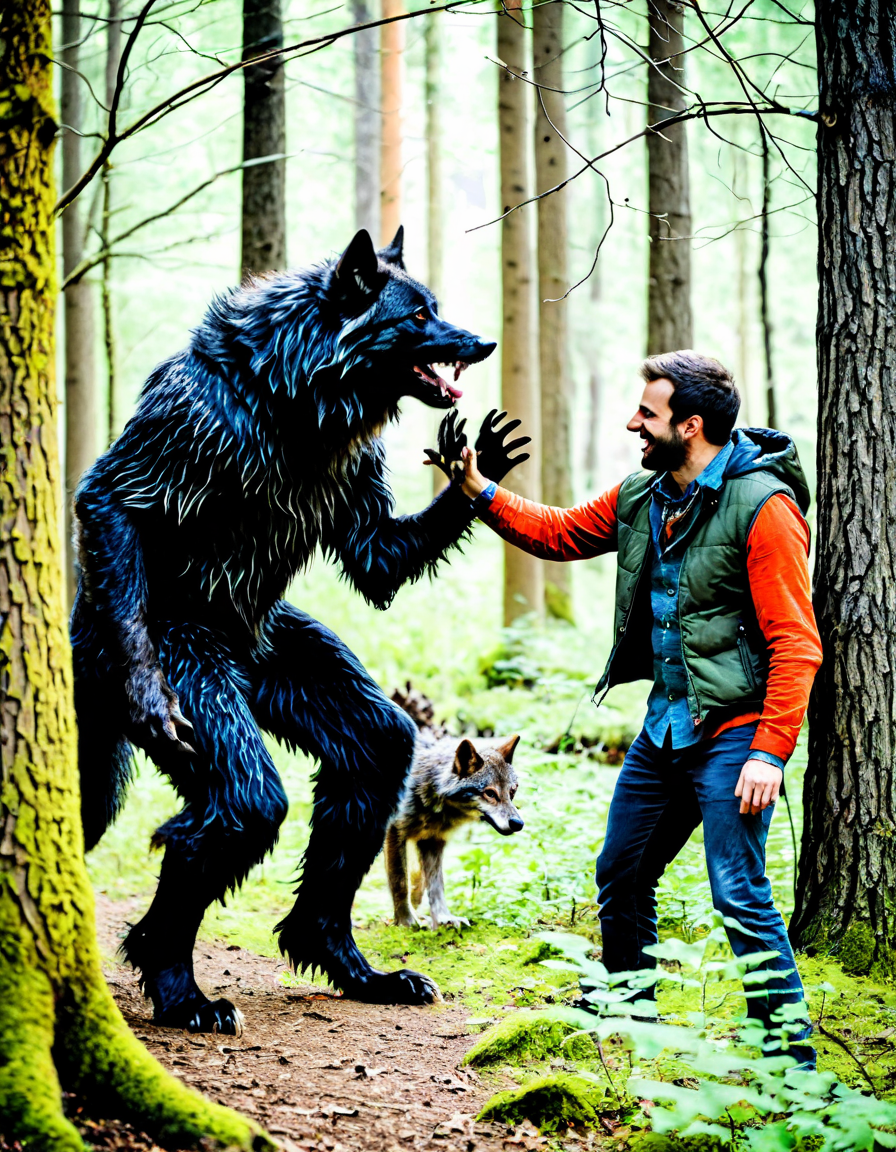
The Dual Identity: Werewolves and the Question of Humanity
The werewolf legend captivates us with its exploration of dual identity—the conflict between our civilized selves and our primal instincts. This complexity is not just a captivating story; it raises questions about what it truly means to be human in chaotic times.
Transformation as Metaphor: Werewolves often symbolize internal struggles against darker urges. In stories across the media—from films to novels—these narratives reflect battles with addiction, societal constraints, and the inner turmoil many encounter. The transformation from man to beast embodies the ongoing journey individuals undertake, trying to reconcile their true selves with societal expectations.
Every transformation speaks of the various shades of who we are. It reminds us that every person carries both light and dark within. As we confront our fears, we resonate with the mythology of werewolves, realizing we all have a primal side waiting to be acknowledged.
Final Thoughts: Werewolves Beyond the Myths
The enduring fascination with werewolves highlights the fascinating duality of human nature. These captivating legends spin tales that encompass history, psychology, and culture, illustrating the intense interplay between humanity and primal instinct. As we move forward in 2026, the narratives surrounding werewolves will likely continue to reflect profound societal themes and challenge our perceptions of identity.
In a world increasingly demanding articulation and definition of one’s identity, werewolves compel us to face the chaos within. They represent our fears, our struggles, and ultimately, our pursuit of understanding. Just like the werewolf journey, we’re all on a quest to merge our primal instincts with our aspirations, finding strength amidst our complexities.
So, next time the moon is full, don’t just fear the werewolf lurking in your mind. Embrace the inner warrior, facing the primal instincts that guide you towards your path. After all, in every legend, there’s an element of truth waiting to be uncovered.
Werewolves: Fearsome Legends and Hidden Truths
The Origins of Werewolves
Did you know that the legend of werewolves can actually be traced back to ancient mythology? In many cultures, stories about humans transforming into wolves reflect deep-seated fears and moral lessons. The concept likely stemmed from the fascination and fear surrounding wolves themselves—symbols of wildness and unpredictability. Interestingly, these tales can draw parallels to more modern narratives, like the family from Encanto 2, who embody magical transformations and unique traits that resonate with audiences today.
Speaking of transformation, it’s worth noting that the term “lycanthropy,” the condition of transforming into a wolf, has been referenced in various media, extending its reach from classic horror novels to contemporary shows. Just like how certain themes run through the stories of 90s porn Stars and their iconic scenes, werewolves have captured the imagination through folklore and cultural representations.
Modern Depictions and Symbolism
In popular culture, werewolves often symbolize the struggle between humanity and primal instincts. This duality is prevalent in media ranging from horror films to literature, where characters grappling with their inner beasts create compelling narratives. Consider how films like Harry Potter And The Goblet Of Fire feature magical transformations; it underscores a broader theme found in werewolf mythology, showing the friction between one’s human side and darker urges.
Moreover, unsuspecting connections can be found within unexpected platforms. For instance, if you catch a glimpse of the Cbs schedule tonight, you might spot programs or films that delve into the mythology of werewolves, showcasing the enduring interest in these creatures. And just like Danny Duncans humorous antics can further illustrate the oddities of human behavior, werewolves challenge societal norms and what it means to live in alignment with one’s animalistic side.
Fun Facts About Werewolves
Here’s a spooky twist for fans: the belief in werewolves was so pervasive in medieval Europe that accusations often led to witch trials, showing how fear can manifest into violence. Think of it much like how symptoms of “cat scratch fever” can sneak up on you. The fear of the unknown—whether it’s an ailment or the lurking shadow of a werewolf—is a powerful motivator.
Lastly, let’s not overlook the lighter side! Werewolves have made their way into adorable merchandise, much like Hello Kitty And Friends, bringing whimsy to the traditionally gruesome tale. So, while werewolves may evoke dread and fascination, their presence also encourages community, creativity, and a little amusement amidst the haunting howls of the night.