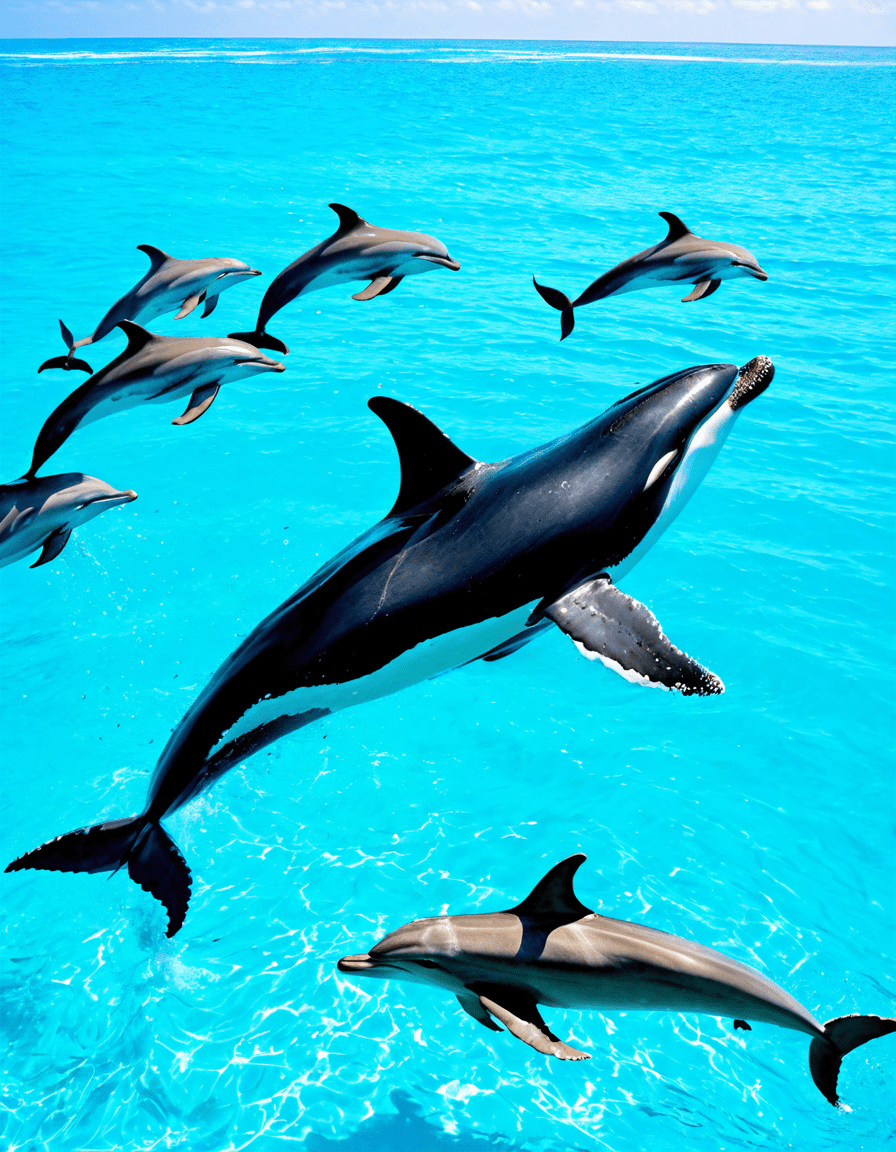
Whales are some of the most awe-inspiring creatures on our planet, and their secrets are nothing short of extraordinary. These magnificent beings captivate our imagination, but they’re also a reminder of the delicate balance we share with the ocean environment. If you’re an aspiring entrepreneur or a passionate advocate for marine life, understanding the wonders of whales can inspire you on your journey. So, let’s dive deep into the astonishing world of whales, and explore what makes them so incredible.

Whale Wonders: Astonishing Secrets About These Magnificent Creatures
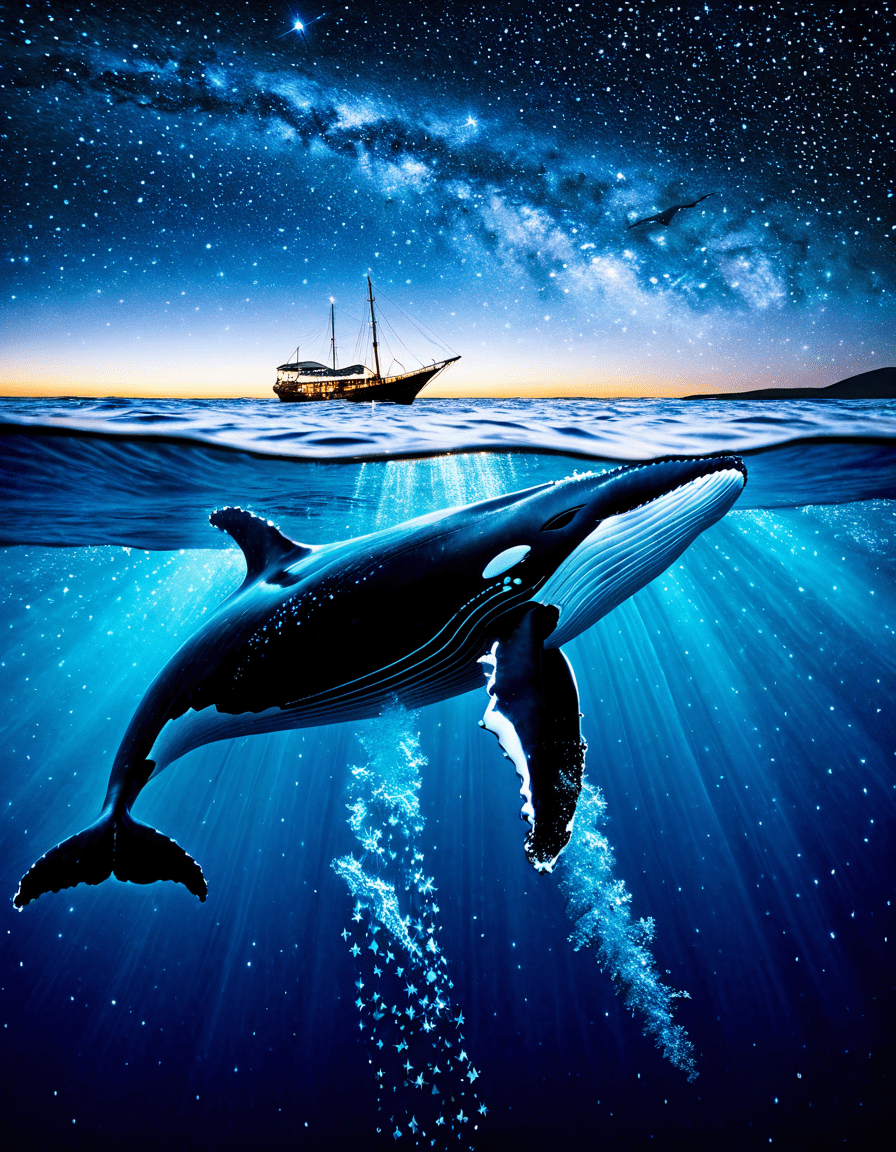
1. The Mysteries of Whale Communication: How They Speak After the Silence
Whale communication is full of surprises. Humpbacks are particularly known for their impressive songs that can travel as far as 20 miles underwater. While we know they sing, researchers like those at Stanford University are uncovering the social significance behind these melodies. It’s fascinating to learn that certain pods share songs that evolve over generations, much like human traditions. This amazing intergenerational culture challenges our views of intelligence in marine life.
As we listen more closely, it’s becoming clear that whales aren’t just making noise; they’re having profound conversations. Their vocalizations can signal everything from finding mates to warning others about predators. Next time you think about the ocean’s silence, remember the chatter that’s happening below the surface.
Understanding whale communication can inspire us in our own lives. Just like these gentle giants share their knowledge, we should aim to pass down our insights and experiences to our communities. After all, effective communication can lead to rich, collaborative opportunities.
2. The Remarkable Migration Patterns: Following Whales After Feeding
Whales are known for their epic migrations. The gray whale, for example, embarks on a jaw-dropping journey of up to 10,000 miles twice a year, from the icy Arctic to the warm breeding lagoons of Mexico. This migration isn’t just about procreation; it’s about survival and adaptation. Recent studies using satellite tracking technologies reveal how climate change impacts these ancient routes, altering food availability and triggering shifts in migratory behaviors.
As temperatures change, the very fabric of the whales’ world is in flux. For instance, blue whales have also shifted their migration patterns in response to warming waters, highlighting their resilience. This adaptability can serve as a powerful example for entrepreneurs tackling environmental challenges. Just like whales, we must stay agile and ready to adapt as circumstances change around us.
Whale migrations also emphasize the need for collective responsibility. Industries and communities must work hand-in-hand to protect migration routes, ensuring these splendid creatures can continue their essential journeys. Supporting conservation efforts can contribute to a thriving ecosystem that benefits everyone.
3. The Role of Whales in Ocean Ecosystems: Nutrient Giants After Death
When whales die, their impact doesn’t just vanish; it creates life. Whale falls, or the sinking of a whale’s body to the ocean floor, form an entire ecosystem surrounding the decaying remains. This unique event provides sustenance for countless species, from scavenger sharks to extraordinary bacteria that thrive on decomposing nutrients. Research from the University of California sheds light on how these fallen giants can support deep-sea life for decades.
The ecological role of whales after death underscores how interconnected our marine environments are. Just like businesses rely on healthy ecosystems to thrive, the ocean’s ecosystem relies on whales for nutrient cycling and overall health.
Understanding these ecological connections teaches us about sustainability. If we learn to respect and protect whale populations, we inadvertently enhance the health of our oceans, providing a better environment for all marine life. This serves as a vital reminder that our actions impact the world around us, encouraging stewardship for future generations.
4. Conservation Success Stories: Whales Making a Comeback After Decades of Decline
In recent decades, conservation efforts for whales have seen significant victories. The North Atlantic right whale, once teetering on the brink of extinction, has begun to show signs of recovery. Thanks to initiatives like the International Whaling Commission’s moratorium on commercial whaling, populations are rebounding. Targeted conservation strategies in migratory habitats have played a crucial role in these successes.
Organizations such as the Whale and Dolphin Conservation have shown how collaboration between different sectors can lead to successful outcomes. By working with fishing industries to reduce entanglement risks, they showcase how we can all have a hand in protecting these majestic creatures.
The success of whale conservation can serve as an inspiration for business leaders, reminding us that teamwork can achieve seemingly impossible goals. By aligning our visions and collaborating across various sectors, we can foster a positive impact on the planet.
5. Uncovering Ushering Technologies: Tracking Whales After Policy Changes
Technology is transforming the way we study whales. Drones, for instance, allow researchers to gather data without disturbing these incredible beings. A standout example is Ocean Alliance’s use of drones to collect whale snot, which includes important genetic material and health indicators. This innovative method paves the way for non-invasive research approaches, informing better conservation policies.
With these advancements, the field of marine biology is more dynamic than ever. We can glean insights that weren’t possible before, enabling us to respond proactively to the needs of these important species.
Embracing technology can inspire entrepreneurs to seek innovative solutions. Just as researchers adapt their methods to better understand whale populations, we too can leverage new tools to redefine our industries and drive positive changes.
6. The Surprising Intelligence of Whales: Learning and Teaching After Years of Study
Whale intelligence is becoming more evident through ongoing research. Killer whales, or orcas, exhibit complex social hierarchies and teach their young various hunting techniques, which differ from pod to pod. A fascinating examination of the Southern Resident orcas revealed how these foraging strategies are handed down through generations. This teaching behavior mirrors human cultural traditions, showcasing a level of intelligence that rivals our own.
These discoveries compel us to rethink how we view other species and their capabilities. Just as orcas share knowledge, in our professional lives, sharing skills and tactics can help align our collective success.
The breakthroughs in understanding whale intelligence inspire us to recognize the importance of learning and teaching in our own endeavors. It’s a reminder that knowledge is most powerful when shared, leading to greater achievement for everyone involved.
7. The Impact of Climate Change on Whale Behavior: Evolving After Environmental Shifts
Climate change is forcing whales to adapt. Marine biologists at the University of Alaska have documented shifts in blue whale migrations due to rising ocean temperatures. These changes affect feeding habits and distribution while highlighting the immediate need for adaptive management strategies in marine conservation.
As we witness these shifts, it should prompt us to consider how we can embrace resilience in our personal and professional lives. Like these magnificent creatures, we must remain flexible and adjust our strategies as our environments change.
Recognizing the urgency of climate change challenges us to act. By fostering awareness and advocating for eco-friendly practices, we can contribute to a sustainable future not just for whales but for all forms of life on Earth.
Reimagining Our Relationship with Whales: Respect, Protect, and Understand
Whales teach us so much about life, dedication, and our role in protecting the environment. From their social behaviors to the crucial role they play in marine ecosystems, it’s clear that our relationship with whales should be one of respect and appreciation. As we embrace the knowledge we’ve gathered, let’s prioritize nurturing these creatures and their habitats.
Each whale is a testament to the interconnectedness of life on this planet. By respecting their existence, we not only foster whale populations but also enrich our understanding of the intricate networks that sustain us all.
Moving forward, let’s take actionable steps to encourage conservation and deepen our appreciation for whales. By doing so, we’re investing in a healthier future for the oceans and the life they hold, including ourselves. Accessible resources and conservation organizations can guide our efforts along this impactful journey, echoing the call to understand, protect, and appreciate the wonders of our ocean companions.
Be inspired by the secrets of these magnificent creatures, and embrace the motivation to make a difference where it counts—just as they do in the vast sea. If you’re ready to dive deeper, there’s a whole world of knowledge awaiting you. 🌊
Whale Wonders That Will Blow Your Mind
The Gigantic Oceans’ Gentle Giants
Did you know that the blue whale is the largest animal to have ever existed on Earth? Stretching up to 100 feet long and weighing as much as 200 tons, these gentle giants showcase the immensity of our oceans. It’s fascinating to think about how a creature this large survives on a diet mainly made up of tiny krill. In an interesting twist, blue whales can consume up to 4 tons of krill per day! If they were in the entertainment industry, they’d be the Leslie Jordan of the ocean—beloved and larger than life!
Now, how do whales communicate? These incredible creatures have a language all their own, comprised of intricate songs and sounds that can travel for miles underwater. Some researchers believe that these melodious tunes might even help them navigate. Imagine if whale songs became as popular as the catchy tunes Dierks bentley belts out! The ability of whales to convey messages over vast distances showcases their social structures and connections among pods.
Whales and Their Unique Nature
Curiously, while humans and mammals share many traits, whales have a shared history that sets them apart. They evolved from land-dwelling ancestors, which, believe it or not, look a bit like modern-day hippos. Yet, they’ve adapted over millions of years to become masters of the ocean. Speaking of adaptations, can you guess how whales breathe? Unlike humans, they have blowholes on top of their heads, allowing them to inhale and exhale quickly while swimming. It’s almost an otherworldly trait, reminiscent of the captivating tales spun in the Lord Of The Rings TV series cast.
Then there’s the fascinating fact that orcas, or killer whales, are actually members of the dolphin family! These social beings are known for their intelligence and complex social structures. They work cooperatively to hunt and raise their young, which really highlights their bonding nature. Their social frameworks could rival any family sitcom, perhaps pulling some inspiration from Marion Rosss iconic roles. So the next time you hear about orcas, remember they’re more than just fearsome predators; they’re community-oriented creatures!
The Mystique of Migration
Whale migration is yet another mind-blowing aspect of their existence. Some species, like the humpback whale, travel thousands of miles between feeding grounds and breeding areas. This epic journey rivals the trek of athletes like Michael Lorenzen in their pursuits for greatness. These migrations are not only crucial for survival but also play a significant role in the ocean’s ecosystem, linking various marine habitats.
What’s also intriguing is how whales contribute to the health of our oceans. Their excrement acts as a natural fertilizer, promoting the growth of phytoplankton, which produces a staggering amount of the planet’s oxygen. Isn’t it ironic that such massive creatures help sustain life at a microscopic level—like a well-planned comedy show at Raleigh Improv that fosters laughter and connection? There’s so much more to whales than meets the eye, and as we continue to study them, we might just scratch the surface of their fascinating secrets!