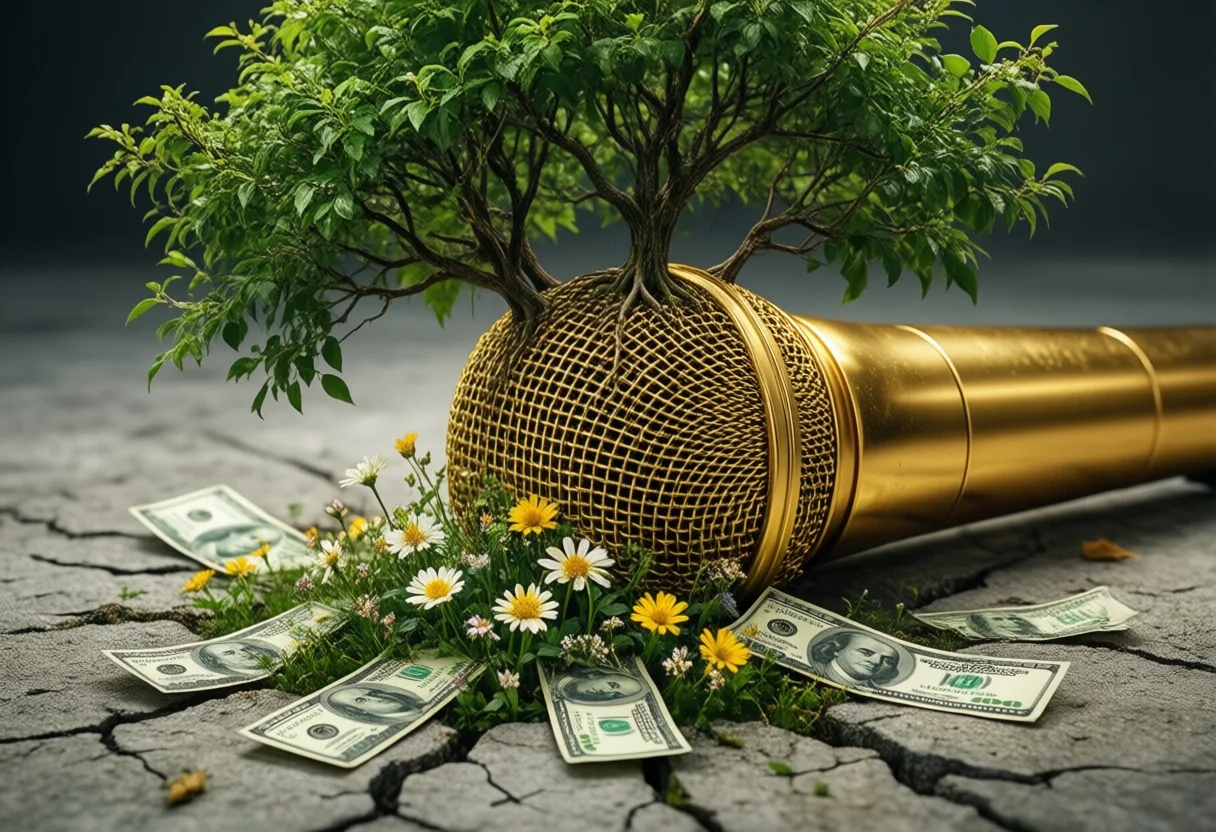

The fire that ignites an idea-the late nights, the first sale, the burst of momentum-feels infinite in the beginning. But by year three, many founders find that spark flickering, not because they failed, but because they didn’t plan for the Long burn. True entrepreneurial success isn’t measured in viral launches or quick exits, but in the quiet persistence that carries a vision forward, decade after decade.
Why Most Entrepreneurs Lose Momentum by Year Three
Entrepreneurship begins with a surge of emotion-hope, hunger, defiance. That initial wave carries founders through sleepless weeks and early setbacks. But emotion alone is not a compass. By the third year, the novelty fades, competition sharpens, and the daily grind no longer feels heroic. Without a deeper anchor, effort becomes mechanical, and motivation wanes.
It’s not failure that derails most ventures-it’s Emotional fatigue. The same Drive That propelled the first product launch can’t be expected to sustain payroll negotiations, team conflicts, or market shifts. Founders who don’t intentionally cultivate resilience often mistake exhaustion for irrelevance, believing their dream has failed when really, their fuel has simply run dry.
Building a business is Like Tending a forest, not lighting a match. A wildfire burns fast and bright, but a forest grows slowly, rooted in layers of soil, seasons, and unseen networks beneath the surface. Your business deserves that kind of depth-a foundation where motivation isn’t summoned, but grown. Explore proven Business Motivation Strategies That Drive Team Performance to keep your culture alive through every phase.

The Hidden Cost of Short-Term Wins in Business Growth
A viral post. A six-figure month. A feature in a major outlet. These moments feel like validation, but they can be dangerous if they become the sole measure of progress. When entrepreneurs chase short-term highs, they risk building a business on applause instead of architecture. The danger isn’t in celebrating wins-it’s in letting them redefine your purpose.
Short-term victories often come with invisible trade-offs: cutting corners on systems, overextending resources, or neglecting team well-being. These compromises may go unnoticed at first, but they accumulate like debt. One founder’s “breakout year” can become the next year’s burnout, as the business demands more than the founder’s energy can supply.
True growth isn’t measured in spikes, but in Sustainable curves. It’s the difference between sprinting toward a finish line and walking a path that stretches into the future. The most enduring companies aren’t built on moments of magic, but on daily decisions that align with a long-term vision. For deeper insight, consider studying Business Motivation Theories Explained For Modern Leaders to understand what truly moves people beyond temporary incentives.
How to Build a Sustainable Drive That Lasts Decades
Sustainable motivation isn’t about willpower-it’s about design. Just as a well-built home has insulation, plumbing, and electrical systems working beneath the surface, a resilient entrepreneurial life requires internal structures that support consistent effort. This means creating rhythms, not just goals.
Start by anchoring your work to a purpose larger than profit. Why does your business exist? Who does it serve, and how does it make their lives better? When challenges arise-and they will-this “why” becomes your compass. It won’t erase stress, but it will give meaning to the struggle.
Next, build rituals, not resolutions. Motivation thrives on consistency, not intensity. A five-minute morning reflection, a weekly review of values, or a monthly conversation with a mentor-these small practices compound over time. They keep you connected to your mission when emotions fluctuate. For daily inspiration, follow a Business Motivation Mindset On Instagram For Daily Growth that aligns with your values and pace.

What Separates Enduring Founders from Flash-in-the-Pan Successes
Enduring founders aren’t necessarily smarter, richer, or more talented. What sets them apart is their relationship with time. They don’t expect success to happen overnight, nor do they fear slow progress. They understand that Legacy is built in the unseen hours-the meetings rescheduled with patience, the employee coached through failure, the vision refined in silence.
Flash-in-the-pan successes often rely on external validation: funding rounds, media buzz, follower counts. But when the noise fades, so does the drive. In contrast, enduring entrepreneurs cultivate internal metrics-integrity, impact, growth. They measure success not by who notices them, but by who they’ve helped become better.
They also embrace evolution. The business that thrives at year ten looks nothing like the one launched at year one. Enduring founders allow their vision to mature, their methods to adapt, and their identity to expand. They aren’t married to an idea-they’re committed to a journey. For stories that reflect this truth, watch Business Motivation Movies On Netflix To Inspire Entrepreneurs that honor the long road.
The Myth of Constant Passion-and What Actually Sustains Effort
Passion is overrated as a long-term fuel. It’s beautiful, yes-electric and inspiring. But it’s also fleeting, tied to mood, health, and circumstance. Expecting to feel passionate every day is like expecting the sun to shine every afternoon. It’s not realistic, and it sets you up for guilt when the clouds roll in.
What sustains effort isn’t passion-it’s Commitment. It’s showing up even when you don’t feel like it, because you’ve made a promise to yourself and others. It’s the quiet discipline of doing the next right thing, not the dramatic act of chasing inspiration.
This shift-from passion to purpose-driven commitment-liberates entrepreneurs. It removes the pressure to “feel it” every day and replaces it with the strength of integrity. You don’t need to be on fire to keep the light burning. For practical guidance on maintaining this mindset, review Business Motivation Tips To Sustain Long Term Success that focus on consistency over intensity.

Practical Steps to Future-Proof Your Entrepreneurial Energy
Sustainability isn’t accidental-it’s engineered. Start by auditing your energy, not just your time. When are you most focused? What tasks drain you? Design your schedule around your natural rhythms, not societal expectations. Protect your peak hours for deep work, and delegate or delay the rest.
Next, invest in recovery. Rest is not laziness-it’s strategic renewal. The most resilient founders treat sleep, movement, and connection as non-negotiables, not luxuries. They know that a depleted leader cannot inspire a thriving team.
Finally, build a support ecosystem. No one sustains decades of effort alone. Surround yourself with mentors who’ve walked the path, peers who challenge you, and loved ones who remind you of who you are beyond your business. Consider a comprehensive Business Plan And Secrets To Transform Your Vision to align your personal energy with your company’s trajectory.
One Legacy, One Decision at a Time
Your business is more than a product or a profit margin. It’s a reflection of your choices, values, and courage. Every email sent with kindness, every decision made with integrity, every moment of perseverance-it all adds up to a legacy that outlasts trends.
You don’t need to change the world overnight. You just need to stay in the game long enough to make a difference. And that begins with designing a life-and a Motivation Business Plan-where effort feels meaningful, not exhausting.
Because the future doesn’t belong to the loudest or the fastest. It belongs to those who keep going, not because they’re perfect, but because they’re committed. One choice, one day, one legacy at a time.
Building a Business That Keeps You Fired Up
Why Your Morning Routine Might Be Your Secret Weapon
Ever wonder why some founders seem to have endless energy while others burn out fast? A surprising number of long-term successful entrepreneurs don’t rely on sudden bursts of inspiration. Instead, they build routines that quietly fuel their drive. Think less dramatic lightbulb moments, more consistent coffee-and-planning sessions. These habits create a reliable engine for motivation, turning daily actions into momentum. Skipping this groundwork often means even the best ideas fizzle when challenges pop up.
The Hidden Power of Tiny Wins
Here’s a fun twist: celebrating small victories isn’t just feel-good fluff-it’s a brain hack. Every time you check off a minor task, like finalizing a logo or sending five outreach emails, your brain releases a bit of dopamine. That’s the same chemical linked to pleasure and reward. Over time, stacking these micro-wins builds a natural sense of progress, which is a major driver of long-term motivation. It’s why tracking progress matters more than waiting for huge milestones. You’re literally training your brain to stay engaged.
When Passion Isn’t Enough (And What to Do)
Passion kicks off most ventures, but it rarely carries them through year three. What actually sustains motivation is purpose-knowing Why You’re doing the work beyond just profit. Founders who connect their business to a deeper value, like solving a specific problem or building community, report higher resilience during tough patches. This sense of meaning acts like an anchor. So if you’re feeling stuck, revisiting your core reason for starting can reignite the spark better than any pep talk. Explore more stories, videos, and creators on Loaded.
Frequently Asked Questions
Why do most entrepreneurs lose motivation by year three?
Most entrepreneurs lose momentum by year three because the initial emotional drive fades, and without a deeper purpose, effort becomes mechanical and motivation declines. Emotional fatigue, not failure, derails many ventures.
What sustains long-term entrepreneurial motivation more than passion?
Purpose-driven commitment sustains effort more than passion. Founders who anchor their work in a deeper 'why' and make consistent, values-aligned decisions maintain motivation through challenges.
How can small wins help long-term business success?
Celebrating small wins releases dopamine, reinforcing a sense of progress. This brain response builds momentum and keeps founders engaged over time, even without major milestones.
What are key practices for maintaining entrepreneurial energy over decades?
Sustainable drive comes from designing rhythms, not just goals. Founders should audit their energy, protect peak hours, prioritize rest, and build a support ecosystem of mentors and peers.
This article was produced with AI assistance. How Reactor Magazine uses AI.
Mireille investigates the emotional engines behind success, from biohacking routines to leadership resilience. Her work weaves scientific insight with intimate profiles, illuminating sustainable drive in high-pressure fields.