

Energy is the lifeblood of modern business. And in the digital age, where computing power drives progress, the cost of keeping systems cool has become a silent profit killer. But a quiet revolution is underway-engineers and operators are rethinking how heat is managed, turning waste into opportunity and slashing energy bills without sacrificing performance.
The Hidden Cost of Heat
Every server rack generates heat. Left unchecked, that heat forces systems to Slow down, fail, or consume more power just to stay online. Cooling has long been an afterthought-an overhead line item with little room for innovation. But today’s leaders see it differently. They understand that How you manage heat determines how efficiently you operate.
For years, data centers relied on massive air conditioning units, pushing cold air across floors and through aisles. It was simple, but inefficient. Cold air mixes with hot exhaust. Ducts leak. Temperature zones Blur. The result? Up to half the energy used in traditional setups goes to cooling, not computing. That imbalance no longer makes sense-especially when alternatives exist.
Now, companies are asking better questions. Can we remove heat at the source? Can we reuse it? Can we design systems that cool themselves? The answers are emerging in real time, and they’re changing the economics of digital infrastructure.

Liquid Cooling: From Niche to Necessity
Air is no longer the default. Liquid cooling is stepping into the spotlight-not as a Futuristic experiment, but as a practical, scalable solution. By circulating coolant directly to processors and power units, heat is captured before it spreads. Direct-to-chip and immersion systems are proving more effective than any fan or vent.
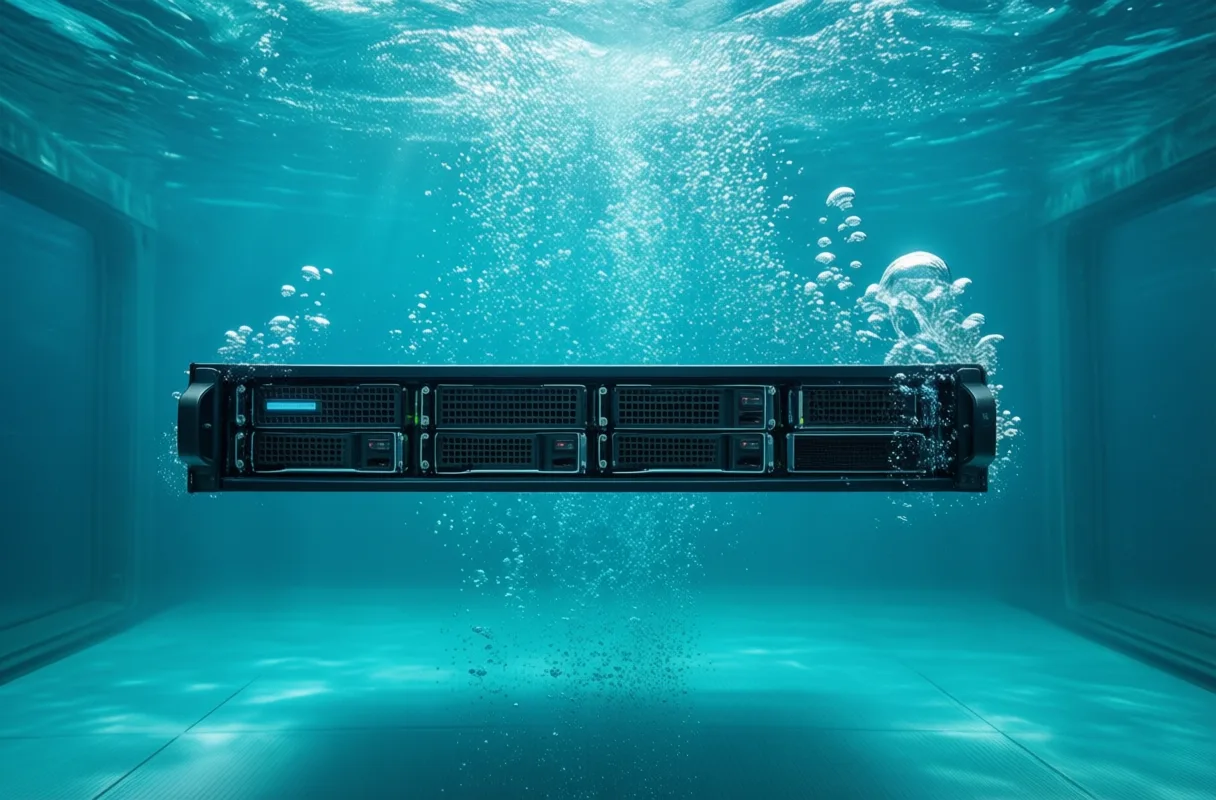
Immersion cooling, in particular, is gaining traction. Servers are submerged in non-conductive fluids that absorb heat instantly. The liquid runs cooler, systems run quieter, and energy use drops. Some facilities report cooling energy reductions of over 90% compared to legacy methods. That’s not just efficiency-it’s transformation.
The benefits go beyond cost. Liquid-cooled systems can pack more computing power into smaller spaces. Denser configurations mean faster processing, lower latency, and fewer physical sites to manage. For businesses scaling AI workloads or cloud services, this is a strategic advantage. And with less noise and lower ambient heat, maintenance becomes safer and simpler.
- Direct contact cooling captures heat at the source
- Immersion systems eliminate the need for raised floors and CRAC units
- Reduced airflow requirements cut fan energy and dust buildup
This isn’t a temporary trend. As chip densities rise and workloads intensify, air-based cooling will reach its limits. The Future belongs To liquids-not because they’re flashy, but because they work.

Smart Design, Smarter Outcomes
Innovation isn’t only about what you use-it’s about how you design. Modern facilities are integrating cooling into architecture from day one. Hot aisle containment, modular layouts, and dynamic airflow management are now standard in high-performance sites. Design is becoming a tool for efficiency, not just function.
Some operators are going further. They’re using AI to monitor thermal patterns in real time, adjusting coolant flow and fan speeds based on demand. Predictive algorithms detect hotspots before they form, balancing load and temperature across clusters. These systems don’t just react-they anticipate.
Geographic placement also plays a role. New builds are favoring cooler climates, where outside air can assist year-round. But location alone isn’t enough. The smartest facilities combine natural advantages with engineered precision-using free cooling when possible, switching seamlessly to active systems when needed.
- AI-driven thermal management reduces human error
- Modular designs allow for incremental upgrades without downtime
- Hybrid cooling systems adapt to seasonal and workload changes
Efficiency isn’t achieved in one leap. It’s built through layers of smart decisions-each compounding the last.
The Bigger Picture: Energy, Sustainability, Profit
Lower energy costs mean higher margins. But the impact goes deeper. Reduced power demand translates to smaller carbon footprints, meeting both regulatory and consumer expectations. Sustainability is no longer a side project-it’s a core driver of competitiveness.
Businesses that modernize cooling don’t just save money. They future-proof operations. They gain flexibility to scale, resilience against outages, and credibility in a market that values responsibility. In industries where uptime is everything, thermal stability is a silent guarantee.
And the ripple effects are real. Lower operating costs enable reinvestment in innovation. Savings fund R&D, talent, and customer experience. What starts as a Technical upgrade Becomes a catalyst for growth.
The message is clear: how you handle heat shapes how you succeed. The tools are here. The knowledge is available. The only question is-will you act?
For the ambitious, the answer has never been in doubt.
| Method | Key Features | Energy Impact | Operational Benefits |
|---|---|---|---|
| Traditional Air Cooling | Uses AC units and raised floors | Up to half energy used for cooling | Simple but inefficient, prone to mixing |
| Direct-to-Chip Liquid Cooling | Coolant circulates directly to processors | Significantly lowers cooling energy | Reduces noise, enables higher density |
| Immersion Cooling | Servers submerged in non-conductive fluid | Over 90% reduction in cooling energy | Eliminates CRAC units, cuts dust buildup |
| Free Cooling | Uses outside air in cool climates | Reduces chiller energy use | Lowers costs when environmental conditions allow |
| AI-Driven Cooling | Real-time thermal monitoring and adjustment | Optimizes energy based on demand | Predicts hotspots, reduces human error |
Keeping the Digital World Cool
Ever wonder where all your favorite websites and streaming shows live? They’re stored and served from massive facilities packed with servers running 24/7-places where heat builds up faster than you can say “buffering.” Without smart cooling, these hubs would overheat, causing slowdowns or even shutdowns. That’s why cooling isn’t just a side note-it’s central to how reliably the internet works.
How Heat Shapes Design
Some data centers are built underground or nestled into mountainsides, using the earth’s natural insulation to help stabilize temperatures. Others take a page from nature, relying on outside air when conditions allow-something called free cooling. In colder climates, companies open up the building to let in chilly air, cutting the need for energy-guzzling chillers. Even the layout of server racks matters: arranging them in hot and cold aisles keeps cool air flowing where it’s needed most.
Liquid Cooling’s Big Splash
Forget fans alone-some high-performance systems now use liquid cooling, where coolant runs directly over processors. It’s like giving each server a personal AC unit, only way more efficient. Surprisingly, one experimental approach even involved submerging entire racks in non-conductive fluid. The servers run cooler, quieter, and often use less power overall, which adds up to big savings over time. As computing demands grow, so does the push to cool smarter, not harder. Explore more stories, videos, and creators on Loaded.
Frequently Asked Questions
What is immersion cooling and how does it reduce energy use?
Immersion cooling involves submerging servers in non-conductive fluid that absorbs heat instantly. This method has led to cooling energy reductions of over 90% compared to traditional methods.
How does liquid cooling improve data center efficiency?
Liquid cooling captures heat at the source, allowing for denser server configurations and lower ambient temperatures. It reduces fan energy, dust buildup, and the need for raised floors and CRAC units.
What role does AI play in modern data center cooling?
AI monitors thermal patterns in real time and adjusts coolant flow and fan speeds based on demand. Predictive algorithms detect hotspots before they form, improving efficiency and reducing human error.
How can geographic location affect data center cooling efficiency?
Facilities in cooler climates can use outside air for free cooling year-round. The smartest sites combine natural advantages with engineered systems to adapt to seasonal and workload changes.
This article was produced with AI assistance. How Reactor Magazine uses AI.
Jessa explores the evolving intersection of artificial intelligence and daily business innovation, focusing on ethical design and scalable solutions. She translates complex systems into actionable insights, emphasizing human impact over technical jargon.