What Is Biohacking, Really?
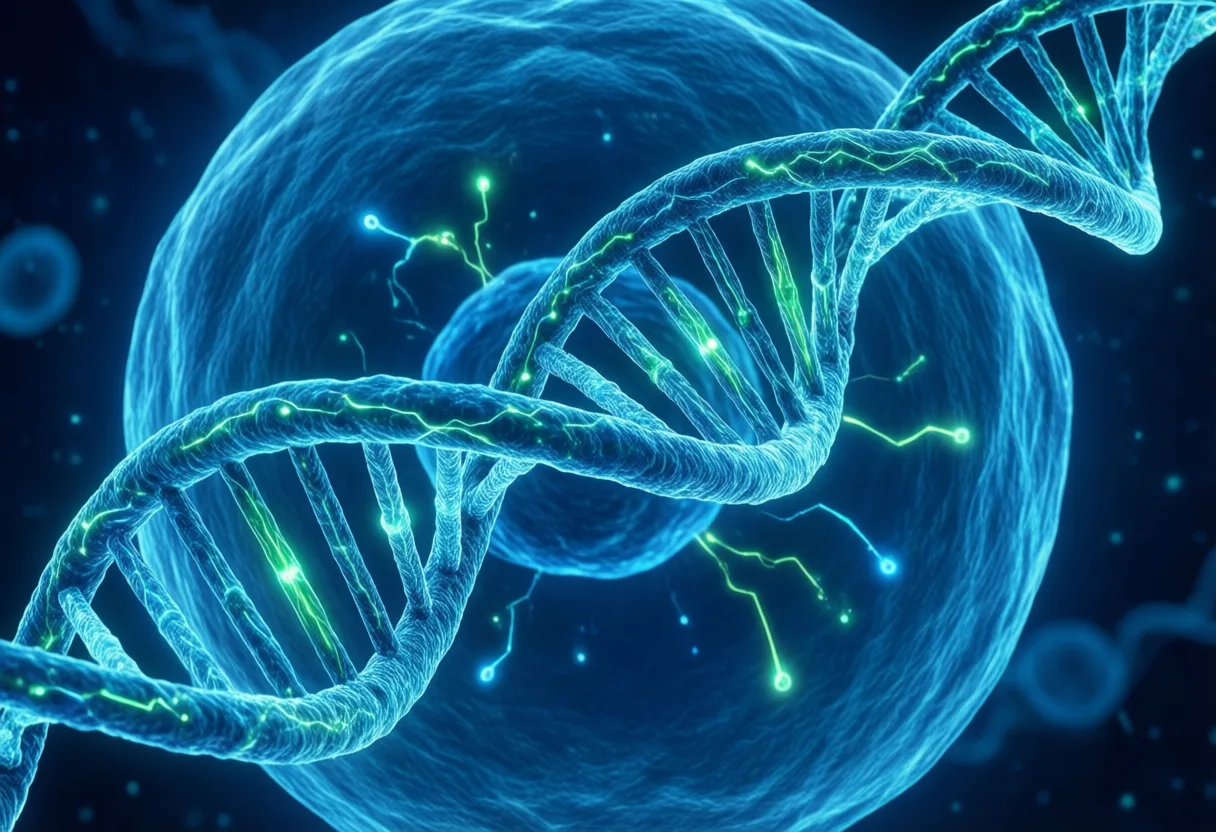
Biohacking isn’t about injecting mystery serums or wiring your brain to Wi-Fi. It’s the quiet art of listening closely to your body and making intentional shifts that align with its natural rhythms. For the driven professional, biohacking means treating your physiology like a finely tuned instrument-responsive, adaptable, and capable of Extraordinary performance When nurtured with awareness.
At its core, biohacking is self-experimentation with purpose. It’s asking, What if I changed this one thing? And then observing how your energy, focus, or mood responds over time. You don’t need a lab coat or a six-figure budget-just curiosity and consistency.
This isn’t about chasing extremes. It’s about Making small, sustainable upgrades That compound into lasting change. Think of it as upgrading your internal operating system, one thoughtful update at a time.
Debunking the Cyberpunk Myth
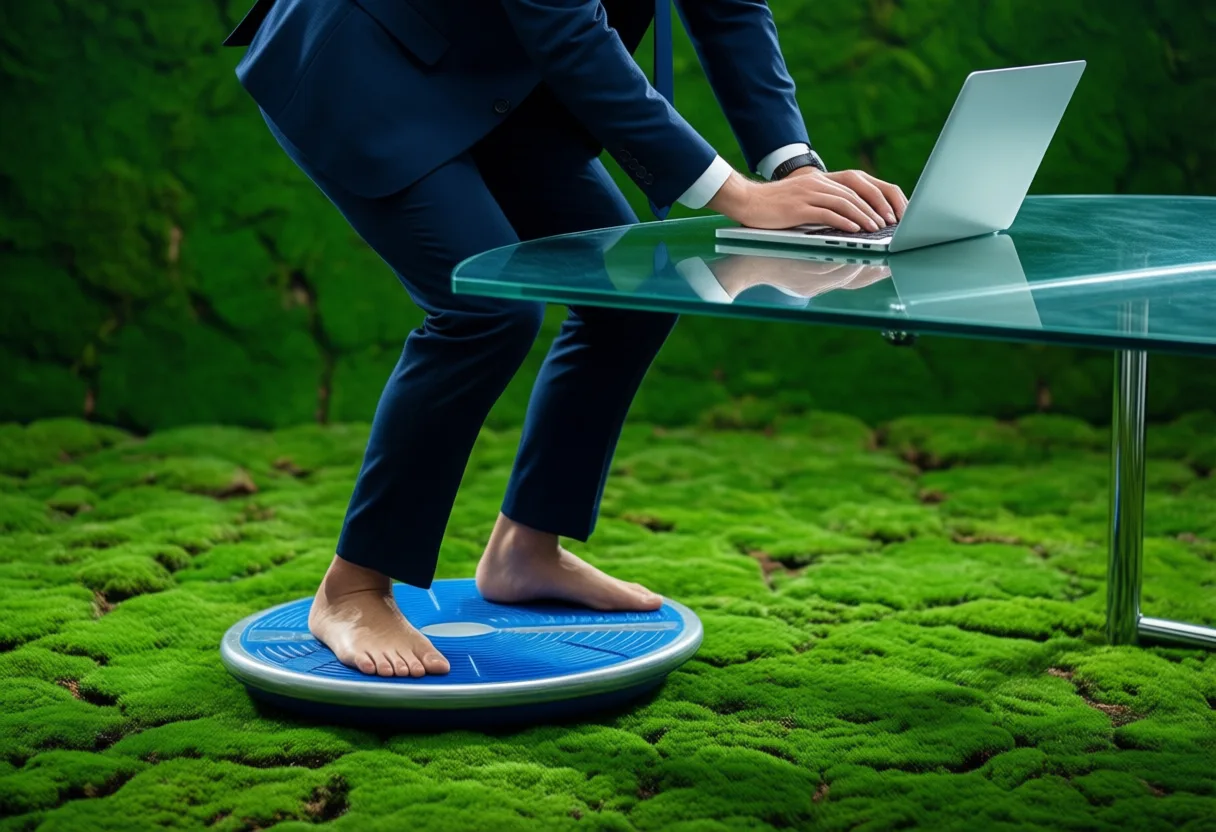
Pop culture paints biohackers as underground scientists with glowing vials and neural implants. But real biohacking rarely Looks like Science fiction. The most powerful interventions are often invisible-breathing differently, walking barefoot, eating at consistent times.
The truth? Most elite performers aren’t doping their DNA-they’re mastering Sleep, light, and movement. They’re not chasing futuristic fixes because they’ve learned that biology rewards simplicity. Your body thrives on predictability, not novelty for its own sake.
You don’t need to implant a chip under your skin to reclaim your focus. You need to step outside in the Morning sun. You need to pause before meals. You need to move with intention. These are the quiet rebellions that rewire your day.
Why Tiny Changes Beat Extreme Experiments
Radical diets, 20-hour fasts, ice baths at 5 a.m.-they make great social media content, but rarely last. The Human body Resists sudden, drastic shifts. It evolved for gradual adaptation, not viral challenges.
Small changes stick because they don’t trigger resistance. When you adjust one variable at a time-like waking up 15 minutes earlier to see sunlight-you give your nervous system time to recalibrate. Over weeks, these micro-shifts build resilience without burnout.
Consider this:
- One minute of deep breathing daily can lower resting heart rate
- Drinking water before coffee reduces afternoon crashes
- Five minutes of stretching in the morning improves posture and focus
Sustainability beats intensity every time. The goal isn’t to shock your system-it’s to guide it gently toward balance.
How Your Morning Light Shapes Your Energy Curve
Your circadian rhythm isn’t just a fancy term-it’s the conductor of your biological orchestra. And light is its most powerful cue. Within minutes of sunrise, your body begins setting hormone levels that will shape your alertness, metabolism, and mood for the next 16 hours.
Stepping outside within the first hour of waking-even for five minutes-signals your Brain That the day has begun. This simple act suppresses melatonin, boosts cortisol (the healthy kind), and sets your internal clock with precision no alarm clock can match.
Over time, this practice stabilizes your energy curve. No more mid-morning fog. No 3 p.m. Crash. Just a steady climb and descent, like the tide responding to the moon.
If you can’t get outside, sitting near a bright window helps. The key is exposure to natural-spectrum light early and consistently. Your cells are watching the sky even when your mind is checking emails.
Can You Hack Sleep Without Wearables?
Sleep tracking devices promise insights, but they can also create anxiety. Staring at sleep scores turns rest into performance, and the pressure to “optimize” can keep you awake. Yet sleep remains the foundation of mental clarity, emotional regulation, and physical recovery.
You don’t need data to know when you’re rested. You need Consistent cues. A fixed bedtime, a dimming environment, and a screen-free wind-down routine tell your brain it’s safe to let go. These signals matter more than any biometric reading.
Try this instead:
- Lower the lights an hour before bed
- Write down three things from your day-no analysis, just reflection
- Breathe slowly and deeply while lying still
These acts signal safety to your nervous system. And safety is what allows true restoration.
The Forgotten Nutrient Hiding in Plain Sight
We obsess over protein, vitamins, and superfoods-but overlook one essential nutrient: time. Not the clock on the wall, but the rhythm with which we eat, work, and recover.
Eating too fast starves your brain of satiety signals. Working without breaks fractures attention. Skipping rest disrupts repair. These aren’t failures of discipline-they’re deficits of timing.
When you slow down a meal, you activate the vagus nerve, which supports digestion and calm. When you space work in focused bursts, you honor your brain’s natural ultradian cycles. Time, used wisely, becomes nourishment.
It’s not about doing more. It’s about allowing each moment to fulfill its purpose-eating to fuel, working to create, resting to renew.
When Hydration Goes Beyond Drinking Water
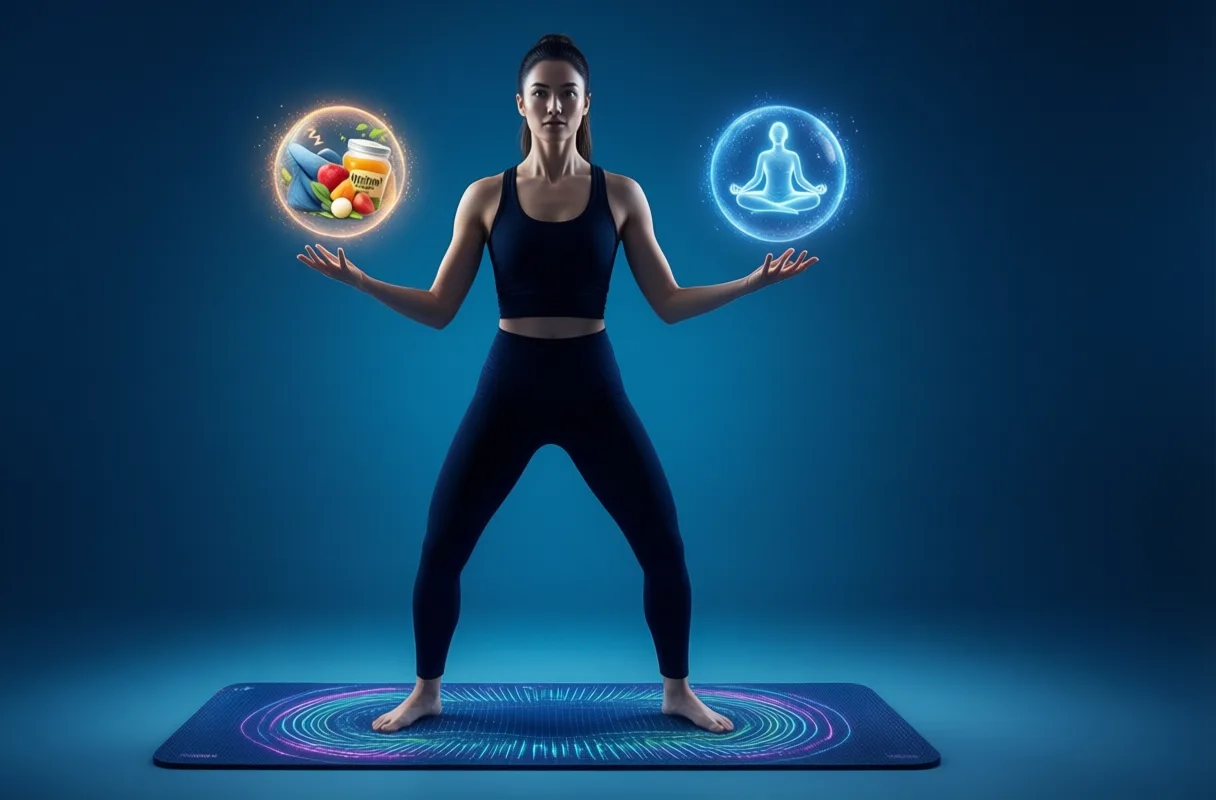
Drinking water is only part of the story. Hydration also depends on electrolyte balance, cellular absorption, and fluid timing. Gulping a liter at noon won’t undo eight hours of dry air and caffeine.
Your cells absorb water best when paired with minerals like sodium, potassium, and magnesium. These are lost through sweat, stress, and even breathing. Replenishing them isn’t about supplements-it’s about food choices and rhythm.
Try this:
- Add a pinch of salt to your morning water
- Eat a banana or avocado with lunch
- Sip fluids steadily instead of chugging
Hydration is a dialogue between intake and retention. When you respect both, your energy flows clearer, like a river unblocked.
One Simple Breathing Pattern to Reset Your Nervous System
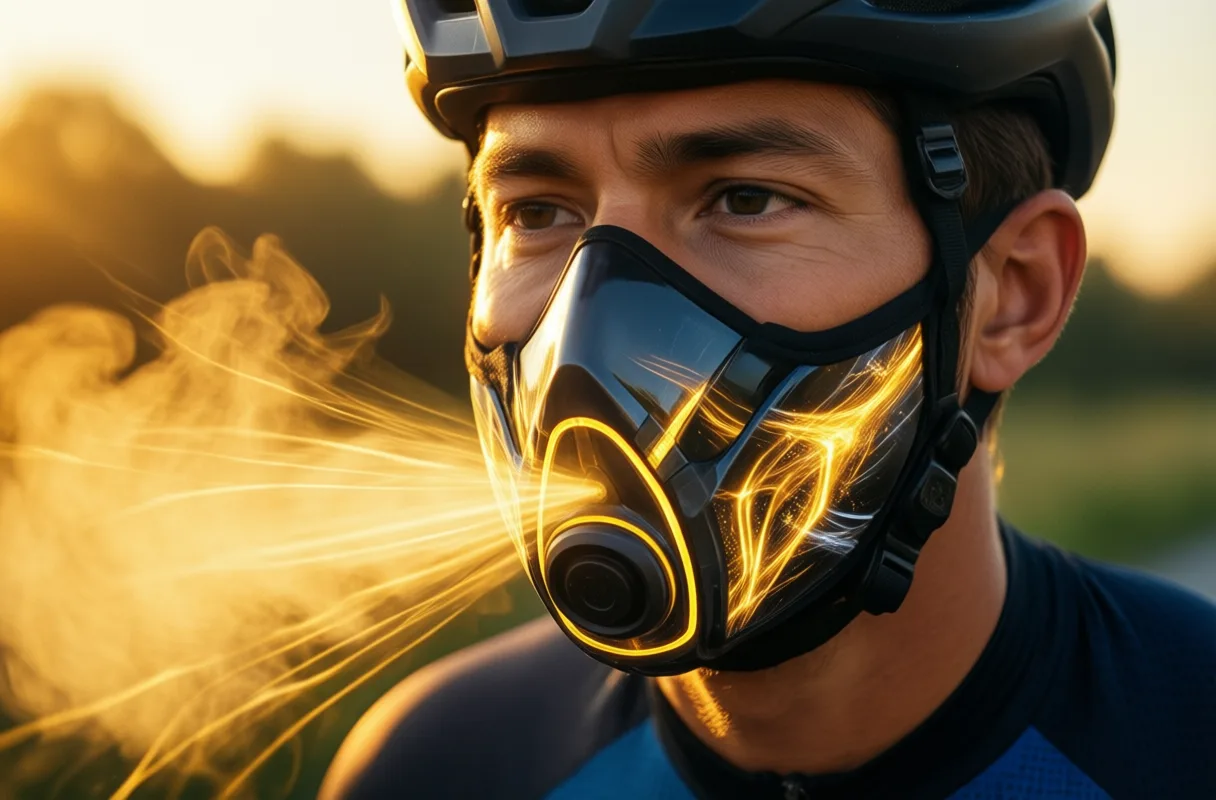
Your breath is the only autonomic function you can consciously control. That makes it a direct line to your nervous system. Under stress, breathing becomes shallow and rapid-fueling anxiety. But you can reverse the cycle.
Try box breathing: inhale for four counts, hold for four, exhale for four, hold for four. Repeat for two minutes. This pattern signals safety to your brain, slowing your heart rate and calming your mind.
Do this before a meeting, after a call, or when scrolling feels compulsive. In seconds, you shift from fight-or-flight to presence. No app, no gear-just air and attention.
Breath is both ancient and immediate. It’s the bridge between your ambition and your humanity.
How Movement Snacks Outperform Hour-Long Workouts
You don’t need a gym membership to move well. In fact, short bursts of activity throughout the day-movement snacks-can be more effective than a single intense session.
Sitting for hours slows circulation, stiffens joints, and dulls focus. But standing up every 45 minutes to stretch, walk, or climb stairs keeps your body primed. These micro-movements maintain insulin sensitivity, reduce inflammation, and sharpen cognition.
Try this:
- After sending an email, stand and reach overhead for 10 seconds
- Take phone calls on foot
- Do calf raises while brushing your teeth
Movement doesn’t have to be scheduled. It can be woven into the fabric of your day-spontaneous, joyful, and effortless.
Rethinking Recovery: Why Rest Isn’t Passive
Rest is not laziness. It’s the silent phase of growth. Muscles repair during downtime. Ideas form in stillness. Emotional resilience builds in moments of non-doing.
Yet many ambitious people treat rest as a reward-for after the work is done, the goals are hit, the inbox is cleared. But True performance requires rest as fuel, not dessert.
Schedule pauses like meetings. Close your eyes for five minutes. Sit without input. Let your mind wander. These acts aren’t empty-they’re where insight emerges and energy regenerates.
Recovery isn’t the opposite of action. It’s the foundation of sustained excellence.

Your Gut Microbiome’s Quiet Influence on Mood
Your gut is often called the second brain-and for good reason. Trillions of microbes live in your digestive tract, influencing everything from nutrient absorption to immune function. They also produce neurotransmitters like serotonin and GABA.
What you eat shapes this ecosystem. Processed foods feed inflammatory bacteria. Fiber-rich plants nourish beneficial ones. Over time, diet doesn’t just affect digestion-it affects how you feel.
You don’t need a stool test to start. Begin with whole foods: vegetables, legumes, fermented items, nuts. Chew slowly. Notice how you feel after meals. Your gut will send signals-if you listen.
This isn’t about perfection. It’s about partnership-with the unseen allies inside you shaping your mental clarity and emotional tone.
The Real Power of Tracking-Without Obsessing
Tracking can reveal patterns: when you focus best, what foods energize you, how sleep affects decisions. But numbers become noise when they replace intuition.
Instead of logging every bite or step, try reflective tracking. At day’s end, ask:
- When did I feel most alive?
- When did I feel drained?
- What one choice supported me most?
This builds self-awareness without dependency. You’re not chasing metrics-you’re cultivating wisdom.
The goal isn’t data. It’s discernment. Over time, you’ll recognize your rhythms and respond with care, not calculation.
Where to Start When You’re Overwhelmed
Start with one thing. Not ten hacks. Not a full protocol. One small, doable shift that fits your life today.
Maybe it’s stepping outside within 10 minutes of waking. Maybe it’s pausing to breathe before opening your laptop. Maybe it’s drinking water before coffee.
Commit to it for seven days. Notice what changes. Then build from there. Progress isn’t linear-it’s layered, like sediment forming stone over time.
You don’t need to transform overnight. You just need to begin-exactly as you are, right where you are. That’s how real change starts.
| Biohack | How to Practice | Key Benefit |
|---|---|---|
| Morning Light Exposure | Step outside within 30 minutes of waking for 10 minutes | Resets circadian rhythm, boosts alertness |
| Cold Shower Finish | End shower with 30 seconds of cold water | Activates brown fat, sharpens focus |
| Movement Snacks | Move for 2 minutes every hour | Improves blood sugar, reduces stiffness |
| Box Breathing | Inhale 4s, hold 4s, exhale 4s, hold 4s for 2 minutes | Calms nervous system, reduces anxiety |
| Reflective Tracking | Ask: When did I feel alive or drained? At day's end | Builds self-awareness without data obsession |
Small Tweaks, Big Gains
Morning Light, Better Mornings
Flipping on a bright light first thing isn’t just about seeing your coffee-natural light exposure within 30 minutes of waking helps reset your body’s internal clock. This simple act can make falling asleep easier at night and boost alertness during the day. Even on cloudy days, outdoor light is much brighter than indoor lighting, so stepping outside for just ten minutes gives your circadian rhythm a stronger signal than sitting by a window.
Cold Showers and Your Brown Fat
Taking a brief cold shower might make you feel like a superhero, but the real action happens beneath the surface. Exposure to cold can activate brown adipose tissue, a type of fat that burns calories to generate heat. While you don’t need to ice bathe daily, ending your regular shower with 30 seconds of cold water could support metabolic health over time-plus, it sharpens focus faster than a double espresso.
Move It, Break It Up
Sitting for hours slows circulation and dulls mental clarity. Standing up and moving for just two minutes every hour-walking to grab water, stretching, pacing during phone calls-can improve blood sugar control and reduce strain on your back. One study found that brief, frequent movement breaks were more effective at maintaining energy and focus than a single longer break. Your body wasn’t built for marathons of stillness; it thrives on rhythm and motion. Explore more stories, videos, and creators on Loaded.
Frequently Asked Questions
What is biohacking and how can I start?
Biohacking is self-experimentation with purpose, making small, intentional changes to improve energy, focus, and mood. Start with one simple shift like stepping outside in the morning light or drinking water before coffee.
Does biohacking require expensive tools or technology?
No, biohacking does not require lab equipment or wearables. The most effective practices are simple, like breathing exercises, movement snacks, or consistent meal timing.
How does morning light affect energy levels?
Exposure to natural light within 30 minutes of waking helps reset your circadian rhythm. This boosts alertness during the day and improves sleep at night.
Can short movements during the day replace long workouts?
Yes, brief movement breaks every hour-like stretching or walking-can improve circulation, focus, and insulin sensitivity more effectively than a single long workout.
This article was produced with AI assistance. How Reactor Magazine uses AI.
Mireille investigates the emotional engines behind success, from biohacking routines to leadership resilience. Her work weaves scientific insight with intimate profiles, illuminating sustainable drive in high-pressure fields.