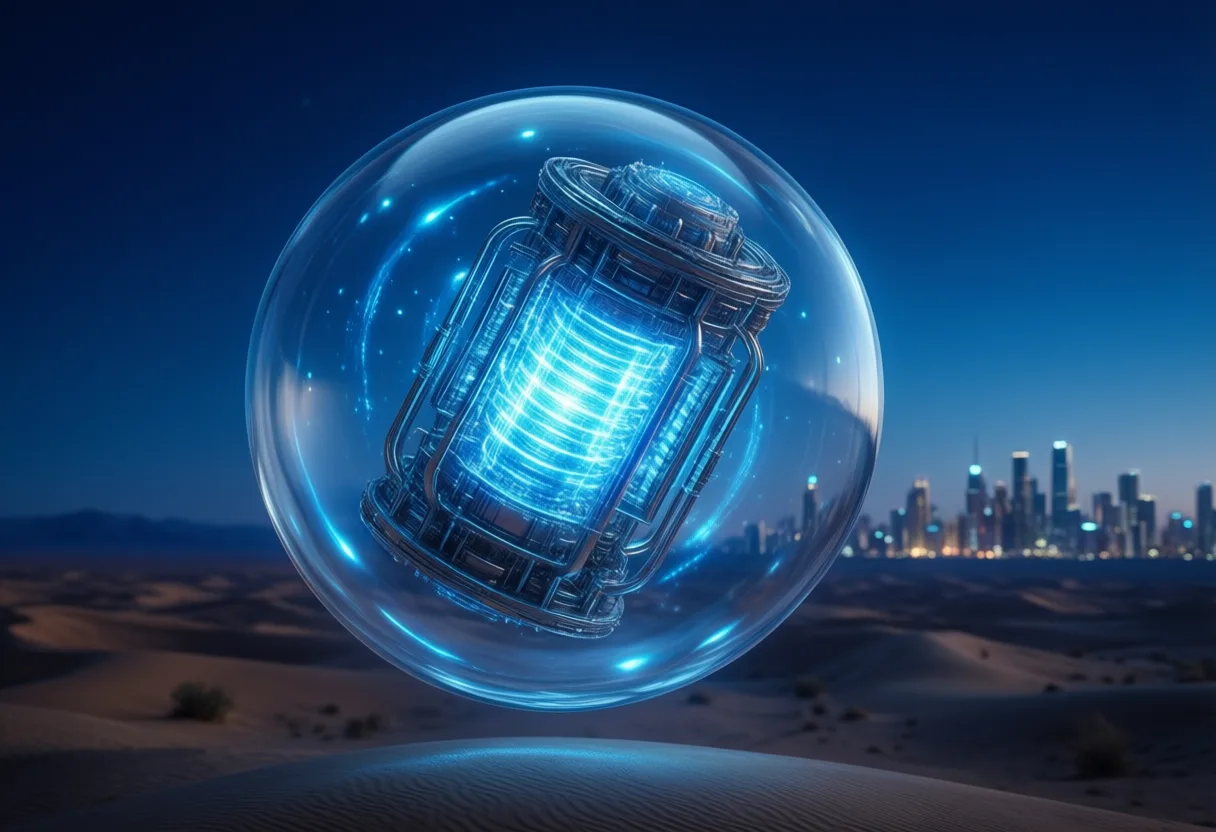
The Future Of clean, reliable power is here-and it’s redefining what energy independence means for nations and industries. Next generation nuclear energy isn’t science fiction. It’s a rapidly advancing reality built on innovation, safety, and long-term sustainability.
A New Era in Energy Innovation
For decades, nuclear power carried the weight of public skepticism. High-profile accidents, long-term waste concerns, and massive construction timelines cast long shadows. But a quiet revolution has been unfolding behind the scenes-engineered by scientists, supported by governments, and now embraced by forward-thinking investors.
Today’s nuclear reactors are not your parents’ power plants. They are smaller, smarter, and designed with passive safety systems that shut down automatically without human intervention. These next generation systems operate with Greater efficiency, Lower environmental impact, and Reduced financial risk Compared to traditional models.
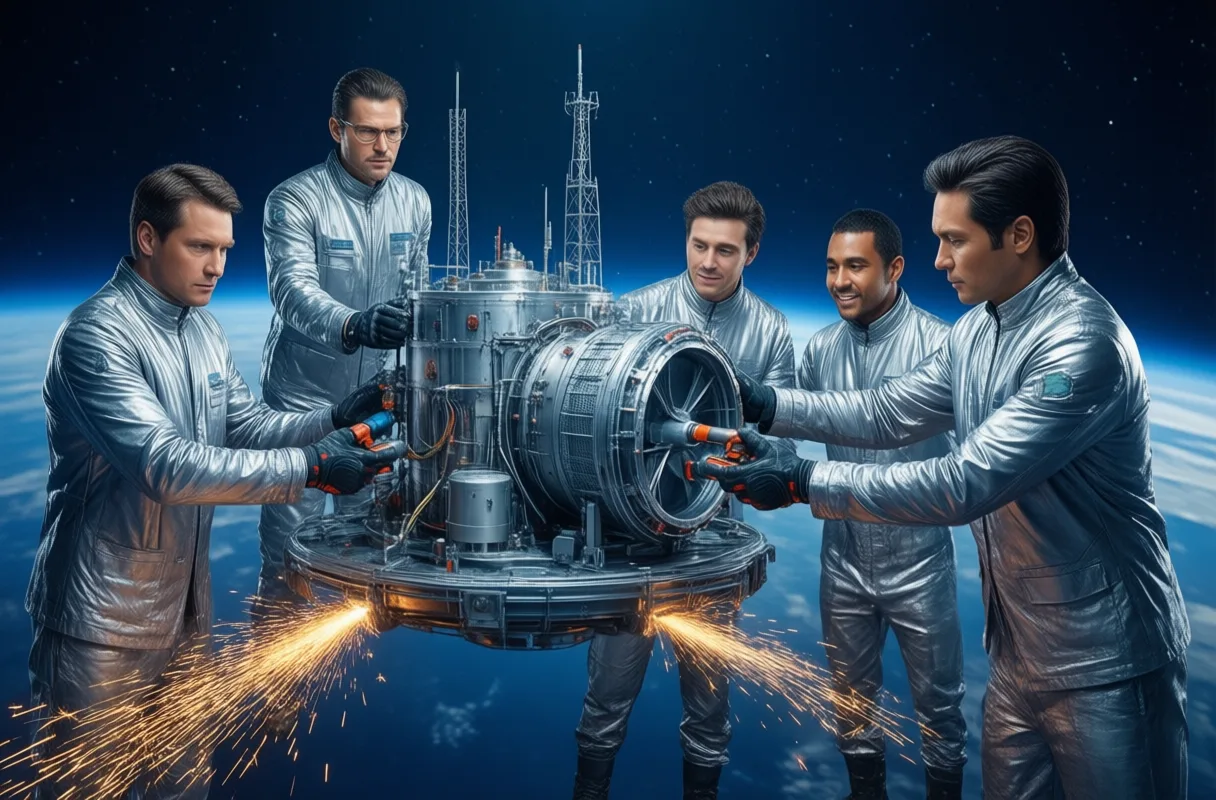
Modular construction methods allow components to be built in factories and assembled on-site. This Cuts development Time in half and improves quality control. Projects that once took over a decade can now be deployed in five to seven years. Speed, precision, and scalability are becoming the new standard.
Smaller Designs, Bigger Impact
One of the most transformative shifts is the move toward small modular reactors (SMRs). These units generate under 300 megawatts of electricity-enough to power tens of thousands of homes. Their compact size makes them ideal for remote communities, industrial zones, or as backup for Renewable grids.
SMRs can be deployed individually or combined in clusters to match energy demand. This flexibility allows utilities to scale capacity without overbuilding. They require less land, less Water, and far fewer raw materials than conventional plants.
These reactors are designed to run for decades with minimal refueling. Some models can operate for up to 30 years without needing new fuel. That means Fewer supply chain disruptions, Lower operational costs, and Increased Energy security For regions vulnerable to price swings.
- Factory-built components reduce on-site labor and delays
- Standardized designs streamline regulatory approval
- Lower upfront capital attracts private investment
This is not just an upgrade. It’s a complete reimagining of how nuclear energy fits into the global grid.

Safety and Sustainability by Design
Safety is no longer an afterthought-it’s engineered into every layer. Modern reactors use advanced coolants like molten salt or liquid metal, which operate at atmospheric pressure and resist meltdowns. If something goes wrong, physics-not pumps or operators-brings the system to a safe halt.
Waste reduction is another major leap forward. New fuel cycles can reuse spent material, slashing the volume and longevity of radioactive byproducts. Some designs even consume legacy waste as fuel, turning a liability into an asset.
Communities near proposed sites are increasingly supportive. Transparent planning, local job creation, and long-term tax revenue shift the narrative from fear to opportunity. When people see clean power paired with economic growth, resistance gives way to collaboration.
Public perception is changing because the technology has changed. The stigma of nuclear is being replaced by recognition of its Reliability, Zero-carbon output, and Baseload capability-a stable power source that runs 24/7, regardless of weather.
Powering the Future of Industry and Commerce
For entrepreneurs and business leaders, next generation nuclear offers more than clean energy-it offers Strategic advantage. Energy-intensive industries like data centers, manufacturing, and hydrogen production need consistent, affordable power. Nuclear provides that without the volatility of fossil fuels.
Imagine a tech campus powered entirely by a compact reactor beneath its parking structure. Or a mining operation in the Arctic running on zero-emission heat and electricity year-round. These are not hypotheticals. They are active projects in development across multiple continents.
Energy resilience is now a competitive differentiator. Companies that secure stable, low-cost power insulate themselves from market shocks and position for long-term growth. In a world where ESG metrics shape investment, Carbon-free baseload power Is a powerful statement.
The infrastructure of the future isn’t just digital-it’s physical, foundational, and built to last. Next generation nuclear isn’t replacing renewables. It’s completing the puzzle.
The Road Ahead Is Clear
The momentum behind advanced nuclear energy is accelerating. Regulatory frameworks are adapting. Supply chains are forming. Private capital is flowing in. What was once a government-led domain is now a thriving innovation ecosystem.
This isn’t about choosing between progress and safety. It’s about achieving both. The technology exists. The need is urgent. And the opportunity-for entrepreneurs, engineers, and nations-is immense.
The reactor isn’t just powering homes. It’s powering A new era of energy confidence, Economic stability, and Planetary responsibility. The future isn’t waiting. It’s already online.
Powering the Future with Advanced Reactor Tech
Smaller, Safer, and Surprisingly Fast to Build
Today’s next-gen reactors aren’t your granddad’s nuclear plants. Many are designed as small modular reactors (SMRs), which means they’re built in factories and shipped to sites like giant Lego pieces. This cuts construction time dramatically-some designs could be up and running in half the time of traditional plants. Because they’re smaller and often use passive safety systems that rely on gravity or natural circulation instead of pumps and human intervention, they’re inherently safer. If something goes wrong, physics helps shut things down cleanly.
A Reactor That Runs on Waste? Yes, Really
One of the coolest ideas in modern reactor design is turning nuclear waste into fuel. Some advanced reactors, like fast neutron reactors, can consume spent fuel from older reactors that would otherwise sit in storage for thousands of years. This not only reduces long-term waste but also squeezes way more energy out of the original uranium. Think of it like upgrading from a gas guzzler to a hybrid that runs on recycled exhaust.
From Space Missions to Remote Towns
These new reactors aren’t just for cities. Their compact size and low maintenance make them perfect for powering remote communities, mines, or even future moon bases. NASA has already tested small fission systems for deep space missions where solar power just won’t cut it. On Earth, some designs are so self-contained they could operate for decades without refueling-imagine flipping a switch and getting clean power for an entire town, no coal trains needed. Explore more stories, videos, and creators on Loaded.
Frequently Asked Questions
What are small modular reactors (SMRs)?
Small modular reactors (SMRs) are compact nuclear reactors that generate under 300 megawatts of electricity. They are factory-built, transported to sites, and assembled like modular units, allowing faster deployment and scalability.
How do next generation reactors improve safety?
Modern reactors use passive safety systems that rely on natural processes like gravity or circulation to shut down safely without human intervention. Advanced coolants such as molten salt operate at atmospheric pressure and resist meltdowns.
Can advanced reactors use nuclear waste as fuel?
Yes, some advanced reactors, like fast neutron reactors, can consume spent nuclear fuel from older reactors. This reduces long-term waste and extracts more energy from existing uranium.
What are the benefits of modular construction in nuclear plants?
Modular construction allows components to be built in factories, cutting development time in half and improving quality control. It reduces on-site labor, delays, and overall project timelines.
This article was produced with AI assistance. How Reactor Magazine uses AI.
Jessa explores the evolving intersection of artificial intelligence and daily business innovation, focusing on ethical design and scalable solutions. She translates complex systems into actionable insights, emphasizing human impact over technical jargon.