The fast Casual dining Space is evolving-not with flashy gimmicks, but with quiet revolutions behind the counter and on the screen. What once relied on speed and simplicity now demands precision, personalization, and seamless flow. Technology is no longer a support system-it’s the engine.
The Rise of the Digital Front Door
Customers don’t just walk in anymore-they tap, swipe, and order before arrival. Mobile apps and online platforms have become the first impression for many Fast casual Brands. A smooth digital experience sets the tone for the entire interaction. If the app lags, the brand loses.
Digital ordering isn’t just convenient-it’s expected. Consumers want control over their meals, their time, and their data. They expect accuracy, speed, and consistency across every touchpoint. This shift has forced operators to rethink how they engage from the first click.
- Online ordering now accounts for a significant share of total sales in the segment
- Mobile users favor brands with intuitive interfaces and fast load times
- Repeat visits increase when personalization is built into the digital journey
The front door is no longer made of glass-it’s made of code. Every tap is a data point. Every order reveals a preference. The brands that listen will lead.
Smarter Kitchens, Faster Service
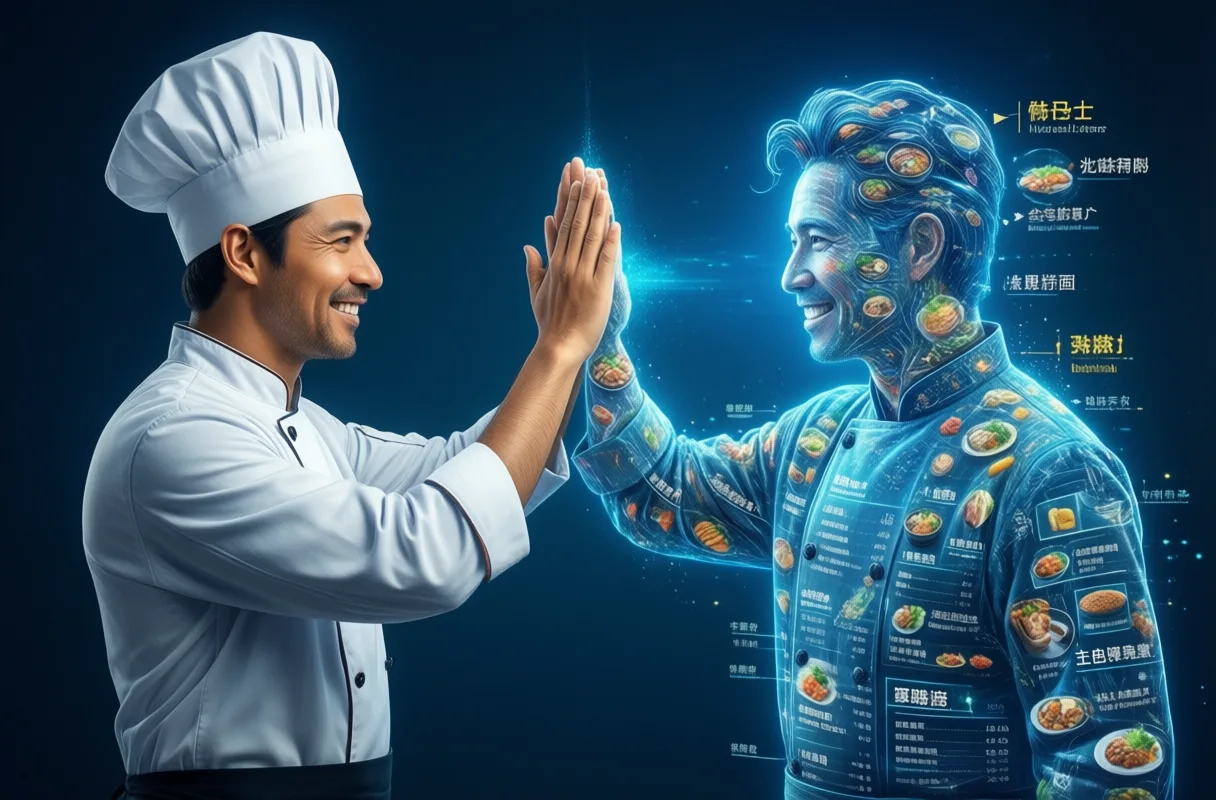
Back-of-house operations are undergoing a quiet transformation. Automation, AI, and real-time analytics are streamlining workflows In ways that weren’t possible just years ago. Kitchens are becoming responsive, adaptive environments-not just places to cook, but to optimize.
Inventory management systems now predict demand with increasing accuracy. Smart sensors track ingredient levels and flag potential waste before it happens. Equipment communicates with central systems to report performance and schedule maintenance. These tools reduce downtime and keep Food Moving.
- AI-driven forecasting helps reduce over-ordering and spoilage
- Integrated kitchen display systems improve order accuracy
- Real-time labor tracking allows for dynamic staffing adjustments
The result? Faster service, lower costs, and Higher quality. Efficiency isn’t just about speed-it’s about consistency. When technology handles the variables, people can focus on what matters: the guest.
Personalization at Scale
Fast casual used to mean compromise-Better ingredients Than fast food, but limited customization. Today, technology enables Personalized menus, tailored recommendations, and loyalty rewards that feel human-even when delivered by algorithms.
Data collected from past orders Informs future Experiences. A customer who always removes onions gets a modified suggestion by default. Someone who orders vegan on Tuesdays sees plant-based options highlighted. These small touches build trust and loyalty over time.
- Dynamic menu boards adjust based on time of day, weather, or local events
- Loyalty programs use behavioral data to deliver relevant offers
- Voice and AI assistants help guide choices for new or indecisive customers
This isn’t manipulation-it’s anticipation. The best experiences feel effortless because they’re designed around the individual. When technology knows you, it serves you better.
The Human Element in a Digital World
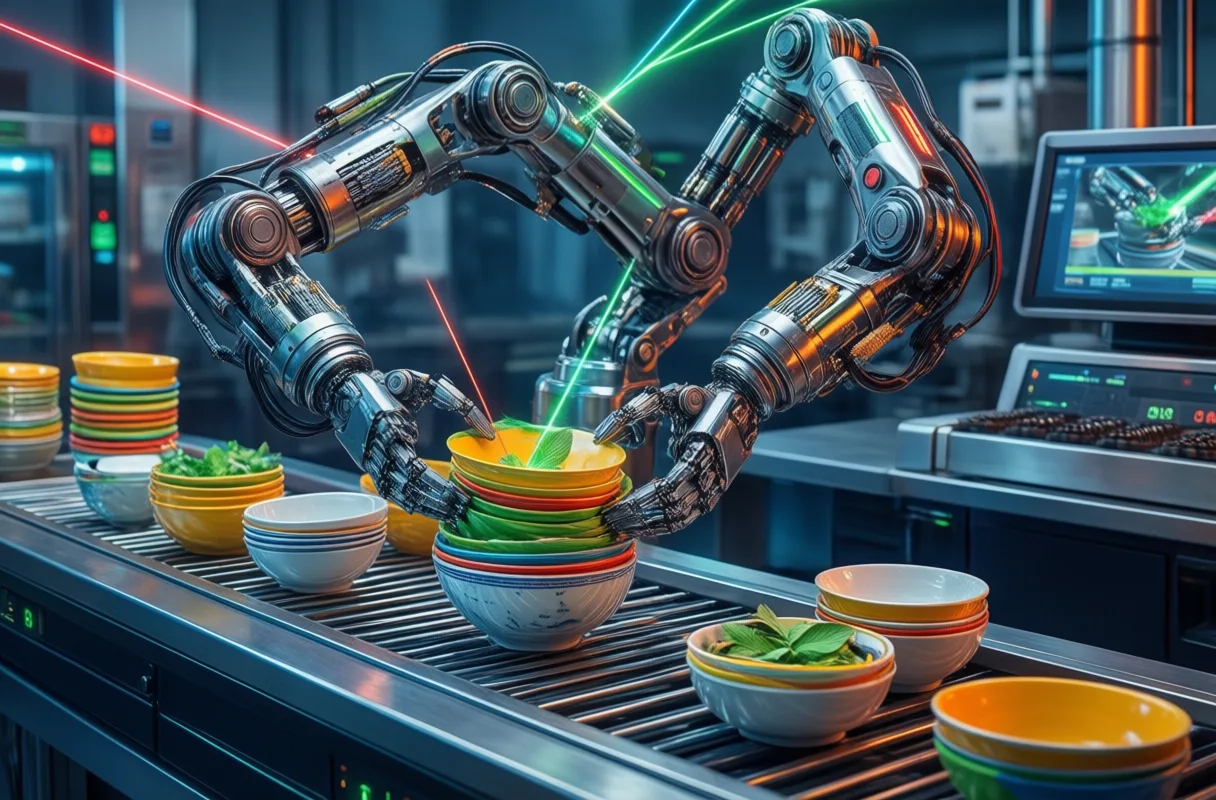
Despite the tech surge, people remain central. Technology should empower teams, not replace them. The goal isn’t a robot-run restaurant-it’s a human-centered experience amplified by smart tools.
Employees equipped with real-time insights can deliver better service. Managers with access to predictive analytics make stronger decisions. Training platforms powered by AI help onboard staff faster and more effectively.
- Digital tools free up staff to focus on guest interaction, not repetitive tasks
- Real-time feedback systems help teams course-correct in the moment
- Transparent communication between locations strengthens brand cohesion
The future of fast casual isn’t cold or mechanical-it’s responsive, intuitive, and deeply human. Technology doesn’t replace touch; it extends it.

What’s Next for the Industry
The pace of change won’t slow. Adaptation is no longer optional-it’s survival. Brands that wait to innovate will find themselves outpaced by those building tech into their DNA.
Emerging tools like voice ordering, augmented reality menus, and advanced robotics are already being tested. Integration with third-party delivery platforms continues to evolve. The lines between physical and digital dining will blur even further.
- Cloud kitchens are expanding reach without the cost of brick-and-mortar
- Sustainability tracking is becoming a priority for conscious consumers
- Data security and privacy will shape how brands collect and use customer information
The future belongs to those who see technology not as a cost, but as a catalyst. Clarity. Speed. Precision. These are the new standards.
Building the Future, One Order at a Time
The fast casual dining experience is being rewritten. It’s no longer just about what you serve-it’s how you serve it. The brands winning today are those aligning technology with purpose.
They’re not chasing trends-they’re setting them. They understand that every digital interaction is a promise. And they know that The best tech feels invisible.
For entrepreneurs, the message is clear: evolve or fall behind. The tools are here. The data is real. The opportunity is now. Build fast. Think ahead. Deliver better.
| Area | Technology | Function |
|---|---|---|
| Customer Interface | Mobile apps, online platforms | Enable ordering ahead, skip lines, personalized experiences |
| Ordering Experience | Self-service kiosks | Reduce wait times, improve order accuracy |
| Kitchen Operations | AI forecasting, smart sensors | Predict demand, reduce waste, track inventory |
| Service Efficiency | Kitchen display systems | Improve order accuracy, streamline workflow |
| Personalization | Dynamic menu boards, loyalty programs | Tailor options based on behavior, time, or weather |
| Staff Support | Real-time analytics, AI training platforms | Enhance decision-making, speed up onboarding |
How Tech Is Changing Your Fast-Casual Meal
Ordering at the Speed of Cravings
Remember waiting in line just to place your burger order? Self-service kiosks are now standard in many fast-casual spots, cutting wait times and reducing order errors. Customers tap through menus with ease, often customizing meals more precisely than they might with a cashier. This shift doesn’t just speed things up-it also gives restaurants clearer data on what people like, helping them tweak menus and promotions based on real choices.
Mobile apps have turned smartphones into personal dining assistants. With a few swipes, you can order ahead, skip the counter entirely, and walk straight to pickup. Some chains even use geofencing, so your meal gets fired in the kitchen just as you’re pulling into the parking lot. It’s not magic-it’s smart timing powered by location tech that keeps food hot and service smooth.
Behind the scenes, artificial intelligence is quietly shaping what shows up on your screen. Dynamic menu boards change in real time based on the weather, time of day, or current kitchen load. Craving a milkshake when it’s 90 degrees? The system knows. Running low on avocado? The menu might nudge you toward another option. These small tweaks keep operations efficient and customers satisfied-without anyone noticing the gears turning. Explore more stories, videos, and creators on Loaded.
Frequently Asked Questions
How is technology improving the fast casual dining experience?
Technology enhances the dining experience through mobile apps, self-service kiosks, and AI-driven systems that improve order accuracy, reduce wait times, and personalize service.
What role does personalization play in fast casual dining?
Personalization uses data from past orders to tailor menu suggestions, highlight preferred options, and deliver relevant loyalty rewards, creating a more intuitive and satisfying experience.
How do digital ordering and mobile apps benefit customers?
Digital ordering allows customers to order ahead, skip lines, and receive accurate, customized meals. Geofencing ensures food is prepared just in time for pickup.
What back-of-house technologies are being used in fast casual kitchens?
Kitchens use AI forecasting, smart sensors, real-time analytics, and kitchen display systems to manage inventory, reduce waste, and improve service efficiency.
This article was produced with AI assistance. How Reactor Magazine uses AI.
Jessa explores the evolving intersection of artificial intelligence and daily business innovation, focusing on ethical design and scalable solutions. She translates complex systems into actionable insights, emphasizing human impact over technical jargon.