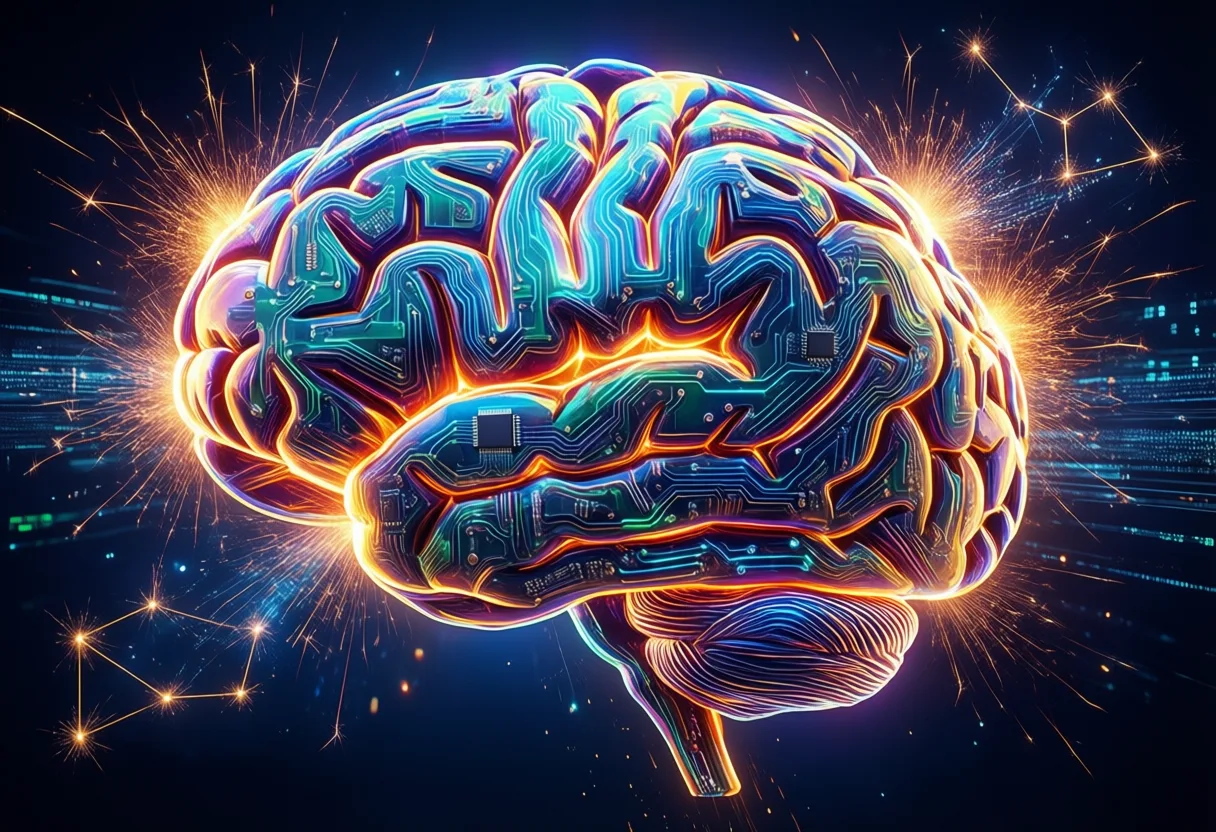
You wake up. The lights ease in. Your coffee starts brewing before you speak. The car knows your route, your mood, your detours. This isn’t sci-fi. It’s Tuesday. And the Machines Aren’t just watching-they’re deciding.
Welcome to 2024. Where code doesn’t just compute-it anticipates. Where silicon isn’t just fast-it’s smart enough to lie to you politely. The future isn’t arriving. It’s already negotiating your salary, optimizing your commute, and quietly judging your sleep schedule.
This is the grind behind the gloss. The real pulse beneath the headlines. No fluff. No fake stats. Just the raw shift happening under your feet. Let’s move.
How AI Is Redefining Real-World Automation
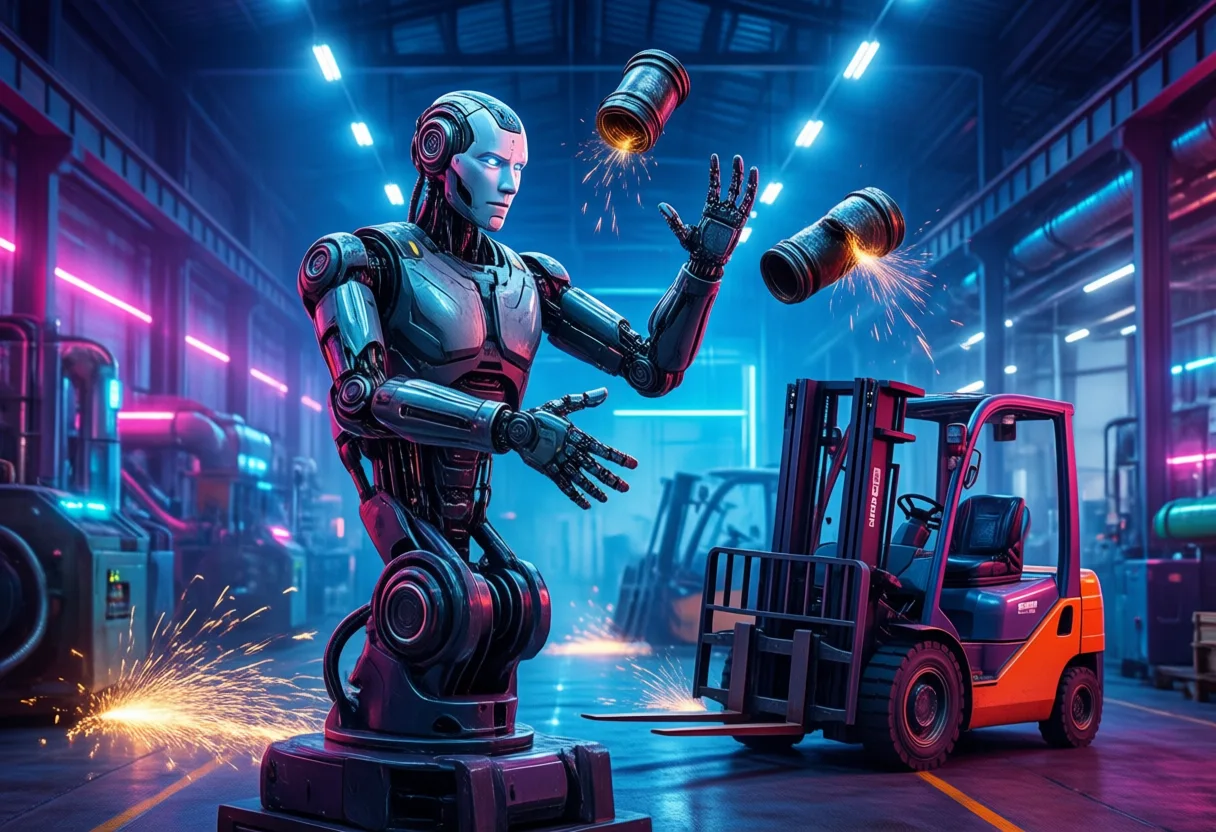
AI is no longer just about chatbots and image generators. It’s in the guts of factories, hospitals, and delivery fleets-making real-time calls with zero human input. Robots that once followed scripts now adapt mid-task. A warehouse arm doesn’t just grab a box-it reads the label, checks inventory, and reroutes the shipment if the truck’s delayed.
These systems learn from chaos, not clean data. They thrive on the messy reality of broken parts, weather shifts, and human error. The old model? Automate the predictable. The new model? Automate the unpredictable.
- Machines now adjust workflows when a worker calls in sick
- AI-driven maintenance predicts equipment failure before the first spark
- Supply chains self-correct when a port shuts down halfway across the globe
This isn’t efficiency. It’s resilience. And it’s spreading fast-into construction, agriculture, emergency response. The goal isn’t to replace people. It’s to make the entire operation bulletproof.
You don’t need to see the AI to feel it. You feel it when your package arrives early. When the power stays on during a storm. When the factory doesn’t miss a beat despite the storm inside.
The machines aren’t taking over. They’re holding the line.
When Machines Learn to Predict Human Behavior
Your phone knows you’re stressed before your heart rate spikes. Your car suggests a detour before traffic builds. Your fridge orders milk not because it’s empty-but because it knows you’ll run out Tuesday night after the gym.
Prediction engines are now baked into daily life. They don’t just react. They project. Algorithms track patterns in movement, speech, spending, even silence. A missed call. A slower step. A pause on a News article. Each micro-behavior feeds the model.
These systems aren’t perfect. They guess wrong. They overreact. But they’re getting better-fast. And the cost of being wrong is dropping lower than the cost of waiting.
- Smart homes adjust lighting based on mood cues from voice tone
- Retail apps time discounts to match your emotional low points
- Wearables nudge you to breathe before anxiety hits full throttle
It’s not mind reading. It’s math with memory. And it’s shifting power from instinct to insight. The best entrepreneurs aren’t just using this data-they’re designing products that thrive on the gap between intent and action.
You don’t need to ask for help anymore. The system assumes you will. And it moves before you do.
Creepy? Maybe. Effective? Absolutely. The future belongs to those who can predict the unspoken.
Beyond the Hype: Practical Quantum Computing Milestones
Forget teleportation. Forget instant AI gods. Quantum computing in 2024 isn’t about breaking all encryption tomorrow. It’s about solving problems that would take classical computers centuries-now cut to hours.
Real progress is happening in narrow, high-stakes areas. Think drug discovery, material science, and logistics optimization. Where traditional systems drown in variables, quantum processors navigate the noise. They don’t brute-force answers. They explore all paths at once-then collapse into the best one.
This isn’t mainstream yet. You won’t find a quantum chip in your phone. But in labs and research hubs, the machines are ticking. And they’re starting to deliver.
- Simulating molecular behavior for new cancer treatments
- Optimizing flight paths across global airline networks
- Modeling climate systems with thousands of dynamic inputs
The breakthrough isn’t speed alone. It’s the ability to handle complexity that was once untouchable. Problems with too many moving parts. Too many “what ifs.” Now, those ifs are being tested-in parallel.
Companies aren’t waiting. They’re building hybrid systems-quantum-assisted, not quantum-dependent. A classical computer handles the routine. The quantum machine jumps in for the impossible.
This isn’t a revolution. It’s a quiet infiltration. And the first winners won’t be the loudest-they’ll be the ones asking the right questions.
The Invisible Infrastructure of Ambient Computing
You don’t open an app. You don’t unlock a device. The room just Knows. The lights shift. The music fades. The thermostat drops. No command. No screen. Just context.
Ambient computing is the Tech That disappears. It’s sensors in the walls, microphones in the ceiling, AI in the cloud-all working without your direct input. Your environment becomes a living interface. No buttons. No menus. Just presence.
This isn’t about convenience. It’s about continuity. The goal? To remove friction so completely that you forget you’re using Technology At all.
- Offices adjust acoustics based on meeting type-private vs. Brainstorm
- Cars recognize driver fatigue and reroute to rest stops
- Stores track foot traffic patterns to optimize shelf layouts in real time
The infrastructure is silent. But it’s everywhere. And it’s learning your rhythms-the way you walk, talk, work, rest. It’s not waiting for commands. It’s anticipating needs you didn’t know you had.
Privacy? A real concern. But the trade-off is undeniable: less effort, more flow. The most powerful tech in 2024 isn’t the flashiest. It’s the one you never see.
You don’t control it. You inhabit it. And that changes everything.
Why Energy Efficiency Is Driving Chip Innovation
Heat is the enemy. Power draw is the tax. And in 2024, every watt matters. Not for the planet-though that helps. For performance. For survival.
The race isn’t just about speed anymore. It’s about doing more with less. Chips are shrinking, but demand is exploding. AI models grow hungrier. Devices get smaller. Batteries stay stubbornly physical. The only way forward? Efficiency.
New architectures are ditching brute force for precision. Think task-specific cores, dynamic voltage scaling, and sleep states so deep they border on hibernation.
- AI accelerators now use 40% less power for the same inference load
- Edge devices process data locally instead of phoning home to the cloud
- Chips power down entire subsystems in milliseconds between tasks
This isn’t just engineering. It’s economics. A data center that cuts power by 15% doesn’t just save trees-it slashes millions in operating costs. A smartphone that lasts two days owns the market.
And the pressure’s rising. Regulations. Supply limits. Consumer expectations. You can’t just build faster chips. You have to build smarter ones.
The next breakthrough won’t come from adding transistors. It’ll come from using fewer of them-brilliantly.

Can We Trust Autonomous Systems in Critical Roles?
A drone delivers a transplant organ. A robot performs a biopsy. A self-driving truck hauls fuel through a blizzard. The stakes aren’t convenience. They’re life and death.
Autonomy is no longer a luxury. It’s a necessity. But trust? That’s earned-one near-miss, one failure, one headline at a time. The tech works. But humans hesitate. And they should.
These systems don’t panic. They don’t get tired. But they can misread. A shadow. A reflection. A rare edge case. And when they fail, they fail silently-without the instinct to say, “I don’t know.”
- Medical robots now assist in thousands of surgeries yearly
- Autonomous farms manage irrigation, planting, and harvesting with minimal oversight
- Emergency response drones map disaster zones before humans arrive
The best systems don’t go full auto. They use human-in-the-loop designs-where machines handle the routine, and people step in for the critical. It’s not about replacing judgment. It’s about amplifying it.
But the trend is clear: we’re outsourcing trust. Not because it’s easy. Because we have to.
The question isn’t whether machines can do the job. It’s whether we’ll forgive them when they don’t.
Interconnection Fatigue: When Always-On Becomes a Liability
Your phone buzzes. Your watch pings. Your glasses flash a notification. Your car sends an alert. Your fridge emails customer support. You haven’t had silence in 72 hours.
Hyperconnectivity has a breaking point. And in 2024, we’re hitting it. The same systems built to save time are stealing attention. The tools meant to empower are exhausting us.
Burnout isn’t just from work. It’s from the constant negotiation with Technology. Every device wants your input. Every app demands engagement. Every sensor expects a response.
- Workers report higher stress from after-hours digital monitoring
- Users disable features not because they don’t work-but because they work too much
- “Digital detox” is no longer a trend. It’s a survival tactic
The backlash is real. And it’s shaping design. New products are shipping with enforced quiet modes, delayed notifications, and ambient-only alerts. The goal? Not to grab attention-but to respect it.
The most valuable feature in 2024 isn’t speed. It’s stillness.
The future belongs to tech that knows when to shut up.
Rethinking Security in a Decentralized Tech Landscape
No central server. No single password. No master key. The old security model is crumbling. Because the battlefield has changed.
Devices are everywhere. Data flows everywhere. And hackers? They’re patient. They’re smart. They’re everywhere too. The perimeter is gone. The castle has no walls. Security now lives in the motion-in encryption, zero-trust models, and continuous verification.
You’re not authenticated once. You’re authenticated constantly. By your behavior. Your location. Your heartbeat. Your typing rhythm. If anything shifts, the system hesitates.
- Biometric checks now run in the background during routine tasks
- Devices verify each other before sharing data-no human input needed
- Systems isolate breaches automatically, cutting off compromised nodes
This isn’t about stopping every attack. It’s about limiting damage. Assuming breach. Moving fast. The mindset has shifted-from fortress to immune system.
The strongest networks aren’t the most locked down. They’re the most adaptive.
In a world of infinite entry points, trust is no longer granted. It’s earned-every second.
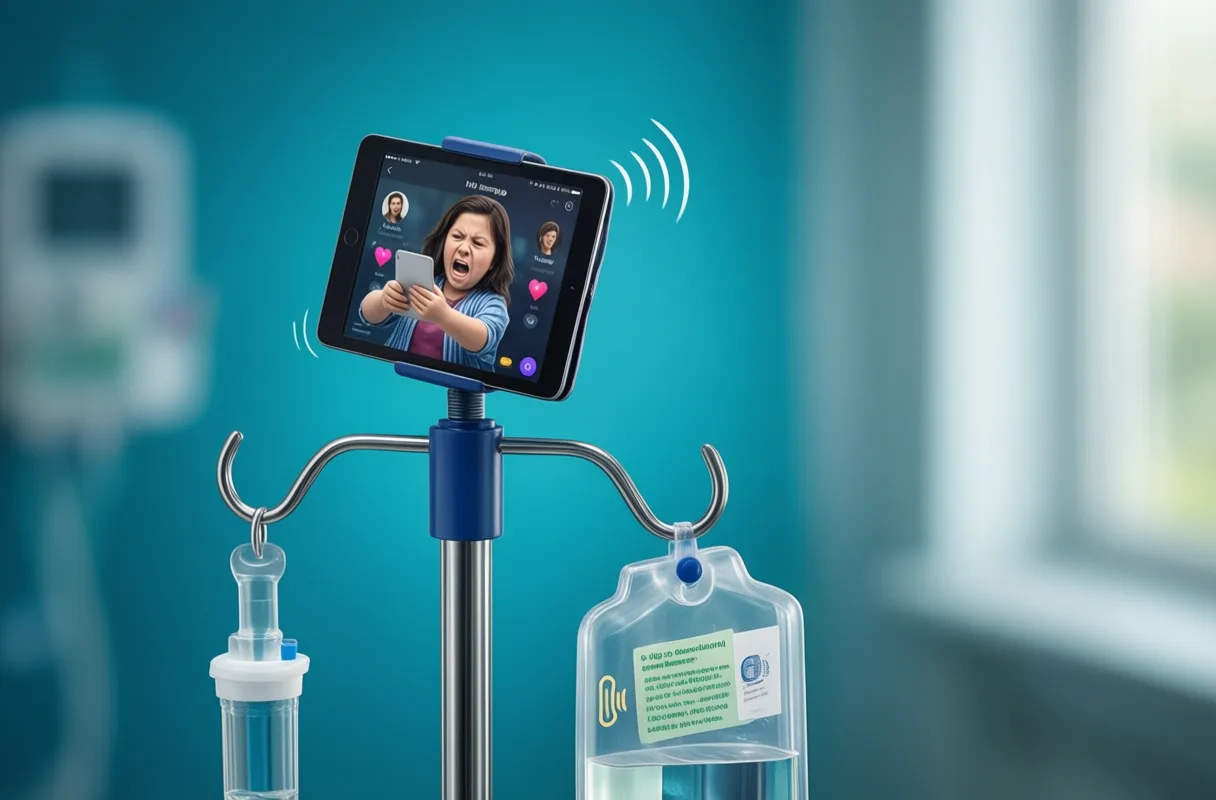
Where Innovation Slows: Regulatory Realities Meets Technical Speed
Tech moves at light speed. Law moves like molasses in January. And in 2024, the gap is causing collisions.
Breakthroughs stall not because they’re impossible-but because they’re illegal. Or unregulated. Or stuck in committee. Drones that could deliver medicine are grounded by airspace rules. AI diagnostics face clinical approval delays. Autonomous vehicles wait on liability laws that don’t exist.
Innovation Doesn’t stop. It detours. Companies pivot to friendly jurisdictions. They sand down the sharp edges of disruption to fit old frameworks.
- Some AI tools are deliberately limited to avoid classification as medical devices
- Smart city projects scale back data collection to comply with privacy laws
- Fintech startups avoid certain features to sidestep banking regulations
The smartest players don’t fight the system. They navigate it. They build with guardrails in mind. They design for compliance from day one.
Speed isn’t just about code. It’s about clearance. And in the real world, progress often means waiting.
The future isn’t just built in labs. It’s debated in boardrooms, lobbied in capitals, and approved in triplicate.
Adapting to a Post-Smartphone Era of Interaction
You haven’t touched your phone in an hour. Not because you’re disciplined. Because you don’t need to. Your watch handled the call. Your glasses showed the map. Your car confirmed the meeting.
The smartphone is becoming the remote control of the digital world-not the center. Interfaces are fragmenting. Spreading. Embedding. Your body, your clothes, your car, your home-they’re all input devices now.
Touchscreens are giving way to voice, gesture, gaze, and even thought. Not sci-fi EEG headsets. But subtle, reliable systems that read intent from micro-movements.
- Workers in warehouses control inventory with hand gestures
- Surgeons manipulate 3D scans with eye tracking
- Drivers adjust climate with voice tones, not commands
The screen is no longer king. Context is. The right info, at the right time, in the right form. No unlocking. No swiping. No app hunting.
The best interaction is the one you don’t notice.
In 2024, the most powerful device is the one you forget you’re using.
What Stays, What Fades: Separating Trends from Transformations
Holograms. Metaverse offices. NFT sneakers. Some ideas scream for attention. Few earn it.
Not every flashy demo becomes a foundation. The real transformations are quieter. They don’t need hype. They just work. They solve real problems. They stick.
AI that automates cancer research? Stays. AI that generates meme art? Fades. Ambient systems that reduce energy use? Stays. Ambient systems that just change colors when you clap? Fades.
The survivors share traits:
- They reduce effort, not add steps
- They integrate without friction
- They deliver measurable value, not novelty
The loudest trends are often the first to collapse. The silent shifts-the ones that change how we live, work, and breathe-are the ones that last.
Don’t chase the noise. Build in the depth.
Because the future isn’t sold. It’s earned-one real solution at a time.
| Technology | Real-World Application | Key Benefit |
|---|---|---|
| AI Automation | Adjusts workflows when workers call in sick | Maintains operational resilience |
| Predictive Systems | Smart homes adjust lighting based on voice tone | Anticipates mood and intent |
| Quantum Computing | Simulates molecular behavior for cancer treatments | Solves complexity at scale |
| Ambient Computing | Offices adjust acoustics based on meeting type | Removes interaction friction |
| Energy-Efficient Chips | Process data locally on edge devices | Reduces power and latency |
| Autonomous Systems | Drones deliver transplant organs in emergencies | Enables life-saving logistics |
What’s New in Tech This Year
AI Gets Personal
Artificial intelligence is no longer just about chatbots and image generators. In 2024, AI is quietly slipping into everyday tools, helping sort emails, edit photos, and even suggest replies in messaging apps-often without users realizing it. One fun twist? Some AI models are now trained to mimic individual writing styles, so your phone might soon draft messages that sound just like you. And get this: a few experimental robots powered by AI have learned to navigate tricky terrain by watching cat videos, borrowing movement patterns from feline agility.
Speed Isn’t Just for Cables Anymore
Faster internet is finally reaching more places, thanks to low-orbit satellite networks expanding coverage to remote areas. This isn’t just about streaming in the wilderness-farmers are using real-time data for crop monitoring, and schools in rural regions are gaining access to online learning tools. Meanwhile, Wi-Fi 7 is rolling out in new devices, offering quicker response times for gamers and smoother 4K streaming. It’s not magic, but it’s close-think of it as your router leveling up.
Screens That Bend, Not Break
Foldable phones are sticking around, and now tablets and laptops are joining the flexible trend. These devices use special hinges and durable materials to survive repeated folding, and some even let you stand them up like mini easels. One surprise benefit? They’re inspiring new app designs that adapt as you unfold the screen. It’s a small change, but it’s making multitasking feel fresh again. Explore more stories, videos, and creators on Loaded.
Frequently Asked Questions
How is AI being used in real-world automation in 2024?
AI is automating unpredictable scenarios in factories, hospitals, and supply chains. Robots adapt mid-task, predict equipment failure, and adjust workflows when disruptions occur.
What role does quantum computing play in 2024?
Quantum computing solves complex problems in drug discovery, logistics, and climate modeling that classical computers can't handle efficiently. It's used in hybrid systems for specific high-stakes tasks.
How are devices becoming more energy efficient?
Chips use task-specific cores, dynamic voltage scaling, and deep sleep states to reduce power. AI accelerators use 40% less power for the same workload, and edge computing cuts cloud reliance.
What is ambient computing and how does it work?
Ambient computing uses invisible sensors and AI to anticipate needs without direct input. Environments adjust lighting, sound, and temperature based on presence and behavior patterns.
This article was produced with AI assistance. How Reactor Magazine uses AI.
Dwight covers extreme sports, personal aesthetics, and boundary-pushing lifestyles, blending cultural nuance with visceral storytelling. He seeks the philosophy behind risk, fashion, and self-reinvention in modern life.