
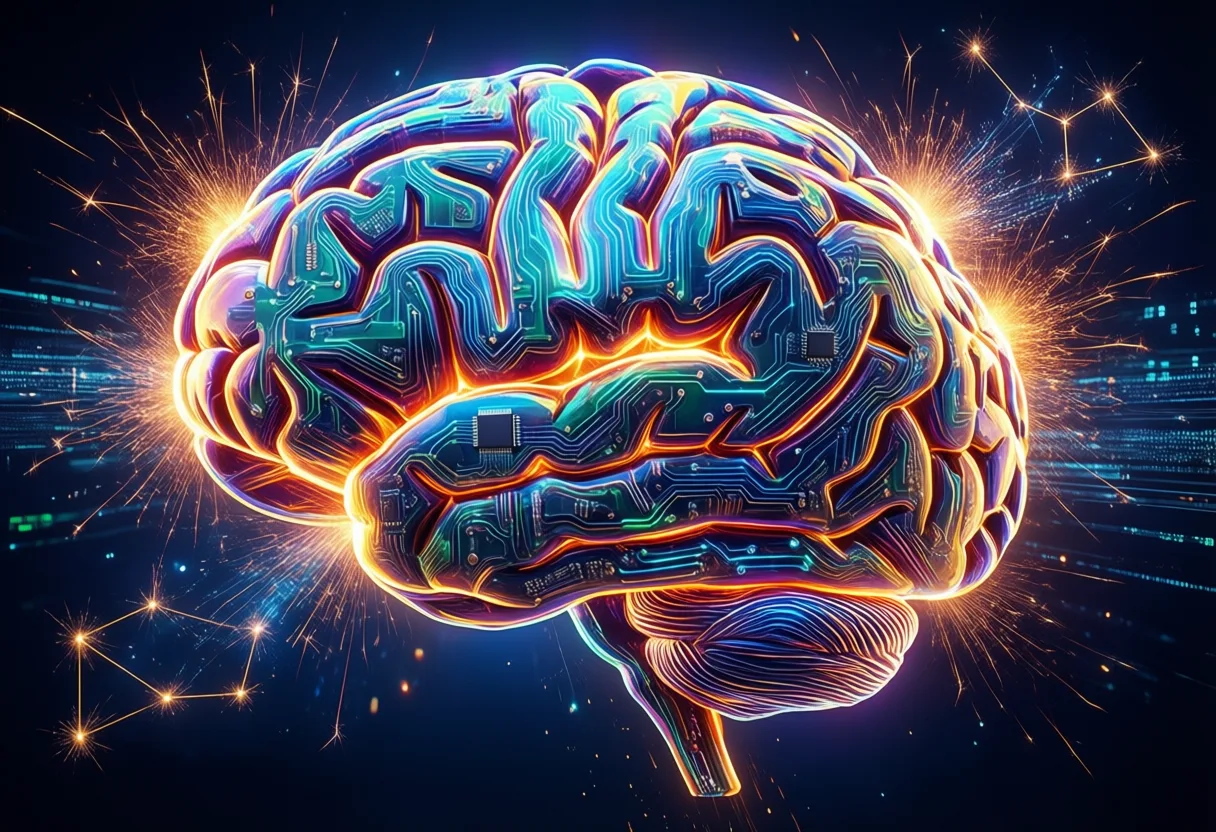
Every year, the pace of change accelerates. What was cutting-edge yesterday is today’s baseline.
For ambitious professionals and forward-thinking entrepreneurs, staying ahead isn’t optional-it’s essential. The technology Trends shaping 2024 aren’t just about gadgets or software. They’re about transformation, resilience, and reimagining what’s possible.
The Foundation of Tomorrow’s Innovation
The most impactful Technology trends Are not sudden disruptions. They are the result of years of evolution, convergence, and refinement.
In 2024, we see this clearly. The Breakthroughs Gaining momentum are built on infrastructure, intelligence, and integration. These are not isolated tools. They are interconnected systems enabling smarter decisions, faster responses, and deeper insights.
Organizations that Treat technology As a core strategy-not just a support function-are the ones pulling ahead. They’re not waiting for perfection. They’re testing, learning, and scaling with confidence.
Three forces stand out: adaptive systems, intelligent automation, and secure scalability. These are not buzzwords. They are the pillars of modern innovation.
- Adaptive systems learn and respond in real time
- Intelligent automation reduces friction across operations
- Secure scalability ensures growth doesn’t compromise integrity
This is the foundation. From here, everything else grows.
AI Trust, Risk, and Security Management
Artificial intelligence is no longer experimental. It’s embedded. But with adoption comes responsibility.
AI Trust, Risk, and Security Management-often called AI TRiSM-is emerging as a critical discipline. It ensures AI systems are transparent, accountable, and resilient. Without it, innovation carries unseen risk.
Enterprises are now prioritizing AI governance. They’re building frameworks to monitor model behavior, detect bias, and explain decisions. This isn’t about slowing progress. It’s about making progress sustainable.
Trust is the new currency. When customers, regulators, and employees can see how AI works, they’re more likely to embrace it.
Key components of AI TRiSM include:
- Model explainability tools
- Bias detection protocols
- Ongoing monitoring systems
- Incident response planning
The goal is simple: make AI reliable, auditable, and safe. Not just for compliance-but for credibility.
Organizations that ignore this do so at their own risk. Those who lead in AI TRiSM will lead in innovation.
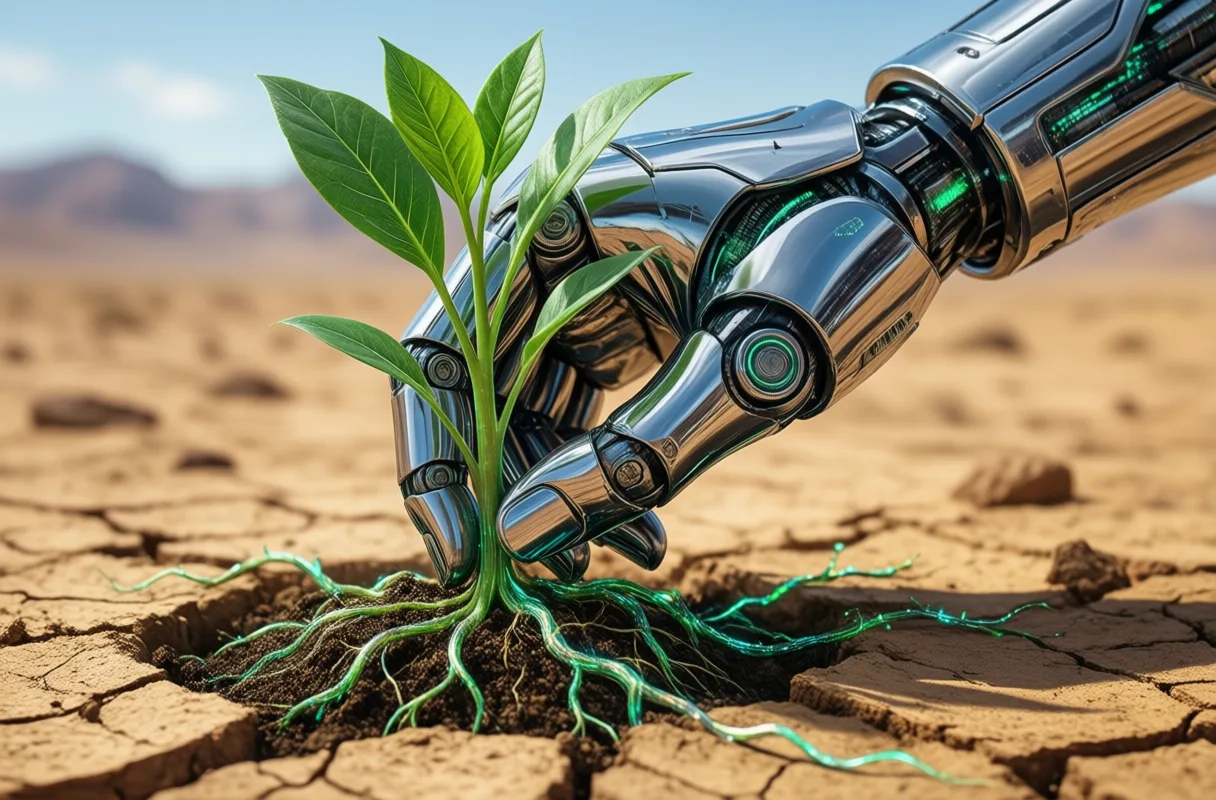
Sustainable Technology
Technology has an environmental footprint. In 2024, that can no longer be ignored.
Sustainable technology is about designing systems that are efficient, responsible, and regenerative. It’s not a side project. It’s a strategic imperative.
From data centers to device lifecycles, every layer of tech is being reevaluated. Energy efficiency, material sourcing, and end-of-life management are now central to design.
Forward-thinking companies are measuring their digital carbon footprint. They’re optimizing code for lower energy use. They’re choosing cloud providers with renewable commitments.
Sustainability drives innovation. Constraints spark creativity. When you design for efficiency, you often build better products.
Three actions are gaining traction:
- Using green software engineering principles
- Prioritizing energy-aware infrastructure
- Building circular supply chains for hardware
This isn’t about optics. It’s about longevity. The most resilient businesses are those aligned with planetary limits.
Sustainable technology isn’t the future. It’s the foundation of the present.
Platform Engineering
Speed matters. But so does stability.
Platform engineering is rising as the answer to a growing challenge: how to empower developers without sacrificing security or consistency.
Instead of reinventing workflows for every team, companies are building internal platforms. These are standardized, self-service environments that accelerate delivery.
Think of it as infrastructure as a product. Developers get what they need-quickly and reliably. Operations teams maintain control and compliance.
The result? Faster time to market, fewer errors, and stronger collaboration.
Key benefits include:
- Reduced onboarding time for new engineers
- Consistent deployment pipelines
- Automated policy enforcement
- Centralized observability
Platform engineering isn’t about control. It’s about enablement.
It shifts the culture from reactive fixes to proactive design. The best platforms feel invisible-until you realize how much they’re doing.
For scaling organizations, this isn’t optional. It’s the engine of velocity.
AI-Augmented Development
Writing code is changing. Fast.
AI-augmented development tools are now assisting engineers in real time. They suggest code, detect bugs, and even write tests.
This isn’t about replacing developers. It’s about amplifying them. The most productive teams are those using AI as a co-pilot.
Tasks that once took hours now take minutes. Repetitive patterns are automated. Cognitive load is reduced.
Developers can focus on architecture, logic, and user experience-where human insight matters most.
Examples of AI in development include:
- Intelligent code completion
- Automated documentation generation
- Vulnerability scanning during coding
- Natural language to code translation
The barrier to entry is lowering. But the demand for deep thinking is rising.
AI handles the routine. Humans handle the meaningful.
This shift is accelerating innovation across industries. The future of software is collaborative-between people and machines.

Industry Cloud Platforms
One-size-fits-all cloud solutions are fading.
Industry cloud platforms are gaining ground-customized environments built for specific sectors like healthcare, finance, or manufacturing.
These platforms come with pre-built workflows, compliance templates, and domain-specific tools. They reduce implementation time and increase relevance.
Instead of assembling systems from scratch, organizations can deploy faster and adapt quicker.
An industry cloud for healthcare, for example, might include patient data workflows, regulatory modules, and telehealth integrations out of the box.
The advantage is clear: speed, compliance, and precision.
Three drivers are fueling adoption:
- Need for faster digital transformation
- Rising regulatory complexity
- Demand for sector-specific functionality
This isn’t just cloud computing. It’s cloud specialization.
For businesses, it means getting more value, faster. For developers, it means building on smarter foundations.
Intelligent Applications
Applications are getting smarter. Not just faster or prettier-smarter.
Intelligent applications use AI to adapt in real time. They anticipate needs, personalize experiences, and automate decisions.
A sales app might suggest the next best action. A customer service tool might predict churn risk. A logistics platform might reroute shipments based on weather and traffic.
These aren’t futuristic ideas. They’re in use today.
The shift is from static tools to dynamic partners. Users aren’t just interacting with software. They’re collaborating with it.
Key capabilities include:
- Context-aware recommendations
- Predictive analytics at the point of use
- Natural language interfaces
- Autonomous task execution
The best intelligent applications feel intuitive. They reduce friction, not add to it.
This is the next phase of user experience. Software that works For You, not just With You.
Digital Immune System
Downtime is expensive. Breaches are devastating. Resilience is non-negotiable.
The digital immune system is a holistic approach to keeping systems healthy, secure, and trusted.
It combines practices like automated testing, observability, chaos engineering, and incident response into one unified strategy.
The goal? To detect issues early, respond fast, and recover quickly. To build systems that heal themselves.
Just like a biological immune system, it’s always on, always learning.
Components include:
- Real-time monitoring and alerting
- Automated rollback mechanisms
- Proactive threat detection
- Post-incident analysis loops
This isn’t about preventing every problem. It’s about minimizing impact when problems occur.
Organizations with strong digital immune systems see fewer outages, faster recovery, and higher customer trust.
In 2024, resilience is a competitive advantage.

Applied Observability
You can’t improve what you can’t see.
Applied observability goes beyond monitoring. It’s about understanding system behavior in context-across code, infrastructure, and user experience.
It brings together logs, metrics, traces, and business data into a single view. Teams can see not just That Something broke, but Why And Who It affected.
This depth of insight transforms decision-making.
Instead of guessing, teams act on evidence. Instead of reacting, they anticipate.
Observability is especially critical in distributed systems, where failures can cascade silently.
Key practices include:
- End-to-end transaction tracing
- Correlating technical data with business outcomes
- Setting up feedback loops for developers
- Using AI to surface anomalies
The result is faster debugging, better performance, and higher reliability.
Applied observability turns data into wisdom. And wisdom drives progress.
Superapps and Composable Business
The future of enterprise software is flexible. Modular. Adaptable.
Composable business is the idea that organizations should build systems from interchangeable, best-of-breed components. Not monolithic suites.
This allows faster adaptation to change. Need a new payment processor? Swap it in. Launching in a new market? Add a localized module.
Superapps take this further. They are single platforms that host multiple mini-apps, services, and workflows.
Think of a single interface that includes messaging, payments, scheduling, analytics, and more-all integrated, all accessible.
This model is already dominant in some regions. Now it’s going global.
Benefits include:
- Faster innovation cycles
- Lower dependency on single vendors
- Better user experience through integration
- Easier customization
The old way was to buy big, all-in-one systems. The new way is to compose your own.
For agile organizations, this is freedom. For rigid ones, it’s a wake-up call.
The Path Forward
The technology trends shaping 2024 are not isolated. They are connected. They feed into each other.
AI powers intelligent applications. Observability strengthens digital immune systems. Composable design enables platform engineering.
This is not about chasing every trend. It’s about choosing the right ones for your mission.
Innovation isn’t about being first. It’s about being focused.
Build with purpose. Scale with integrity. Lead with clarity.
The future belongs to those who prepare-not those who predict.
| Technology Trend | Key Components |
|---|---|
| AI TRiSM | Model explainability, bias detection, monitoring, incident response |
| Sustainable Technology | Green software, energy-aware infrastructure, circular supply chains |
| Platform Engineering | Self-service platforms, automated policy enforcement, centralized observability |
| AI-Augmented Development | Code completion, bug detection, test writing, documentation generation |
| Intelligent Applications | Real-time adaptation, predictive analytics, autonomous task execution |
| Digital Twins | Virtual simulation, failure prediction, performance optimization |
| Digital Immune System | Automated testing, observability, chaos engineering, incident response |
What’s Shaping Tomorrow’s Tech Landscape
The AI That Writes Like a Human-But Isn’t One
Generative AI continues to dominate headlines, but here’s a fun twist: some of the most advanced models can now produce code, scripts, and even poetry after training on vast datasets of human-created content. These systems don’t “understand” language the way we do-they spot patterns and mimic structure, which is why they can draft a sonnet or debug software with surprising fluency. While they’re not sentient, their ability to simulate creativity is fueling innovation across industries, from marketing to software development.
Machines That Learn From Experience-Without Constant Retraining
A quieter but equally important trend is the rise of AI systems that adapt in real time. Unlike traditional models that require retraining every time conditions change, newer approaches allow machines to learn from ongoing inputs, making them more efficient in dynamic environments like supply chains or traffic management. This reduces the need for constant human oversight and helps systems respond faster to unexpected shifts, whether it’s rerouting deliveries during a storm or adjusting energy use in a smart building.
Digital Twins: From Factories to Entire Cities
Imagine a virtual copy of a wind turbine, a factory floor, or even a city-running in real time, reflecting actual performance and stress points. These “digital twins” are no longer sci-fi. Engineers use them to simulate failures before they happen, test upgrades safely, and optimize performance. Some cities are experimenting with digital twins to model traffic flow and energy consumption, helping planners make smarter decisions without disrupting daily life. It’s like having a test drive for infrastructure, minus the traffic cones. Explore more stories, videos, and creators on Loaded.
Frequently Asked Questions
What is AI TRiSM and why is it important in 2024?
AI TRiSM stands for AI Trust, Risk, and Security Management. It ensures AI systems are transparent, accountable, and resilient. It includes model explainability, bias detection, monitoring, and incident response to make AI reliable and safe.
How does sustainable technology impact innovation?
Sustainable technology drives innovation by prioritizing energy efficiency, green software engineering, and circular supply chains. Designing for efficiency and responsibility leads to better, more resilient products and systems.
What are digital twins and how are they used?
Digital twins are virtual copies of physical systems like wind turbines, factories, or cities. They simulate performance and stress points in real time, helping engineers test upgrades and optimize operations safely.
What is the role of platform engineering in software development?
Platform engineering provides standardized, self-service environments that accelerate development. It reduces onboarding time, ensures consistent deployments, enforces policies, and improves collaboration between teams.
This article was produced with AI assistance. How Reactor Magazine uses AI.
Jessa explores the evolving intersection of artificial intelligence and daily business innovation, focusing on ethical design and scalable solutions. She translates complex systems into actionable insights, emphasizing human impact over technical jargon.