
In the quiet spaces between notes, something profound happens-an invitation to move, to feel, to reconnect. Music has long been a bridge for healing, but now, a new wave of rhythmic innovation is deepening its reach, transforming passive listening into embodied experience.
How Music Therapy Evolves with Rhythmic Innovation
For decades, music therapy has leaned on melody and harmony to soothe anxiety, ease depression, and support cognitive function. But the latest shift isn’t about what we hear-it’s about how we Respond. Therapists are increasingly recognizing that rhythm, more than any other musical element, speaks directly to the nervous system, syncing with our breath, our heartbeat, our Steps.
This evolution isn’t just technological-it’s philosophical. The Focus Is shifting from curated playlists to Interactive soundscapes Designed to elicit movement, anticipation, and connection. Instead of simply playing a calming tune, practitioners now craft rhythmic sequences that invite participation, turning therapy into a dialogue between body and beat.
Rhythm becomes a co-therapist, guiding clients through pulses that mirror emotional arcs-slow and grounding, then building to moments of release. It’s not about perfection or performance, but presence. And in that presence, healing Finds New pathways.
When Sound Isn’t Enough: Engaging the Body Through Pulse
Sound alone can comfort, but it doesn’t always Connect. For many individuals-especially those with neurological differences or emotional barriers-auditory input may not be enough to spark engagement. The missing link? The body’s innate response to pulse.
Rhythm bypasses the thinking mind and speaks directly to the sensorimotor system. A steady beat can regulate breathing, lower heart rate, and even improve motor coordination. When a person taps, sways, or claps in time, they’re not just reacting-they’re Participating, reclaiming agency in their own experience.
This physical engagement creates a feedback loop: movement alters mood, and mood influences movement. A slow, deliberate rhythm can ground someone feeling scattered, while a lively pulse can energize those weighed down by inertia. The body becomes both instrument and interpreter.
Therapists are now designing sessions where rhythm isn’t background-it’s the foundation. Whether through drumming, foot-tapping, or guided swaying, the goal is the same: to help clients Feel Their way into connection, one beat at a time.
Breaking the Silence: Movement as a Gateway to Connection
For some, words fail. For others, silence feels like isolation. In therapeutic settings, nonverbal expression is Often The first step toward emotional breakthroughs-and rhythm offers a universal language. Movement, sparked by pulse, becomes a way to say what can’t be spoken.
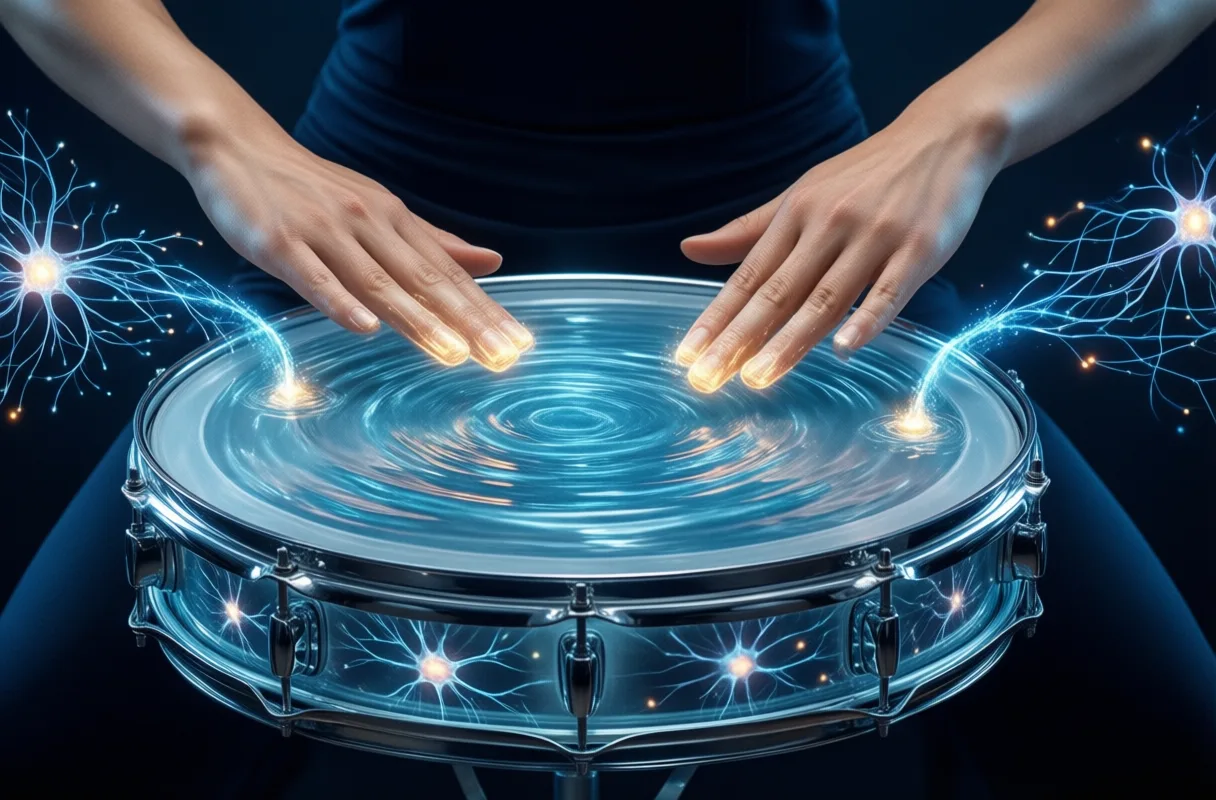
A simple hand drum passed between client and therapist can turn a session into a conversation without words. The act of mirroring rhythms builds trust; improvising together fosters creativity and risk-taking in a safe space. These moments may seem small, but they carry immense weight.
When someone who rarely speaks laughs after nailing a syncopated clap, or a child with autism locks eyes while matching a beat, something shifts. Connection is no longer theoretical-it’s rhythmic, tangible, shared.
Movement also disrupts patterns of withdrawal or rigidity. It invites spontaneity, joy, even surprise. And in that disruption, new neural pathways can form. The body leads, and the mind follows, opening doors that words alone could not.
From Passive Listening to Active Participation
The old model of music therapy often placed the client in the role of listener-receptive, but distant. While calming, this approach can sometimes reinforce passivity, especially for those already struggling with motivation or self-expression.
Now, the emphasis is on Co-creation. Instead of pressing play, therapists press pause on one-way communication. They hand over instruments, invite improvisation, and design rhythmic games that require input. The session becomes less about treatment and more about Togetherness.
This shift changes the emotional dynamic. When a person contributes to the rhythm, they feel seen. Their timing, their Energy, their choices matter. Even a single repeated note on a shaker can become an act of assertion.
Active participation also builds confidence. Success isn’t measured by musical skill, but by engagement. Did they join in? Did they respond? Did they stay present? These are the victories that accumulate into lasting change.
The Role of Anticipation in Therapeutic Rhythm Design
Great music doesn’t just happen-it unfolds. And at the heart of that unfolding is Anticipation. A well-placed pause, a rising tempo, a sudden silence-these moments create tension and release, mirroring the emotional rhythms of life.
Therapists are now using anticipation as a tool. By structuring rhythms with predictable patterns and subtle surprises, they engage the brain’s reward system. The client listens not just with ears, but with expectation.
This predictability-with-variation model is especially effective for individuals with anxiety or trauma. Familiar rhythms provide safety; small changes encourage flexibility. Over time, the nervous system learns to tolerate uncertainty-not as threat, but as possibility.
Anticipation also fosters focus. When a person waits for the next beat, their attention narrows, crowding out distractions. In that focused space, healing can take root. The rhythm becomes a meditation in motion.
Emotional Resonance Through Tempo and Timing
Tempo is more than speed-it’s emotional tone. A slow, steady pulse can feel like a hand on your back during a panic attack. A brisk, bouncy rhythm can lift spirits like sunlight after days of rain.
Therapists carefully match tempo to emotional state, using rhythm as both mirror and guide. They might start with a pace that reflects the client’s current energy, then gradually shift it-like walking beside someone and subtly changing your stride.
Timing, too, plays a crucial role. The space between beats can be as powerful as the beats themselves. A held silence can honor grief; a sudden acceleration can spark joy. These micro-moments shape the emotional arc of a session.
And because rhythm is processed in the same brain regions linked to emotion and memory, these experiences can leave lasting imprints. A rhythm tied to a moment of breakthrough may become an internal resource-something the client can recall, even hum, when facing stress later.
Customizing Rhythmic Interventions for Individual Needs
No two people respond to rhythm the same way. What energizes one may overwhelm another. What soothes a child might bore an adult. That’s why the most effective rhythmic therapy is deeply personalized.
Therapists begin by observing-how does this person move? Do they tap their foot without realizing it? Do they sway to certain songs? These natural rhythms become entry points. The goal isn’t to impose structure, but to Amplify what’s already there.
Some may thrive with complex polyrhythms, while others need simplicity-just one steady beat to hold onto. Age, culture, physical ability, and emotional history all shape how rhythm is received. A drum circle that works for teens might feel chaotic for someone with sensory sensitivities.
Customization also means flexibility. A session might start with slow pulses for grounding, then shift to faster rhythms for expression, then return to calm. The rhythm follows the person, not the other way around.

Beyond the Beat: Integrating Rhythm into Daily Therapeutic Practice
Rhythm shouldn’t be confined to the therapy room. The most powerful interventions are those that extend into daily life-simple, portable, repeatable. A five-minute clapping sequence. A breathing exercise synced to a metronome. A walking rhythm used during transitions.
These micro-practices build resilience. They give clients tools they can use when anxiety strikes or focus fades. Over time, rhythm becomes a self-regulation strategy-something as natural as taking a deep breath.
Therapists are also training caregivers and educators to use rhythm intentionally. A teacher might start class with a call-and-response clap to center students. A parent might use a rhythmic chant to ease bedtime resistance. These small moments add up.
And because rhythm requires no special equipment-just the body and awareness-it’s accessible to nearly everyone. A heartbeat, a footstep, a hand on a table-these are all instruments waiting to be played.
What the Future Holds for Rhythmic Therapy Tools
As our understanding of the brain-body connection deepens, so too will the tools we use to harness rhythm’s power. We’re moving beyond passive listening toward Interactive, adaptive systems That respond in real time to a person’s movements, heart rate, or emotional cues.
Imagine a device that adjusts its pulse based on a client’s breathing, slowing when stress is detected, gently encouraging synchronization. Or software that turns a person’s spontaneous movements into music, turning self-expression into sound.
These innovations won’t replace human connection-they’ll enhance it. The therapist remains the guide, but now with new ways to meet clients where they are. Technology becomes a bridge, not a barrier.
The future of rhythmic therapy isn’t about complexity-it’s about Connection. Whether through a drum, a digital app, or simply two people tapping in sync, the goal remains the same: to help individuals feel more alive, more present, more In rhythm With themselves and the world around them.
More Than Just a Beat: The Story Behind Rhythm Plus
A Name That Moves With the Music
Rhythm Plus isn’t just a catchy name-it reflects a core idea: music therapy works best when rhythm takes the lead. While the exact origins of the name aren’t widely documented, its emphasis on rhythm aligns with growing research showing how strongly our brains respond to beat and timing. This focus helps explain why sessions using rhythmic tools often feel more intuitive and engaging, especially for people who find traditional therapy methods harder to connect with.
Built for Connection, Not Complexity
One of the standout features of Rhythm Plus is how it simplifies group participation. Instead of requiring musical training, it uses accessible instruments and guided patterns that invite everyone in, regardless of skill. This approach turns a therapy session into a shared experience, where syncing up to a common beat can build trust and nonverbal communication. It’s not about playing perfectly-it’s about playing together, and that shift makes a real difference in how people engage.
Rhythm With Real Results
Therapists using Rhythm Plus often report noticeable changes in mood and attention during sessions. The steady pulse helps regulate breathing and movement, which can calm anxiety or energize someone feeling withdrawn. Because rhythm bypasses some of the usual language barriers, it’s especially useful for individuals with autism, dementia, or speech difficulties. It’s not magic-it’s science meeting sound in a way that feels fun, natural, and surprisingly powerful. Explore more stories, videos, and creators on Loaded.
Frequently Asked Questions
What makes rhythm more effective than melody in music therapy?
Rhythm speaks directly to the nervous system, syncing with breath, heartbeat, and movement. It engages the sensorimotor system and encourages physical participation, which can regulate mood and improve coordination.
How does Rhythm Plus improve engagement in therapy sessions?
Rhythm Plus uses accessible instruments and guided patterns that invite participation regardless of skill. It turns therapy into a shared, interactive experience focused on co-creation and connection through rhythm.
Can rhythm help individuals who struggle with verbal communication?
Yes, rhythm offers a universal, nonverbal language. Movement sparked by pulse allows individuals to express themselves without words, fostering connection and emotional breakthroughs.
How is rhythmic therapy personalized for different clients?
Therapists observe natural movement patterns and tailor rhythms to individual needs. Factors like age, culture, emotional state, and sensory sensitivity shape how rhythm is used and adjusted during sessions.
This article was produced with AI assistance. How Reactor Magazine uses AI.
Mireille investigates the emotional engines behind success, from biohacking routines to leadership resilience. Her work weaves scientific insight with intimate profiles, illuminating sustainable drive in high-pressure fields.