

How Your Body Produces Energy - And What Drains It Fast
Your Body Runs on energy produced at the cellular level. This energy comes from converting food into adenosine triphosphate, or ATP, through metabolic processes fueled by oxygen and nutrients. Every heartbeat, breath, and thought depends on this steady supply of usable energy.
But modern life disrupts that supply. Poor sleep patterns, constant digital stimulation, and irregular eating schedules strain your system. These habits don’t just tire you-they interfere with mitochondrial efficiency, the very engine of energy production.
When your cells can’t produce energy efficiently, fatigue sets in-even if you’ve slept eight hours. Blood sugar swings, dehydration, and mental overload act silently, draining reserves before you notice. The result? Afternoon crashes, Brain fog, and a growing reliance on quick fixes.

Why Most People Misunderstand Daily Fatigue
Fatigue is not just about sleep. Many assume an extra hour in bed will fix their low energy, but the real issue often lies in rhythm, not rest. Your energy fluctuates in natural cycles throughout the day, influenced by Light, movement, and food.
Most people treat Energy like A battery they can recharge only by shutting down. They push hard until exhaustion, then wonder why recovery takes days. This all-or-nothing approach ignores the body’s need for consistent input and intelligent pacing.
True stamina comes from alignment-syncing your habits with your biology. When you eat, how you move, and when you expose yourself to light all signal your internal clock. Misalignment creates friction, and Friction burns Energy fast.
What If You Could Reset Your Energy Without Caffeine?
Imagine starting your afternoon with clarity instead of cravings. No jittery crash, no dependency-just steady, sustainable focus. That’s possible when you stop chasing stimulation and start supporting your physiology.
Natural energy resets exist outside the coffee cup. Exposure to bright light within 30 minutes of waking helps regulate cortisol and melatonin, setting a strong tone for the day. A short walk outdoors does more than clear your head-it boosts circulation and oxygen flow to the brain.
Hydration with electrolytes, even in mild deficits, restores cellular function. Pair that with a protein-rich snack and you stabilize blood sugar. These moves don’t mask fatigue-they prevent it from taking root.
- Morning sunlight exposure supports circadian alignment
- Strategic hydration improves cognitive performance
- Protein and fiber balance prevents energy crashes
You don’t need a radical overhaul. Small, science-aligned choices compound into lasting energy resilience.

The Myth of the “Always-On” Lifestyle
Being busy is not the same as being effective. The idea that success demands nonstop action is one of the most costly myths in business today. Hustle culture glorifies burnout, treating exhaustion as a badge of honor.
But high performance isn’t built on endless output. It’s built on recovery, rhythm, and deliberate rest. The human brain operates best in focused bursts, not marathons. After 90 minutes of concentration, mental fatigue begins to rise.
Elite performers know this. They schedule breaks as rigorously as meetings. They protect sleep like a critical asset. They understand that Rest is part of the work, not something to do after it.
When you normalize constant motion, you sacrifice long-term capacity. Short-term gains give way to chronic fatigue, weakened immunity, and decision fatigue. True ambition includes sustainability.
Why Hustle Culture Undermines True Stamina
Hustle culture equates struggle with progress. It tells you to grind through fatigue, ignore signals, and power past limits. But biology doesn’t respond to willpower alone.
Pushing through tiredness forces your body into survival mode. Stress hormones stay elevated, disrupting digestion, sleep, and focus. Over time, this erodes your ability to perform under pressure-exactly when you need it most.
Stamina isn’t forged by doing more. It’s built by recovering better. Recovery allows adaptation, repair, and growth. Without it, every effort costs more than the last.
The most resilient entrepreneurs aren’t the ones working the longest hours. They’re the ones who manage energy like a currency-spending it wisely, protecting it fiercely, and renewing it consistently.
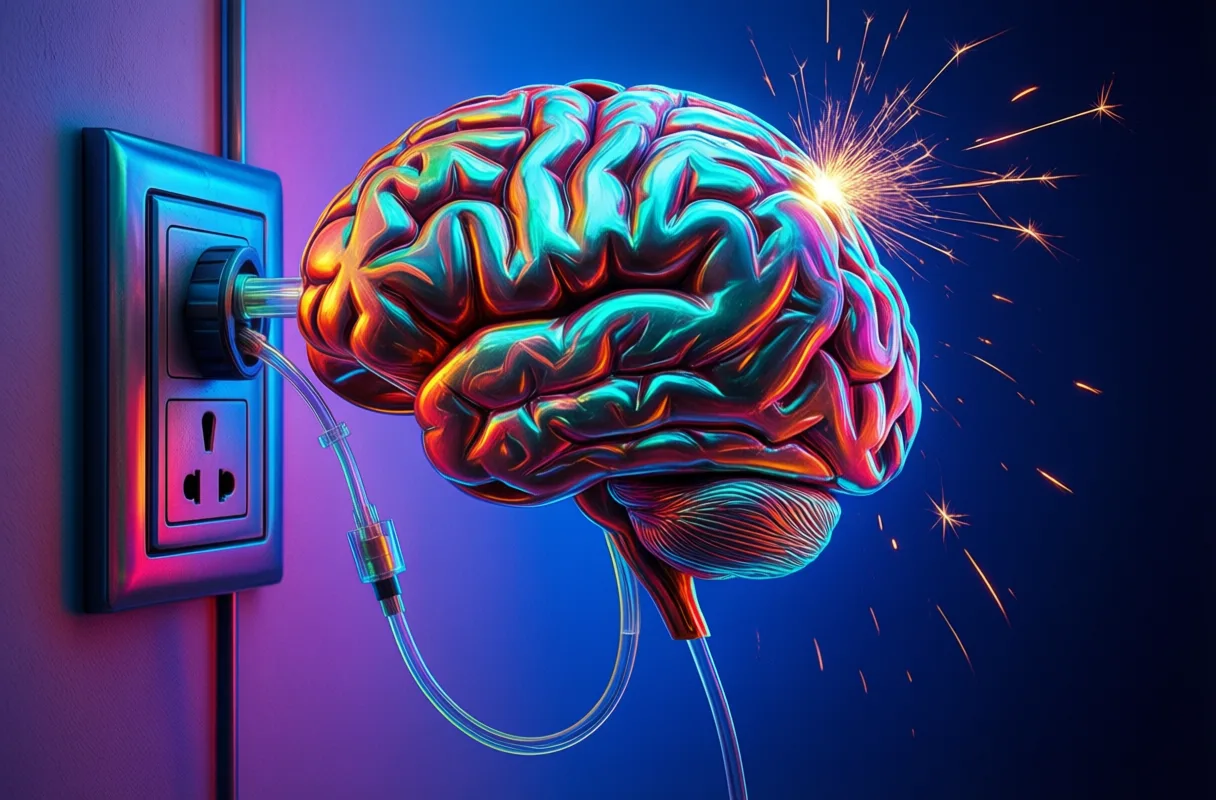
Small Shifts, Big Returns: Making It Work in Real Life
You don’t need more time. You need better rituals. Energy optimization happens in the margins-in what you do first, next, and last each day.
Start with your Morning. Avoid checking email or social media immediately upon waking. Instead, drink water, step outside, and breathe deeply for two minutes. This simple sequence activates your nervous system with intention, not reactivity.
Structure your day around energy peaks. Tackle deep work during your highest focus window-usually within three hours of waking. Save routine tasks for lower-energy periods. Align effort with biology, not arbitrary deadlines.
- Begin the day with light and water, not screens
- Schedule demanding work during peak focus times
- Take a five-minute break every hour to reset
These micro-habits require no extra time, yet they dramatically improve daily output.
One Move That Changes Everything About Your Energy
Go to bed and wake up at the same time-every day. Weekends included. This single habit does more to stabilize energy than any supplement, workout, or productivity hack.
Consistency anchors your circadian rhythm. It regulates hormone release, body temperature, and metabolism on a predictable schedule. When your body knows when to expect sleep, it prepares earlier, falling asleep faster and waking easier.
Over time, this builds sleep pressure correctly, increasing deep sleep quality. You wake feeling restored, not rescued. Mental clarity, emotional control, and physical energy all improve as a result.
No other change delivers such widespread benefits with so little effort. It’s not glamorous. It’s not viral. But it’s foundational.
Energy isn’t something you find. It’s something you design. And the blueprint starts with rhythm.
Small Tweaks, Big Energy
Morning Light, Big Payoff
Kicking off your day with natural light isn’t just a mood booster-it’s a core biohacking staple for energy. Exposure to sunlight within the first hour of waking helps reset your circadian rhythm, signaling your body to stop producing melatonin and start ramping up cortisol (the healthy morning kind) and alertness. Even on cloudy days, outdoor light is significantly brighter than indoor lighting, making a short walk or coffee by an open window a simple, no-cost way to sync your internal clock.
The Power of the Power-Down
Most people focus on energy boosts, but strategic recovery is equally vital. Short naps-around 10 to 20 minutes-can sharpen focus and reduce fatigue without grogginess. This sweet spot avoids deep sleep cycles, letting you wake up refreshed. Pair that with deliberate breathing techniques, like box breathing (inhale for four, hold for four, exhale for four, hold for four), to calm your nervous system during midday slumps. These aren’t quick fixes; they work with your biology to sustain energy, not just spike it.
Cold Starts, Warm Results
Splashing cold water on your face or taking a brief cool shower in the morning does more than wake you up-it triggers a physiological response that increases heart rate and alertness. This mild stress activates the sympathetic nervous system and releases norepinephrine, a neurotransmitter linked to focus and energy. It’s a low-effort habit with a surprisingly strong impact, and many long-term practitioners report better mood and stamina over time. Explore more stories, videos, and creators on Loaded.
Frequently Asked Questions
What is ATP and why is it important for energy?
ATP, or adenosine triphosphate, is the cellular energy source produced from food, oxygen, and nutrients. It powers every heartbeat, breath, and thought in the body.
How does morning sunlight affect daily energy levels?
Exposure to bright light within 30 minutes of waking helps regulate cortisol and melatonin, supporting circadian alignment and setting a strong tone for the day.
What are effective ways to prevent afternoon energy crashes?
Staying hydrated with electrolytes, eating a protein-rich snack, and taking short walks outdoors can stabilize blood sugar and boost circulation to prevent crashes.
Why is consistent sleep timing important for energy?
Going to bed and waking up at the same time every day anchors your circadian rhythm, improving sleep quality, mental clarity, and physical energy over time.
This article was produced with AI assistance. How Reactor Magazine uses AI.
Jessa explores the evolving intersection of artificial intelligence and daily business innovation, focusing on ethical design and scalable solutions. She translates complex systems into actionable insights, emphasizing human impact over technical jargon.