

Every morning, your body wakes up to an invisible symphony-trillions of cells humming with repair, renewal, and resilience. Beneath the surface, silent messengers are at work, orchestrating recovery from stress, sleep, and time itself. For those chasing Peak performance, this quiet cellular conversation is no longer something to leave to chance.
What Are Peptides and Why Are They Gaining Attention in Biohacking?
Peptides are short chains of amino acids, the building blocks of proteins, Naturally Occurring in every living cell. Unlike full proteins, their smaller size allows them to cross biological barriers more easily, delivering targeted signals that influence how cells behave. Think of them as precision notes passed between conductors in the grand orchestra of your physiology-each one prompting a specific response, like tissue repair or immune modulation.
In recent years, peptides have captured the imagination of biohackers-individuals optimizing their biology for greater energy, focus, and longevity. These innovators see peptides not as miracle cures, but as tools to support the body’s innate ability to heal and regenerate. With modern lifestyles taxing our systems daily, many high-performers are exploring how these molecular messengers can tip the balance toward sustained vitality.
The rise of interest isn’t just about chasing youth-it’s about reclaiming agency over Health. When you're leading teams, launching ventures, or scaling businesses, your body must keep pace with relentless demands. Peptides offer a way to potentially enhance recovery, sharpen mental clarity, and maintain resilience through seasons of intense effort.
The Science of Cellular Regeneration: How Peptides Influence Repair Mechanisms
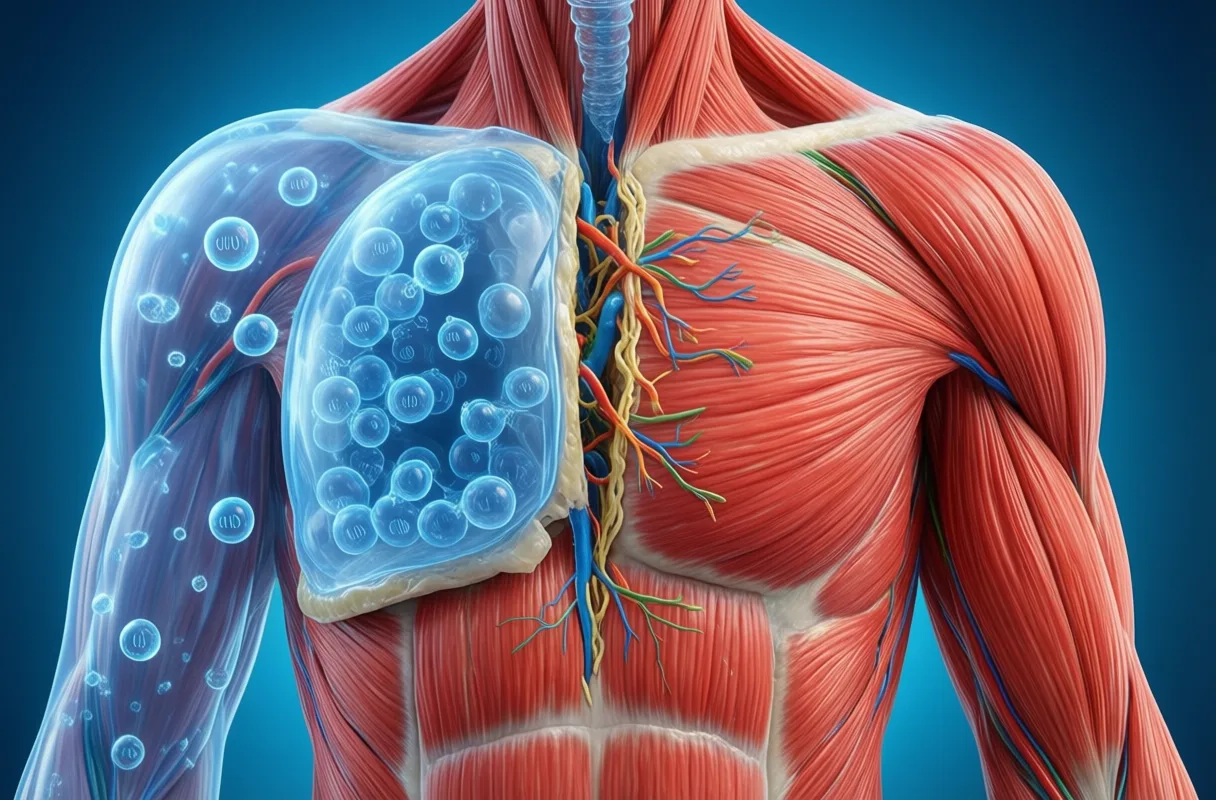
At the heart of regeneration lies communication-cells constantly signaling to one another about damage, growth, and replacement. Peptides act as biochemical couriers, binding to receptors on cell surfaces and triggering cascades that initiate repair processes. Some stimulate collagen production; others activate stem cells or modulate inflammation, creating conditions where healing can thrive.
One of the most profound roles peptides play is in supporting tissue restoration after injury or wear. Whether it's muscle microtears from training, cognitive fatigue from long decision cycles, or joint stress from constant movement, certain peptides may help accelerate recovery by enhancing blood flow and cellular turnover. This isn’t about bypassing rest-it’s about making recovery more efficient.
Consider the entrepreneur who trains before dawn, leads back-to-back meetings, and still wants to feel sharp at nightfall. Their body is under continuous demand. By influencing pathways related to mitochondrial function and protein synthesis, select peptides may help sustain cellular energy and reduce downtime. It’s not magic-it’s biology, finely tuned.

Common Peptides Used in Regenerative Biohacking Protocols
Several peptides have emerged as staples in regenerative-focused protocols due to their observed effects on repair and homeostasis. These include compounds known for supporting connective tissue health, cognitive function, and Metabolic balance-all critical domains for driven professionals.
- Thymosin beta-4 (TB-500) Is recognized for its role in promoting cell migration and angiogenesis-the formation of new blood vessels-supporting soft tissue healing.
- BPC-157, derived from a protein found in gastric juice, has been studied for its potential to aid in gut integrity and musculoskeletal recovery.
- CJC-1295 and Ipamorelin Are often paired for their synergistic influence on growth hormone release, which plays a role in muscle maintenance, fat metabolism, and sleep quality.
Each of these works through distinct mechanisms, yet they share a common thread: they aim to amplify the body’s natural rhythms rather than override them. Users often report improved joint comfort, faster workout recovery, and deeper sleep-benefits that compound over time when aligned with lifestyle discipline.
Still, no peptide operates in isolation. Their impact is shaped by diet, stress levels, sleep quality, and genetic predisposition. Success doesn’t come from a vial alone-it comes from integrating these tools into a life designed for resilience.
Navigating Safety: Risks, Purity, and Responsible Sourcing
While peptides Hold promise, they are not without risk-and safety begins long before the first dose. Because they influence powerful physiological systems, improper use can lead to unintended consequences, including hormonal imbalances or immune reactions. Even subtle shifts in signaling pathways can ripple across multiple body functions.
Purity is another critical concern. Without standardized manufacturing oversight, some products may contain contaminants, incorrect concentrations, or inactive ingredients. A compromised batch could do nothing-or worse, trigger adverse responses. That’s why sourcing from reputable providers who provide third-party testing is essential, even if it means higher cost or longer wait times.
Responsible use also means starting low, going slow, and tracking outcomes. Self-experimentation should never mean recklessness. Just as you wouldn’t launch a business without market research, you shouldn’t begin a peptide protocol without understanding baseline health markers and having medical guidance.
Legal and Regulatory Realities of Peptide Use Outside Clinical Settings
Most peptides used in biohacking exist in a gray area-they are not approved for general consumer use but are available for research purposes. This distinction creates confusion, as individuals may access them legally only under specific conditions, typically outside mainstream healthcare channels.
In many regions, possession or use of certain peptides for personal wellness falls into regulatory ambiguity. While enforcement varies, the lack of formal approval means there’s no guarantee of safety, efficacy, or consistency across suppliers. Buyers assume full responsibility for both legal and health implications.
This landscape underscores the importance of informed decision-making. Operating in unregulated spaces requires extra diligence-reading labels carefully, verifying lab results, and staying updated on evolving policies. Knowledge becomes your first line of defense.
Misconceptions About Peptide “Quick Fixes” and Long-Term Efficacy
Too often, peptides are portrayed as shortcuts-elixirs that erase aging or deliver overnight transformation. This myth sets people up for disappointment and misuse. No peptide can compensate for chronic sleep deprivation, poor nutrition, or emotional burnout.
Real change unfolds gradually, layer by layer, like rings forming in a tree. Peptides may support regeneration, but they don’t replace the foundational habits of high performers: consistent movement, mindful recovery, and purpose-driven living. Expecting miracles leads to frustration; expecting synergy leads to sustainable progress.
Long-term efficacy remains an open question, as robust clinical data in healthy populations is limited. Most evidence comes from small studies, animal models, or anecdotal reports. That doesn’t invalidate their potential-but it does call for humility and patience.
True biohacking isn’t about chasing trends. It’s about listening deeply to your body and responding with intention. When approached this way, peptides become part of a larger strategy-not the centerpiece.
Integrating Peptides into a Holistic Health Framework
Peak performance isn’t built on isolated interventions-it’s forged through alignment. Nutrition fuels the engine, movement strengthens the structure, and recovery renews the system. Peptides, when used wisely, can complement this ecosystem by supporting internal repair processes.
Imagine your health as a high-performance vehicle. You wouldn’t install an advanced fuel injector without maintaining the oil, tires, and battery. Similarly, introducing peptides without addressing sleep, stress, and micronutrient status limits their effectiveness-and risks imbalance.
A holistic framework starts with self-awareness: tracking energy levels, mood, digestion, and physical performance. From there, strategic additions like peptides can be layered in-with the understanding that they serve the whole, not dominate it. Sustainability comes from integration, not intervention.

Practical Steps for Starting a Peptide Protocol with Medical Oversight
Before considering any peptide, consult a qualified healthcare provider familiar with regenerative therapies. Full transparency ensures safety, especially if you’re managing existing conditions or taking other medications. Your doctor can help assess whether this path aligns with your health profile.
Begin by clarifying your goals: Is it joint recovery? Sleep depth? Muscle retention during travel? Clear intentions guide appropriate choices and prevent haphazard experimentation. Then, establish baseline metrics-blood work, inflammation markers, sleep tracking-to measure change objectively.
Once cleared medically: 1. Choose one peptide at a time to assess individual response. 2. Source from vendors providing verifiable purity testing. 3. Follow dosing guidelines conservatively, adjusting only after observation. 4. Schedule regular follow-ups with your practitioner to review results and side effects.
Discipline here mirrors discipline in business: test, measure, iterate. There’s no prize for being first-only for being consistent and wise.
Monitoring Response and Adjusting for Individual Biochemical Uniqueness
No two bodies respond identically. Genetics, microbiome composition, lifestyle stressors, and environmental exposures all shape how a person metabolizes and benefits from peptides. What works brilliantly for one may do little-or cause discomfort-for another.
Tracking is non-negotiable. Keep a journal noting energy, mood, sleep quality, physical sensations, and any anomalies. Pair subjective insights with objective data: changes in lab values, body composition scans, or wearable device readings. Patterns emerge only when you pay attention.
Adjustments should be deliberate, not reactive. If results plateau or side effects arise, pause and reassess. Sometimes less is more. Other times, shifting timing or delivery method (subcutaneous vs. Oral) makes a meaningful difference.
Your body speaks constantly-if you learn to listen, it will tell you exactly what it needs.
Beyond the Hype: A Grounded Path to Sustainable Cellular Renewal
The allure of biohacking is real-especially when you’re striving to outpace competition, build legacy, and live fully. But lasting transformation doesn’t come from chasing the next breakthrough. It comes from honoring the wisdom already within you.
Peptides are not magic bullets. They are tools-one part of a much larger journey toward vitality, presence, and enduring impact. Used with respect, they may help extend your peak years, deepen your resilience, and protect your capacity to create.
But the greatest leverage still lies in the fundamentals: breath, movement, connection, purpose. These cannot be injected. They must be lived.
So move forward with curiosity, yes-but also with caution, clarity, and care. In the pursuit of regeneration, the most powerful force remains You: awake, aware, and choosing growth, one conscious step at a time.
| Peptide | Primary Function | Delivery Method | Key Consideration |
|---|---|---|---|
| Thymosin beta-4 (TB-500) | Promotes cell migration and angiogenesis | Subcutaneous injection | Supports soft tissue healing |
| BPC-157 | Aids gut integrity and musculoskeletal recovery | Subcutaneous injection | Derived from gastric juice protein |
| CJC-1295 + Ipamorelin | Stimulates growth hormone release | Subcutaneous injection | Impacts muscle, fat, and sleep quality |
Peptides: Nature’s Tiny Messengers with Big Potential
The Body’s Built-In Signaling Squad
Peptides are short chains of amino acids, the building blocks of proteins, and they’re already hard at work inside you. Think of them as molecular text messages-small, fast, and specific-telling your cells what to do, from healing tissue to regulating hormones. Your body naturally produces thousands of different peptides, each with a particular job, like turning on repair mode after an injury or helping your immune system respond to threats. Because they’re part of your body’s normal communication system, researchers are exploring how introducing specific peptides might support natural regeneration processes.
From Frogs to Lab Benches
Some peptides used in research today have surprising origins. For example, certain regenerative peptides were first identified in the skin secretions of frogs, where they help protect against infection in the wild. Scientists then studied their structure and replicated them in the lab to explore potential effects on human tissue repair. This blend of natural discovery and modern science shows how bio-inspired solutions can emerge from unexpected places. While not all peptides are derived from animals, this cross-species insight highlights the clever ways researchers uncover new tools for cellular health.
Stability and Delivery: The Practical Side
Peptides are delicate-many break down quickly in the digestive tract, which is why some are designed for subcutaneous injection rather than oral use. Others are being developed with protective modifications to improve absorption. Storage matters too; most require refrigeration to maintain their structure and effectiveness. Handling and timing can influence results, so understanding the specifics of each peptide is key. This isn’t about quick fixes, but working with biology’s rhythms to support long-term cellular function. Explore more stories, videos, and creators on Loaded.
Frequently Asked Questions
What are peptides and how do they work in the body?
Peptides are short chains of amino acids that act as molecular messengers, signaling cells to perform specific functions like tissue repair or immune regulation. Their small size allows them to cross biological barriers and deliver targeted instructions to cells.
Which peptides are commonly used for cellular regeneration?
Commonly used peptides include Thymosin beta-4 (TB-500) for soft tissue healing, BPC-157 for gut and musculoskeletal recovery, and CJC-1295 with Ipamorelin for growth hormone release related to muscle, fat, and sleep.
Are peptides safe to use outside clinical settings?
Safety depends on proper sourcing, purity, and medical oversight. Without standardized manufacturing, some products may be contaminated or ineffective. Responsible use includes third-party tested sources, starting with low doses, and consulting a healthcare provider.
Can peptides replace healthy lifestyle habits?
No peptide can compensate for poor sleep, nutrition, or chronic stress. They are intended to support the body’s natural regeneration processes but must be integrated into a holistic health framework that includes foundational wellness practices.
This article was produced with AI assistance. How Reactor Magazine uses AI.
Mireille investigates the emotional engines behind success, from biohacking routines to leadership resilience. Her work weaves scientific insight with intimate profiles, illuminating sustainable drive in high-pressure fields.