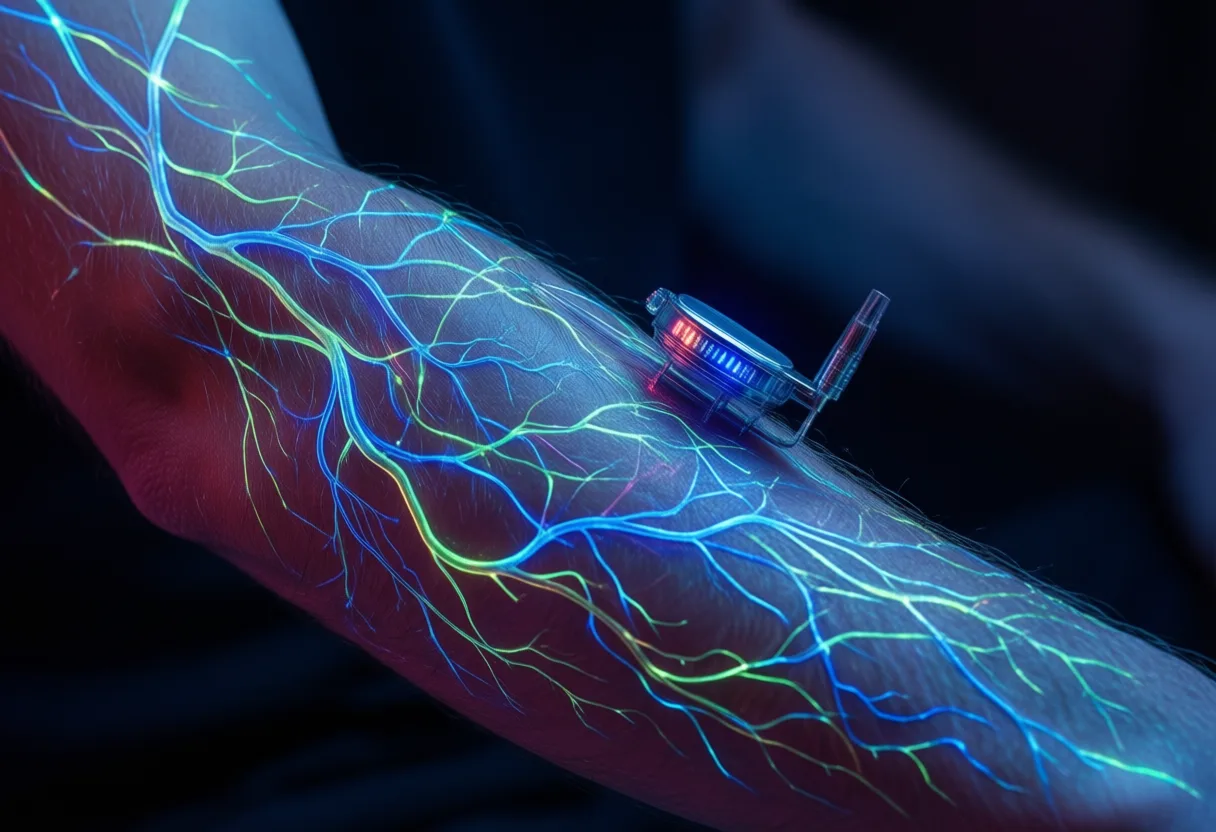

Great sleep and Steady energy Aren’t luxuries. For high-performing entrepreneurs, they’re non-negotiables. The best leaders don’t just manage their time-they optimize their biology.
Rethinking Rest and Resilience
Success isn’t just about hustle. It’s about Recovery. The most effective people know that performance peaks when the body is aligned, not exhausted.
Sleep Isn’t downtime. It’s recalibration. During deep rest, the brain clears toxins, the immune system strengthens, and energy reserves rebuild. Without quality sleep, decision-making slows, focus fades, and emotional control slips.
Energy isn’t just about caffeine or willpower. It’s a biological output. When your circadian rhythm is disrupted, your mitochondria underperform, and your hormones fall out of sync, fatigue sets in-no matter how strong your mindset.
You can’t outwork poor biology. But you can redesign it.

Small Shifts, Big Gains
Biohacking isn’t about extreme experiments. It’s about intentional, science-backed adjustments that support natural function. The goal isn’t perfection-it’s consistency.
Start with light. Morning sunlight within 30 minutes of waking resets your internal clock. This simple act regulates melatonin, sharpens alertness, and improves sleep onset at night. No special device needed-just exposure.
Temperature matters more than most realize. A cooler bedroom-around 65°F (18°C)-supports deeper sleep. Warming your feet before bed can help, too, by signaling your core to release heat.
Hydration and timing go hand in hand. Drink water early, not late. Avoid large volumes two hours before bed to prevent disruptions. Electrolyte balance supports nerve function and cellular energy-especially if you’re active or under stress.
Consider these daily levers: - Wake with the sun or use a daylight-simulating lamp - Avoid blue light from screens one hour before bed - Eat your last meal at least three hours before sleep - Practice 5 minutes of breathwork to shift into rest mode
Fueling Performance from Within
What you eat shapes how you feel. Stable blood sugar means stable energy. Spikes and crashes sabotage focus and mood-especially during long workdays.
Prioritize whole foods with fiber, healthy fats, and clean protein. These nutrients digest slowly, providing sustained fuel. Avoid processed carbs and sugary snacks-they deliver quick energy followed by a steep drop.
Timing your meals strengthens your rhythm. Eating within a consistent window-say, 8 a.m. To 6 p.m.-can improve sleep quality and boost daytime alertness. This approach, often called time-restricted eating, aligns with natural metabolic cycles.
Some find benefit in morning hydration with lemon or salt-this supports electrolyte balance and wakefulness. Others use herbal adaptogens like ashwagandha or rhodiola to manage stress, though individual responses vary.
The key is experimentation with purpose. Track how you feel. Adjust one variable at a time. Notice changes in mental clarity, sleep depth, and afternoon energy.

Movement as Medicine
Exercise isn’t just for fitness. It’s a powerful regulator of sleep and energy. But timing and type matter.
Morning movement-especially outdoors-amplifies alertness and sets circadian tone. Even 10 minutes of stretching or walking increases blood flow and sharpens focus.
Strength training builds resilience. It improves insulin sensitivity, supports hormone balance, and enhances mitochondrial function. More mitochondria mean more cellular energy-exactly what your brain and muscles need.
Evening movement should be gentle. Intense workouts late in the day can delay sleep by raising core temperature and stimulating cortisol. Opt for yoga, walking, or mobility drills instead.
Movement breaks during work hours prevent energy dips. Stand every 30 minutes. Take a two-minute walk every hour. These micro-shifts maintain circulation and mental stamina.

The Mind-Body Advantage
Stress doesn’t just wear you down-it rewires you. Chronic pressure disrupts sleep, drains energy, and clouds judgment. The solution isn’t escape. It’s regulation.
Breathwork is one of the fastest tools available. Box breathing-inhale four seconds, hold four, exhale four, hold four-triggers the parasympathetic nervous system. It calms the mind in real time.
Meditation builds long-term resilience. Ten minutes a day can reduce anxiety, improve focus, and deepen sleep quality. Use an app or timer-consistency matters more than duration.
Journaling clears mental clutter. Writing down tasks, worries, or wins before bed reduces cognitive arousal. It creates closure, making it easier to transition into rest.
Your nervous system responds to rhythm. When you create daily rituals-morning light, midday movement, evening wind-down-you train your biology to expect and deliver peak performance.
Sustainable Edge for Ambitious Leaders
You don’t need a lab or a six-figure budget to upgrade your biology. The most effective biohacking treatments are simple, repeatable, and rooted in nature.
Sleep and energy are not fixed traits. They are skills. They can be trained, refined, and mastered-just like leadership, negotiation, or strategy.
Start small. Pick one change. Master it. Then build. The compound effect of aligned biology is unmatched-sharper thinking, stronger resilience, and sustained drive.
The future belongs to those who optimize from within. Not with shortcuts-but with science, rhythm, and relentless consistency.
Small Tweaks, Big Gains
Light, Temperature, and Your Inner Clock
Your body’s natural rhythm loves consistency-and it really notices the light you’re exposed to. Spending just 10–15 minutes outside in morning sunlight can help reset your circadian clock, making it easier to fall asleep at night and wake up feeling refreshed. On the flip side, blue light from screens after dark tricks your brain into thinking it’s still daytime, delaying melatonin release. Dimming lights and switching to warm-toned bulbs in the evening supports a smoother wind-down.
Ever notice how you sleep better in a cool room? That’s not a coincidence. Core body temperature drops naturally before bedtime, and keeping your bedroom around 65°F (18°C) aligns with that shift. Some people even use cooling mattress pads or weighted blankets designed to regulate heat, helping them stay in deep sleep longer.
Hacks You Can Try Tonight
Hydration plays a quiet but powerful role in energy and rest. Even mild dehydration can lead to fatigue and brain fog during the day, while drinking too much right before bed can interrupt sleep with bathroom trips. Spacing water intake evenly through the day works better than chugging late in the evening.
Another simple trick: try breathing exercises. The physiological sigh-two quick inhales through the nose followed by a long exhale through the mouth-is a fast way to calm your nervous system. It’s been shown to reduce stress quickly, making it easier to drift off or regain focus during a midday slump. No gear, no app, just breath. Explore more stories, videos, and creators on Loaded.
Frequently Asked Questions
How does morning sunlight improve sleep?
Morning sunlight within 30 minutes of waking resets your internal clock. It regulates melatonin, sharpens alertness, and improves sleep onset at night.
What is the ideal bedroom temperature for better sleep?
A cooler bedroom around 65°F (18°C) supports deeper sleep. This aligns with the natural drop in core body temperature before bedtime.
How does breathwork help with stress and sleep?
Box breathing and the physiological sigh calm the nervous system. They reduce stress quickly and make it easier to drift off or regain focus.
Can diet affect energy levels and sleep quality?
Yes. Stable blood sugar from whole foods with fiber, healthy fats, and clean protein provides sustained energy. Eating within a consistent window improves sleep and alertness.
This article was produced with AI assistance. How Reactor Magazine uses AI.
Jessa explores the evolving intersection of artificial intelligence and daily business innovation, focusing on ethical design and scalable solutions. She translates complex systems into actionable insights, emphasizing human impact over technical jargon.