
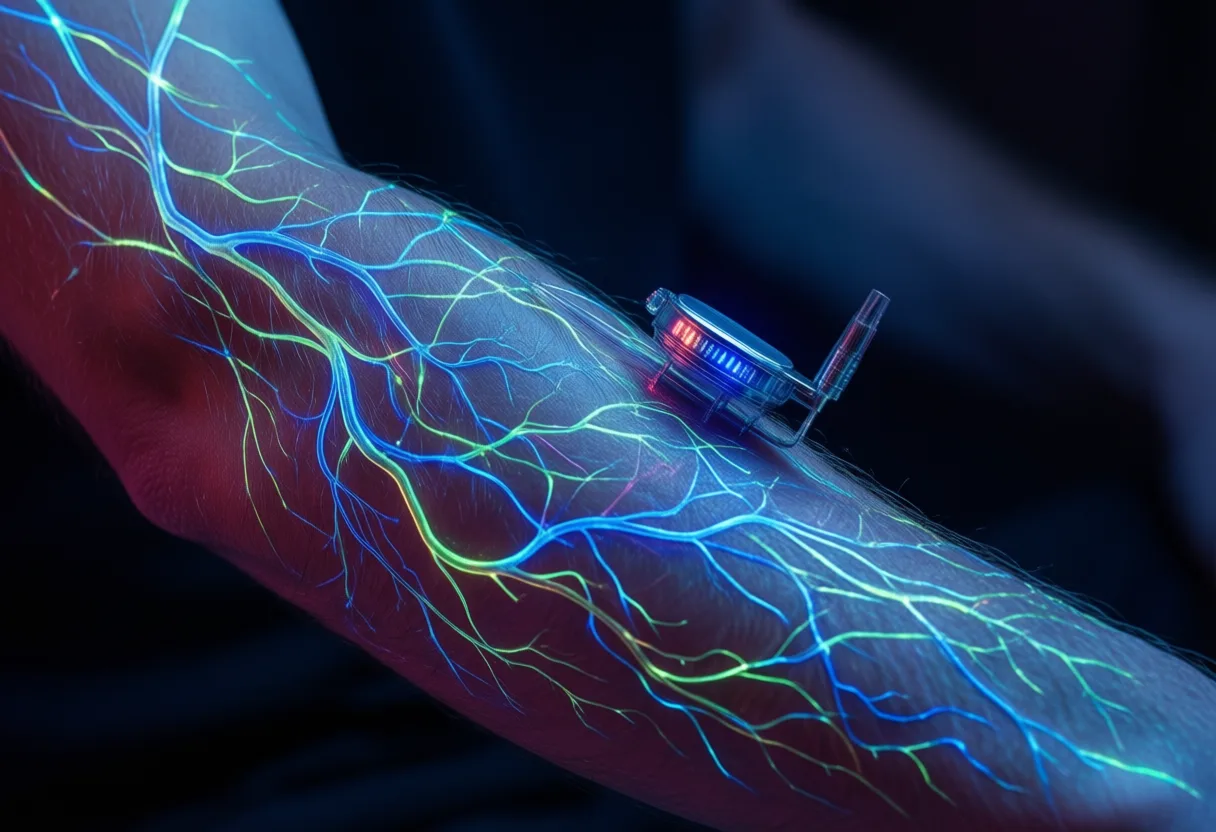
What Happens When You Turn Your Body Into a Science Experiment?
The Data-Driven Quest for Optimal Health
Imagine treating your Body like A high-performance engine-tuned not by guesswork, but by real-time feedback from within. This is the quiet revolution unfolding in living rooms and home offices, where professionals are stepping into the role of both scientist and subject. They’re no longer waiting for annual checkups or symptoms to escalate. Instead, they’re Measuring, adjusting, and responding With the precision of an entrepreneur optimizing a business model.
The shift begins with curiosity: What if fatigue isn’t just stress? What if Brain fog Has a biological signature? These questions spark a journey into personal biology, where blood panels, wearable sensors, and daily logs become tools of self-discovery. Each data point is a clue-like customer feedback in a startup-guiding small but powerful pivots in behavior. Over time, patterns emerge that traditional medicine might overlook in a fifteen-minute consultation.
This isn’t about chasing extremes or adopting unproven protocols. It’s about Listening more closely to the signals your body already sends-signals most of us have learned to ignore amid deadlines and responsibilities. Entrepreneurs, in particular, understand iteration: launch, measure, refine. Now, they’re applying that same mindset to their health, turning abstract wellness goals into tangible, trackable outcomes.
Why Numbers Alone Can’t Define Wellness
A Closer Look at Personal Biomarkers
Data can feel like truth-clean, objective, undeniable. But numbers don’t tell the Whole story. A low cortisol reading might suggest calm, yet someone could still feel emotionally drained. High sleep duration on a tracker doesn’t guarantee restorative rest if dreams are fragmented or waking feels heavy. Biomarkers are signposts, not destinations, and interpreting them requires context only you can provide.
Consider heart rate variability (HRV), often hailed as a gold standard for recovery and resilience. One day it may drop sharply after a big presentation, even if you felt confident. Was it mental strain? Dehydration? Poor sleep the night before? The number flags a shift, but The meaning lives in the details around it-your mood, schedule, and physical sensations. Without journaling those nuances, data becomes noise.
That’s why the most insightful self-trackers pair metrics with mindfulness. They don’t just record-they reflect.
- Did my Energy dip After lunch because of glucose spikes-or because I skipped breakfast?
- Is my focus lagging due to hydration, screen fatigue, or emotional overload?
These layered insights turn cold data into warm wisdom, bridging biology and lived experience.
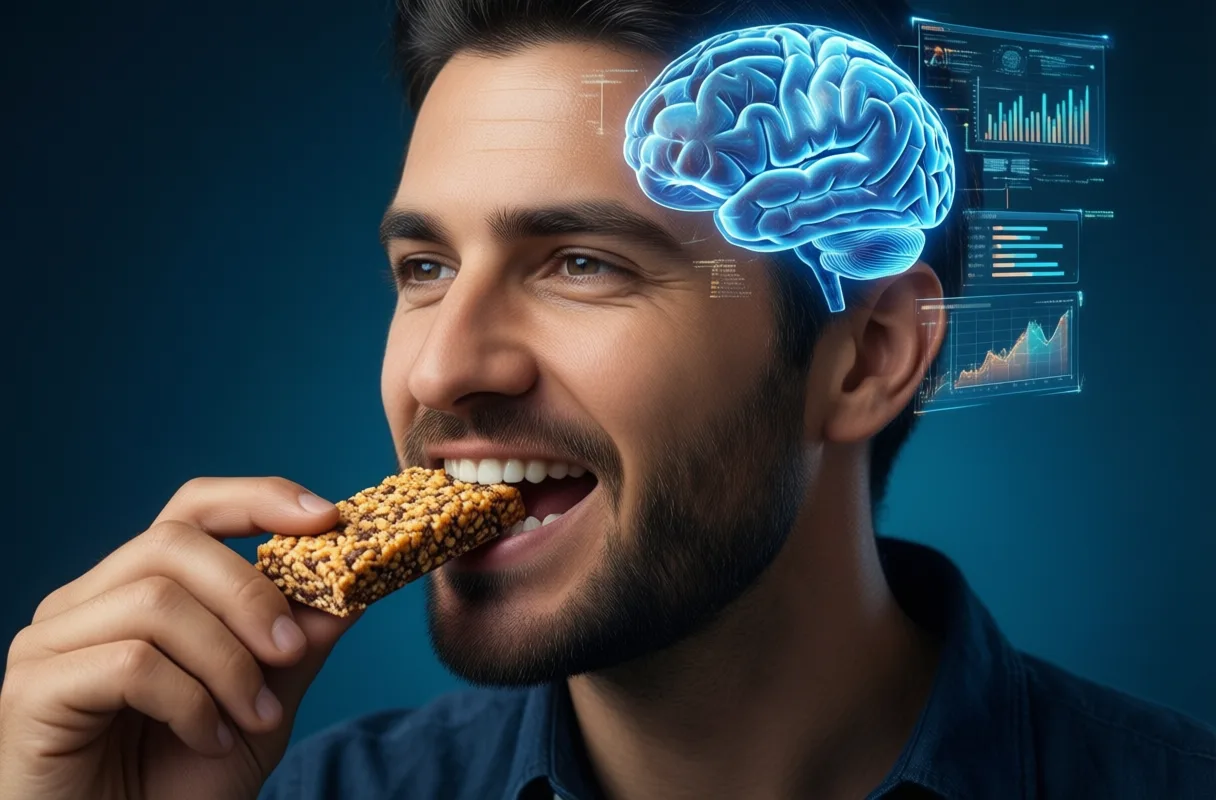
How One Person’s Baseline Became a Blueprint
Tracking Sleep, Energy, and Cognitive Performance
It Starts With a baseline-a snapshot of how things are before any changes. For one professional, this meant wearing a device for two weeks without altering routines. Sleep was logged, energy rated hourly, and simple cognitive tests taken each morning. At first, nothing seemed unusual: eight hours in bed, moderate caffeine use, regular workouts. But the data painted a different picture.
Sleep efficiency hovered around 82%-meaning nearly an hour lost each night to restlessness. Energy peaked mid-morning, crashed after meals, and never fully recovered. Focus scores dipped consistently by 3 p.m., no matter the workload. These weren’t anomalies; they were Patterns etched into daily rhythm, invisible until measured.
So adjustments began:
- Lights dimmed by 9 p.m., screens off by 10
- Protein-rich breakfast replaced toast and jam
- Ten-minute walks added after lunch
Within three weeks, sleep efficiency climbed to 91%. Energy fluctuations smoothed. Focus held steady through afternoon meetings. The blueprint wasn’t built on theory-it emerged from Consistent observation and incremental change, proving that small shifts compound faster than we think.
The Surprising Role of Gut Microbiome Analysis
Unlocking Patterns in Digestion and Mood
Few systems are as quietly influential as the gut. Once seen only as a digestive organ, it’s now understood as a hub of communication-sending signals that shape energy, immunity, and even emotional tone. When one individual explored their gut microbiome, the results revealed imbalances linked to common discomforts they’d long dismissed: bloating, afternoon sluggishness, occasional anxiety.
What stood out wasn’t a single “bad” bacteria, but a lack of diversity-the microbial equivalent of a one-dimensional team. Without variety, resilience suffers. Just as a business needs specialists in finance, marketing, and operations, the gut thrives on a mix of microbes performing different roles. Diversity supports stability, helping regulate inflammation, nutrient absorption, and neurotransmitter production.
Armed with this insight, dietary tweaks followed:
- Fermented foods introduced four times a week
- Fiber intake doubled through vegetables and seeds
- Artificial sweeteners quietly phased out
Over time, digestion improved-not perfectly, but noticeably. More surprising? Mood swings softened. Anxiety didn’t vanish, but its grip loosened. It wasn’t magic-it was Alignment, the result of feeding the inner ecosystem what it needed to function.

When Wearables Reveal What Doctors Miss
Heart Rate Variability and Stress Signals
Standard medical visits focus on thresholds: blood pressure under 120/80, cholesterol below X, BMI within range. But what happens in the gray zone-when everything is “normal,” yet something feels off? That’s where continuous monitoring steps in, capturing subtle shifts invisible during a single office visit.
One executive noticed her HRV had been declining for five days straight-despite feeling fine. No illness, no major stressors. Yet her body was signaling strain. Digging deeper, she realized she’d cut sleep to five hours for consecutive nights while preparing for a pitch. Her conscious mind adapted. Her nervous system did not.
Wearables don’t diagnose-but they Highlight deviations from your norm, offering early warnings before burnout or illness takes hold. Other signals began to align: resting heart rate crept up, sleep onset slowed, irritability increased. Together, these formed a pattern her doctor wouldn’t have seen without a month’s worth of data.
She adjusted:
- Committed to 7+ hours of sleep
- Added five minutes of breathwork before bed
- Scheduled buffer time between calls
Within a week, HRV rebounded. The lesson? Your body speaks in whispers before it shouts. Modern tools simply help you hear it.
Diet Adjustments That Followed Real-Time Feedback
From Blood Glucose Spikes to Sustained Energy
Energy crashes after meals used to be routine-especially following client lunches heavy in refined carbs. The usual response? Another coffee, a snack, push through. But when continuous glucose monitoring entered the picture, the cause became unmistakable: sharp spikes followed by steep drops, mirroring the exact moments focus faded.
Seeing the graph made it personal. That sandwich wasn’t just food-it was a biochemical event. And the data showed clearly: meals balanced in protein, fat, and fiber led to gentle curves, not rollercoasters. Stable glucose meant stable performance, fewer cravings, and sustained mental clarity.
Changes weren’t drastic, but deliberate:
- Swapped white bread for sprouted grain or lettuce wraps
- Added avocado or olive oil to every meal
- Ate fruit with nuts to slow sugar absorption
The result? Fewer energy dips, less reliance on caffeine, and a newfound sense of control. It wasn’t about restriction-it was about Choosing foods that served ambition, fueling not just the body, but the drive behind it.
The Limits of Self-Experimentation
False Positives, Placebo Effects, and Overinterpretation
Not every insight holds up. Some correlations fade with time. Others turn out to be coincidences masked as causation. One person swore their focus improved after taking a supplement-only to realize, during a blind test, that the effect disappeared when they didn’t know which pill they were taking. The mind, especially a driven one, Wants progress so badly it can invent it.
There’s also the risk of obsession. Tracking every heartbeat, meal, and micro-nutrient can become its own stressor. The goal isn’t perfection-it’s awareness. And sometimes, the most valuable data point is knowing when to stop measuring and start living.
Self-experimentation works best when grounded in humility:
- Accept that some days won’t fit the pattern
- Recognize that placebo effects are real, even if not “scientific”
- Trust that progress isn’t always linear
The danger isn’t in collecting data-it’s in letting it Override intuition and joy. Health isn’t a dashboard. It’s a dynamic, breathing expression of how you move through the world.

What This Means for the Future of Preventive Care
Empowerment Without Overpromising
We’re entering an era where individuals don’t just participate in their health-they lead it. With accessible tools and growing awareness, preventive care is shifting from clinics to daily life. This isn’t about replacing doctors. It’s about Showing up prepared, armed with insights that make conversations with providers deeper, more informed, more collaborative.
Entrepreneurs get this. They know that the best businesses aren’t reactive-they anticipate, adapt, and innovate. The same mindset applies to the body. Waiting for problems to arise is like waiting for revenue to crash before checking financials. Proactivity is protection.
But empowerment must be balanced with realism:
- Not every test offers actionable insight
- More data doesn’t always mean better decisions
- True wellness includes grace, not just optimization
The future belongs to those who use data wisely-not as a crutch, but as a compass.
Beyond the Hype: Sustainable Habits Over Quick Fixes
The biohacking movement has attracted buzz, bold claims, and boutique gadgets. But beneath the noise lies a quiet truth: lasting change comes not from extreme protocols, but from Small, repeatable choices Made consistently over time. The most powerful interventions aren’t lab-grown supplements or futuristic devices-they’re sleep, nourishment, movement, and presence.
When data reveals a misalignment, the solution often circles back to basics. Hydrate. Breathe. Connect. Rest. These aren’t flashy, but they’re foundational. And for ambitious minds wired to achieve, sometimes the bravest act is slowing down enough to listen.
Because in the end, the body isn’t a machine to be hacked.
It’s a lifelong partner in the pursuit of purpose.
And the most profound insights come not from numbers alone-but from Honoring what they reveal, then choosing forward with courage and care.
What Your Body Knows (And How to Listen)
More Than Just Numbers
Biohacking tests aren’t sci-fi-they’re tools that tap into biological signals most of us never see. Think of them as personal translators for your body’s quiet language, turning blood markers, sleep patterns, or even gut bacteria into actionable clues. Some people start with simple wearables tracking heart rate variability, while others dive into detailed genetic panels or continuous glucose monitors, all aiming to decode how lifestyle choices echo in their physiology.
Surprising Clues in Plain Sight
Ever notice how your energy crashes after certain meals? A glucose monitor might reveal it’s not just about sugar-some folks spike hard on seemingly healthy foods like oatmeal or sushi rice, prompting tweaks they’d never guess otherwise. Others discover their "normal" vitamin D levels are actually on the low edge, explaining lingering fatigue. Sleep data often holds shocks too-people who think they’re getting solid rest sometimes learn they’re barely hitting deep sleep, turning bedtime routines upside down.
Feedback That Fuels Change
The real magic kicks in when data leads to “aha” moments. Someone might link afternoon brain fog to a hidden food sensitivity revealed in a microbiome test, then clear it up by adjusting their diet. Another might use recovery metrics from a fitness tracker to avoid overtraining, finally breaking through a plateau. It’s not about chasing perfection, but using feedback to make small, informed shifts-like tuning an instrument until the sound clicks into place.
Frequently Asked Questions
What is biohacking and how does it work?
Biohacking involves using data from blood panels, wearables, and daily logs to understand and improve personal health. It treats the body like a system to be optimized through measurement, adjustment, and reflection.
How can heart rate variability (HRV) help detect stress?
HRV acts as a sign of recovery and resilience, with drops indicating bodily strain even when someone feels fine. Continuous monitoring can reveal patterns linked to sleep loss or mental load before symptoms appear.
What role does the gut microbiome play in overall health?
The gut microbiome influences digestion, energy, immunity, and emotional tone. Low microbial diversity is linked to bloating, sluggishness, and mood swings, which can improve with dietary changes.
Can biohacking replace visits to the doctor?
No, biohacking does not replace doctors but enhances preventive care by providing personal data for more informed, collaborative health discussions.
This article was produced with AI assistance. How Reactor Magazine uses AI.
Mireille investigates the emotional engines behind success, from biohacking routines to leadership resilience. Her work weaves scientific insight with intimate profiles, illuminating sustainable drive in high-pressure fields.