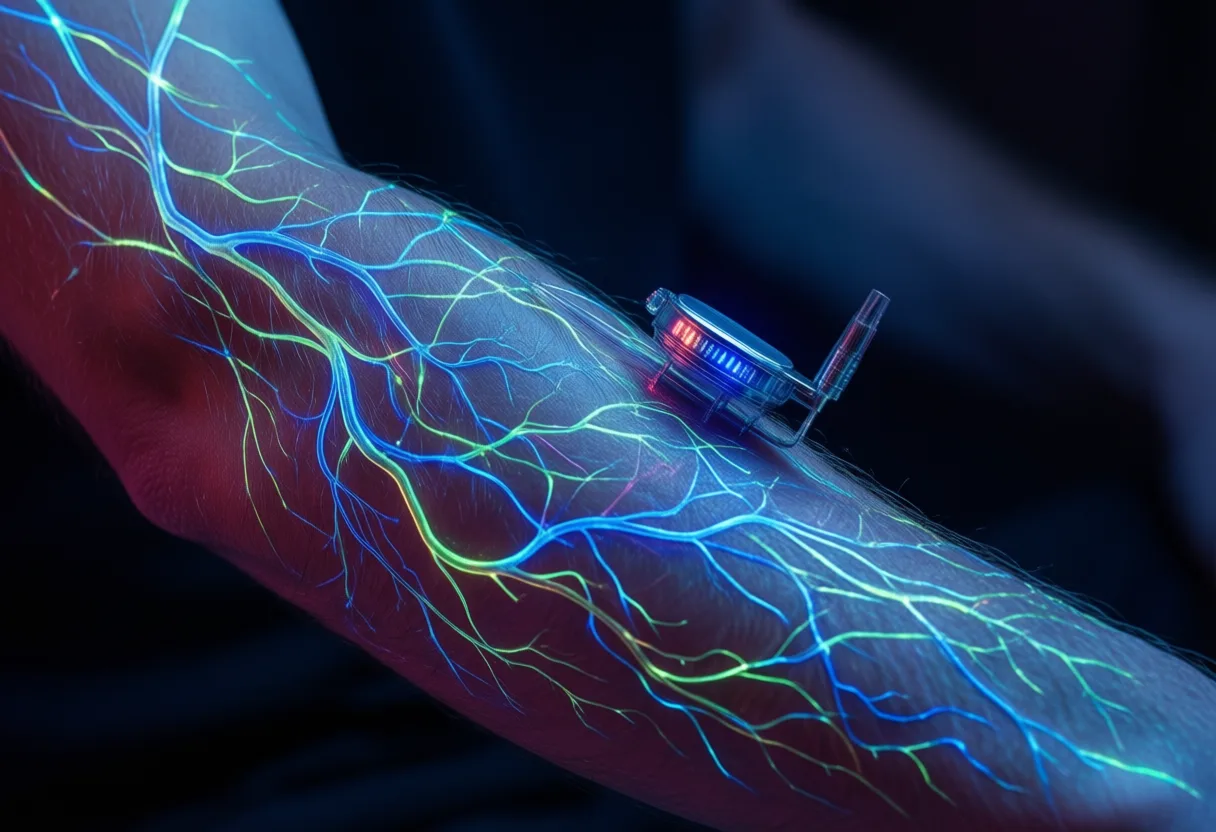

Every morning, the world wakes up with a thousand chances to begin again-yet most of us stumble through the same fog, chasing Energy like It’s a train we just missed. What if the power to shift that rhythm wasn’t locked in genetics or luck, but hidden in the quiet, consistent choices we make before the first email pings our screen?
For ambitious professionals, time isn’t just money-it’s momentum. And momentum begins not in the boardroom, but in the body. The most successful among us don’t just work harder; they’ve learned to Fuel smarter, tuning their biology like a finely crafted instrument ready to meet the demands of high-stakes days.
The Mind-Body Connection: Where Ambition Meets Biology
Success isn’t just driven by willpower-it’s powered by physiology. When your nervous system is frayed from poor sleep or erratic meals, even the most brilliant strategy can crumble under stress. Think of your body as the operating system for your ambition: no matter how advanced the software, a weak foundation slows everything down.
This is where small, intentional shifts create outsized returns. Your brain doesn’t run on caffeine and chaos-it thrives on rhythm, recovery, and real nourishment. When you align your daily habits with your body’s natural cycles, you stop fighting yourself and Start Accelerating.
Consider this: every decision you make-from whether to hit snooze to how you respond in a tense meeting-is filtered through your current physiological state. A well-regulated body doesn’t just feel Better; it Thinks Clearer, Acts With more precision, and Recovers With greater ease.
- Prioritizing deep sleep allows your brain to reset and consolidate learning
- Starting the day with hydration and movement primes focus and mood
- Managing stress through breathwork or brief meditation builds emotional resilience
These aren’t fringe tactics-they’re foundational. And they don’t require a lab or a doctorate. They require awareness and the courage to treat your body not as a machine to push, but as a partner to nurture.
You don’t need extreme measures to see change. You need consistency, curiosity, and the willingness to listen when your body whispers before it shouts.
Fueling Focus: Nutrition as a Performance Lever
Food is more than sustenance-it’s information. Every bite sends signals to your cells, telling them whether to burn fat, store energy, or fire up cognition. For entrepreneurs burning the candle at both ends, what you eat isn’t just about weight or wellness; it’s about Mental endurance.
The most effective professionals don’t chase quick energy spikes. They build sustained focus through balanced nutrition that stabilizes blood sugar and supports brain function. That means fewer crashes, fewer cravings, and fewer moments lost to brain fog.
Instead of reaching for that mid-morning pastry, imagine choosing a meal that fuels the next three hours of strategic thinking. Think proteins, healthy fats, and slow-digesting fibers-foods that release energy like a slow-burning log, not a flash fire.
- Eating whole, minimally processed foods reduces inflammation and mental fatigue
- Timing meals to match energy demands prevents afternoon slumps
- Staying hydrated supports cognitive speed and emotional balance
It’s not about perfection. It’s about progress-choosing one better option today that compounds into sharper focus tomorrow. And when you feel the clarity that comes from clean fuel, the motivation to continue becomes self-reinforcing.
This isn’t diet culture repackaged. This is performance science in everyday form. You wouldn’t pour low-grade gasoline into a high-performance engine-why do it to your body?
When you treat food as fuel for your mission, every meal becomes an act of self-respect. And self-respect is the quiet engine of long-term success.
Movement That Moves You: Beyond the Gym Mentality
Exercise isn’t just about looking good-it’s about Feeling capable. But for busy professionals, the idea of a 90-minute gym session can feel like another item on an impossible to-do list. The truth? Movement doesn’t have to be grueling to be powerful.
Short bursts of intentional motion-walking, stretching, climbing stairs-can reset your nervous system and spark creativity. Some of the best ideas don’t come at a desk; they emerge when your body is in motion and your mind is free to wander.
Movement isn’t the enemy of productivity-it’s its ally. A ten-minute walk after lunch can improve digestion, lower stress hormones, and sharpen afternoon focus. It’s not about reps or resistance; it’s about rhythm and renewal.
- Daily walking boosts circulation and mental clarity
- Stretching routines reduce tension and improve posture
- Brief strength sessions build resilience and energy efficiency
You don’t need a personal trainer or a Peloton. You need the willingness to move your body in ways that feel good and sustainable. Because when movement becomes a source of joy instead of obligation, it stops being a chore and starts being a ritual.
And rituals-small, repeated actions-are what build extraordinary lives. They’re the quiet disciplines that separate those who burn out from those who break through.
Let your body move not because you hate how it looks, but because you respect what it can do. That shift in mindset changes everything.
Rest as Resistance: Reclaiming Recovery in a Hustle Culture
In a world that glorifies burnout, choosing rest is an act of rebellion. We’ve been taught that success demands sacrifice-sleep, peace, presence. But what if the real competitive advantage isn’t in doing more, but in Resting better?
True performance isn’t measured by how many hours you survive, but by how well you recover between them. Sleep isn’t downtime-it’s upgrade time. It’s when your brain clears toxins, consolidates memories, and prepares for the next day’s challenges.
Elite performers don’t sleep less-they protect their sleep like a trade secret. Because they know that a well-rested mind makes faster decisions, handles pressure with grace, and sees opportunities others miss in their fatigue.
- Consistent sleep schedules improve mood and decision-making
- Digital detox before bed supports deeper, more restorative rest
- Naps or quiet breaks can recharge focus without guilt
Recovery isn’t passive. It’s strategic. And when you stop viewing rest as laziness and start seeing it as preparation, you unlock a new level of sustainable achievement.
You aren’t weak for needing rest. You’re wise. And wisdom is the foundation of lasting impact.
In the long game of ambition, the ones who last aren’t the loudest or the busiest-they’re the ones who know when to pause, recharge, and return with purpose.

The Quiet Edge: Small Shifts, Big Returns
Greatness isn’t born in grand gestures. It’s built in the quiet moments-the glass of water instead of soda, the five minutes of breathwork before a meeting, the choice to log off an hour early.
These aren’t Biohacking Tools in the flashy, futuristic sense. They’re timeless truths wrapped in modern language: Your body matters. And when you treat it with care, it returns the favor with energy, clarity, and resilience.
You don’t need a lab, a tracker, or a six-figure wellness budget. You need attention. You need intention. You need the courage to put yourself first-not out of ego, but out of necessity.
Because the world needs your ideas, your leadership, your fire. And you can’t give what you don’t have.
So start small. Choose one thing. One habit. One shift. Let it take root. Then build from there.
Ambition isn’t just about reaching the top. It’s about staying there-strong, steady, and fully alive.
| Tool or Practice | Primary Benefit | How It Works |
|---|---|---|
| Wearable sleep trackers | Improved sleep quality | Uses light to detect blood flow changes during sleep |
| Red light therapy | Cellular energy support | Delivers wavelengths that stimulate mitochondria |
| Cold plunges | Increased alertness and mood | Triggers norepinephrine release through cold exposure |
| Standing desks | Better posture and calorie burn | Encourages light activity over long periods |
| Intermittent fasting | Mental clarity and health | Time-based eating used historically for wellness |
More Than Just Gadgets: The Quirky Side of Everyday Biohacking
Unexpected Origins and Everyday Tweaks
The idea of tweaking your body’s performance isn’t new-it just had a different name. Early versions of biohacking pop up in ancient practices like intermittent fasting, used for centuries across cultures not for performance, but spiritual clarity and health. Fast-forward to today, and one of the simplest tools-tracking sleep with a wearable-relies on photoplethysmography, a fancy term for using light to detect blood flow changes under your skin. It’s the same basic tech used in hospital pulse oximeters, now packed into a wristband you wear while you dream.
Gadgets That Surprise Even Enthusiasts
Some Biohacking Tools work in ways most people don’t expect. Red light therapy devices, often seen as futuristic, use wavelengths that penetrate skin to support cellular energy production-basically giving your mitochondria a gentle nudge. Meanwhile, cold plunges, embraced by athletes and CEOs alike, trigger a surge of norepinephrine, a hormone linked to alertness and mood. That post-ice dip energy rush? It’s not just willpower-it’s your nervous system responding to the chill. Even something as straightforward as a standing desk can quietly boost calorie burn and improve posture over time, proving not every upgrade needs blinking lights or an app. Explore more stories, videos, and creators on Loaded.
Frequently Asked Questions
What is biohacking and how does it improve daily performance?
Biohacking involves making small, intentional lifestyle changes that align with your body’s natural cycles to enhance focus, energy, and resilience. It uses simple practices like hydration, movement, and rest to optimize mental and physical performance.
How does nutrition act as a performance lever in biohacking?
Food sends signals to cells that affect energy levels, brain function, and inflammation. Choosing whole, balanced meals with proteins, healthy fats, and fibers supports sustained focus and reduces mental fatigue.
Can short bursts of movement really boost productivity?
Yes, brief activities like walking, stretching, or stair climbing can reset the nervous system, improve circulation, and spark creativity. These moments of motion enhance afternoon focus and emotional balance.
Why is rest considered a form of resistance in high-performance culture?
In a hustle-driven world, prioritizing sleep and recovery is rebellious. Rest allows the brain to clear toxins, consolidate memories, and prepare for challenges, making it essential for long-term success.
This article was produced with AI assistance. How Reactor Magazine uses AI.
Mireille investigates the emotional engines behind success, from biohacking routines to leadership resilience. Her work weaves scientific insight with intimate profiles, illuminating sustainable drive in high-pressure fields.